Introduction: The Dawn of a New Urban Epoch in Hyderabad
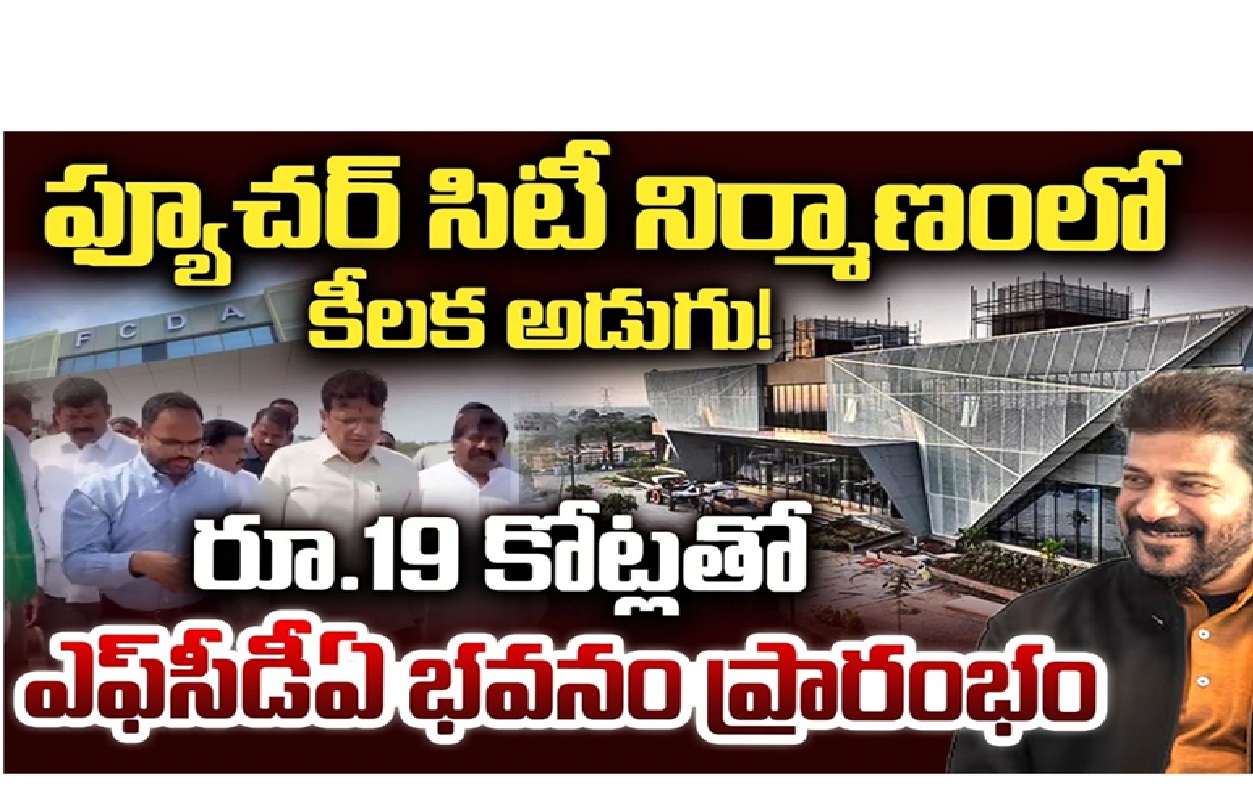
Hyderabad, a city synonymous with technological prowess and cultural richness, stands on the cusp of another transformative era. The recent launch of the Future City Development Authority (FCDA), championed by Chief Minister CM Revanth Reddy, signals an ambitious leap towards establishing a world-class, pollution-free metropolitan hub. This isn’t merely an expansion; it’s the genesis of a meticulously planned
urban landscape designed for sustainable growth and unparalleled connectivity. This ambitious undertaking, poised to transform the region around Mucherla, aims to create India’s first net-zero smart city, setting new benchmarks for urban development and investment opportunities.
For investors, urban planners, and citizens alike, understanding the intricacies of this project is paramount. This comprehensive guide delves deep into the vision, the authority driving it, the strategic infrastructure, and the myriad investment implications. We will explore how the Future City Development Authority and CM Revanth Reddy’s commitment are shaping a new paradigm for metropolitan living and economic prosperity.
The Vision Unveiled: CM Revanth Reddy’s Blueprint for a Green Metropolis
CM Revanth Reddy, the Chief Minister of Telangana, has articulated a bold and transformative vision for Hyderabad: the creation of a Future Citythat stands as a beacon of sustainable urban development. This ambitious project is not merely about expanding the city’s footprint but about crafting a meticulously planned, pollution-free, and world-class metropolitan area designed for future generations. It’s a strategic move to alleviate the growing pressures on existing urban centers like Hyderabad, Secunderabad, and Cyberabad, by establishing a
new urban paradigm. TheFuture City Development Authority is central to this endeavor, tasked with orchestrating this monumental shift.
Hyderabad’s Fourth City: A Strategic Imperative
For decades, Hyderabad has been a magnet for talent and investment, leading to rapid urbanization. However, this growth has also brought challenges, including congestion, infrastructure strain, and environmental concerns. CM Revanth Reddy’s concept of the “Fourth City”—following the established hubs of Hyderabad, Secunderabad, and Cyberabad—is a strategic response to these challenges. This new metropolis, envisioned to span approximately 30,000 acres in the Mucherla-Meerkhanpet region, is designed to be a self-sustaining ecosystem. It aims to redistribute population density, create new economic opportunities, and enhance the overall quality of life for residents across the Telangana region.
The strategic location of this Future City is crucial. Situated between the Srisailam and Nagarjuna Sagar highways, it encompasses 56 revenue villages, seven mandals, and three assembly constituencies. This vast expanse provides ample room for integrated urban planning, allowing for the development of residential, commercial, industrial, and green zones in a harmonious manner. The goal is to build a city that is not just an extension of Hyderabad but a distinct, advanced urban center that complements the existing metropolitan area.
A Commitment to Sustainability: Pollution-Free and World-Class
A cornerstone of CM Revanth Reddy’s vision for the Future City is its unwavering commitment to environmental sustainability. The ambition is to create India’s first net-zero smart city, a model for eco-conscious urban development. This involves integrating green technologies, promoting renewable energy sources, and implementing stringent pollution control measures from the ground up. The focus on a “pollution-free metro” extends beyond just transportation; it encompasses air quality, waste management, water conservation, and the preservation of green spaces.
Key initiatives under this commitment include:
- Extensive Green Cover: Significant portions of the 30,000-acre development are earmarked for parks, urban forests, and green corridors, enhancing biodiversity and air quality.
- Sustainable Transportation: The proposed 40-kilometer Green Corridor Metro Rail extension and dedicated cycling paths are designed to reduce reliance on private vehicles, thereby lowering carbon emissions and traffic congestion.
- Smart Waste Management: Implementation of advanced waste-to-energy plants and comprehensive recycling programs to minimize landfill waste.
- Renewable Energy Integration: Encouraging solar power generation and other renewable energy solutions for residential and commercial establishments.
- Water Conservation: Advanced rainwater harvesting systems and wastewater treatment plants to ensure water security and promote responsible usage.
This holistic approach to sustainability is expected to attract industries and residents who prioritize environmental responsibility, further solidifying the Future City’s reputation as a world-class, green urban hub. The Future City Development Authority will play a pivotal role in enforcing these environmental standards and ensuring the long-term ecological health of the new metropolis.
Future City Development Authority (FCDA): The Engine of Growth
The realization of such a monumental urban project necessitates a dedicated and empowered entity to steer its development. This is precisely the role of the Future City Development Authority (FCDA). Established by the Telangana Cabinet, the FCDA is the central coordinating body responsible for the planning, execution, and oversight of the entire Future City project. Its formation underscores the state government’s serious commitment to transforming CM Revanth Reddy’s vision into a tangible reality.
Mandate and Mission: Steering a Mega-Project
The FCDA’s mandate is comprehensive, encompassing every facet of urban development within the Future City’s vast expanse. Its primary mission is to ensure that the project adheres to the highest standards of urban planning, sustainability, and economic viability. Key responsibilities include:
- Master Planning: Developing and implementing a detailed master plan that integrates residential, commercial, industrial, and green zones, along with essential infrastructure like roads, utilities, and public services.
- Regulatory Oversight: Establishing and enforcing zoning regulations, building codes, and environmental standards to ensure orderly and sustainable growth.
- Infrastructure Development: Coordinating the construction of critical infrastructure, including transportation networks (metro, radial roads), water supply, sewerage, power, and communication systems.
- Investment Promotion: Attracting domestic and international investments across various sectors, including technology, manufacturing, healthcare, and education, to create a robust economic ecosystem.
- Land Management: Overseeing land acquisition, allocation, and development to facilitate planned urbanization and prevent speculative practices.
- Stakeholder Coordination: Acting as a central point of contact and coordination for various government agencies, private developers, and local communities involved in the project.
The FCDA is designed to be a proactive and agile authority, capable of navigating the complexities inherent in a project of this scale. Its existence streamlines decision-making processes and ensures a unified approach to development, preventing fragmentation and delays that often plague large-scale urban initiatives.
Collaboration with HMDA and TGIIC: A Unified Approach
The successful execution of the Future City project relies heavily on synergistic collaboration between various governmental bodies. The FCDA will not operate in isolation but will work in close coordination with established entities such as the Hyderabad Metropolitan Development Authority (HMDA) and the Telangana Industrial Infrastructure Corporation (TGIIC).
- HMDA (Hyderabad Metropolitan Development Authority): As the principal planning agency for the Hyderabad Metropolitan Region, HMDA brings extensive experience in urban planning, infrastructure development, and regulatory enforcement. The FCDA will leverage HMDA’s expertise, particularly in integrating the Future City with the broader metropolitan area and ensuring seamless connectivity. HMDA’s extended limits now cover the Future City region, signifying a unified planning framework.
- TGIIC (Telangana Industrial Infrastructure Corporation): TGIIC plays a crucial role in promoting industrial growth and developing industrial infrastructure across Telangana. Given the Future City’s emphasis on creating new economic hubs, including AI City, eCity, and various industrial parks, TGIIC’s involvement is vital. It will be instrumental in developing the necessary infrastructure to attract and support industries, thereby generating employment opportunities and driving economic prosperity within the new city.
This collaborative model ensures that the Future City benefits from the collective experience and resources of established state agencies, fostering a comprehensive and integrated development approach. The FCDA, as the specialized body, will provide focused attention to the unique requirements of the Future City, while HMDA and TGIIC offer broader regional planning and industrial development support, respectively. This unified strategy is a testament to the government’s commitment to a well-orchestrated and successful urban expansion.
Strategic Location and Connectivity: A Network for Tomorrow
The success of any major urban development hinges significantly on its strategic location and robust connectivity. The Future City project, under the guidance of the Future City Development Authority and CM Revanth Reddy’s vision, has been meticulously planned to capitalize on these critical factors. Its placement and the planned infrastructure are designed to create a highly accessible and integrated urban center, reducing commute times and fostering economic activity.
Mucherla: The Heart of Future City
At the core of this ambitious development lies Mucherla, a region strategically positioned to become the epicenter of the Future City. This area, along with Meerkhanpet, is being transformed into a vibrant hub, benefiting from its proximity to key existing and upcoming infrastructure. The choice of Mucherla is not arbitrary; it’s a calculated decision to leverage undeveloped land for planned growth, ensuring that the new city can be built from the ground up with modern urban planning principles.
The Future City’s expansive area, covering approximately 30,000 acres across 56 villages and seven mandals, positions it as a significant land bank for diverse developments. This scale allows for the creation of distinct zones for residential, commercial, industrial, and recreational purposes, all integrated within a cohesive framework. The region’s natural landscape is also being considered, with a focus on preserving green spaces and integrating them into the urban fabric.
The 40 KM Green Corridor Metro Rail Extension: Bridging Distances
One of the most transformative aspects of the Future City project is the proposed 40-kilometer Green Corridor Metro Rail extension. This vital transportation artery is designed to provide seamless, rapid, and eco-friendly connectivity between the Shamshabad Airport and the heart of Future City. The vision is to reduce travel time to a mere 40 minutes, significantly enhancing accessibility for residents, businesses, and visitors alike [1].
The metro corridor’s planned route is as follows:
- Starting Point: Shamshabad Airport terminal.
- Initial Stretch: Follows the airport boundary along Mansanpally Road for approximately 5 kilometers.
- Key Stations: Includes modern metro stations at Bahadurguda and Pedda Golconda, strategically located to facilitate development in a 1,500-acre government land hub.
- ORR Integration: Extends 14 kilometers as an elevated metro line along the Outer Ring Road (ORR), connecting through Tukkuguda Exit and Raviryal Exit.
- Destination: Proceeds towards the under-construction Skill University at Meerkhanpet.
- At-Grade Section: Transitions into an At-Grade metro rail corridor on the 100-meter-wide Green Field Road developed by HMDA.
This metro extension is not just about reducing travel time; it’s about promoting sustainable urban mobility. By offering a fast and efficient public transport option, it aims to decrease reliance on private vehicles, thereby contributing to the Future City’s goal of being pollution-free. The integration of this metro line into a broader transportation network will ensure smooth urban mobility and promote green infrastructure, aligning with the overall vision of a smart and sustainable metropolis.
The 41.5 KM Radial Road: Enhancing Regional Access
Complementing the metro rail expansion is the development of a 41.5-kilometer Greenfield Radial Road. This crucial road infrastructure project is designed to link the Outer Ring Road (ORR) near Raviryal with the Regional Ring Road (RRR) at Amangal. With an estimated investment of ₹4,600 crore, this radial road will significantly enhance regional access and connectivity, creating seamless travel for industrial, logistics, and residential zones [4].
The radial road will offer:
- Direct ORR-RRR Link: Providing a direct and efficient connection between these two vital ring roads, which are the backbone of Hyderabad’s regional connectivity.
- Toll-Free Travel: Designed with single-flow routes to ensure toll-free travel, facilitating smoother movement of goods and people.
- Phased Implementation: The project is being implemented in two phases, with a completion period of 30 months, demonstrating a commitment to timely infrastructure delivery.
- Economic Corridor: This road will serve as a critical economic corridor, providing faster connectivity for industries, IT hubs, the Future City itself, the Skill University, E-City, and regional markets. This will enable efficient supply chains and support the growth of various economic sectors within the region.
The combination of the Green Corridor Metro Rail and the Greenfield Radial Road forms a robust transportation backbone for the Future City. This integrated approach to connectivity is essential for attracting businesses, residents, and investors, ensuring that the new urban hub is not only well-planned internally but also seamlessly connected to the broader regional and national networks. These infrastructure projects are foundational to realizing CM Revanth Reddy’s vision of a world-class, pollution-free metro and a thriving Future City.
Pillars of Progress: Key Infrastructure and Economic Hubs
The vision for Future City extends beyond mere residential development; it encompasses the creation of a comprehensive ecosystem designed to foster innovation, economic growth, and high-quality living. Under the stewardship of the Future City Development Authority and the guiding principles set by CM Revanth Reddy, several key infrastructure projects and economic hubs are being established to position Future City as a global urban leader.
Innovation at its Core: AI City and Skill University
At the heart of Future City’s economic strategy is a strong emphasis on knowledge-based industries and human capital development. The planned AI City is a dedicated zone designed to attract leading artificial intelligence companies, research institutions, and startups. This hub will foster innovation in AI, machine learning, and related technologies, creating a vibrant ecosystem for technological advancement and high-value job creation. The presence of an AI City is expected to draw significant investment and talent, positioning Hyderabad at the forefront of the global AI revolution.
Complementing the AI City is the Young India Skill University at Meerkhanpet. This institution will play a crucial role in developing a skilled workforce tailored to the demands of emerging industries, particularly in technology and advanced manufacturing. By providing cutting-edge education and training, the Skill University will ensure a continuous supply of talent, making Future City an attractive destination for businesses seeking a highly competent labor pool.
Healthcare Excellence: The 1,000-Acre Health City
Recognizing the critical importance of healthcare infrastructure, the Future City master plan includes a massive 1,000-acre Health City in Mucherla. This dedicated zone is envisioned as a comprehensive healthcare hub, housing state-of-the-art hospitals, research centers, medical colleges, and pharmaceutical facilities. The Health City will not only cater to the medical needs of Future City residents but also aims to become a regional and national center for medical tourism and advanced healthcare services. This initiative aligns with the broader goal of creating a holistic urban environment that prioritizes the well-being of its inhabitants.
Global Business Gateway: World Trade Center and eCity
To solidify its position as an international business destination, Future City will feature a World Trade Center (WTC) Tower. This iconic structure will serve as a global business gateway, providing a platform for international trade, commerce, and investment. The WTC will host multinational corporations, trade offices, and business services, facilitating global connectivity and fostering economic partnerships. Its presence is expected to significantly boost Future City’s international profile and attract foreign direct investment.
Furthermore, a dedicated eCity is being developed on approximately 10 acres, projected to create over 2,500 jobs in advanced technology and manufacturing sectors [2]. This specialized zone will focus on electronics manufacturing, IT services, and other high-tech industries, contributing to the diversification of Future City’s economic base and providing further employment opportunities.
Proximity to Pharma City: A Synergistic Advantage
Future City’s strategic location also benefits from its proximity to the existing Pharma City, one of the world’s largest pharmaceutical industrial clusters. This adjacency creates a powerful synergistic advantage, allowing for seamless collaboration between the healthcare, life sciences, and pharmaceutical sectors. The Health City within Future City can leverage the research and manufacturing capabilities of Pharma City, while Pharma City can benefit from the advanced healthcare services and skilled workforce available in Future City. This integration is expected to drive innovation and growth across the entire life sciences ecosystem in the region.
Investment Landscape: Opportunities and Analysis
The emergence of Future City as a meticulously planned urban center, backed by the Future City Development Authority and the unwavering commitment of CM Revanth Reddy, presents a compelling investment landscape. For both seasoned and novice investors, understanding the dynamics of this burgeoning market is crucial to capitalizing on its potential. The project is poised to generate significant economic activity, driven by large-scale infrastructure development and the establishment of diverse economic hubs.
Real Estate Trends and Hotspots: Where to Look
The real estate market around Future City is already witnessing considerable activity, with property values showing an upward trend. The planned development, coupled with enhanced connectivity, is making the surrounding areas highly attractive for land and property investments. Current price trends for HMDA/RERA-approved villa plots and layouts in key areas range from ₹15,000 to ₹35,000 per square yard, with premium gated communities reaching upwards of ₹40,000+ [2]. Villa plots, in particular, are seeing prices between ₹13.5 Lakhs to ₹80 Lakhs.
Key Investment Hotspots:
- Mucherla: As the core of Future City, Mucherla is expected to see sustained appreciation due to its central role in the development.
- Kadthal: Located strategically, Kadthal is benefiting from its proximity to the Future City and improved connectivity.
- Shadnagar: Already a developing area, Shadnagar will gain further momentum from its connectivity to the new urban hub.
- Tukkuguda: Positioned along key transit routes, Tukkuguda is experiencing high investor demand, particularly for plots near Future City [2].
- Srisailam Highway: This corridor, linking to the Future City, is witnessing significant interest due to improved accessibility and infrastructure development.
These areas have collectively seen an appreciation of 20-30% over the last 18 months, a clear indicator of the market’s positive response to the Future City announcement and ongoing infrastructure projects [2].
Growth Drivers: Metro, RRR, and Economic Corridors
The projected growth in Future City’s real estate and economic sectors is underpinned by several powerful drivers:
- Metro Phase 2 Extension: The 40-kilometer Green Corridor Metro Rail extension from Shamshabad Airport to Future City will drastically cut commute times and enhance accessibility, making the area more desirable for residents and businesses [1]. This improved connectivity is a major catalyst for property value appreciation.
- Regional Ring Road (RRR): The RRR, along with the 41.5-kilometer Greenfield Radial Road connecting ORR to RRR, will create a robust transportation network. This will facilitate the smooth movement of goods and people, linking Future City to the broader regional economy and reducing logistical challenges for businesses [4].
- Pharma City and Other Economic Hubs: The proximity to the existing Pharma City, combined with the development of new economic zones like AI City, Health City, and eCity within Future City, will create a massive influx of jobs and economic activity. This job creation will drive demand for residential and commercial properties, fueling sustained growth.
- Government Initiatives and Investment: The strong backing from the state government, led by CM Revanth Reddy, and the establishment of the FCDA, provide a stable and supportive environment for investment. Government-led infrastructure projects and policies aimed at attracting Fortune 500 companies and global corporations further enhance the investment appeal [2].
Projected Returns and Long-Term Value Creation
Experts project an accelerated annual growth rate of 8-15% through 2030 for properties in and around Future City, driven by the finalization of the master plan and rapid advancement of catalytic zones [2]. This indicates strong capital appreciation potential for early investors.
Table 1: Projected Real Estate Appreciation in Future City Investment Hotspots (2026-2030)
| Investment Hotspot | Current Price Range (₹/sq. yard) | Projected Annual Growth (2026-2030) | Key Growth Drivers |
| Mucherla | 15,000 – 35,000 | 10-15% | Core development, FCDA focus, Health City |
| Kadthal | 15,000 – 30,000 | 8-12% | RRR connectivity, industrial growth |
| Shadnagar | 12,000 – 28,000 | 8-10% | Metro extension, regional connectivity |
| Tukkuguda | 18,000 – 40,000+ | 12-15% | ORR proximity, Metro Phase 2, commercial development |
| Srisailam Highway | 10,000 – 25,000 | 8-12% | Radial Road, connectivity to Future City |
Note: These are projections and actual returns may vary based on market conditions and specific property attributes.
The long-term value creation in Future City is not just about capital appreciation but also about the potential for rental income from the influx of professionals and students, and the overall economic prosperity generated by the new urban ecosystem. Investing in Future City is seen as a positioning phase, offering an opportunity to be an early participant in what is envisioned as India’s first net-zero smart city [2].
Pros and Cons of Investing in Future City Hyderabad
Investing in an emerging urban development like Future City Hyderabad, spearheaded by the Future City Development Authority and the vision of CM Revanth Reddy, presents a unique set of opportunities and challenges. A balanced perspective is crucial for any investor considering this promising, yet nascent, market.
Advantages: High Growth Potential, Planned Development, Government Backing
- High Growth Potential: The most significant advantage is the potential for substantial capital appreciation. As a greenfield project, Future City offers a blank canvas for modern urban planning, attracting significant investment and population influx. The planned economic hubs (AI City, Health City, WTC) are designed to create millions of high-value jobs, driving demand for both residential and commercial properties [2].
- Meticulously Planned Development: Unlike organic urban sprawl, Future City is being developed with a comprehensive master plan. This includes integrated infrastructure, dedicated zones for various activities, and a focus on sustainability. Such planned growth minimizes common urban issues like congestion and lack of amenities, enhancing long-term liveability and investment value.
- Strong Government Backing: The project enjoys robust support from the Telangana state government, with CM Revanth Reddy personally championing its development. The establishment of the FCDA, along with collaboration from HMDA and TGIIC, ensures coordinated efforts, policy stability, and significant public investment in infrastructure. This government commitment reduces execution risk and instills investor confidence.
- World-Class Infrastructure: The planned 40 KM Green Corridor Metro Rail extension and the 41.5 KM Greenfield Radial Road will provide unparalleled connectivity, making Future City highly accessible. This advanced infrastructure is a major draw for businesses and residents, underpinning property values [1] [4].
- Focus on Sustainability and Quality of Life: The vision for a net-zero, pollution-free smart city with extensive green spaces, smart waste management, and renewable energy integration appeals to a growing segment of environmentally conscious residents and businesses. This focus on sustainability enhances the city’s long-term appeal and resilience.
- Diversified Economic Base: The development of specialized economic zones like AI City, Health City, eCity, and proximity to Pharma City ensures a diversified economic base, reducing reliance on a single industry. This diversification creates a stable job market and sustained demand for real estate.
Disadvantages: Long Gestation Period, Market Volatility, Regulatory Hurdles
- Long Gestation Period: While the vision is grand, the realization of a project of this scale will take time. The full benefits of Future City are projected to materialize over the next decade (2026-2035 vision), requiring investors to have a long-term outlook. Early investors might experience slower initial returns compared to more mature markets [2].
- Market Volatility and Speculation: Emerging markets, especially those driven by large-scale government projects, can be susceptible to speculative bubbles. While the FCDA aims for planned growth, external economic factors or over-enthusiastic speculation could lead to price volatility in the short to medium term.
- Regulatory and Land Acquisition Hurdles: Large infrastructure projects often face challenges related to land acquisition, environmental clearances, and regulatory changes. While the FCDA is in place to streamline these processes, unforeseen delays or policy shifts could impact project timelines and costs.
- Dependence on Government Continuity: The project’s success is heavily reliant on sustained political will and consistent government policies. Any change in leadership or policy direction could potentially alter the pace or scope of development.
- Competition from Established Hubs: Despite its unique offerings, Future City will still compete with established urban centers in Hyderabad and other major Indian cities for talent and investment. Attracting and retaining businesses and residents will require continuous effort and competitive advantages.
- Liquidity Concerns: In the initial phases of development, the liquidity of real estate assets might be lower compared to established markets. Selling properties quickly might be challenging until the city reaches a more mature stage of development and population density increases.
Table 2: Investment Considerations: Future City Hyderabad
| Future City Development Authority (FCDA) has been launched, with CM Revanth Reddy vowing to build a world-class, pollution-free metro. This is a significant development for Hyderabad and Telangana. I will now continue writing the blog post, focusing on the
Common Mistakes Investors Make in Emerging Urban Markets
Investing in a rapidly developing area like Future City Hyderabad, while potentially lucrative, also comes with its share of pitfalls. New urban markets, particularly those driven by large-scale government initiatives and the vision of leaders like CM Revanth Reddy, can attract both informed and uninformed investors. Avoiding common mistakes is paramount to safeguarding capital and maximizing returns. The Future City Development Authority aims to create a transparent and regulated environment, but individual investor diligence remains critical.
Ignoring Due Diligence: The Perils of Haste
One of the most frequent and costly mistakes investors make is failing to conduct thorough due diligence. The excitement surrounding a new mega-project can lead to impulsive decisions without adequate research into legal aspects, land titles, zoning regulations, and developer credibility. In an emerging market, verifying every detail is crucial.
- Lack of Legal Scrutiny: Not checking property titles, encumbrances, and regulatory approvals (e.g., RERA, HMDA, FCDA) can lead to disputes, delays, or even loss of investment. Ensure all documents are legitimate and the property is free from legal complications.
- Ignoring Zoning Regulations: The Future City master plan will have specific zoning for residential, commercial, industrial, and green areas. Investing in a plot without understanding its designated use can lead to restrictions on development or lower-than-expected appreciation.
- Developer Credibility: Always research the track record of developers. Opt for those with a proven history of delivering projects on time and with quality, especially in large-scale developments.
Lack of Diversification: Putting All Eggs in One Basket
While Future City offers immense potential, concentrating all investment capital in a single asset or location within this emerging market can expose investors to undue risk. Diversification is a fundamental principle of sound investment strategy.
- Geographic Concentration: Investing solely in one plot or project within Future City, no matter how promising, increases exposure to localized risks. Consider diversifying across different sectors (e.g., residential plots, commercial spaces, REITs focused on the region) or even other emerging markets.
- Asset Class Concentration: Beyond real estate, consider other investment avenues to balance your portfolio. While real estate can be a powerful wealth creator, a diversified portfolio can mitigate risks associated with market fluctuations specific to property.
Short-Term Mindset: Missing the Big Picture
Large-scale urban developments like Future City are long-term propositions. Investors who enter with a short-term speculative mindset often get disillusioned or make poor decisions when immediate returns don’t materialize. CM Revanth Reddy’s vision for Future City is a multi-decade plan, with significant milestones expected over the next 10-15 years.
- Impatience for Returns: Expecting quick profits in a developing market can lead to selling assets prematurely, missing out on the compounding growth that occurs as infrastructure matures and population density increases.
- Ignoring Project Timelines: Understand that infrastructure projects, especially those of the scale of the Metro extension and Radial Road, have defined timelines. Real estate appreciation often aligns with the progress and completion of these critical infrastructure components.
Underestimating Regulatory Changes and Zoning Laws
Emerging urban areas are dynamic environments where policies and regulations can evolve. Underestimating the impact of these changes can lead to unexpected challenges.
- Policy Shifts: Governments may introduce new policies related to land use, taxation, or environmental regulations. Staying informed about these potential changes is vital.
- Infrastructure Delays: While government backing is strong, large projects can face unforeseen delays due to various factors. These delays can impact the expected timeline for property appreciation.
By being aware of these common pitfalls and adopting a disciplined, long-term approach, investors can navigate the exciting, yet complex, landscape of Future City Hyderabad more effectively.
Expert Tips for Navigating the Future City Investment Arena
Investing in a visionary project like Future City Hyderabad, championed by CM Revanth Reddy and meticulously managed by the Future City Development Authority, requires a strategic and informed approach. To maximize potential returns and mitigate risks, here are expert tips for navigating this dynamic investment landscape:
Prioritize RERA and HMDA Approved Properties
Always ensure that any property or plot you consider for investment is approved by the Real Estate Regulatory Authority (RERA) and the Hyderabad Metropolitan Development Authority (HMDA). These approvals provide a layer of legal protection and assurance regarding the legitimacy of the project and the developer. The FCDA will also have its own set of approvals, which should be verified.
- RERA Registration: Guarantees transparency, accountability, and timely project completion. It protects buyers from fraudulent practices and ensures that developers adhere to promised specifications.
- HMDA Approval: Confirms that the land use and development plans comply with the regional master plan. This is crucial for ensuring that your investment is in a legally sanctioned and well-planned area.
- FCDA Endorsement: As the primary authority for Future City, FCDA endorsement will become the gold standard for projects within its jurisdiction, indicating alignment with the overarching vision and master plan.
Understand the Master Plan and Phased Development
Future City is a large-scale, phased development. A deep understanding of its master plan is essential. This includes knowing the designated zones (residential, commercial, industrial, green), the timeline for infrastructure development, and the projected growth corridors.
- Study the Zoning Map: Identify areas designated for specific purposes. For instance, residential plots near commercial hubs or educational institutions might offer different appreciation potential than those in purely residential zones.
- Track Infrastructure Progress: Keep an eye on the progress of key infrastructure projects like the Metro Rail extension and the Radial Road. Property values often appreciate significantly as these projects near completion.
- Phased Growth: Recognize that different parts of Future City will develop at different paces. Early investment in areas slated for immediate development might yield quicker returns, while investment in later phases might require more patience.
Consider Long-Term Growth vs. Short-Term Speculation
While short-term gains are always attractive, the true potential of Future City lies in its long-term growth trajectory. This project is designed for sustainable development over decades, not just years.
- Long-Term Vision: Align your investment horizon with the project’s long-term vision (e.g., 2035 and beyond). This mindset helps in weathering short-term market fluctuations and capitalizing on the compounding effect of urban development.
- Avoid Over-Leveraging: Do not engage in excessive borrowing for short-term speculative gains. A conservative financial approach is advisable for long-term investments.
Seek Professional Financial and Legal Advice
Navigating the complexities of a new urban market requires expert guidance. Engaging with financial advisors and legal professionals specializing in real estate can provide invaluable insights and protection.
- Financial Advisor: A financial advisor can help assess your risk tolerance, integrate real estate into your overall investment portfolio, and provide projections based on market data.
- Legal Counsel: A lawyer specializing in property law can conduct thorough due diligence, verify documents, and ensure that all transactions are legally sound, protecting you from potential disputes.
Risk Management and Portfolio Diversification Strategies
Even with strong government backing, no investment is without risk. Implementing robust risk management and diversification strategies is crucial.
- Diversify Your Portfolio: As mentioned earlier, avoid putting all your capital into a single asset. Consider diversifying across different property types, locations, or even other asset classes.
- Contingency Planning: Have a financial buffer to manage unforeseen expenses or market downturns. This ensures you are not forced to sell assets at a loss.
- Stay Informed: Continuously monitor market trends, policy changes, and project updates from the FCDA and other relevant authorities. Informed decisions are the best defense against risks.
By adhering to these expert tips, investors can approach the Future City project with confidence, making informed decisions that align with their financial goals and contribute to the success of CM Revanth Reddy’s visionary urban development.
Finance-Specific Considerations: Taxation, Risk, and Psychology
Investing in a mega-project like Future City Hyderabad, guided by the Future City Development Authority and the vision of CM Revanth Reddy, involves significant financial commitments. Understanding the financial nuances, including taxation, risk management, and the psychological aspects of investing, is crucial for long-term success.
Tax Implications of Real Estate Investment
Real estate investments in India are subject to various taxes, which can significantly impact your net returns. It’s essential to factor these into your investment strategy.
- Capital Gains Tax: When you sell a property, the profit is subject to Capital Gains Tax. If the property is held for more than 24 months, it’s considered a Long-Term Capital Gain (LTCG) and is taxed at 20% with indexation benefits. If held for less than 24 months, it’s a Short-Term Capital Gain (STCG) and is taxed according to your income tax slab.
- Stamp Duty and Registration Charges: These are state-level taxes levied during the purchase of a property. In Telangana, these charges can add a significant percentage to the overall cost of acquisition.
- Property Tax: Once you own a property, you are liable to pay annual property tax to the local municipal authority (e.g., GHMC or the newly formed FCDA, depending on jurisdiction).
- Tax Benefits on Home Loans: If you finance your investment through a home loan, you can avail of tax deductions on both the principal repayment (under Section 80C) and the interest payment (under Section 24(b)) of the Income Tax Act.
Disclaimer: Tax laws are subject to change. It is highly recommended to consult with a qualified tax professional or Chartered Accountant for personalized advice.
Effective Risk Management Strategies
Every investment carries inherent risks, and emerging markets like Future City are no exception. Implementing effective risk management strategies is vital to protect your capital.
- Thorough Due Diligence: As emphasized earlier, rigorous verification of legal documents, developer credentials, and regulatory approvals (RERA, HMDA, FCDA) is the first line of defense against fraud and legal disputes.
- Diversification: Spread your investments across different asset classes (equities, bonds, mutual funds) and within real estate (residential, commercial, different locations) to mitigate the impact of a downturn in any single sector.
- Liquidity Management: Real estate is an illiquid asset. Ensure you have sufficient liquid assets (cash, short-term investments) to meet emergency needs without having to sell your property at a distressed price.
- Stay Informed: Keep abreast of market trends, infrastructure developments, and policy changes related to Future City. Proactive monitoring allows you to adjust your strategy as needed.
The Psychology of Investing: Avoiding Emotional Decisions
Investing is as much a psychological endeavor as it is a financial one. Emotional decisions can often lead to poor outcomes, especially in dynamic markets.
- Avoid FOMO (Fear Of Missing Out): The hype surrounding mega-projects can create a sense of urgency. Avoid rushing into investments without proper research just because “everyone else is doing it.”
- Patience is Key: Real estate, particularly in developing areas, requires a long-term perspective. Avoid the temptation to seek quick profits and be prepared to hold your investment through market cycles.
- Stick to Your Strategy: Develop a clear investment strategy based on your financial goals, risk tolerance, and time horizon. Stick to this plan and avoid making impulsive decisions based on short-term market fluctuations or rumors.
- Manage Expectations: While the potential for high returns exists, it’s important to have realistic expectations. Understand that development takes time, and appreciation may not be linear.
By understanding the tax implications, implementing robust risk management strategies, and maintaining a disciplined psychological approach, investors can navigate the financial complexities of investing in Future City Hyderabad with greater confidence and success.
Frequently Asked Questions (FAQs)
Here are some common questions regarding the Future City Development Authority, CM Revanth Reddy’s vision, and investment opportunities in Future City Hyderabad.
- What is the Future City Development Authority (FCDA)? The FCDA is a newly established governmental body in Telangana responsible for the planning, development, and oversight of the Future City project in Hyderabad. It works in coordination with HMDA and TGIIC to create a world-class, pollution-free smart city.
- Where is Future City Hyderabad located? Future City is primarily located in the Mucherla-Meerkhanpet region of the Ranga Reddy district, spanning approximately 30,000 acres across 56 villages and seven mandals.
- What is CM Revanth Reddy’s vision for Future City?CM Revanth Reddy envisions Future City as Hyderabad’s
Fourth City, a net-zero, pollution-free, world-class smart metropolis designed for sustainable growth, advanced infrastructure, and diverse economic hubs. - What are the key infrastructure projects planned for Future City? Key projects include a 40-kilometer Green Corridor Metro Rail extension connecting Shamshabad Airport to Future City, a 41.5-kilometer Greenfield Radial Road linking ORR to RRR, an AI City, a 1,000-acre Health City, a World Trade Center, and a Skill University.
- How will Future City address pollution concerns? The project emphasizes a pollution-free environment through extensive green cover, sustainable transportation (metro, cycling paths), smart waste management systems, and the integration of renewable energy sources.
- What are the investment opportunities in Future City real estate? Investment opportunities exist in residential plots, commercial spaces, and potentially in specialized zones like AI City and Health City. Hotspots include Mucherla, Kadthal, Shadnagar, Tukkuguda, and areas along the Srisailam Highway.
- What is the projected growth for real estate in Future City? Experts project an accelerated annual growth rate of 8-15% through 2030 for properties in and around Future City, driven by infrastructure development and economic growth.
- What are the risks associated with investing in Future City? Risks include a long gestation period for full development, potential market volatility, regulatory and land acquisition challenges, and reliance on sustained government commitment. Thorough due diligence and a long-term perspective are crucial.
- How can investors mitigate risks in Future City? Mitigation strategies include prioritizing RERA and HMDA-approved properties, understanding the master plan, diversifying investments, seeking professional financial and legal advice, and maintaining a long-term investment horizon.
- Will the Future City have good connectivity to Hyderabad? Yes, connectivity will be significantly enhanced by the 40 KM Green Corridor Metro Rail extension and the 41.5 KM Greenfield Radial Road, ensuring seamless travel between Future City and the existing Hyderabad metropolitan area.
- What is the role of HMDA and TGIIC in the Future City project? The FCDA will collaborate closely with HMDA (Hyderabad Metropolitan Development Authority) for broader regional planning and regulatory enforcement, and with TGIIC (Telangana Industrial Infrastructure Corporation) for developing industrial infrastructure and promoting economic growth within Future City.
- Is Future City designed to be a smart city? Yes, Future City is envisioned as India’s first net-zero smart city, integrating advanced technology, sustainable practices, and modern urban planning to create an intelligent and eco-friendly urban environment.
Conclusion: A Future Forged in Vision and Opportunity
The launch of the Future City Development Authority and the visionary leadership of CM Revanth Reddy mark a pivotal moment in Hyderabad’s urban evolution. The Future City project is more than just a new development; it is a meticulously crafted blueprint for a sustainable, pollution-free, and economically vibrant metropolis. By integrating world-class infrastructure, cutting-edge economic hubs, and a steadfast commitment to environmental stewardship, Hyderabad is not just expanding its boundaries but redefining the very essence of urban living and investment in India.
For investors, this presents an unparalleled opportunity to be part of a transformative journey. The strategic planning, robust government backing, and the promise of a net-zero smart city create a compelling case for long-term value creation. However, as with any emerging market, success hinges on informed decisions, thorough due diligence, and a patient, strategic approach.
Don’t just watch Hyderabad’s future unfold; be a part of shaping it. Engage with the official resources, consult with financial and real estate experts, and consider how your investment can align with the sustainable growth trajectory of this ambitious project. The Future City is not just a dream; it’s a tangible reality taking shape, promising a brighter, greener, and more prosperous tomorrow for all who choose to invest in its vision.
Disclaimer
This blog post is intended for informational purposes only and does not constitute financial, investment, legal, or tax advice. The information provided is based on publicly available data and current understanding of the Future City Hyderabad project, the Future City Development Authority, and statements made by CM Revanth Reddy. While every effort has been made to ensure accuracy, market conditions, project timelines, and governmental policies are subject to change without notice.
Readers are strongly advised to conduct their own thorough due diligence, consult with qualified financial advisors, real estate professionals, legal counsel, and tax experts before making any investment decisions. Investing in real estate, especially in emerging markets, involves inherent risks, and there is no guarantee of returns. The author and publisher of this article shall not be held responsible for any investment decisions made based on the information presented herein.