
Introduction: The Context of Ongoing Conflict
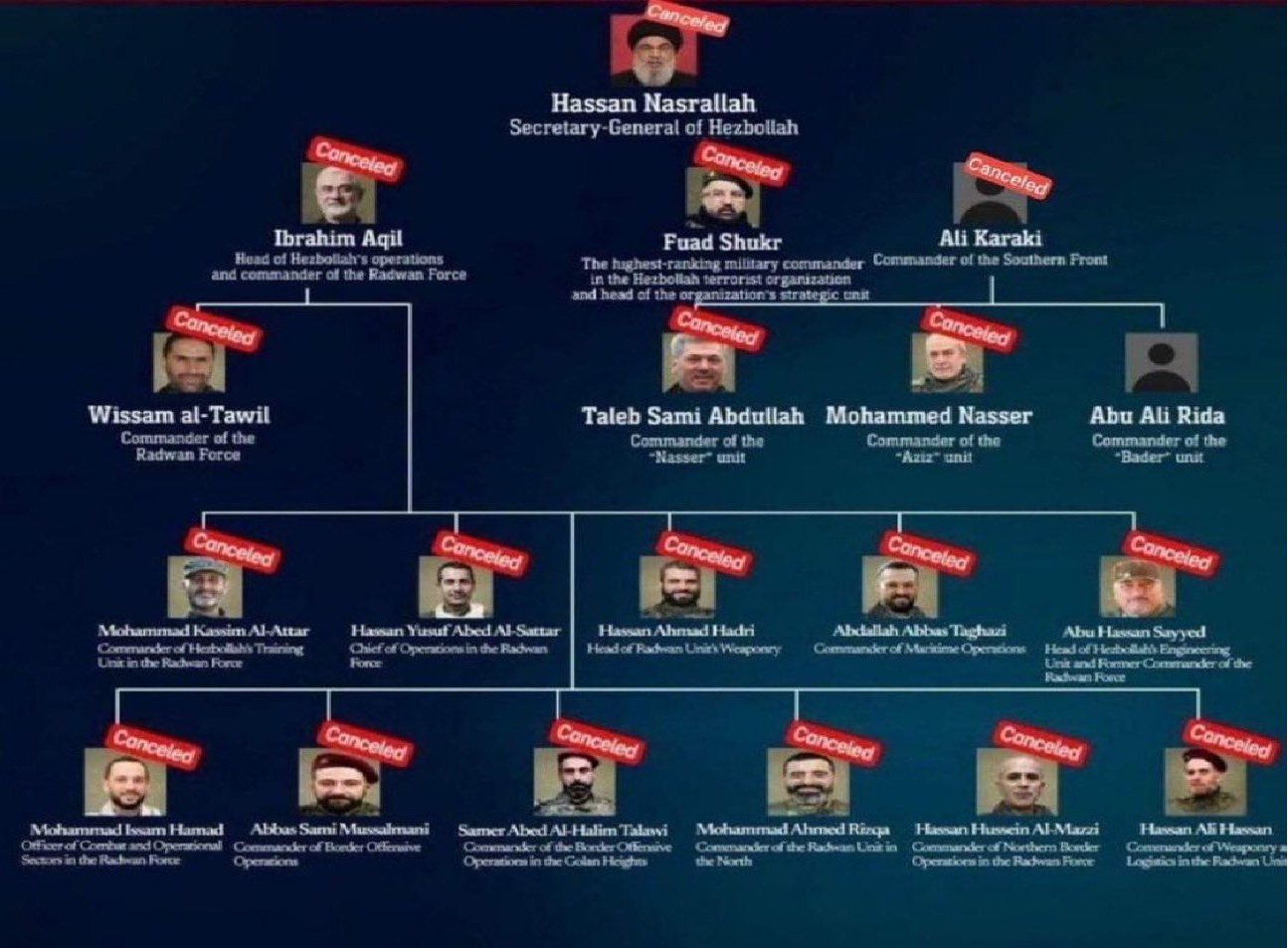
The ongoing tension between Israel and its neighboring entities, particularly Hezbollah in Lebanon and Hamas in Gaza, remains one of the most volatile conflicts in the Middle East. A major part of Israel’s strategy in defending its borders includes eliminating high-value targets. Recently, the Israeli Defense Forces (IDF) took significant action by neutralizing Hezbollah commander Abu Ali Rida, the mastermind behind the ongoing missile attacks on IDF troops. This targeted strike is a vital blow to Hezbollah’s military operations and an important development in the broader Israel-Lebanon-Gaza conflict.
What Led to This Latest Operation?
The current escalation in military action stems from Hezbollah’s continued aggression and missile attacks targeting IDF forces. Over the past few months, these attacks have increased in intensity, leading Israel to ramp up its defense efforts. Hezbollah has long been considered one of Israel’s fiercest adversaries, heavily backed by Iran and entrenched in Lebanon. The IDF has focused on eliminating key figures responsible for coordinating and launching these assaults, culminating in the recent operation that took out Abu Ali Rida.
Who Was Abu Ali Rida?
Abu Ali Rida was a top Hezbollah commander, specifically in charge of organizing and directing missile strikes against Israeli forces. His expertise and leadership played a pivotal role in the sustained missile campaigns that have threatened the northern regions of Israel. He was not only a military tactician but also an influential figure within Hezbollah’s command structure. His involvement in planning attacks made him one of the IDF’s most sought-after targets.
The IDF’s Precision Operations
Israel has earned a reputation for conducting highly precise and effective military operations, especially when it comes to eliminating high-value targets. The operation to neutralize Abu Ali Rida involved a combination of on-the-ground intelligence, air surveillance, and advanced military technology. The IDF meticulously planned the operation to ensure minimal collateral damage, focusing solely on eliminating the key individuals responsible for the missile attacks.
A Critical Blow to Hezbollah
Abu Ali Rida’s death marks a severe setback for Hezbollah. As one of the group’s primary military leaders, his elimination significantly hampers their ability to carry out large-scale missile strikes. This operation is not just about eliminating a single individual; it’s a symbolic victory that sends a clear message to Hezbollah and other militant groups about Israel’s capability to defend itself.
Details of the Operation in Lebanon
The IDF’s strike in Lebanon was part of a broader strategy to disrupt Hezbollah’s military infrastructure. Reports suggest that the operation was conducted with surgical precision, utilizing drones and intelligence gathered over several weeks. The strike specifically targeted the location where Abu Ali Rida was coordinating further attacks, ensuring that the mission was a decisive success.
The Gaza Operations: Who Were the Other Targets?
Alongside the operation in Lebanon, the IDF also launched a series of strikes in Gaza aimed at eliminating other key figures responsible for terror activities. These individuals were closely linked to ongoing attacks on Israeli civilians and military installations. Their removal from the battlefield further weakens the capabilities of groups like Hamas and Islamic Jihad in Gaza, contributing to Israel’s overall security.
Why Gaza and Lebanon Are Key to Regional Security
Both Gaza and Lebanon play pivotal roles in the region’s security landscape. Hezbollah, which controls significant portions of southern Lebanon, serves as Iran’s proxy in its battle against Israel. Similarly, Hamas operates from Gaza, launching rockets into Israeli territories. By targeting commanders and critical military leaders like Abu Ali Rida, the IDF hopes to curb future aggression and stabilize the region.
How Hezbollah’s Response Impacts the Region
Hezbollah has vowed retaliation in response to the death of Abu Ali Rida, which could escalate tensions further. This raises concerns about a potential broader conflict involving other regional powers, including Syria and Iran. While Hezbollah’s ability to respond may have been diminished by the loss of key leaders, the situation remains volatile.
The Role of Global Powers in the Conflict
The involvement of global powers, particularly the United States, continues to influence the dynamics of the Israel-Hezbollah conflict. The U.S. has consistently supported Israel’s right to defend itself, while other nations, such as Iran, provide support to Hezbollah. These international relationships contribute to the complexity of the conflict and shape its outcomes.
Broader Implications for Middle East Stability
The elimination of high-profile terrorist leaders can have a ripple effect throughout the Middle East. As Israel continues its efforts to secure its borders, the region faces potential shifts in alliances, increased tension between rival factions, and a possible destabilization of nearby nations.
Public Reactions in Israel and Globally
In Israel, the operation against Abu Ali Rida has been widely praised as a necessary step in protecting the nation from further missile attacks. However, Hezbollah’s supporters, both in Lebanon and beyond, view his elimination as a provocation, leading to calls for revenge.
Media Coverage of Abu Ali Rida’s Elimination
Global media coverage of the event has varied, with Israeli outlets focusing on the operation’s success and its implications for national security. Meanwhile, international outlets have reported on the potential escalation of violence in the wake of the commander’s death.
What’s Next for Hezbollah and Hamas?
In the aftermath of these eliminations, Hezbollah and Hamas are likely to regroup and consider their next moves. While weakened by the loss of key leaders, these organizations have historically shown resilience. Israel, on the other hand, remains vigilant, prepared for any retaliatory actions.
Conclusion: A Shift in the Balance of Power?
The IDF’s successful elimination of Abu Ali Rida and other key terrorists signals a significant shift in the ongoing conflict with Hezbollah and Hamas. While this may temporarily weaken these organizations, the broader implications for regional stability are uncertain. Only time will tell if this will lead to a long-term reduction in hostilities or merely a temporary lull in the violence.
FAQs
- Why was Abu Ali Rida a key target?
Abu Ali Rida was a top Hezbollah commander responsible for organizing missile strikes on Israeli forces, making him a high-priority target for the IDF. - What impact does this operation have on Hezbollah?
The elimination of Abu Ali Rida severely weakens Hezbollah’s military capabilities, particularly in their missile attacks on Israel. - How does this affect the Gaza conflict?
In addition to the Lebanon operation, key terrorists in Gaza were also eliminated, further weakening groups like Hamas.