
Introduction
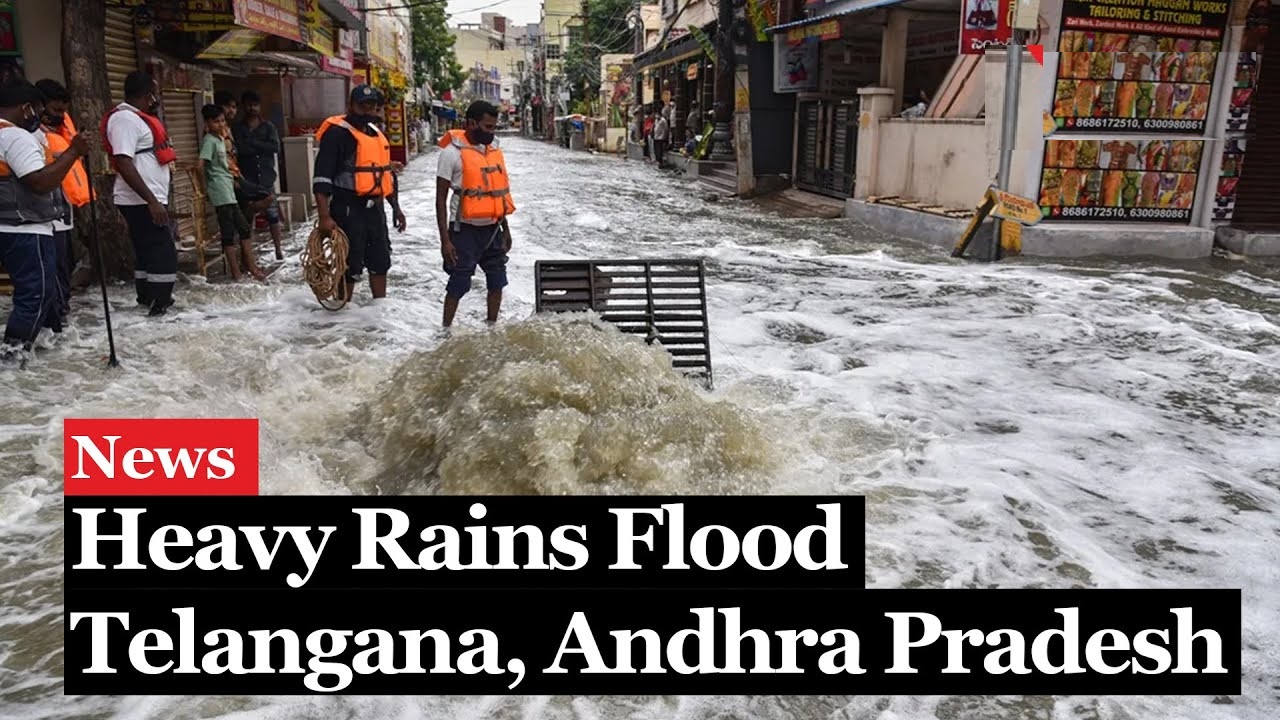
The relentless downpour in Andhra Pradesh has caused severe disruptions in transportation, especially between Telangana and Andhra Pradesh. Continuous heavy rainfall has resulted in waterlogged roads, forcing authorities to halt vehicular movement between the two states. This situation has caused significant inconvenience to commuters and highlights the challenges of managing traffic during extreme weather conditions.
Unprecedented Rainfall Brings Chaos to Andhra Pradesh and Telangana
The states of Andhra Pradesh and Telangana are grappling with the aftermath of heavy rains that have caused widespread destruction and loss of life. In Vijayawada, the relentless downpour led to a catastrophic landslide, claiming the lives of two residents. This natural disaster has left communities in distress as they battle unprecedented flooding and damage. In this article, we delve into the impact of the torrential rains, the challenges faced by the affected regions, and the urgent need for governmental intervention.
Severe Waterlogging Disrupts Traffic Between Telangana and Andhra Pradesh
Continuous heavy rains have turned roads into rivers, leading to a complete standstill in traffic between Telangana and Andhra Pradesh. The persistent rainfall has caused severe waterlogging, particularly at the Ramapuram border, where the Chimiriyala stream is overflowing. Floodwaters from Kodad are gushing downstream, exacerbating the situation. The national highway at Nallabandugudem has been submerged, causing a massive traffic jam at the interstate check post.
Floodwaters Halt Traffic on National Highways
At the Aitavaram village in the NTR district’s Nandigama mandal, the Munneru stream is flowing fiercely across the national highway. The floodwaters have risen to knee-deep levels on the highway, prompting authorities to completely halt vehicular movement. Police and revenue officials took preemptive measures to stop vehicles on the Vijayawada-Hyderabad national highway. As part of these measures, traffic has been halted at the Chilakallu toll plaza towards Hyderabad and at the Keesara toll plaza towards Vijayawada, bringing the highway to a complete standstill. Nandigama RDO Ravinder Rao has stated that no vehicles will be allowed on the highway until the floodwaters recede.
RTC Bus Trapped in Palaeru Stream
In the Suryapet district, an RTC bus became stranded in the Palaeru stream at Nallabandugudem. Fortunately, all 30 passengers aboard the bus were safely evacuated. Due to the flooding of roads, authorities have halted RTC buses traveling from Vijayawada to Hyderabad, causing significant inconvenience to passengers at the Vijayawada bus stand.
Massive Rainfall Triggers Deadly Landslide in Vijayawada
Heavy rains have battered various parts of Andhra Pradesh and Telangana, with Vijayawada being one of the hardest-hit areas. The torrential downpour caused a significant landslide in the hilly region near Sunnapalli Center, resulting in the collapse of large boulders and debris. The landslide wreaked havoc in the nearby settlements, where fragile huts bore the brunt of the disaster. Unfortunately, the collapse led to the tragic deaths of two individuals, identified as Meghana and Lakshmi.
Rescue operations have been challenging due to the massive boulders obstructing the area and the continuous rain making the terrain unstable. Efforts to reach potential survivors trapped under the debris are ongoing, but the situation remains precarious. Local residents and authorities are working tirelessly to clear the area, but the scale of the disaster has made rescue operations exceedingly difficult.
Traffic Diversions Implemented Due to Flooding
The national highway at Nallabandugudem in Suryapet district continues to be submerged under floodwaters, leading to a five-hour suspension of traffic between Hyderabad and Vijayawada. The Palaeru stream is flowing widely, forcing police to divert vehicles heading from Hyderabad to Vijayawada via Narkatpalli and Addanki. Similarly, vehicles from Suryapet are being rerouted towards Khammam, while those from Kodad are being directed through Huzurnagar to Guntur. Vehicles coming from Vijayawada are being diverted towards Addanki and Narkatpalli. Authorities have indicated that the floodwaters are likely to persist for another two hours. Police have assured that vehicular movement will be permitted once the Palaeru stream subsides.
Unrelenting Rainfall Leaves Vijayawada Submerged
The heavy rains have caused severe flooding in low-lying areas of Vijayawada, leaving many residents in dire straits. Those living in Auto Nagar Colony, a neighborhood that has existed for over four decades, are particularly affected. Residents report that they have never witnessed such intense rainfall in their lifetime. Homes have been inundated with water, making daily life nearly impossible. Cooking, eating, and even basic sanitation have become significant challenges for the residents, who are now calling for immediate government assistance.
The flooding has not only damaged homes but has also created a sense of isolation among the residents. Many people are uncertain about the safety and whereabouts of their neighbors, as communication and transportation have been severely disrupted. The relentless rain shows no signs of abating, with forecasts predicting an additional 30 hours of heavy rainfall. This ongoing downpour threatens to worsen the already dire situation in the region.
The Human Toll: Communities Struggle Amidst the Floods
As the rains continue to pound the region, the human toll is becoming increasingly apparent. Families are struggling to cope with the loss of loved ones, damage to their homes, and the overwhelming sense of uncertainty about what lies ahead. The landslide in Vijayawada serves as a grim reminder of the dangers posed by natural disasters, particularly in areas with vulnerable infrastructure.
Residents of the affected areas are pleading for help, emphasizing the need for immediate intervention from government authorities. The situation is particularly dire in low-lying neighborhoods, where homes have been completely submerged, leaving families with nowhere to turn. The continuous rainfall has exacerbated these challenges, making it difficult for rescue teams to reach those in need.
Conclusion
The heavy rains in Andhra Pradesh have brought traffic between Telangana and Andhra Pradesh to a grinding halt, highlighting the region’s vulnerability to extreme weather events. With key national highways submerged and vehicular movement severely restricted, the situation underscores the need for better infrastructure and emergency response systems to manage such crises in the future. Until the floodwaters recede, commuters are advised to follow the directions of authorities and avoid unnecessary travel in affected areas.