
Introduction: SpaceX Continues Its Streak of Successful Satellite Launches
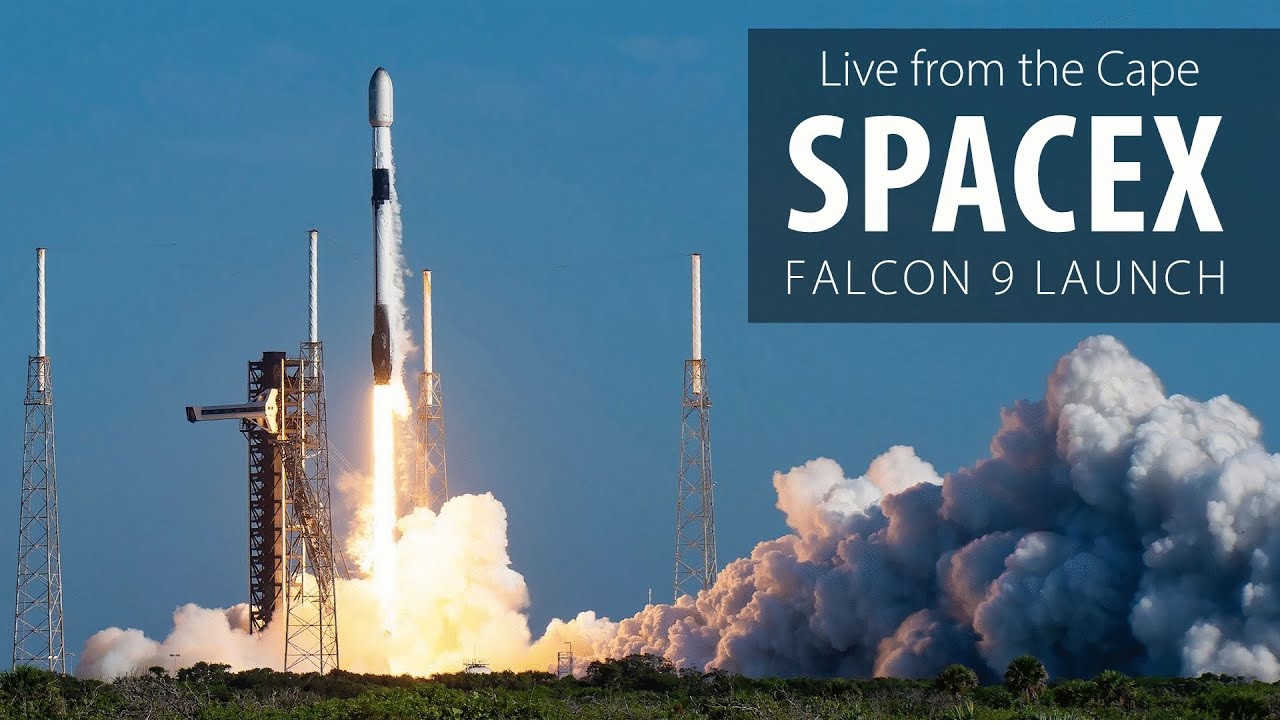
On August 15, SpaceX achieved another milestone by successfully launching two cutting-edge Earth-imaging satellites, WorldView Legion 3 and 4, into orbit. These satellites, part of Maxar’s WorldView Legion constellation, were launched aboard a Falcon 9 rocket from Cape Canaveral Space Force Station in Florida at 9:00 a.m. EDT (1300 GMT). The event marks another step forward in the expansion of high-resolution satellite imaging capabilities, which are critical for various applications, including environmental monitoring, mapping, and intelligence.
WorldView Legion: Enhancing Earth Observation
Maxar’s WorldView Legion constellation represents a significant advancement in Earth observation technology. The two newly launched satellites, WorldView Legion 3 and 4, are designed to capture high-resolution images of the Earth’s surface with remarkable clarity. These images are crucial for industries ranging from agriculture and urban planning to disaster response and national security.
The WorldView Legion satellites are equipped with state-of-the-art imaging sensors that provide unprecedented detail, enabling users to monitor changes on the Earth’s surface in near real-time. This capability is particularly valuable for tracking environmental changes, such as deforestation, glacier retreat, and urban expansion.
Falcon 9’s Successful Launch and Landing: A Testament to SpaceX’s Reliability
The Falcon 9 rocket, which has become a workhorse for SpaceX, once again demonstrated its reliability and efficiency during this launch. The rocket lifted off smoothly from Cape Canaveral Space Force Station, marking yet another successful mission in SpaceX’s rapidly growing portfolio. Approximately eight minutes after liftoff, the first stage of the Falcon 9 made a flawless landing near the launch site, showcasing SpaceX’s expertise in reusability, which is key to reducing the cost of space exploration.
Satellite Deployment: A Critical Step in Expanding the WorldView Legion Constellation
Following the launch, the deployment of the WorldView Legion 3 and 4 satellites was a critical moment in the mission. SpaceX confirmed the deployment of the first satellite roughly 50 minutes after launch, while the second satellite was successfully deployed nearly two hours later. These deployments were crucial to expanding Maxar’s constellation, which will ultimately consist of six WorldView Legion satellites.
Once fully operational, this constellation will significantly enhance global imaging coverage, providing more frequent revisits over key areas of interest. This capability is essential for applications that require timely and accurate data, such as disaster response and infrastructure monitoring.
SpaceX’s Busy Schedule: A Testament to Its Growing Influence in Space
The successful launch of the WorldView Legion 3 and 4 satellites is part of a particularly busy period for SpaceX. In just five days, Elon Musk’s company managed to launch three missions, two of which were dedicated to expanding its Starlink megaconstellation. SpaceX has already conducted nearly 80 missions in 2024 alone, with over 70% of them focused on launching Starlink satellites.
The rapid pace of these launches underscores SpaceX’s growing influence in the space industry, particularly in the areas of satellite deployment and space infrastructure. Starlink, SpaceX’s ambitious project to provide global internet coverage through a network of low-Earth orbit satellites, has been a major driver of this activity. The company’s ability to maintain such a high launch cadence while ensuring mission success highlights its leadership in the commercial space sector.
The Future of Earth Observation and SpaceX’s Role
As SpaceX continues to launch satellites for both its own initiatives and those of other companies like Maxar, the future of Earth observation looks promising. The WorldView Legion satellites, with their high-resolution imaging capabilities, are set to play a pivotal role in providing valuable data for a wide range of applications.
The success of this mission also reaffirms SpaceX’s commitment to advancing space technology and making space more accessible. With its focus on reusability, high launch frequency, and reliable satellite deployment, SpaceX is well-positioned to continue leading the way in the new era of space exploration and commercialization.
Conclusion: SpaceX’s Continued Success in Satellite Launches
The successful launch of the WorldView Legion 3 and 4 satellites on August 15 is yet another testament to SpaceX’s prowess in space exploration. As these satellites join the growing WorldView Legion constellation, they will provide critical data that will benefit industries and governments around the world. With SpaceX’s continued dedication to innovation and excellence, the future of space exploration and Earth observation holds immense potential.
Stay Connected: Join the Space Conversation
For those passionate about space exploration and the latest developments in satellite technology, SpaceX’s ongoing missions offer plenty to discuss. Join our Space Forums to stay updated on the latest missions, night sky observations, and more. If you have any news tips, corrections, or comments, feel free to reach out to us at community@space.com.