The submission of the Justice PC Ghose Commission report on the Kaleshwaram Lift Irrigation Project has sent shockwaves through Telangana’s political establishment, exposing what may be one of India’s largest infrastructure scandals. After a comprehensive 15-month investigation, the 650-page report has held former Chief Minister K Chandrasekhara Rao (KCR) and ex-Irrigation Minister T Harish Rao directly responsible for massive procedural violations, design flaws, and financial irregularities that turned a promising irrigation project into a costly disaster. As someone who has covered infrastructure politics for over a decade, I can confidently say this case represents a watershed moment for accountability in mega-project governance, with implications that extend far beyond Telangana’s borders.
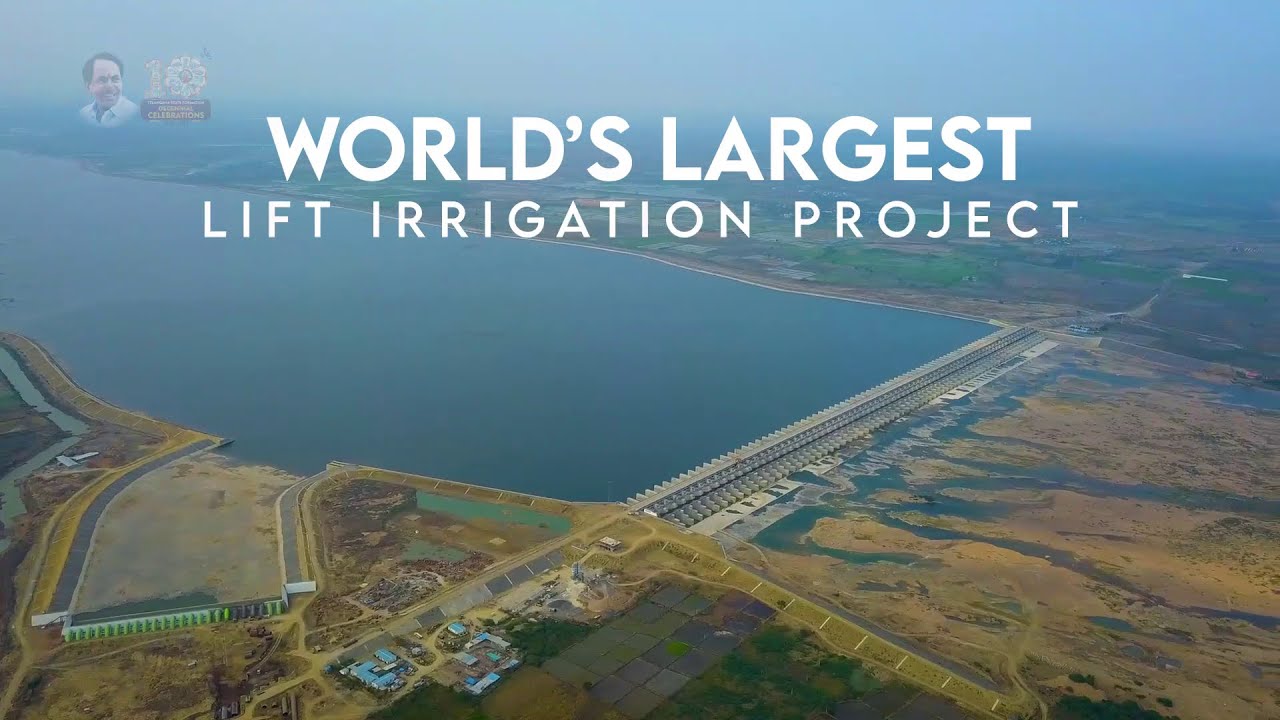
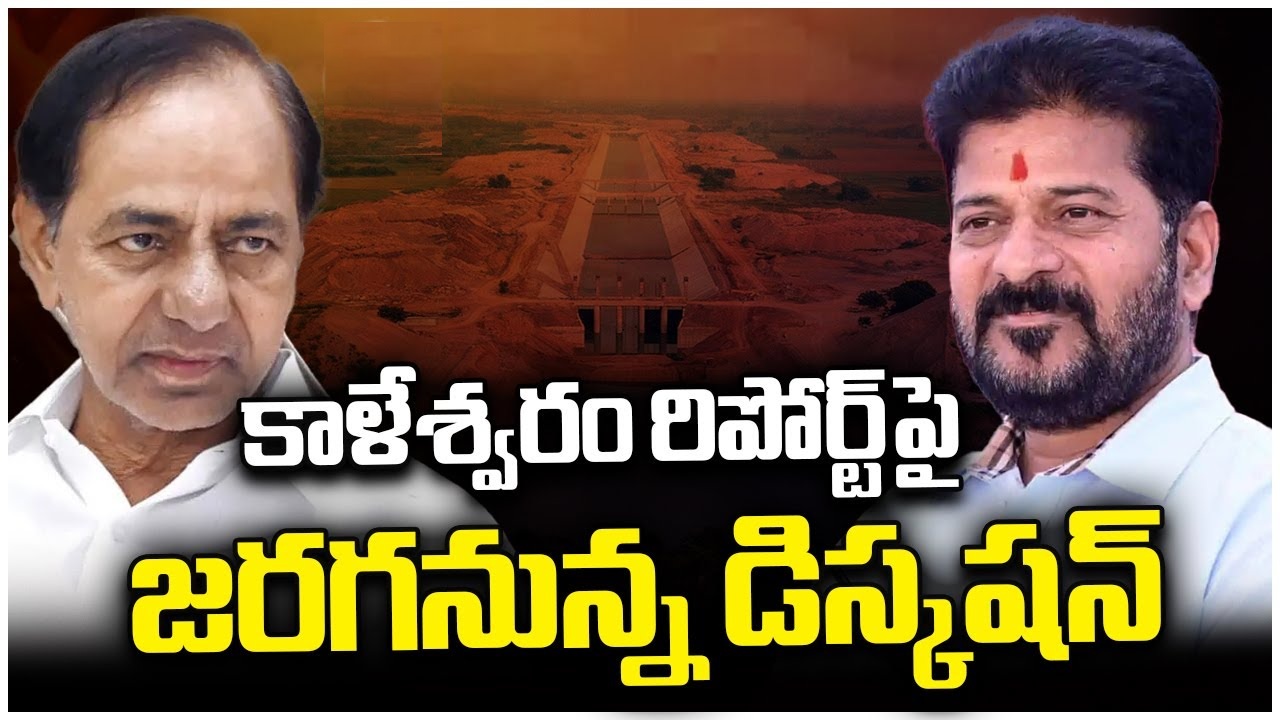
Aerial view of the world’s largest lift irrigation project, highlighting the massive dam and reservoir supporting Telangana’s Kaleshwaram irrigation initiative
The findings are staggering: a project initially estimated at ₹38,000 crores ultimately cost over ₹1.47 lakh crores, while critical expert recommendations were deliberately suppressed, leading to the collapse of the Medigadda barrage in October 2023. This analysis examines the commission’s key findings, the ongoing legal battles, and the broader implications for political accountability in India’s infrastructure sector.
The PC Ghose Commission: Mandate and Methodology
Justice Pinaki Chandra Ghose, a former Supreme Court judge, was appointed on March 14, 2024, to head this crucial inquiry following the dramatic collapse of Medigadda barrage piers in October 2023. The timing wasn’t coincidental – this appointment came just months after the Congress party’s electoral victory, fulfilling a key campaign promise to investigate what they termed the “biggest man-made disaster in independent India”.
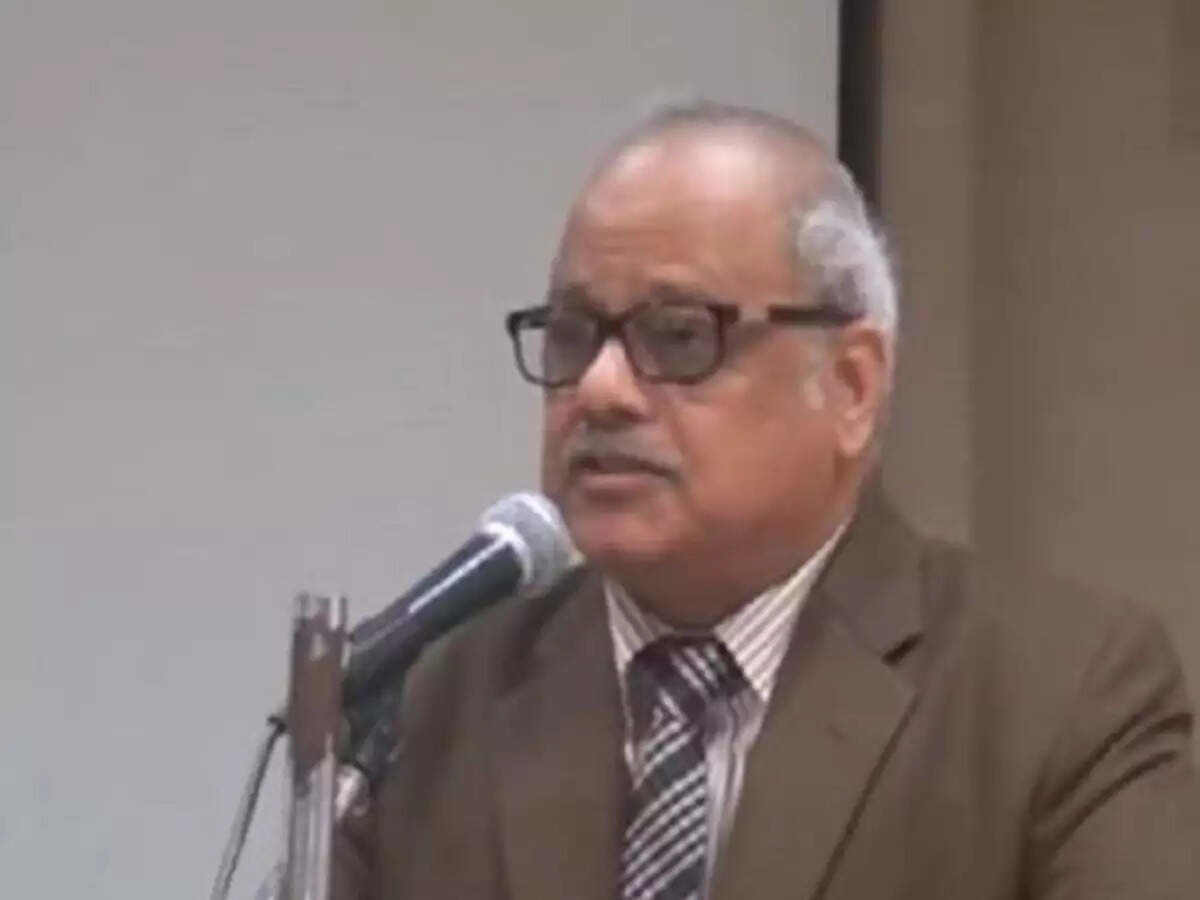
Justice P.C. Ghose, former Supreme Court judge and head of the commission on the Kaleshwaram project, speaking at a formal event
The commission’s mandate was comprehensive, covering alleged irregularities in planning, design, construction, quality control, operation, and maintenance of the Medigadda, Annaram, and Sundilla barrages. Over 15 months, Justice Ghose and his team interviewed more than 115 witnesses, including engineers, retired officials, and political executives associated with the project. The investigation’s scope extended beyond technical failures to examine political interference and suppression of expert advice.
What makes this commission particularly significant is its independence from political influence. Unlike internal government reviews, Justice Ghose operated with judicial authority, compelling testimony from key figures including former Chief Minister KCR, who appeared before the commission on June 11, 2024, for extensive questioning about policy decisions and project redesigns.
Damning Findings: A Project Built on Flawed Foundations
The commission’s findings read like a textbook case of how not to execute a mega infrastructure project. The most shocking revelation involves the deliberate suppression of expert advice. In January 2015, an expert committee explicitly rejected the proposal to construct the Medigadda barrage, citing “prohibitive cost and time consumption”. Rather than heeding this advice, the KCR government intentionally kept the report “in cold storage,” proceeding with construction anyway.

Massive cost overruns in Kaleshwaram project from ₹63,352 crores to projected ₹1,47,427 crores
This chart starkly illustrates how the project costs spiraled completely out of control, rising from the original DPR estimate of ₹63,352 crores to a projected final cost of ₹1,47,427 crores – a staggering 133% increase.theprint+1
The commission identified several critical failures:
Design and Construction Flaws: The National Dam Safety Authority (NDSA) found that the barrage was designed as a floating structure but constructed as a rigid one, fundamentally altering its structural behavior. The use of contiguous secant pile cut-offs, extended to rock formations both upstream and downstream, created unforeseen stress patterns that ultimately led to foundation failure.
Quality Control Breakdown: The investigation revealed that newly recruited, inexperienced Assistant Executive Engineers were posted to critical positions without mandatory training. These officers accepted contractor-proposed execution methods without proper scrutiny, leading to measurement book irregularities and substandard construction practices.
Procedural Violations: Perhaps most damaging was the finding that initial administrative approval for barrage construction was never placed before the Cabinet, violating fundamental government business rules. This decision, the commission found, was KCR and Harish Rao’s “sole and individual decision”.
Government Response: Accepting Accountability
Chief Minister A Revanth Reddy’s government moved swiftly after receiving the commission report on July 31, 2025. The Cabinet formally accepted the findings on August 4, with Irrigation Minister N Uttam Kumar Reddy presenting a detailed PowerPoint presentation to ministers. The government’s response demonstrates a marked contrast to the previous administration’s handling of the crisis.
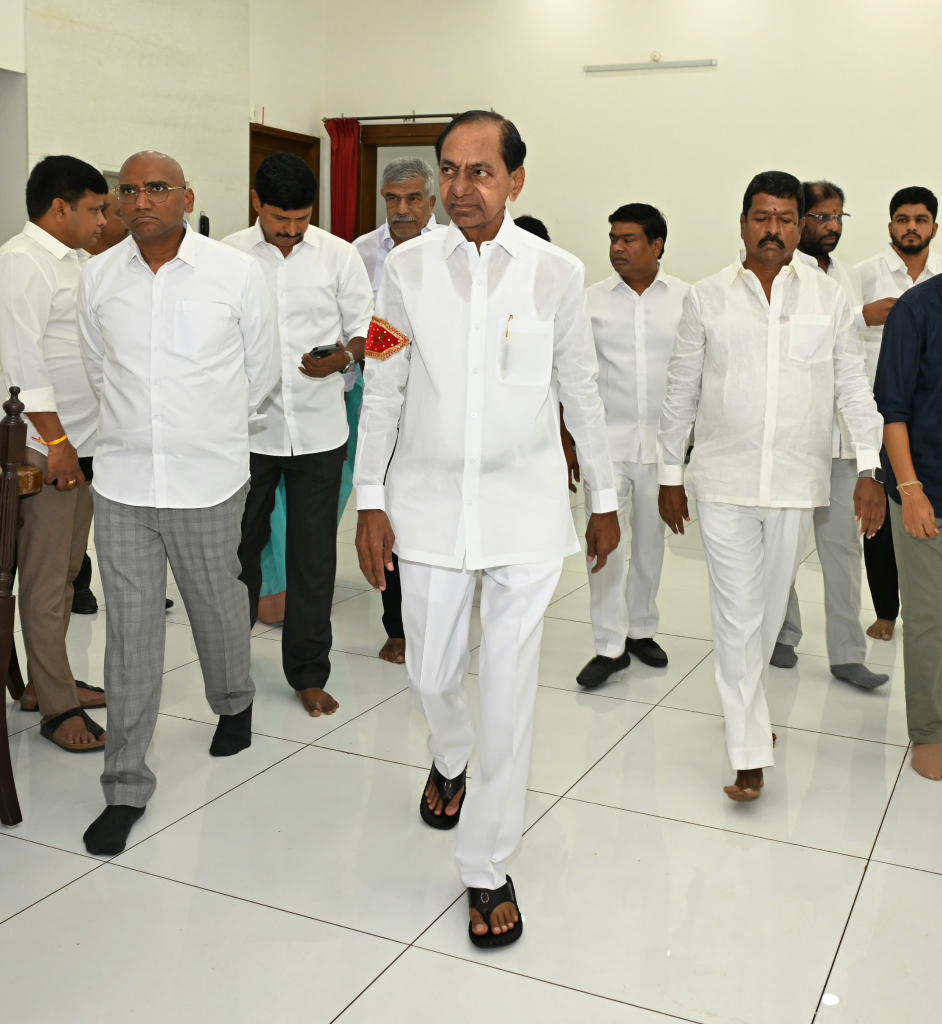
KCR BRS leader, speaking at a public event with emphasis
The current administration has promised “appropriate action” against those found responsible, though specific steps await Assembly discussion. A committee of secretaries was formed to thoroughly study the 650-page report and prepare a comprehensive action plan. This methodical approach suggests the government recognizes the legal complexity of acting on the commission’s recommendations while ensuring due process.
Significantly, the government has committed to transparency in the follow-up process. Unlike the previous administration’s alleged suppression of expert reports, the current government pledged to table the commission findings in the Assembly for public debate. This transparency represents a fundamental shift in governance approach, though critics argue it may be politically motivated given upcoming local body elections.
Legal Battleground: High Court Challenge
The legal dimension of this controversy began intensifying even before the commission submitted its final report. On August 21, 2025, both KCR and Harish Rao filed separate writ petitions in the Telangana High Court, challenging the commission’s legitimacy and seeking to quash its findings.
Their legal strategy focuses on several grounds:
Procedural Violations: The petitioners argue that the commission report was published through press releases without furnishing copies to them first, violating principles of natural justice. They contend this approach was “manifestly arbitrary, illegal, mala fide, biased and premeditated”.
Project Defense: The legal challenge presents the Kaleshwaram project as a “major success” that transformed the “dry and arid region of the Telangana Deccan Plateau into the rice bowl of the nation”. They argue that all mandatory clearances were obtained and that the pier collapse cannot be attributed to design or engineering failures.
Political Vendetta Claims: BRS leaders characterize the entire investigation as political revenge by the Congress government, arguing that the commission was constituted to damage their reputation ahead of local body elections.
The Telangana High Court’s response has been measured. Chief Justice Aparesh Kumar Singh and Justice G.M. Mohiuddin declined to grant interim relief on August 22, though they directed that no government action be taken based on the report until Assembly discussion occurs. The main hearing is scheduled for October, setting up a prolonged legal battle.
Political Fallout: Reputational and Electoral Consequences
The PC Ghose Commission report represents more than just an investigation – it’s a political earthquake that could reshape Telangana’s electoral landscape. For KCR and the BRS party, the findings strike at the heart of their governance legacy. The Kaleshwaram project was repeatedly projected as KCR’s signature achievement, the “lifeline of Telangana” that would solve the state’s chronic water shortage problems.
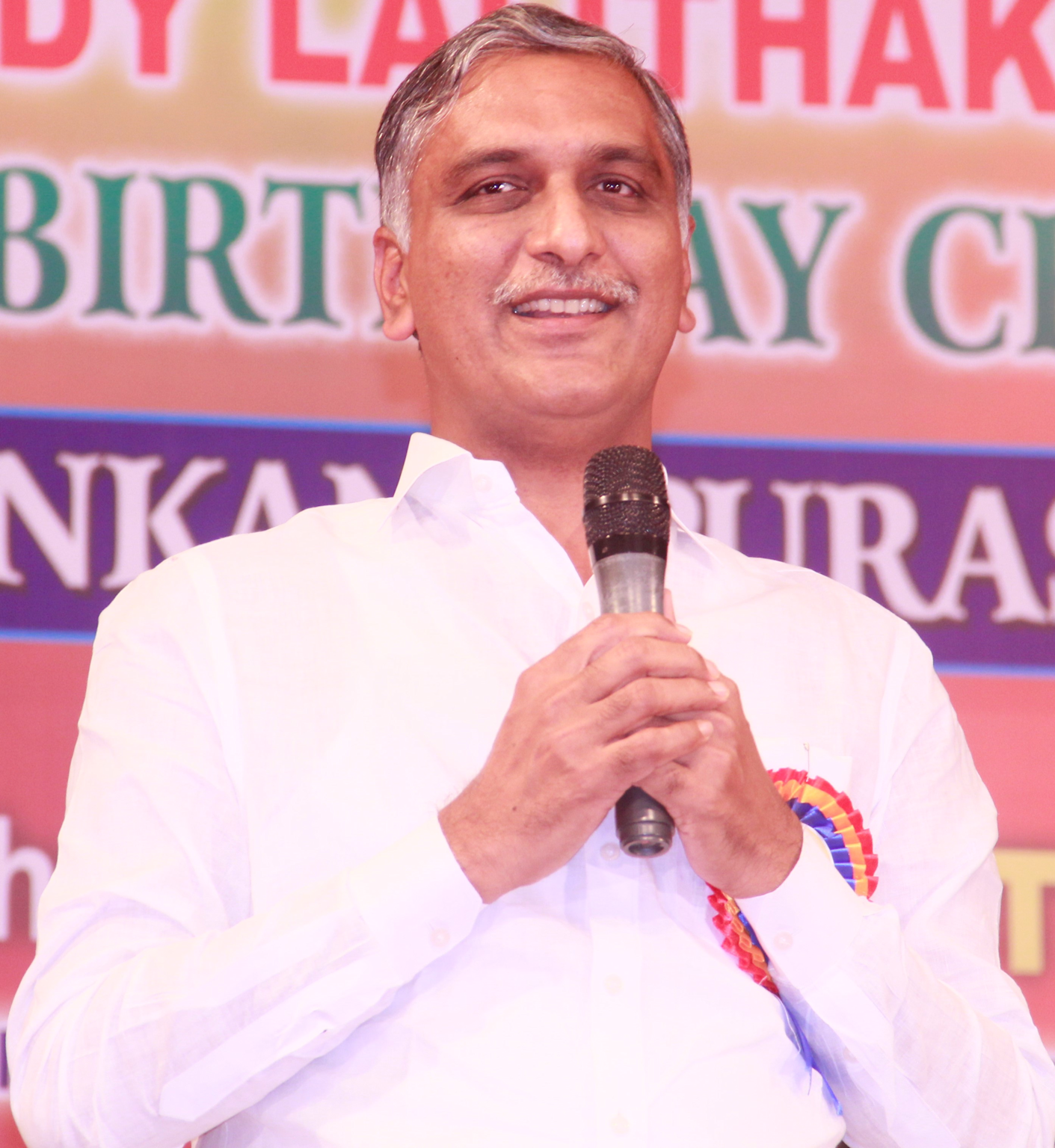
T. Harish Rao speaking at an event, symbolizing his active role in Telangana politics and the Kaleshwaram project discussions
The political implications extend beyond individual reputations:
BRS Party Crisis: The commission’s findings undermine the BRS party’s core narrative of transformative governance. With both KCR and his political heir apparent Harish Rao directly implicated, the party faces questions about leadership credibility ahead of crucial local body elections.
Congress Advantage: The ruling Congress party has gained significant political ammunition, potentially strengthening their position in upcoming elections. However, they must balance political advantage with the responsibility of ensuring justice and preventing similar failures in future projects.
Governance Precedent: The case establishes important precedents for political accountability in infrastructure projects. The willingness of the current government to investigate its predecessor’s actions, combined with judicial oversight, signals a maturing democratic process.
The Assembly debate scheduled for August 31, 2025, promises to be a political spectacle. The BRS has demanded permission to make a PowerPoint presentation defending their actions, though the government has refused, citing lack of precedent. This standoff reflects the high stakes involved for all parties.
Broader Implications: Lessons for Infrastructure Governance
Having analyzed numerous infrastructure controversies across India, the Kaleshwaram case offers critical lessons for future project governance. The scale of irregularities identified by the PC Ghose Commission highlights systemic weaknesses in how mega-projects are planned, approved, and executed.
Independent Oversight Necessity: The case demonstrates the vital importance of independent technical oversight throughout project lifecycles. The suppression of expert committee recommendations in 2015 could have been prevented with stronger institutional safeguards requiring public disclosure of technical assessments.
Political Interference Risks: The commission’s findings illustrate how political priorities can override technical expertise, leading to disastrous outcomes. The decision to proceed with construction despite expert objections represents a classic case of political hubris trumping engineering wisdom.
Financial Transparency: The massive cost overruns – from ₹38,000 crores to over ₹1.47 lakh crores – highlight the need for real-time financial monitoring and public disclosure mechanisms. The extensive use of off-budget borrowings through the Kaleshwaram Irrigation Project Corporation Limited effectively hid the true financial impact from public scrutiny.theprint+1
Contractor Accountability: The investigation revealed serious concerns about contractor performance, with L&T-PES JV implicated in faulty secant pile execution that contributed to structural failures. The case underscores the need for stronger contractor accountability mechanisms and more rigorous quality control processes.
Timeline of Key Events
| Date | Event | Category | Description | Year |
|---|---|---|---|---|
| 2014-06-02 | Telangana State Formation | Political | Telangana becomes a separate state, KCR becomes first CM | 2014 |
| 2015-01-21 | Expert Committee Rejection | Technical | Expert committee rejects Medigadda barrage proposal citing prohibitive cost and time | 2015 |
| 2016-06-27 | Kaleshwaram Project Launch | Project | KCR announces Kaleshwaram Lift Irrigation Project as lifeline of Telangana | 2016 |
| 2018-06-01 | DPR Approval | Administrative | Central Water Commission approves DPR at ₹81,911 crores | 2018 |
| 2019-06-21 | Medigadda Barrage Inauguration | Project | KCR inaugurates Medigadda barrage, L&T responsible for 5-year maintenance | 2019 |
| 2022-07-01 | Floods Test Barrage | Technical | Barrage handles 28.7 lakh cusecs flood, exceeding design capacity of 28.25 lakh cusecs | 2022 |
| 2023-10-21 | Medigadda Barrage Collapse | Crisis | Piers 19 and 20 of Block 7 sink after explosion-like sounds at 6:10 PM | 2023 |
| 2023-10-25 | NDSA Investigation Begins | Investigation | National Dam Safety Authority team inspects damaged barrage | 2023 |
| 2023-12-07 | Congress Wins Elections | Political | Congress defeats BRS in state elections, Revanth Reddy becomes CM | 2023 |
| 2024-01-15 | Vigilance Probe Ordered | Investigation | Congress government orders Vigilance Department investigation | 2024 |
| 2024-02-14 | CAG Report Released | Audit | CAG report reveals cost escalation to ₹1.47 lakh crores, project economically unviable | 2024 |
| 2024-03-14 | PC Ghose Commission Formed | Investigation | Justice PC Ghose appointed to head judicial inquiry into Kaleshwaram irregularities | 2024 |
| 2024-05-01 | Vigilance Report Submitted | Investigation | Vigilance Commission recommends action against 57 engineers | 2024 |
| 2024-06-11 | KCR Appears Before Commission | Legal | Former CM KCR questioned by PC Ghose Commission for 8 hours | 2024 |
| 2025-07-31 | PC Ghose Report Submitted | Investigation | 650-page report submitted holding KCR and Harish Rao responsible | 2025 |
| 2025-08-04 | Cabinet Accepts Report | Political | Telangana Cabinet formally accepts PC Ghose Commission findings | 2025 |
This comprehensive timeline helps understand how a promising infrastructure project transformed into a major controversy, highlighting the crucial decision points where different choices might have prevented the current crisis.
The Path Forward: Justice, Reforms, and Recovery
As this controversy continues to unfold, several critical questions remain unanswered. The PC Ghose Commission report represents just the beginning of what could be a lengthy accountability process. The government has promised action based on Assembly discussion, but the specific nature of that action – whether criminal prosecutions, administrative sanctions, or civil recovery proceedings – remains unclear.
The legal challenges filed by KCR and Harish Rao add another layer of complexity, potentially delaying any concrete action for months or years. However, the High Court’s refusal to grant interim relief suggests the judiciary recognizes the public importance of allowing the accountability process to proceed
Beyond individual accountability, the case presents an opportunity for systemic reforms. The current government could implement stronger oversight mechanisms, mandatory expert consultation requirements, and enhanced financial transparency standards for future infrastructure projects. Such reforms would honor the lessons learned from this expensive failure.
The ultimate question is whether this case will serve as a catalyst for better governance or simply another chapter in India’s long history of infrastructure controversies. The answer will depend on the political will to implement meaningful reforms and the public’s commitment to demanding accountability from their elected representatives.
Conclusion: A Watershed Moment for Democratic Accountability
The PC Ghose Commission report on the Kaleshwaram project represents far more than an investigation into a failed infrastructure project – it’s a test of democratic accountability in modern India. The commission’s findings of deliberate expert advice suppression, massive cost overruns, and systemic procedural violations expose the dangers of unchecked political power in complex infrastructure development.
For citizens and policymakers alike, this case offers crucial lessons about the importance of institutional oversight, technical expertise, and financial transparency in public projects. The willingness of the current Telangana government to investigate its predecessor’s actions, despite potential political costs, suggests a maturing democratic process where accountability transcends party lines.
As we await the Assembly debate and court proceedings, one thing is clear: the Kaleshwaram controversy will likely reshape how future infrastructure projects are planned, executed, and monitored across India. Whether this leads to genuine reforms or remains another expensive lesson depends on our collective commitment to learning from these failures.
Stay informed about this developing story by following the upcoming Assembly debates and High Court proceedings. The fight for accountability in infrastructure governance is far from over, and your attention to these issues helps ensure that such massive failures are not repeated in the future.
Frequently Asked Questions
1. What is the PC Ghose Commission report on Kaleshwaram project?
The PC Ghose Commission report is a comprehensive 650-page investigation conducted by former Supreme Court Justice Pinaki Chandra Ghose into alleged irregularities in the Kaleshwaram Lift Irrigation Project. Submitted in July 2025 after a 15-month investigation, the report holds former Chief Minister K Chandrasekhara Rao and ex-Irrigation Minister T Harish Rao directly responsible for massive procedural violations, design flaws, and financial irregularities that led to cost overruns from ₹38,000 crores to over ₹1.47 lakh crores.
2. Why did KCR and Harish Rao approach the High Court?
KCR and Harish Rao filed separate writ petitions in the Telangana High Court challenging the PC Ghose Commission’s findings and seeking to prevent government action based on the report. They argue that the commission violated principles of natural justice by publishing findings without providing them copies first, and they characterize the investigation as politically motivated vendetta by the Congress government. They also maintain that the Kaleshwaram project was successful and that the barrage collapse cannot be attributed to design or engineering failures.
3. What are the key irregularities highlighted in the Kaleshwaram project?
The PC Ghose Commission identified multiple serious irregularities: deliberate suppression of expert committee advice that rejected the Medigadda barrage proposal in 2015; violation of government business rules by not placing initial administrative approval before the Cabinet; massive cost escalations from ₹63,352 crores to ₹1,47,427 crores; design flaws where the barrage was designed as floating but constructed as rigid structure; deployment of inexperienced engineers without proper training; and quality control failures that led to the collapse of Medigadda barrage piers in October 2023.