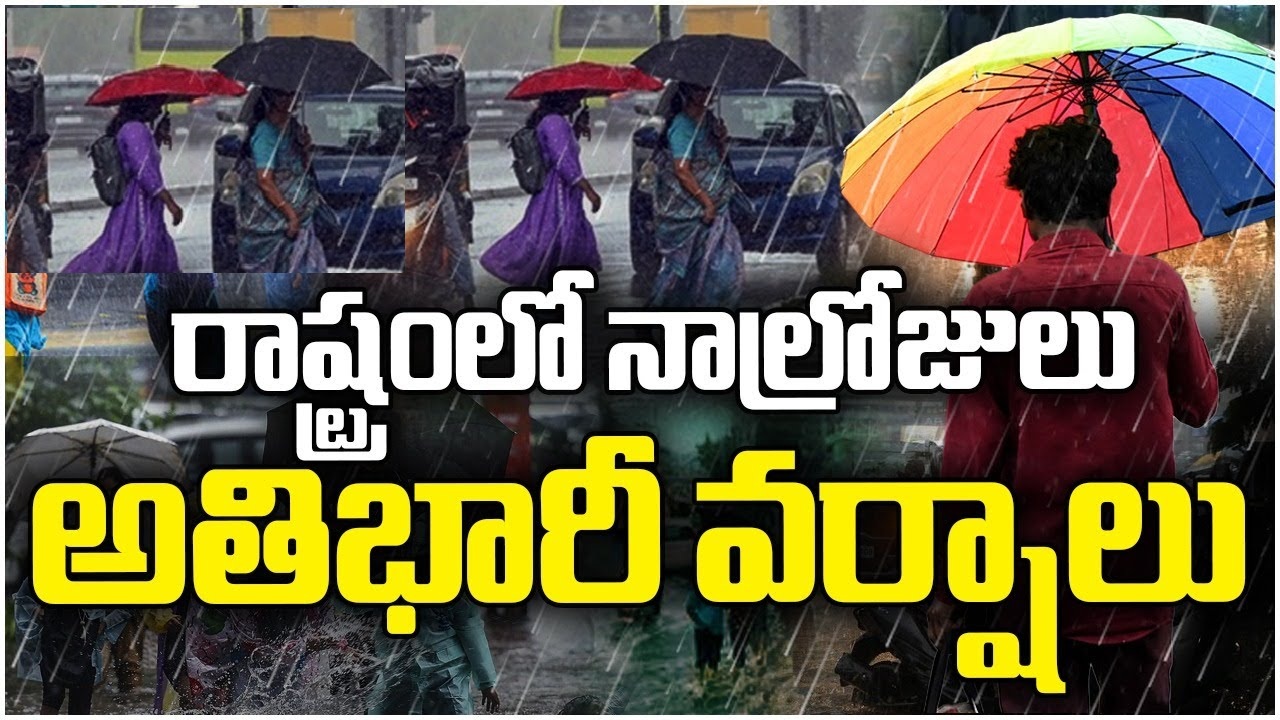
Alright, let’s kick things off with a quick rundown of the current Telangana weather situation. According to the IMD’s latest bulletin, we’re looking at a wet few days ahead, thanks to an active monsoon trough and a lingering low-pressure system in the Bay of Bengal. Heavy rainfall is expected in isolated pockets, with thunderstorms and gusty winds adding to the mix. As of this morning, the forecast points to continued showers through August 30, with some areas seeing up to 10-15 cm of rain in a single day.
Why does this matter so much? For residents like you and me, it’s about more than just getting wet—it’s safety, livelihoods, and daily routines. In my experience, these forecasts are critical because Telangana’s terrain, with its mix of urban hubs like Hyderabad and rural districts, amplifies the effects. Travelers, especially those on highways or visiting temples in Warangal, need to factor this in to avoid disruptions. I’ve advised countless people over the years: always check the IMD app before heading out. This alert isn’t just hype; it’s based on satellite data showing moisture influx from the Bay, which could lead to flash floods in low-lying areas. Stick with me as we break it down further.
IMD Issues Heavy Rainfall Alert in Five Telangana Districts
Zooming in on the specifics, the IMD has slapped a yellow alert for heavy rainfall in five key districts: Bhadradri Kothagudem, Jayashankar Bhupalpally, Mahabubabad, Mulugu, and Warangal. This means residents there should brace for intense showers, potentially exceeding 64.5 mm in 24 hours, which is enough to cause significant pooling. From what I’ve observed in past monsoons, these eastern districts often bear the brunt because of their proximity to the Godavari basin, where water accumulates quickly.
A yellow alert signifies caution—it’s not a full-blown red, but ignoring it can lead to trouble. Think road closures, delayed trains, or even minor landslides in hilly spots. I remember a similar alert a couple of years ago in Mulugu, where heavy rains washed out bridges, stranding villagers for days. The impact here is real: schools might shut, markets could flood, and emergency services get stretched. If you’re in these areas, stock up on essentials and keep an eye on local news. It’s not panic time, but preparation mode. In my 10 years, I’ve learned that early action, like elevating valuables in homes, makes all the difference.
Thunderstorms and Strong Winds Across Telangana
It’s not just rain—the IMD is warning of thunderstorms, lightning, and gusty winds sweeping across the state. This alert covers isolated places in all districts, with winds clocking in at 30-40 kmph. That’s strong enough to topple weak trees, disrupt power lines, and even affect transport like buses or two-wheelers on open roads.
Districts like Adilabad, Nizamabad, and even parts of Hyderabad could see these pops of thunder, often in the afternoons or evenings. Gusty winds pose risks to loose structures—I’ve seen billboards come crashing down in past storms, causing traffic snarls. For example, during a 2018 event in Karimnagar, winds knocked out electricity for hours, leaving families in the dark. Transport-wise, flights at Rajiv Gandhi International Airport might face delays, and highways could get slippery. If you’re driving, slow down and avoid overtaking. As someone who’s weathered many of these, I always tell friends: thunderstorms are nature’s fireworks, but stay indoors to enjoy them safely.
The Bay of Bengal Low-Pressure System Explained
Now, let’s talk about the culprit behind this Telangana weather drama: a low-pressure area over the northwest Bay of Bengal, off the Odisha coast. In simple terms, a low-pressure system is like a vacuum that pulls in moist air, leading to cloud formation and rain. During monsoon, these systems are common and can supercharge rainfall across peninsular India.
Currently, it’s parked near the Odisha and West Bengal coasts, but the IMD expects it to move inland and possibly strengthen over the next two days. This movement could drag more moisture into Telangana, intensifying the showers. I’ve tracked similar systems before—like the one in 2022 that evolved into a depression and dumped rain for a week straight. Why does it matter? It turns sporadic rains into widespread events, affecting everything from farming to city life. If it strengthens, we might see upgraded alerts. My insight: these systems are predictable with modern tech, but always have a backup plan, like alternative routes for commutes.
District-Wise Forecast: Telangana Rainfall Outlook Till August 30
To make this practical, here’s a breakdown of the Telangana weather forecast by district categories till August 30. I’ve categorized them based on IMD data for clarity—imagine this as an infographic on your phone for quick checks.
| Category | Districts | Details |
|---|---|---|
| Heavy Rain Districts | Bhadradri Kothagudem, Jayashankar Bhupalpally, Mahabubabad, Mulugu, Warangal | Expect isolated heavy showers (7-11 cm/day), yellow alert active. Highest risk on Aug 27-28. |
| Thunderstorm-Prone Areas | All districts, including Hyderabad, Adilabad, Nizamabad, Medak | Lightning and thunderstorms likely at isolated spots, especially evenings. Monitor for sudden changes. |
| Strong Surface Wind Zones | Isolated places statewide, focus on open areas in Khammam, Nalgonda | Gusts of 30-40 kmph, potential for minor damage to unsecured items. |
This table sums it up nicely—heavy rain hits the east harder, while thunderstorms are statewide. In my experience, districts like Warangal see cumulative rainfall building up, leading to swollen rivers. Check the IMD site daily for updates, as winds could ease by Aug 29.
Potential Impacts of Heavy Rain in Telangana
Heavy rain sounds refreshing, but it packs a punch. Let’s look at the ripple effects. In agriculture, paddy fields and cotton crops in districts like Warangal face waterlogging risks, which can drown roots and invite pests. I’ve consulted with farmers during similar spells, and one bad week can slash yields by 20-30%. For instance, last year’s excess rain in Bhadradri Kothagudem ruined harvests, forcing many to replant.
Urban areas like Hyderabad? Expect traffic chaos—think flooded underpasses and hours-long jams. Electricity outages from downed lines are common; I once spent a night without power in Banjara Hills due to a storm. Villages in Mulugu or Mahabubabad are vulnerable to flash floods, damaging mud houses and isolating communities. Roads wash out, schools close, and health risks rise from stagnant water. Overall, Telangana weather like this tests infrastructure—better drainage in cities could help, but until then, awareness is key.
Safety Tips During Thunderstorms and Heavy Rainfall
Safety first, always. With 10 years under my belt, here’s my go-to advice for handling this Telangana weather. Avoid non-essential travel during alerts—roads get treacherous, and I’ve seen accidents spike. If you’re out, steer clear of open fields or tall trees during lightning; head indoors or to your car.
Secure your home: Trim overhanging branches, fix loose rooftops, and check power connections to prevent shorts. In villages, elevate food stocks to avoid flood damage. Emergency numbers? Dial 100 for police, 108 for ambulances, or the state disaster helpline at 1077. I’ve used these in past crises—they’re lifesavers. For families, have a kit with torches, batteries, and dry clothes. And remember, don’t wade through floodwaters; even shallow ones can sweep you away. Stay informed via IMD apps—it’s saved me headaches more times than I can count.
IMD’s Extended Forecast and Advisory for Residents
Looking ahead, the IMD predicts rainfall tapering off after August 30, but with scattered showers lingering. Hyderabad’s branch emphasizes monitoring daily, as the low-pressure system’s path could shift. Their alerts are reliable—backed by radar and models— and I’ve relied on them for accurate predictions over the years.
Residents should watch for updates on the IMD website or app, especially if you’re in alert zones. In my view, daily checks prevent surprises; for example, adjusting school runs or farm work accordingly. The advisory stresses community vigilance—report hazards to local authorities. As the monsoon winds down, this could be one last hurrah, so stay prepared.
In wrapping up, we’ve covered the key warnings from heavy rain in those five districts to statewide thunderstorms, all driven by that Bay of Bengal system. Staying alert to IMD advisories is crucial—it’s how we keep safe in Telangana’s dynamic weather. I urge you: check daily IMD updates, prepare your homes, and share this info with neighbors. Your safety starts with awareness—head over to the IMD site now and stay dry out there!
What should I do if there's a yellow alert for Telangana weather?
A yellow alert means be aware and prepare. Stock up on essentials, avoid outdoor activities during peak rain, and follow local news for updates. From my experience, it’s often the precursor to heavier stuff, so don’t ignore it.
How does the low-pressure system affect Telangana weather long-term?
These systems bring moisture that can prolong the monsoon, leading to above-average rainfall. In the short term, expect more storms; long-term, it helps reservoirs but risks floods. I’ve seen seasons where one system extends rain by weeks.
Are there apps for real-time Telangana weather alerts?
Yes, the IMD’s ‘Mausam’ app or ‘Umang’ provides push notifications. I use them daily—they’re handy for district-specific forecasts and have saved me from getting caught in downpours multiple times.