
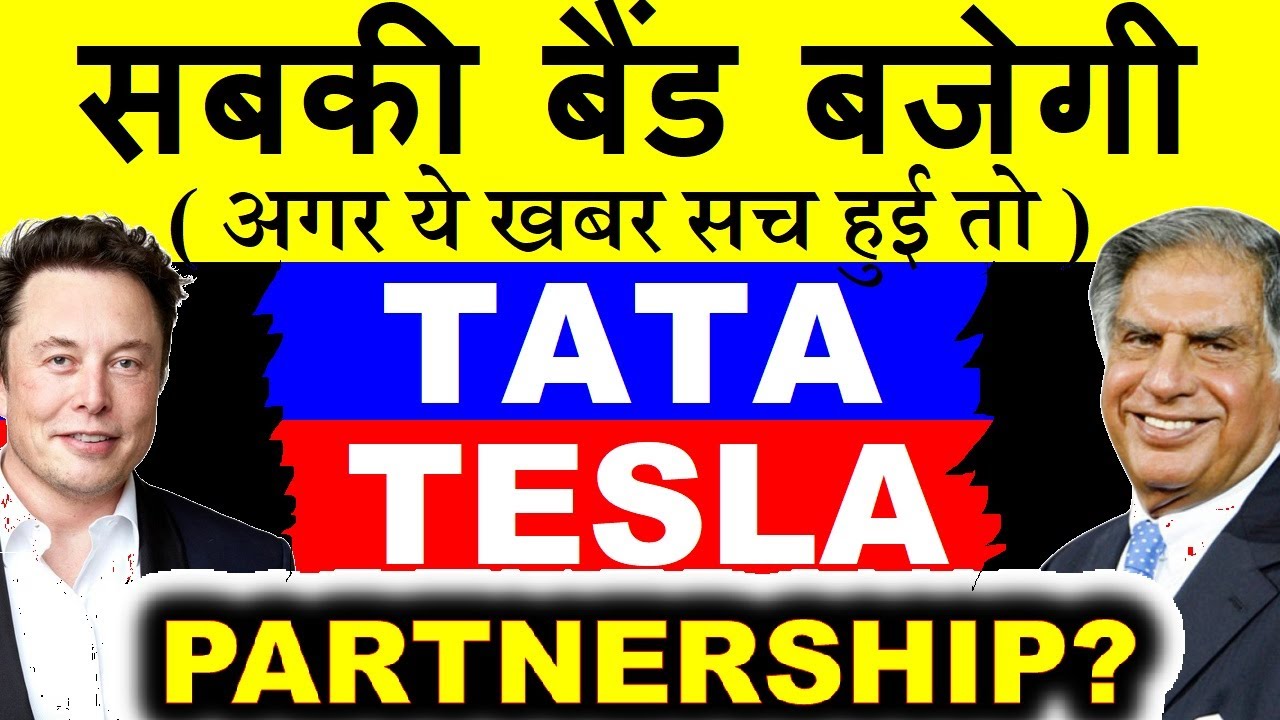
Introduction: The Buzz Around Tata Motors and Tesla Collaboration
Rumors of a potential partnership between Tata Motors and Tesla have reignited excitement in India’s automotive sector. As the world shifts toward sustainable mobility, whispers about Elon Musk’s Tesla entering the Indian market through a strategic alliance with Tata Motors—led by industry titan Ratan Tata—are making headlines. This article dives deep into the speculation, historical context, and implications of this groundbreaking collaboration for India’s EV future.
India’s Electric Vehicle Boom: Why Tesla Needs Tata Motors
India’s EV market is projected to grow at a CAGR of 49% between 2022 and 2030, driven by government incentives, rising fuel costs, and environmental awareness. Tata Motors dominates this space with a 72% market share in FY2023, thanks to early investments in models like the Nexon EV and Tigor EV. For Tesla, partnering with Tata offers:
- Local Manufacturing Expertise: Tata’s established infrastructure reduces production costs.
- Supply Chain Access: Leveraging Tata’s vendor networks for batteries and components.
- Policy Navigation: Tata’s experience with Indian regulations and state-level EV policies.
From 2021 to 2024: A History of Tesla-Tata Partnership Rumors
The speculation isn’t new. In January 2021, Elon Musk tweeted, “Tesla India launch definite in 2021,” sparking rumors of a Tata Motors tie-up. However, Tata clarified no official talks were underway. Fast-forward to 2024, renewed reports suggest:
- Joint Manufacturing Plants: Maharashtra, Gujarat, and Karnataka compete to host Tesla’s factory.
- Shared R&D Initiatives: Collaboration on affordable EV tech tailored for Indian consumers.
- Coopetition Dynamics: Combining Tesla’s premium branding with Tata’s mass-market reach.
Elon Musk’s India Strategy: Why Partner with Tata?
Tesla faces hurdles like high import duties (up to 100%) and charging infrastructure gaps in India. Partnering with Tata Motors provides:
- Cost-Effective Production: Tata’s Pune and Sanand plants could manufacture Tesla’s $25,000 “Model 2.”
- Battery Localization: Tata’s Tata AutoComp supplies lithium-ion batteries, aligning with India’s PLI scheme.
- Market Penetration: Tata’s dealership network spans 1,500+ touchpoints nationwide.
Ratan Tata’s Vision vs. Elon Musk’s Ambition: A Synergy of Goals
Ratan Tata’s legacy of innovation (e.g., Tata Nano’s frugal engineering) complements Musk’s disruptive vision. Key synergies include:
- Sustainability Missions: Both aim to decarbonize transportation.
- Tech Sharing: Tata’s EV knowledge and Tesla’s Autopilot/AI capabilities.
- Export Potential: Using India as a hub for affordable EV exports to ASEAN and Africa.
Challenges: Can Tata-Tesla Overcome Market Realities?
While promising, the partnership faces hurdles:
- Price Sensitivity: Tesla’s premium pricing vs. Tata’s budget-friendly EVs.
- Competition: Mahindra, MG, and BYD are scaling rapidly in India.
- Policy Delays: State-level bureaucracy and inconsistent EV subsidies.
The Ripple Effect: How This Partnership Could Reshape India’s Auto Industry
A Tata-Tesla alliance could:
- Boost Local Manufacturing: Create 50,000+ jobs in EV hubs.
- Accelerate Charging Infrastructure: Tata Power’s 3,000+ charging stations paired with Tesla’s Superchargers.
- Set New Standards: Elevate safety, tech, and sustainability benchmarks.
Expert Predictions: What’s Next for Tata Motors and Tesla?
Industry analysts highlight:
- 2025 Timeline: Tesla’s potential India debut with a localized Model 3.
- Stock Market Impact: Tata Motors’ shares surged 8% on partnership rumors.
- Global Implications: A blueprint for Western-Eastern automotive collaborations.
Conclusion: The Road Ahead for India’s EV Revolution
As Tata Motors and Tesla explore synergies, India stands at the cusp of an electric mobility revolution. While challenges persist, the collaboration could redefine affordability, innovation, and sustainability in the auto sector. Stay tuned as this high-stakes partnership unfolds—it might just be the catalyst India needs to become a global EV powerhouse.