How to Protect Yourself from Cancer: Understanding the Disease and Prevention Strategies
Cancer is one of the most dreaded diseases affecting humans, with an increasing number of cases around the globe. The complexity of cancer makes it a difficult topic to understand, but it is crucial for anyone seeking to reduce their risk of developing it. Although many believe cancer is primarily caused by unhealthy habits such as smoking and alcohol consumption, even individuals who abstain from these behaviors can fall victim to this deadly disease. In this article, we will delve deep into understanding cancer, its causes, and effective strategies for prevention.
What is Cancer?
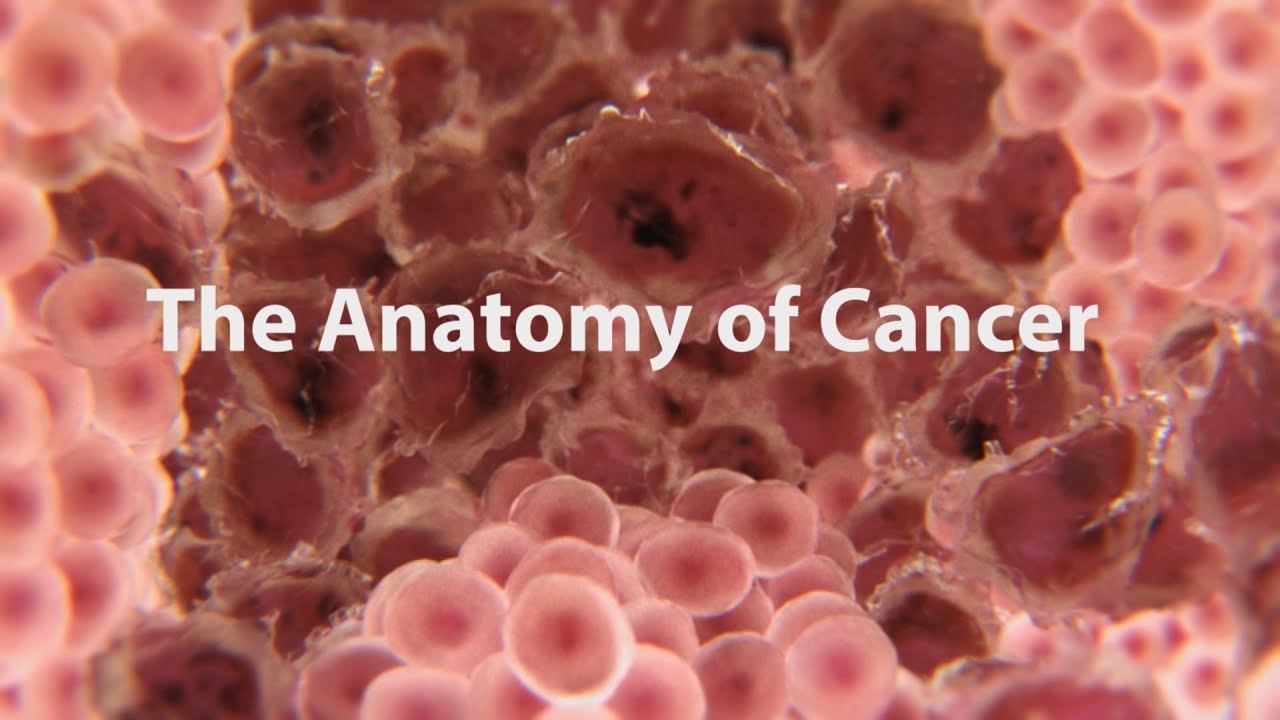
At its core, cancer occurs when cells in the body begin to grow uncontrollably. Under normal circumstances, our body’s cells follow an orderly process of growth, division, and death. However, when this process is disrupted—often due to genetic mutations—cells can grow uncontrollably, leading to the formation of tumors. These tumors can be benign (non-cancerous) or malignant (cancerous).
Cancerous tumors have the ability to invade nearby tissues and spread to other parts of the body, a process known as metastasis. There are over 200 different types of cancer, each named based on the part of the body where it starts, such as lung cancer, breast cancer, liver cancer, and so on.
Common Causes of Cancer
While the exact cause of cancer remains complex, several risk factors have been identified:
- Smoking: Tobacco use is the leading cause of lung cancer and is responsible for increasing the risk of at least 16 other types of cancers, including mouth, throat, and pancreatic cancer.
- Alcohol Consumption: Excessive drinking raises the risk of developing cancers like liver cancer, breast cancer, and esophageal cancer.
- Genetic Factors: Some cancers, like breast and ovarian cancer, are associated with inherited genetic mutations. People with a family history of cancer are at higher risk.
- Environmental Factors: Exposure to certain chemicals, radiation, and pollutants can also increase the likelihood of developing cancer.
- Diet and Lifestyle: A diet high in processed foods, red meats, and low in fruits and vegetables can contribute to an increased risk of cancer. Similarly, a sedentary lifestyle and obesity have been linked to several forms of cancer.
How to Prevent Cancer
According to research, nearly 42% of all cancer cases are preventable by making lifestyle changes. Here are five key strategies to reduce your risk of cancer:
1. Avoid Tobacco and Limit Alcohol Consumption
Smoking is the number one cause of preventable cancer deaths globally. If you’re a smoker, quitting now significantly lowers your cancer risk. Similarly, reducing alcohol intake, especially avoiding binge drinking, can lower your chances of developing several types of cancer.
2. Maintain a Healthy Diet
Eating a balanced diet rich in fruits, vegetables, whole grains, and lean proteins can bolster your body’s natural defenses. Consuming foods high in antioxidants, such as berries, leafy greens, and nuts, can help neutralize free radicals, which can damage cells and lead to cancer.
3. Exercise Regularly and Maintain a Healthy Weight
Obesity is a well-known risk factor for several types of cancer, including breast, colorectal, and kidney cancer. Incorporating regular exercise into your routine, such as walking, jogging, or strength training, can help maintain a healthy weight and reduce your cancer risk.
4. Protect Yourself from UV Radiation
Exposure to harmful ultraviolet (UV) rays from the sun can lead to skin cancer. Protect your skin by wearing sunscreen with a high SPF, seeking shade, and wearing protective clothing when outdoors. Avoid indoor tanning, as it significantly increases the risk of melanoma, the deadliest form of skin cancer.
5. Get Regular Medical Checkups and Screenings
Early detection is crucial in the fight against cancer. Regular screenings such as mammograms, colonoscopies, and skin checks can detect cancer in its early stages when it’s most treatable. Genetic testing can also be helpful for individuals with a family history of cancer to identify specific risks.
The Role of Stem Cells in Cancer Treatment
Recent advancements in medical research have highlighted the importance of stem cells in cancer treatment. Stem cells are special cells that can transform into different types of cells in the body and have the ability to repair damaged tissue. This regenerative capacity makes them invaluable in treating cancers and blood disorders, such as leukemia.
In the case of blood cancer, for instance, stem cell transplants (also known as bone marrow transplants) are often used to restore healthy blood cells after chemotherapy or radiation therapy. Chemotherapy, while effective at killing cancer cells, also damages healthy, fast-growing cells like those in the bone marrow, intestines, and hair follicles, leading to side effects such as anemia, nausea, and hair loss. Stem cell transplants can help regenerate these damaged tissues and restore normal function to the body.
Understanding the Science Behind Cell Regeneration
Our body constantly regenerates cells to maintain health. Every day, approximately 330 billion cells in our body die and are replaced by new ones. This continuous cycle is essential for the body’s natural healing processes. Some cells, like those in the skin, regenerate quickly, with the entire skin surface being renewed every four weeks. Red blood cells also regenerate rapidly, with the body producing 2-3 million new red blood cells every second.
However, the rate of regeneration varies between different types of cells. For instance, brain cells (neurons) regenerate very slowly, with most of them being formed before birth. This is why diseases or injuries affecting the brain or spinal cord can be particularly devastating, as the body has a limited ability to repair these tissues.
Cancer and Cell Mutation
Cancer is closely linked to mutations in the DNA of cells. DNA acts as a blueprint for cell function, and any errors in this genetic code can cause cells to grow uncontrollably, leading to cancer. While the body has mechanisms to repair or destroy damaged cells, these systems can fail if the genes responsible for them are also damaged.
For example, the p53 gene acts as a “security guard” for cells, preventing damaged cells from dividing and multiplying. If the p53 gene itself becomes damaged, the cell’s ability to control its growth is lost, leading to the development of cancerous cells. Once these cells start spreading to other parts of the body, it becomes more challenging to control, making early detection and treatment critical.
Conclusion: The Fight Against Cancer
Cancer remains one of the most significant health challenges of the 21st century, but with ongoing research, advances in treatment, and increased awareness of prevention strategies, we are making progress. By adopting healthier lifestyle choices, staying informed about the risk factors, and undergoing regular screenings, individuals can take proactive steps to reduce their cancer risk.
While cancer treatment is evolving, including promising advances in stem cell therapy and immunotherapy, prevention remains the most powerful weapon in the fight against this deadly disease.