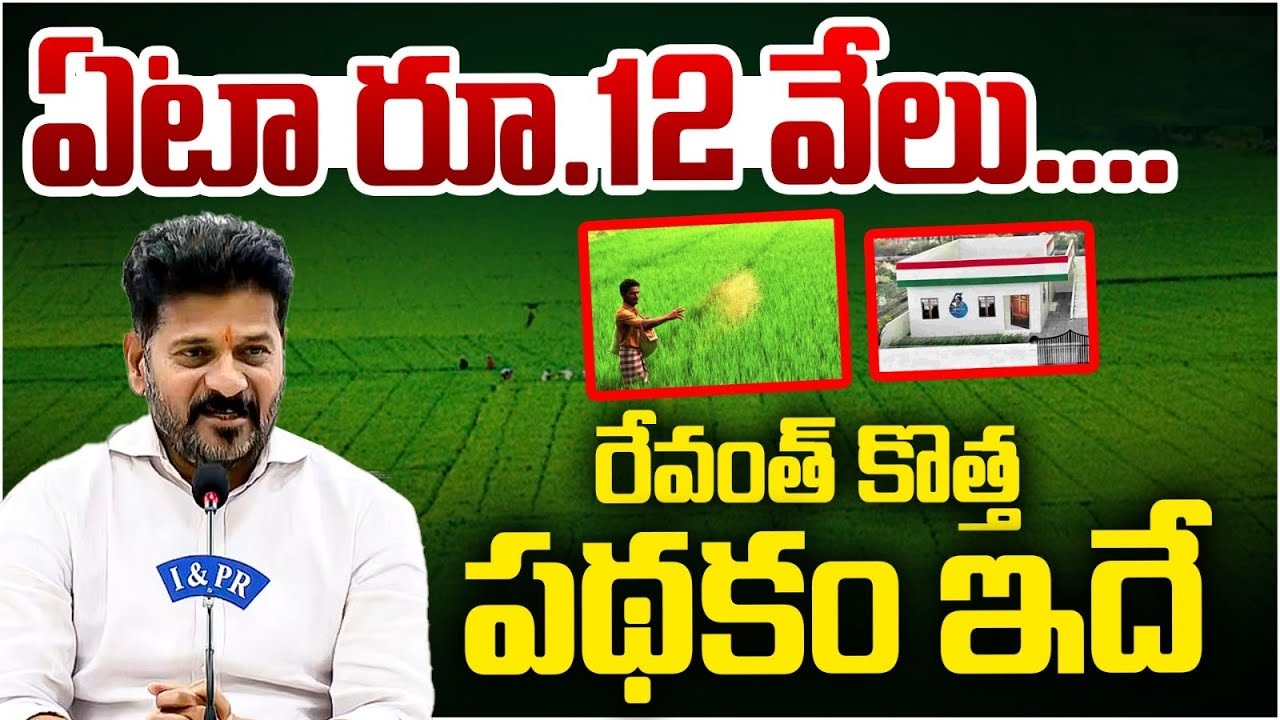
The Telangana government, under the leadership of Chief Minister Revanth Reddy, has unveiled an ambitious new scheme called the Indiramma Atmiya Bharosa aims to provide yearly 12000 per Land less farmer in Telangana State. This welfare initiative aims to provide financial assistance to farmers and agricultural families across the state, including those without agricultural land. The program is set to be implemented starting January 26, a date of significance as India marks 75 years of its Constitution coming into effect. Here’s a detailed breakdown of the scheme and its implications.
Key Highlights of the Indiramma Atmiya Bharosa Scheme
- Increased Annual Financial Support
The government has enhanced the financial aid provided under the existing farmer welfare program. While the previous administration granted ₹10,000 annually per acre to farmers, the new scheme increases this to ₹12,000 per acre. This adjustment signifies a substantial commitment to improving the livelihoods of farmers across Telangana. - Inclusion of Landless Agricultural Families
Recognizing the plight of landless agricultural laborers, the government has extended the scheme to include these families. Each landless agricultural family will receive ₹12,000 annually. This decision underscores the administration’s dedication to equitable development and social inclusion. - Targeting Marginalized Communities
The scheme prioritizes families in remote tribal areas, villages, and hamlets, ensuring no community is left behind. This holistic approach seeks to address rural poverty and support vulnerable sections of society.
Implementation Timeline and Process of Indiramma Atmiya Bharosa Scheme 2025
The scheme will be rolled out from January 26, coinciding with Republic Day celebrations. This strategic launch symbolizes the government’s vision of a welfare state where every citizen benefits from equitable opportunities and support.
Steps for Implementation
- Verification of Beneficiaries
Revenue officials will collect data village-by-village to identify eligible beneficiaries. Special village meetings will be conducted to create awareness about the scheme and address any concerns. - Exclusions and Guidelines
Lands categorized as non-agricultural, such as those used for mining, industrial purposes, or real estate development, will not qualify for benefits under this scheme. Additionally, the government has urged individuals who received unwarranted benefits from previous schemes to voluntarily disclose and update their records. - New Ration Cards
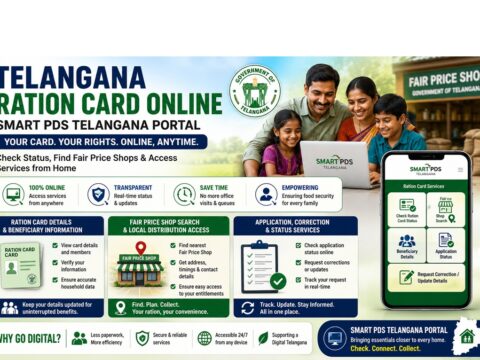
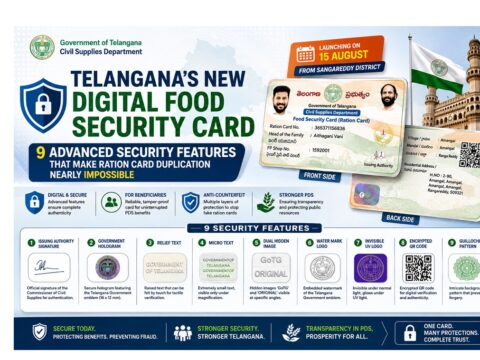
To tackle the long-standing issue of ration card shortages, the government will issue new ration cards to those in need, ensuring food security for all deserving families.
Challenges in Implementation of Indiramma Atmiya Bharosa Scheme 2025
Addressing Landless Farmers’ Plight
The decision to provide financial aid to landless farmers stems from numerous grievances brought to the government’s attention during public consultations and padayatras. Many such families expressed feeling neglected, both economically and socially. This initiative acknowledges their contribution to the agricultural ecosystem and integrates them into the state’s development agenda.
Streamlining Agricultural Benefits
The program also seeks to rectify inconsistencies in the distribution of funds under previous schemes, such as the Rythu Bandhu Scheme. By ensuring accurate record-keeping and involving local authorities in the verification process, the government aims to make the new scheme more transparent and effective.
Economic and Social Impact
- Boosting Rural Economies
Direct cash transfers to farmers and landless agricultural families will inject much-needed liquidity into rural markets. This, in turn, is expected to stimulate local economies and create a ripple effect of economic activity. - Encouraging Sustainable Agriculture
With increased financial support, farmers can invest in better seeds, fertilizers, and sustainable farming practices, leading to improved productivity and environmental conservation. - Strengthening Social Equity
By addressing the needs of landless families and marginalized communities, the scheme aims to bridge social and economic disparities, fostering a more inclusive society.
Government’s Call for Transparency and Media Cooperation
Chief Minister Revanth Reddy has emphasized the importance of clear communication regarding the scheme. He has urged media representatives to disseminate accurate information, avoiding unnecessary controversies. Transparency and public cooperation are deemed vital for the successful implementation of this initiative.
Conclusion
The Indiramma Atmiya Bharosa Scheme reflects the Telangana government’s commitment to uplifting its agricultural sector and addressing socio-economic disparities. By increasing financial support for farmers and extending aid to landless agricultural families, the scheme sets a benchmark for inclusive governance. As the state gears up for implementation, all eyes will be on how effectively these measures transform the lives of its rural population.