
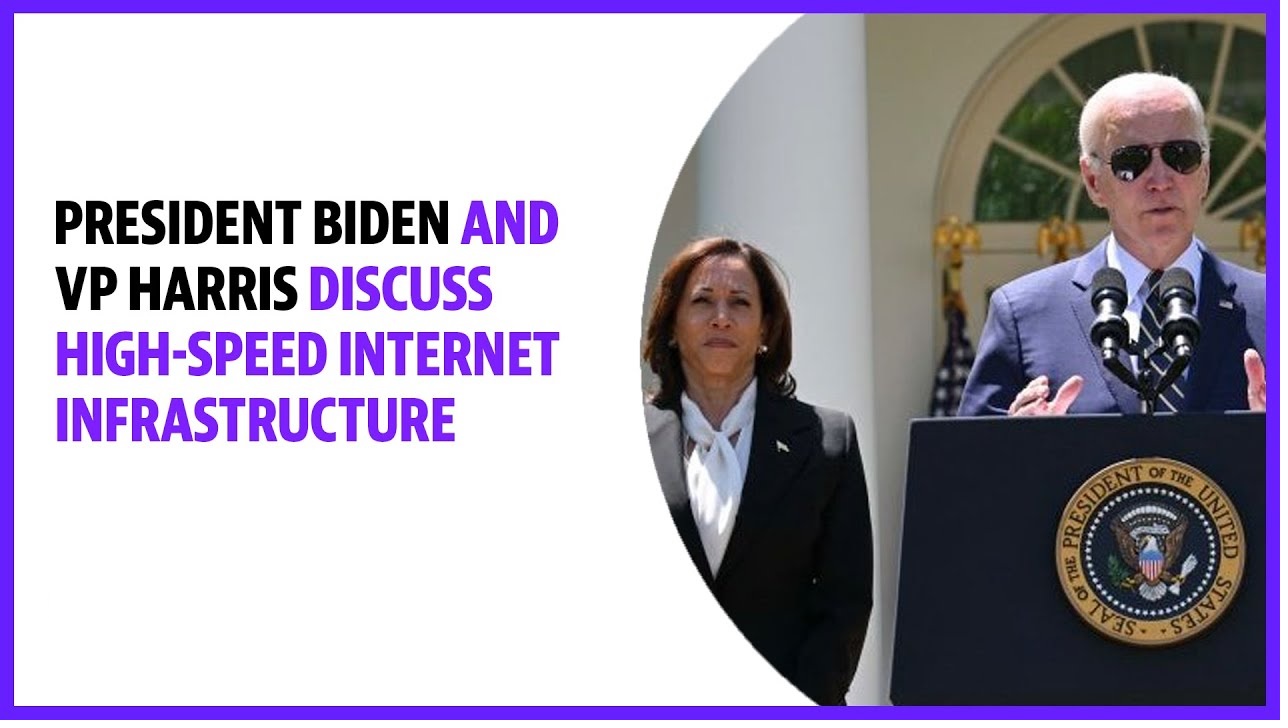
The $42 Billion Broadband Expansion: Delays, Challenges, and Missed Opportunities. VP Harris led 42 billion initiative to provide Internet to unserved homes. Georgia alone was allocated $1.3 billion (from the VP Harris led $42 billion initiative) to provide Internet to over 315,000 unserved homes & businesses in that state.
In 2021, Vice President Kamala Harris took on the significant responsibility of leading the Biden Administration’s ambitious $42 billion initiative to expand Internet access to millions of Americans. The goal was clear—close the digital divide and connect rural and underserved communities to reliable broadband. But as of today, 1,039 days since the project was announced, not a single new American has been connected to the Internet through this program.
Delays and Frustrations Plague the Rollout
Despite the initial promise of the program, its implementation has been mired in delays, miscommunication, and bureaucratic inefficiencies. A recent report from Politico sheds light on the growing frustration within state governments and other stakeholders. The publication highlighted finger-pointing, confusion, and a “messy, delayed rollout” as defining features of the program’s progress—or lack thereof.
One state official went on record describing the situation as a “chaotic implementation environment” characterized by dysfunction and significant delays. The same official further criticized the Administration for its failure to provide timely and consistent guidance. In her words, the Administration “has provided either no guidance, guidance given too late, or guidance changing midstream.” Such mismanagement has, in turn, slowed down states’ efforts to implement broadband expansion, creating widespread frustration.
Why Has the Administration Stumbled?
So, what has been happening during the 1,039 days since the initiative was launched? Instead of delivering Internet access to the communities that need it most, the Administration has been bogged down in bureaucracy and red tape. Rather than focusing on the practicalities of connecting Americans, the program appears to have been co-opted by broader policy goals that, while important, have not contributed to the primary objective of the initiative.
Among these goals are climate change considerations, DEI (Diversity, Equity, and Inclusion) requirements, and government-led price controls. Additionally, there is a preference for government-run networks, which has added further complications to an already sluggish process. Critics argue that this focus on progressive policy agendas has come at the expense of getting Internet access to the rural and unconnected communities that were supposed to be the primary beneficiaries of the program.
Red Tape and Unclear Guidance Stalling Progress
A large portion of the $42 billion earmarked for broadband expansion has been caught up in a web of bureaucratic hurdles. Instead of streamlining the process to fast-track the rollout, the Administration has layered on additional regulations that have further complicated efforts to deliver on the program’s original promise.
Stakeholders involved in the implementation have complained about constantly shifting guidance and inconsistent policies that change “midstream.” As a result, states are finding it nearly impossible to move forward with their plans. This lack of clear direction from the top has left many officials scrambling to make sense of conflicting instructions, slowing down the entire process.
Climate Change and DEI: Priorities Over Broadband Access?
While broadband access remains the stated goal of the $42 billion initiative, critics argue that the Administration has shifted focus toward unrelated policy priorities. The program has been used to promote a climate change agenda, with resources being diverted to projects that prioritize environmental sustainability rather than the practicalities of delivering Internet to underserved regions.
Similarly, the program’s emphasis on DEI requirements, while laudable in many respects, has added layers of complexity that some argue are unnecessary for a broadband rollout. These added requirements slow down the process and make it more difficult for states to meet the needs of their residents.
Government-Run Networks and Price Controls: Slowing the Expansion
Another contentious issue is the Administration’s preference for government-run networks over private sector-led initiatives. Critics claim that this approach has led to inefficiencies, further delaying the expansion of broadband infrastructure. Additionally, the program’s price control measures are raising concerns that they could discourage private investment, which is crucial for the successful implementation of such a large-scale initiative.
Price controls and the preference for government-managed networks have also raised fears of wasteful overbuilding—where existing infrastructure is duplicated, rather than expanding service to new, unconnected areas. This could mean that already underserved communities might be left behind once again, despite the billions allocated to improve their access.
Conclusion: A Missed Opportunity for Broadband Expansion
After more than 1,000 days, the Biden Administration’s $42 billion broadband initiative has yet to achieve its most basic goal: connecting Americans to the Internet. What was meant to be a transformative program to close the digital divide has instead become a case study in bureaucratic dysfunction, misaligned priorities, and missed opportunities.
Critics argue that the Administration’s focus on climate change, DEI, and price controls, rather than a clear plan for broadband expansion, has stalled progress. Meanwhile, millions of Americans in rural and underserved areas continue to wait for the reliable Internet access they were promised.
As the program continues to flounder, there is growing pressure on the Administration to refocus on its original mission. For now, however, the $42 billion broadband expansion remains a stark example of how lofty ambitions can be derailed by bureaucracy, delays, and political agendas.