
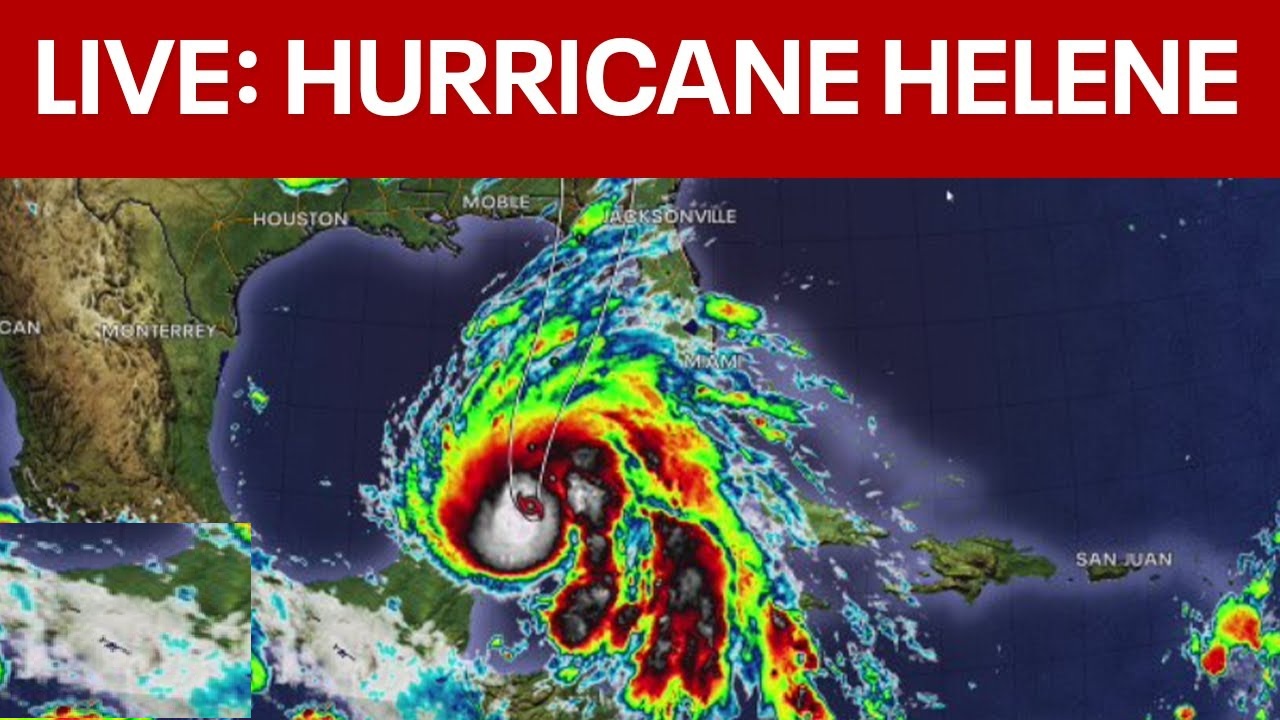
Severe weather conditions, driven by the powerful Hurricane Helene, have resulted in multiple school closures and emergency declarations across several U.S. states. As the storm intensifies, residents in its projected path are bracing for significant damage, with areas in Florida, Georgia, and beyond preparing for life-threatening conditions. This article delves into the latest updates on school closures, the storm’s progress, and emergency responses to help readers stay informed.
School Closures in the Tri-State Area Due to Severe Weather
As Hurricane Helene moves closer to the U.S. mainland, several school districts in the Tri-State area have already announced closures. The decision to shut down schools ahead of the storm is a precautionary measure to protect students and staff from the hazardous conditions expected as the hurricane makes landfall. Forecasts predict that the remnants of the storm could bring catastrophic flooding, particularly in southern regions, extending the impact far beyond the initial coastal areas.
Parents, students, and staff are encouraged to stay updated on additional closures in their area, as conditions could change rapidly. For the latest list of school closures, check local news outlets or online resources, as mobile apps and websites might experience delays in updates due to the widespread power outages.
Hurricane Helene Upgraded to Category 4: A Deadly Threat
Hurricane Helene has been classified as an “extremely dangerous” Category 4 storm as it barrels toward the Florida coastline. The National Hurricane Center warns that this fast-moving storm poses a catastrophic risk with its expected landfall. Winds are currently sustained at 130 mph (215 kph), and the storm’s influence extends hundreds of miles inland, threatening regions far beyond the coast with heavy rains, flash floods, and damaging winds.
Florida, Georgia, and several other states have already declared a state of emergency in anticipation of Helene’s impact. The warning zones extend across a vast portion of the southeastern U.S., and the National Weather Service has stressed that residents should take the warnings seriously, as the storm surge and flash flooding could be life-threatening.
Mass Power Outages Across Florida and Surrounding Areas
As of Thursday evening, over 340,000 homes and businesses in Florida were without power, with the potential for further outages as the storm continues to gain strength. Major energy providers, including Duke Power, have reported significant damage to their infrastructure, particularly in the Tampa Bay area, where over 105,000 customers have lost power.
Although Tampa is located south of Helene’s projected landfall site, the city remains under a tropical storm warning, with meteorologists predicting storm surges as high as 15 feet (4.5 meters). Residents are advised to remain indoors and avoid flood-prone areas, as flash flooding is a growing concern.
Emergency Declarations and State Responses
States of emergency have been declared across the southeastern U.S., including Florida, Georgia, Alabama, and the Carolinas. President Joe Biden issued an emergency declaration for Alabama on Thursday as the storm inched closer to land, emphasizing the urgent need for federal resources to be deployed in the storm’s aftermath.
In Florida, Governor Ron DeSantis warned residents to evacuate from vulnerable coastal areas, particularly in the Big Bend region. As the governor noted, time is running out for those in the path of the storm to escape, and many bridges and highways have been closed to prevent accidents caused by the storm’s high winds and torrential rains.
“We are urging everyone in the affected areas to evacuate while it’s still possible,” DeSantis said during a press briefing. “This storm is unlike anything we’ve seen in recent years, and the safety of our residents is our top priority.”
Rainfall and Flooding Expected in Georgia and the Carolinas
Helene’s reach extends far beyond Florida’s borders. Heavy rainfall has already begun in Georgia, particularly in the southern parts of the state, including Valdosta and surrounding areas. The National Weather Service predicts wind gusts exceeding 110 mph in many parts of rural Georgia, with widespread flooding expected to follow.
Officials in North Carolina have also issued warnings, particularly in areas prone to flooding. Emergency response teams are closely monitoring rivers like the Swannanoa and French Broad, both of which are expected to rise to levels not seen since the historic flood of 1916. Residents living near rivers or in flood-prone zones are urged to seek higher ground immediately.
Tropical Storm Isaac and Hurricane John: More Storms on the Horizon
While Helene is commanding the most attention due to its size and intensity, it’s not the only storm posing a threat. Tropical Storm Isaac, which formed in the Atlantic Ocean on Wednesday, is expected to strengthen in the coming days and may become a hurricane by the end of the week. It’s currently located about 690 miles northeast of Bermuda and moving eastward at around 12 mph.
In the Pacific, Hurricane John has also regained strength and is posing a threat to Mexico’s western coast. Flash flooding and mudslides are a concern in this region, with John’s effects expected to intensify as the storm moves closer to land.
The Deadly Threat of Storm Surge: Why It’s Worse Than Winds
One of the most dangerous aspects of any hurricane is not just the wind, but the storm surge it brings. In 2005, Hurricane Dennis made landfall near the Alabama-Florida state line as a Category 3 storm, and though winds were not severe in Florida’s Big Bend region, the area was devastated by the mass of water pushed onshore.
Storm surges can raise water levels significantly, flooding coastal areas within minutes and sweeping away structures, cars, and anything else in its path. As Helene approaches, the National Hurricane Center has highlighted that the storm surge could reach heights of up to 15 feet in some areas, making it one of the deadliest threats to coastal communities.
Stay Safe and Informed: Preparing for the Aftermath
As Hurricane Helene makes its final approach, emergency officials are urging all residents in its path to stay indoors, prepare for power outages, and avoid flood-prone areas. Local authorities are working tirelessly to ensure that shelters are available, and search-and-rescue teams are on standby for the aftermath.
Those in the Tri-State area, as well as Florida, Georgia, and the Carolinas, should continue to monitor weather updates and heed all evacuation orders. The storm’s far-reaching impact means that even areas not directly in the path of the eye could experience dangerous flooding, high winds, and other severe weather conditions.
As always, staying informed and taking proactive steps can save lives.