In a surprising twist far from the traditional battleground states, Nebraska is at the center of a political drama that could impact the 2024 U.S. Presidential Election. This situation revolves around a single Republican state senator who could hold the key to a potential election-altering outcome. Here’s how one man’s vote in Eastern Nebraska might decide the nation’s future.
The Unique Electoral System in Nebraska
Nebraska is one of only two U.S. states, along with Maine, that doesn’t use a winner-takes-all system to allocate its electoral votes. Instead, the state awards two electoral votes to the statewide winner and one electoral vote to the winner of each of its three congressional districts. This system has made Nebraska’s 2nd Congressional District, which includes Omaha and its suburbs, a critical swing district that both Democrats and Republicans fight for every election cycle.
In 2020, this district gave one electoral vote to Joe Biden, while the rest of the state’s votes went to Donald Trump. This solitary vote could have a decisive impact in a close election, and both parties are keenly aware of its importance.
One Senator’s Vote Could Change the Game
At the heart of this unfolding situation is Mike McDonnell, a Republican state senator from Omaha. McDonnell is currently resisting efforts by Donald Trump, national Republicans, and Nebraska’s GOP leadership to change Nebraska’s unique electoral system to a winner-takes-all format. If McDonnell changes his stance and votes in favor of this change, it would lead the way for other hesitant Republican senators to follow suit. Such a move would allow Nebraska to shift all its electoral votes to the statewide winner, a significant advantage for Trump in 2024.
McDonnell’s vote is crucial, as it could change the balance of power and result in a system where the single electoral vote from Omaha’s congressional district would no longer be up for grabs. If Nebraska switches to a winner-take-all system, that one vote, which Vice President Kamala Harris is currently favored to win, would instead go to Trump.
Why One Electoral Vote Matters
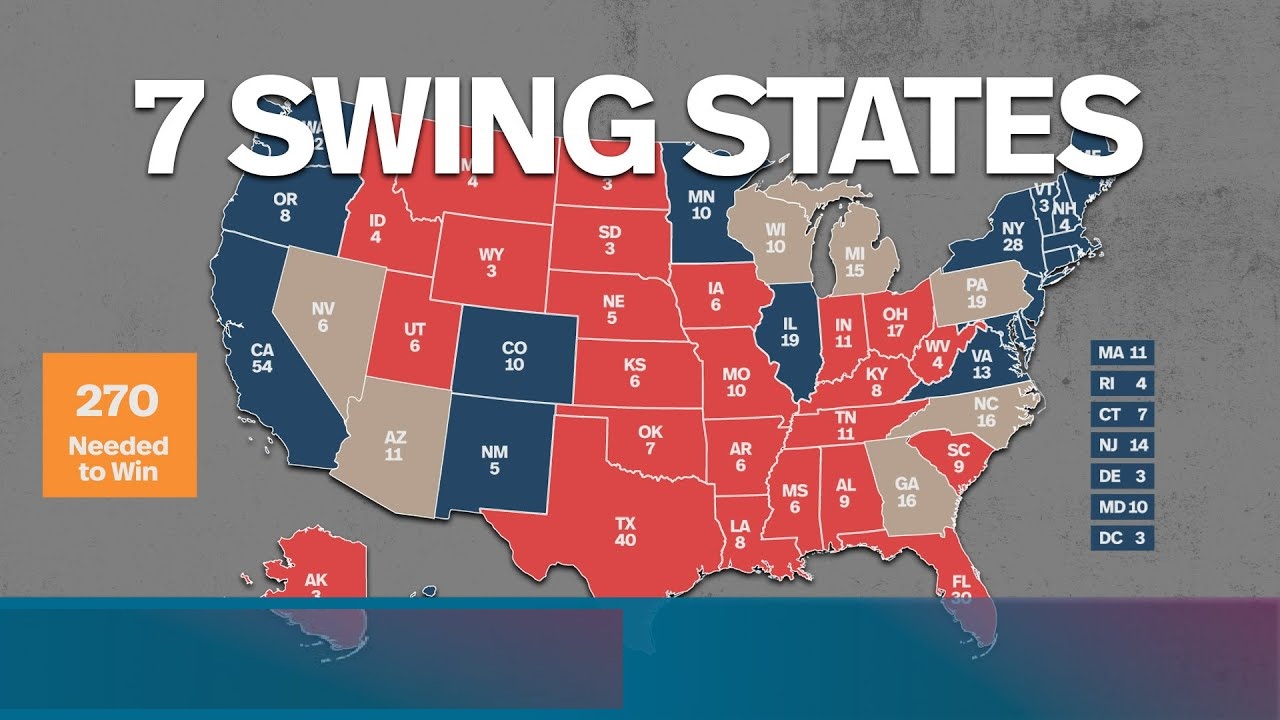
It might seem like just one vote, but in the complex Electoral College system, even a single vote can have massive consequences. If Kamala Harris were to secure key battleground states like Pennsylvania, Michigan, and Wisconsin while losing others such as Nevada, Arizona, Georgia, and North Carolina, she could still come out with 270 electoral votes—just enough to win the presidency.
However, if the one electoral vote from Omaha were to shift to Trump, the election could result in a 269-269 tie, sending the decision to the House of Representatives. In this scenario, each state delegation gets one vote, and with more Republican-controlled delegations, Trump would almost certainly win the presidency.
The Role of the Nebraska Legislature
The Nebraska legislature holds the power to change the state’s electoral vote allocation at any point up until the day before the election. That means the political maneuvering is far from over. McDonnell’s decision to either stand firm or change his stance could significantly alter the outcome of the 2024 presidential election.
Interestingly, despite the immense pressure, McDonnell has not wavered. His spokesman, Barry Rubin, stated that McDonnell remains a “no vote” on changing the system unless someone presents a compelling reason why the winner-takes-all approach would be more beneficial for the state. Rubin emphasized that McDonnell’s stance is based on the merits of the argument, not political favors from either party.
Political Background: Why McDonnell’s Position Is So Critical
Mike McDonnell’s political journey is itself fascinating. Once a loyal Democrat, McDonnell switched parties in April 2024, altering the political landscape in Nebraska. A firefighter by profession and a union leader, McDonnell’s conservative views on social issues—such as his support for restrictions on abortion and transgender care for minors—led him to clash with the Democratic Party. After the Nebraska Democratic Party censured him, McDonnell decided to join the Republican Party, tipping the balance of power in the state legislature in favor of the GOP.
His background and recent party switch have made McDonnell the man in the middle, caught between intense pressure from both the Harris and Trump camps. With less than seven weeks until Election Day, this pressure is only likely to intensify, especially with McDonnell eyeing a future run for Omaha mayor.
National Attention and Political Influence
Republicans, particularly those allied with Donald Trump, have made concerted efforts to sway McDonnell. Recently, Senator Lindsey Graham, a close Trump ally, traveled to Nebraska to meet with McDonnell and other state senators. Trump himself even called in during the meeting to push for the electoral system change.
The Republican governor of Nebraska, Jim Pillen, has also voiced strong support for shifting to a winner-takes-all system. In a public statement, Pillen endorsed the idea, saying it would ensure all five of Nebraska’s electoral votes would go to the statewide popular vote winner. Additionally, all five Republican members of Nebraska’s congressional delegation, including Representative Don Bacon from Omaha, have signed a letter urging the state legislature to make the change.
The Path Forward: Will Nebraska Change Its Electoral System?
Despite these efforts, the legislative path to changing Nebraska’s electoral vote system remains uncertain. The change requires a supermajority to overcome a filibuster in the state’s unicameral legislature, and Republicans have so far struggled to secure the necessary votes.
While Trump’s allies continue to push for a legislative overhaul, multiple holdouts remain. These senators, wary of a potential political backlash in Omaha, fear that voters in the city could resent losing their outsized influence in national elections and the attention that comes with it, such as campaign visits and advertising dollars.
Conclusion: The Impact of Nebraska’s Electoral Vote in 2024
Nebraska’s unique electoral vote system makes it a key player in what could be a razor-thin presidential election. The decision of one man, Mike McDonnell, could reshape the election landscape, influencing the allocation of crucial electoral votes and potentially deciding the next U.S. president.
As Election Day approaches, the political drama in Nebraska will continue to unfold, and all eyes will be on McDonnell as he navigates this high-stakes situation. Whether Nebraska retains its current system or shifts to a winner-takes-all approach, the outcome could have historic repercussions for the country