
A Call for Collaboration and Enforcement to Bridge the Gap Between Rights and Reality
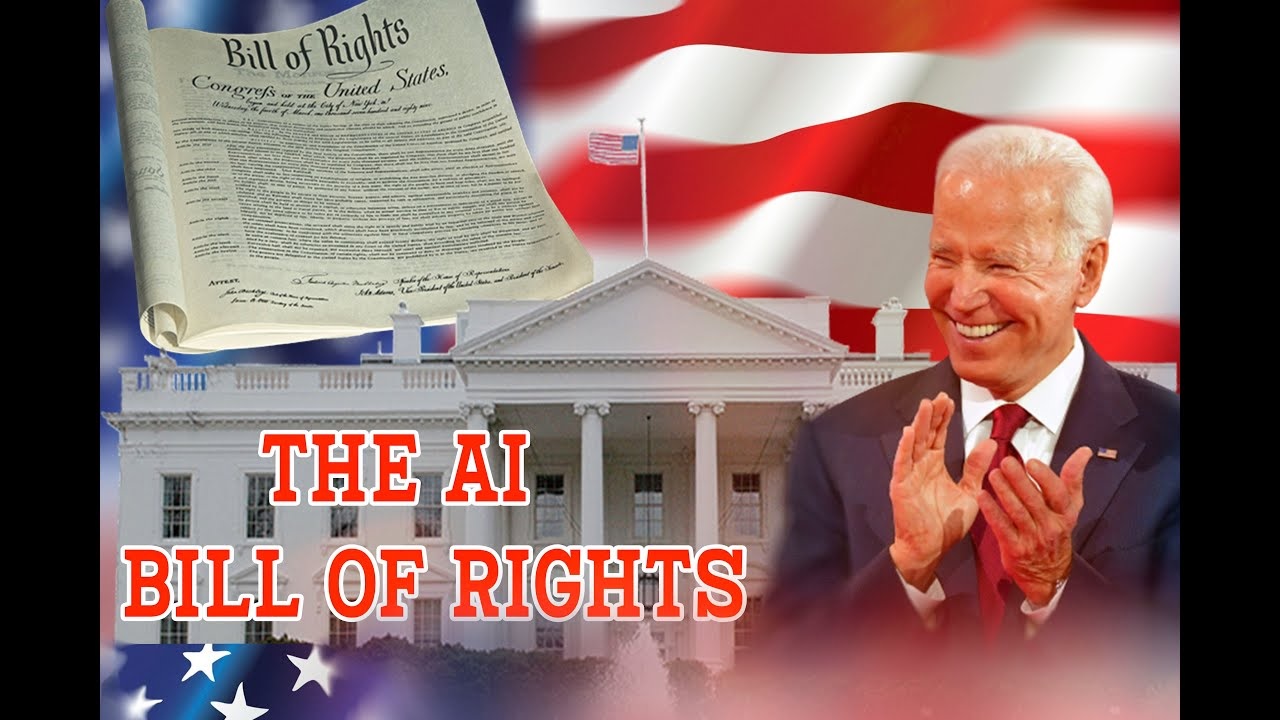
In October 2022, AI Bill of Rights – A Good Start, But Needs Actionable Steps, the White House Office of Science and Technology Policy (OSTP) released a crucial document: Blueprint for an AI Bill of Rights. This blueprint outlines five key principles and accompanying practices to ensure AI technologies safeguard the rights of Americans as their use and influence expand rapidly.
As the document’s preface starkly points out, technology and automated systems, including AI, often threaten fundamental rights by limiting opportunities, hindering access to essential resources, and perpetuating inequalities. Examples abound, from biased hiring algorithms to unsafe healthcare systems fueled by AI.
The AI Bill of Rights addresses these concerns by outlining an individual’s rights when interacting with AI-powered systems and applications:
Illuminating the Blueprint
Principle 1: Protection from Unsafe or Ineffective Systems
The first principle articulated in the AI Bill of Rights is your entitlement to be shielded from systems that are either unsafe or ineffective. This underscores the necessity to ensure the safety and efficiency of AI technologies.
Principle 2: Non-Discrimination in Algorithmic Processes
Ensuring fairness, the second principle emphasizes that algorithms should neither exhibit nor perpetuate discrimination. AI systems must be both designed and utilized equitably, promoting impartiality in their application.
Principle 3: Safeguarding Against Abusive Data Practices
The third principle is geared towards shielding individuals from abusive data practices. The AI Bill of Rights advocates for built-in protections, granting individuals agency over the utilization of their personal data.
Principle 4: Transparent Understanding of Automated Systems
The fourth principle asserts your right to awareness and comprehension when interacting with automated systems. Users should be informed about the utilization of AI and understand how it contributes to outcomes affecting them.
Addressing Limitations
While the AI Bill of Rights serves as a crucial foundation in raising awareness about the challenges associated with AI, it falls short in providing a practical framework for organizations. To truly fortify the implementation of these rights, the next step necessitates fostering collaboration and adoption across diverse sectors.
Collaboration for Implementation
To fortify the AI Bill of Rights, collaboration across business, education, social, and government domains is imperative. Establishing measures for evaluating adherence to the Bill of Rights is crucial, ensuring that organizations are held accountable for their AI models.
Defining Laws and Regulations
Furthermore, this collaborative effort should extend to defining AI-related laws and regulations. Implementing a system of appropriate incentives and penalties becomes pivotal to enforce strict adherence to the principles laid out in the AI Bill of Rights.
While the AI Bill of Rights is a significant step towards raising awareness of the challenges surrounding AI, it faces a critical limitation: lack of actionable steps. The document provides valuable principles, but it doesn’t offer concrete guidance for organizations navigating the design, development, deployment, and management of their AI models.
To bridge this gap, the next critical step is to foster collaboration and adoption across key sectors:
- Business: Implementing ethical AI practices into corporate culture and operations.
- Education: Integrating AI literacy and responsible AI principles into educational curricula.
- Social sector: Advocating for and protecting the rights of vulnerable populations in the context of AI.
- Government: Enacting AI-related laws and regulations, complete with incentives and penalties, to ensure adherence to the Bill of Rights principles.
Through collaborative efforts, we can translate the AI Bill of Rights from aspirations to reality. By developing measurable actions, legal frameworks, and enforcement mechanisms, we can ensure that AI technologies empower individuals, uphold fundamental rights, and contribute to a fairer and more equitable future.
The journey towards responsible AI requires more than just awareness. It demands action, collaboration, and a shared commitment to safeguarding the rights of every individual in the age of intelligent machines.
Note: This rewrite condenses the original article while emphasizing the need for practical measures and collaborative action to complement the AI Bill of Rights’ principles. It also adds a stronger call to action for various sectors to work together towards responsible AI development and implementation.