
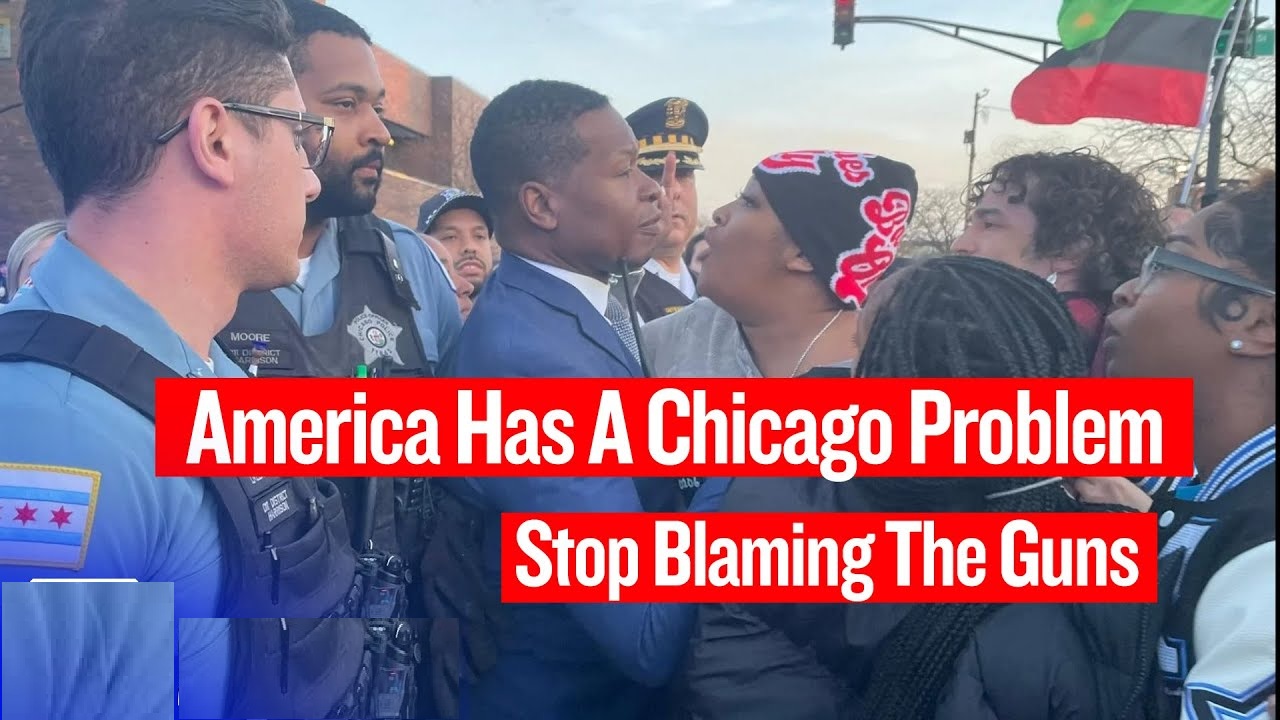
Chicago witnessed a devastating spike in gun violence over the Fourth of July weekend, with more than 100 people shot, including 19 fatalities. This tragic event has left the city grappling with grief and a heightened sense of urgency to address the escalating gun violence, which experts warn often peaks during summer months due to rising temperatures and large gatherings.
Gun Violence Surges During Summer Months
Gun violence typically escalates during the summer, when warm weather and outdoor activities bring large groups together. According to recent federal data, despite a nationwide decline in violent crime over the past year, gun violence in Chicago surged dramatically over the holiday weekend. Police reported that 109 individuals were shot, with 19 losing their lives.
Chicago Mayor Brandon Johnson expressed the city’s collective sorrow, stating, “These are our fellow Chicagoans, our neighbors, family members, who’ve lost their lives.” He emphasized the need for accountability, urging that those responsible for the shootings be held responsible for the pain and trauma inflicted upon the community.
National Holiday Marred by Violence
The wave of violence in Chicago was part of a broader pattern of shootings across the United States over the Fourth of July weekend. According to Moms Demand Action and the Gun Violence Archive, there were more than 500 shootings nationwide, resulting in at least 180 fatalities and over 525 injuries.
Notable incidents included a shooting at a block party in Detroit early Sunday, where two people were killed and 19 injured, and a separate incident at a 21st birthday party in Florence, Kentucky, which left four people dead and three injured. These tragedies underscore the pervasive nature of gun violence during significant national holidays and events.
Efforts to Enhance Safety Amid Rising Violence
In response to the violence, Chicago officials had implemented several safety measures aimed at curbing gun-related incidents. Mayor Johnson announced the cancellation of police officers’ days off to ensure a robust police presence and prompt incident response. The city also activated an emergency services assistance center to provide community support and organized a rally to promote healing and solidarity.
Despite these measures, the holiday weekend saw a surge in shootings. Superintendent Larry Snelling of the Chicago Police Department highlighted a particularly tragic incident where two women and an 8-year-old boy were killed, and two other children were injured. Another shooting in Chicago’s Little Italy neighborhood left eight people wounded.
“This is a societal issue,” Snelling remarked, emphasizing that while the police play a crucial role, community involvement is essential in addressing gun violence. He called for public cooperation in providing tips to help apprehend those responsible.
Fourth of July: The Most Violent Day of the Year
Criminologists and gun violence experts have identified the Fourth of July as the “most violent day of the year.” James Alan Fox of Northeastern University noted that nine out of the ten most violent days annually occur during the summer. Factors such as increased outdoor activities, larger crowds, and the presence of firearms and alcohol contribute to this rise in violence.
Joshua Horwitz, co-director of Johns Hopkins Center for Gun Violence Solutions, highlighted the relationship between temperature and violence, explaining that higher temperatures often lead to more interactions and conflicts. “Simple arguments, when you’re armed, turn lethal,” Horwitz stated, pointing to the unfortunate reality of modern-day altercations.
A Call to Address Root Causes
The consistent eruption of gun violence during celebratory events and holidays demands a multifaceted approach to prevention. Over the Father’s Day weekend, at least 73 people were killed and 308 injured in shootings across the U.S. Similar patterns were observed during Memorial Day and Easter weekends, with hundreds of shootings reported nationally.
Addressing gun violence requires not only enhanced law enforcement measures but also community engagement and support. Mayor Johnson and Superintendent Snelling have urged Chicagoans to come forward with information that could aid in apprehending perpetrators and preventing further violence. The city’s leaders are committed to fostering a sense of community resilience and working towards long-term solutions that go beyond immediate law enforcement actions.
Moving Forward: Strategies for Prevention and Healing
The recent surge in gun violence in Chicago and across the nation underscores the need for comprehensive strategies to prevent such tragedies. This includes:
- Community Involvement: Encouraging community members to actively participate in violence prevention efforts and provide crucial information to authorities.
- Enhanced Law Enforcement: Ensuring a robust police presence during high-risk periods and events to deter potential violence and respond promptly to incidents.
- Support Services: Providing support and resources to affected communities to promote healing and resilience.
- Education and Awareness: Raising awareness about the root causes of gun violence and promoting initiatives aimed at reducing access to firearms and addressing underlying social issues.
As Chicago and other cities across the United States confront the devastating impact of gun violence, a collective effort involving law enforcement, community members, and policymakers is essential. By working together, it is possible to create safer environments and prevent future tragedies, ensuring that celebrations and gatherings can occur without the shadow of violence.