In densely populated areas like Hyderabad, the growing demand for electricity is creating unforeseen challenges for small apartment complexes. These structures, built years ago without proper planning for increasing electrical loads, are now facing severe transformer issues that affect daily life. Let’s dive into the problem and what can be done about it.
The Origin of Transformer Problems in Hyderabad Apartments
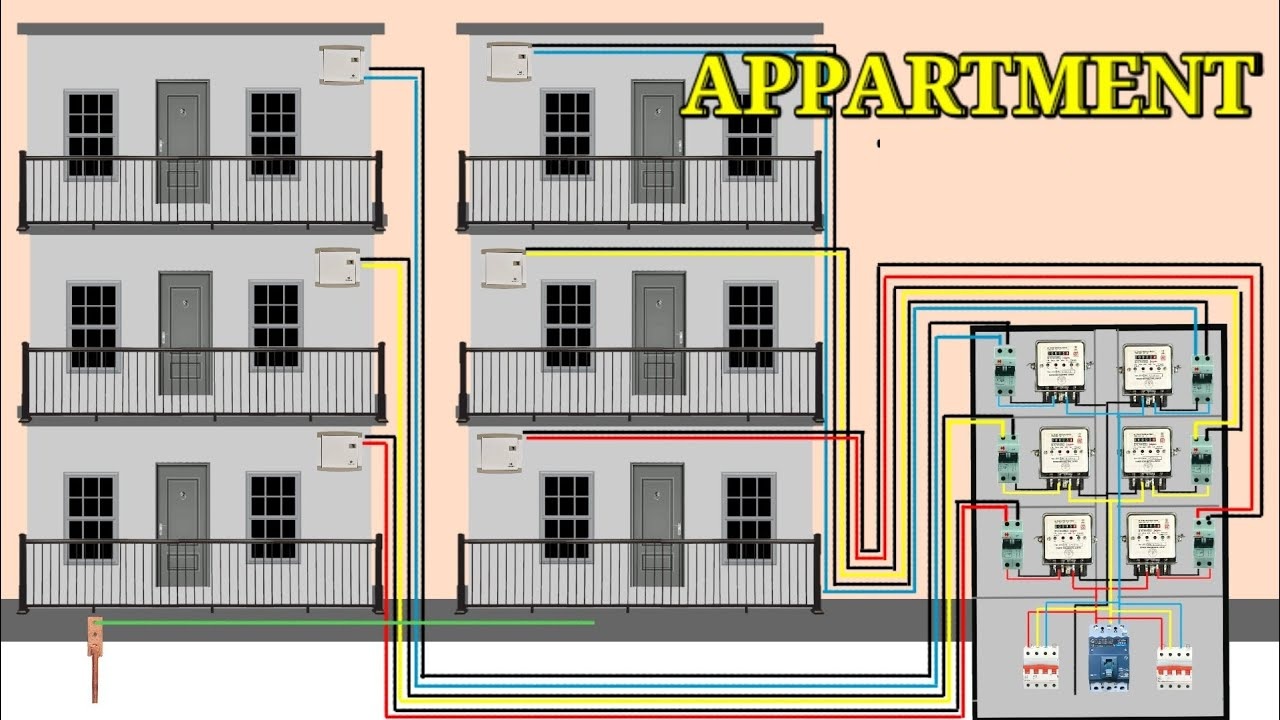
Approximately 15 years ago, in the Dilshukhnagar area of Hyderabad, a builder constructed an 8-unit apartment complex. After selling the apartments, the builder left without ensuring adequate electrical infrastructure. At the time, 9 separate electricity connections were provided for the flats, including one for the common areas such as the lift. However, this setup is now proving insufficient, as the collective electrical load has surged beyond the expected limit of 20 kilowatts.
Mandatory Transformer Installation for High Load Buildings
According to government regulations, any building consuming over 20 kilowatts of power must install a dedicated transformer. The electrical authorities have now issued notices to homeowners, instructing them to install a transformer. However, the cost of this installation exceeds ₹3 lakhs, a heavy financial burden for the 8 apartment owners.
Widespread Transformer Issues Across Hyderabad
The transformer issue is not limited to a single apartment complex. Across Greater Hyderabad, around 10,000 buildings have surpassed the 20-kilowatt threshold, yet they lack the necessary transformers. The local electricity distribution companies (DISCOMs) are now actively monitoring electricity poles and transformers using GPS systems to assess and record the load. Many areas are experiencing frequent power outages as transformers are overloaded and trip or fail entirely, causing widespread inconvenience.
The Role of Builders in Avoiding Transformer Installation
The root cause of this problem often lies in the negligence of builders. Many small apartment complexes, particularly those marketed as group housing, are constructed without proper permits or space for transformers. A typical small apartment or house is initially equipped with a 3 to 5-kilowatt connection, which might have been sufficient in the past. However, with the increasing use of air conditioners and other electrical appliances, the load has significantly increased.
Builders are supposed to ensure the installation of a dedicated transformer for apartments that exceed the 20-kilowatt load limit. However, some builders have been accused of paying bribes to local electricity officials to bypass this requirement, allowing them to save on installation costs. This malpractice has left apartment residents to bear the financial burden of installing transformers later on.
Impact of Transformer Issues on Residents
The delay in installing transformers has led to frequent power cuts, and the government has taken notice. Residents are frustrated with the regular disruptions, especially since they have to shoulder the costs for something that should have been managed during the construction phase. They are now questioning how electricity connections were provided without the necessary transformers in the first place.
In some cases, even though individual homeowners apply to increase their load at the electricity office, they are met with delays. Meanwhile, unauthorized use of electricity continues unchecked, adding further strain on the local grid and causing transformer failures.
The Government’s Response to the Transformer Crisis
In light of the growing complaints, the government is becoming stricter about enforcing electricity regulations. DISCOMs have been issuing notices to all buildings that exceed the 20-kilowatt limit, instructing them to install transformers at their own cost. This enforcement is estimated to cost homeowners across the city over ₹300 crores, an amount many residents feel is unfair, considering the negligence of the builders and officials involved.
How to Avoid Transformer Issues in Future Projects
To prevent such issues in the future, several steps can be taken. Builders must adhere to the following guidelines:
- Proper Electrical Planning: Builders should ensure that buildings have a dedicated transformer if the projected load exceeds 20 kilowatts.
- Transparency with Buyers: Potential buyers should be informed about the electrical capacity of the building and whether a transformer is included in the initial setup.
- Government Oversight: Local authorities must enforce strict regulations and prevent unauthorized electricity connections by conducting regular inspections of new buildings.
Conclusion: A Call for Responsible Electrical Infrastructure
The transformer issues plaguing Hyderabad’s small apartment complexes highlight the need for proper planning and enforcement of electrical infrastructure regulations. Builders must be held accountable for installing adequate transformers, and local authorities should ensure compliance to avoid burdening residents with unexpected costs. Without immediate action, the growing demand for electricity will continue to strain the city’s electrical grid, leading to more frequent power outages and transformer failures.
Residents, builders, and government authorities must work together to resolve this issue and prevent it from recurring in future developments.