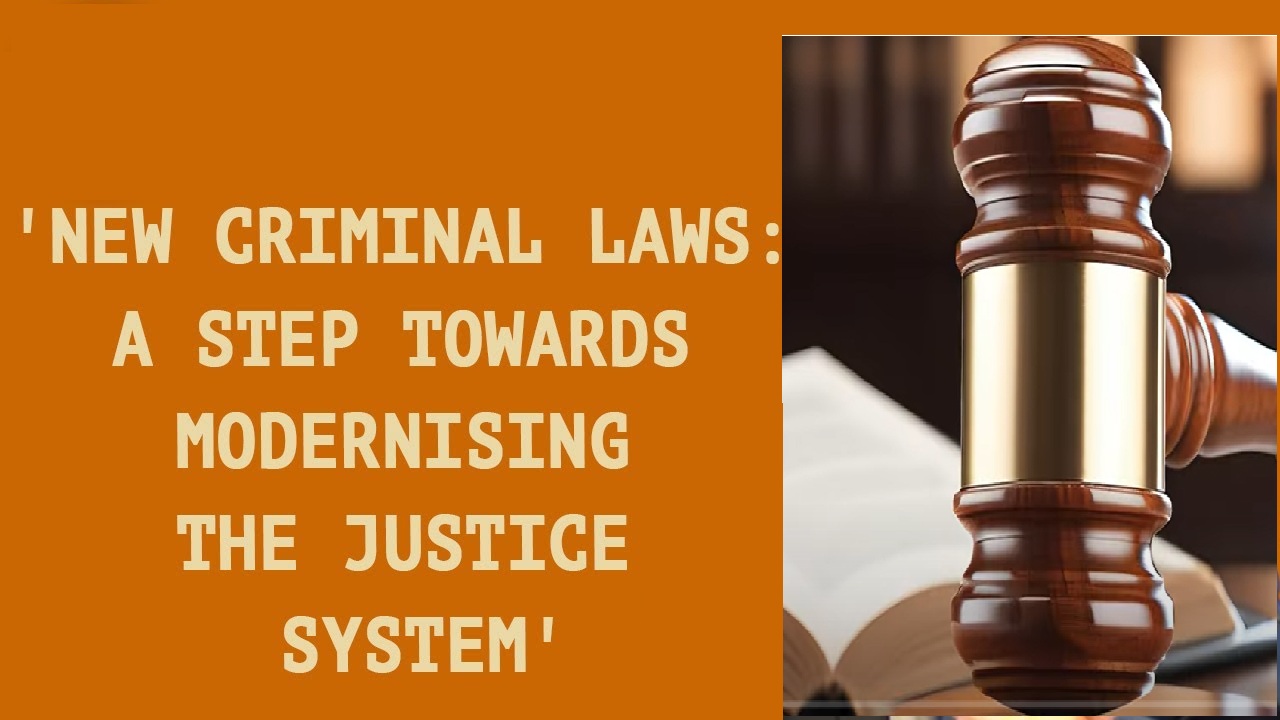
Telangana is set to roll out three significant new criminal laws starting from July 1. The state has taken comprehensive steps to ensure the smooth implementation of the Bharatiya Nyaya Sanhita, Bharatiya Nagarik Suraksha Sanhita, and Bharatiya Sakshya Adhiniyam. According to a senior official, notification drafts are ready and will be released in the coming days.
Translation and Notification Process
The translation of these new laws is nearing completion and is expected to be finished before the implementation date. The notification drafts, essential for the laws’ smooth enforcement, will be issued shortly. This move ensures that Telangana is fully prepared to meet the Central government’s implementation deadline of July 1.
Team Formation and Implementation Strategy
Teams have been established at various administrative levels to guarantee that the new laws are implemented according to the Central government’s plan. These teams will oversee the operational aspects of the laws, ensuring adherence to the specified guidelines. The state’s readiness underscores its commitment to a seamless transition to the new legal framework.
Preparation and Training for Law Enforcement
Extensive training sessions have been organized for police officers, with a dedicated workshop held at the Telangana State Police Academy. This workshop aimed to educate IPS officers across the state about the nuances and spirit of the new criminal laws. The training ensures that law enforcement officials are well-prepared and fully understand the changes.
Comprehensive Training Programs
In addition to police training, special teams have been created to develop study materials and conduct training programs for other officers within the criminal justice system. These initiatives include the creation of applications to facilitate easy comparisons between the old and new laws, making the transition smoother for all involved.
Study and Reference Materials
Study and reference materials have been distributed to all field officers. These resources include Standard Operating Procedures (SOPs) and guidelines prepared by a team of prosecutors. The materials aim to help officers navigate the new procedures introduced by the laws, ensuring consistency and clarity in their application.
Coordination and Stakeholder Meetings
A recent coordination meeting, chaired by the Telangana Chief Secretary, included representatives from health departments, prosecutors, and other stakeholders. This meeting emphasized the importance of cross-departmental collaboration to effectively implement the new laws. The inclusive approach highlights the state’s dedication to a comprehensive and unified implementation strategy.
Background of the New Laws
The Bharatiya Nyaya Sanhita Bill, along with the Bharatiya Nagarik Suraksha Sanhita and Bharatiya Sakshya Adhiniyam Bills, was first introduced in the Lok Sabha on August 11 last year. These bills aim to replace the Indian Penal Code of 1860, the Code of Criminal Procedure Act of 1898, and the Indian Evidence Act of 1872. Parliament approved the bills on December 21, with President Droupadi Murmu giving her assent on December 25.
Key Changes and Impacts of the New Laws
The new laws introduce several key changes aimed at enhancing the efficiency and fairness of the criminal justice system. Some notable changes include:
Community Service as Punishment
Community service has been introduced as a punishment for six petty offenses, including theft and defamation. This approach focuses on restorative justice and aims to reduce the burden on the prison system.
Removal of Certain Offenses
Certain offenses, such as adultery and attempted suicide, have been decriminalized, reflecting a more progressive approach to personal freedoms and mental health issues.
Enhanced Role of Victims
The new laws expand the role of victims in the criminal justice process, granting them more rights and involvement in the trial process. The introduction of the zero FIR concept allows victims to file complaints in any jurisdiction, empowering them and ensuring better access to justice.
Gender-Neutral Definitions
The definition of “child” has been made gender-neutral, ensuring equal protection under the law for all minors. However, the laws have faced criticism for not addressing offenses against adult men and transgender individuals adequately.
Concerns and Criticisms
While the new laws have been hailed for their modern approach, some concerns remain:
Broad and Vague Language
Critics argue that certain provisions use broad and vague language, which could lead to multiple interpretations and potential misuse. The importance of precise language in criminal law cannot be overstated, as it ensures clarity and prevents overcriminalization.
Expanding Police Powers
The extension of police custody beyond the initial 15 days has raised concerns about potential abuse and the impact on the rights of the accused. This change, aimed at addressing logistical challenges faced by the police, must be carefully monitored to prevent misuse.
Right to Fair Trial
The introduction of trials in absentia for absconding offenders, while aimed at speedy justice, raises questions about the right to a fair trial. Ensuring that the accused have the opportunity to be meaningfully heard is a fundamental aspect of justice.