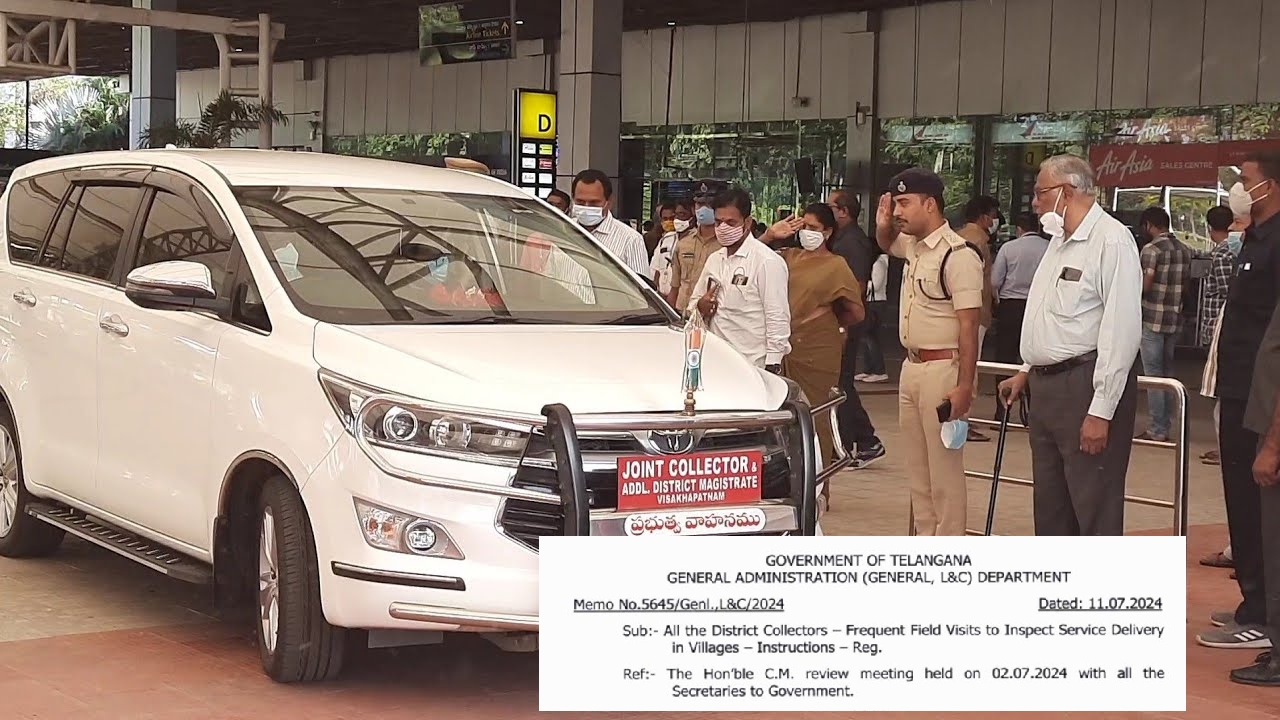
Enhanced Service Delivery in Telangana: District Collectors’ Mandate for Frequent Field Visits
The Government of Telangana has issued a directive to all District Collectors and District Magistrates, urging them to conduct regular field visits to villages and towns within their jurisdictions. This initiative, emphasized by the Honorable Chief Minister in a recent review meeting, aims to ensure the effective implementation of various welfare and development programs, ultimately enhancing service delivery at the grassroots level.
The Importance of District Collectors in Service Delivery
The Chief Minister has underscored the critical role that District Collectors play in the execution of government programs. As frontline functionaries, their involvement is essential for translating government initiatives into tangible benefits for the rural population. Their active participation and oversight are pivotal in addressing the last-mile delivery challenges and achieving desired outcomes.
Key Areas of Focus During Field Visits
District Collectors are instructed to pay particular attention to several key areas during their field inspections. These include:
Health Facilities
Ensuring the proper functioning of primary health centers, sub-centers, community health centers, and district hospitals is paramount. Collectors are to verify the availability of medical staff, essential medicines, and adequate infrastructure, along with assessing the quality of services provided.
Education
Collectors should evaluate the condition of schools, the quality of learning, the availability of teachers, and the effectiveness of mid-day meal programs. Visits to hostels should also be conducted to ensure a conducive learning environment for students.
Water Supply and Sanitation
The availability of clean drinking water and the status of sanitation facilities, including the construction and maintenance of toilets, are critical areas of focus. Ensuring these basic necessities are met is essential for public health and hygiene.
Agricultural Support
Inspecting the distribution and effectiveness of agricultural inputs such as seeds and fertilizers, as well as assessing crop status, is vital for supporting the agrarian community. Collectors should ensure that farmers receive the necessary resources and support to enhance agricultural productivity.
Public Distribution System (PDS)
Verifying the distribution and accessibility of food grains and other essentials under the PDS is crucial. Collectors must ensure that these resources reach the intended beneficiaries without any hindrance.
Housing Schemes
Progress and quality of housing provided under government schemes, such as Indiramma Houses, should be meticulously inspected. Ensuring that housing projects are completed on time and meet the required standards is important for improving living conditions.
Roads and Infrastructure
The condition of roads, public transport, and other infrastructure developments need thorough review. Well-maintained infrastructure is essential for connectivity and overall development.
Social Welfare Programs
Evaluating the implementation of various social welfare programs, including pensions for the elderly, disabled, and widows, is necessary. These programs play a crucial role in supporting vulnerable sections of society.
Municipal Areas
In urban areas, sanitation, water supply, and town planning should be carefully monitored. Ensuring that these services are efficiently managed contributes to the overall quality of life in towns and cities.
Women & Child Welfare
Collectors should assess the implementation of welfare programs for women and children in Anganwadi Centers and hostels. These programs are vital for the well-being and development of women and children.
Interactions and Feedback
During their visits, District Collectors are encouraged to interact with local people, beneficiaries, and local government staff. Gathering feedback from the ground level is essential for understanding the real impact of government programs and identifying areas for improvement.
Scheduled and Surprise Inspections
To ensure a comprehensive and unbiased assessment, field visits should include both scheduled and surprise inspections. This approach will help in identifying any discrepancies and ensuring that services are delivered effectively.
Accountability and Reporting
To maintain accountability and track progress, District Collectors are directed to submit a monthly tour diary to the Chief Secretary’s office before the 5th of every month. This diary should detail the locations visited, observations made, and actions taken. Regular inspections and reporting will help address any gaps or issues promptly.
Enhancing Governance and Trust
Regular inspections by District Collectors will not only ensure effective service delivery but also build trust in the governance system. This proactive approach will significantly enhance the welfare of rural communities and demonstrate the government’s commitment to their upliftment.
Performance Evaluation
The performance of District Collectors and various district officers will be evaluated based on their field visits. This parameter will be considered under a carrot-and-stick policy, encouraging diligent work and accountability.
Conclusion
The Government of Telangana is confident that the active involvement of District Collectors in frequent field visits will lead to improved service delivery and upliftment of villages and towns. This directive aims to ensure that government programs reach the grassroots level effectively, fostering development and enhancing the quality of life for rural communities.