The Telugu language, a cornerstone of South Indian culture, faces an existential threat in Telangana. Recent educational policies and societal shifts risk sidelining this vibrant language, spoken by over 130 million people worldwide. As Telugu’s prominence wanes in schools and public life, urgent action is needed to preserve its legacy for future generations. This article explores the challenges facing Telugu, the controversial rise of Sanskrit as an alternative, and actionable steps to safeguard this linguistic treasure.
The Cultural Significance of Telugu
Telugu, one of India’s oldest Dravidian languages, is more than a means of communication—it’s a vessel of identity, history, and emotion. With a rich literary tradition spanning over a thousand years, Telugu has produced timeless works like the Mahabharata translations and modern cinematic masterpieces like RRR. Its global reach, from Japan to the United States, underscores its universal appeal. For instance, a Japanese woman learned Telugu after watching Arjun Reddy, sharing her fluency with actor Jr. NTR, who proudly posted about it on X. Such anecdotes highlight Telugu’s ability to transcend borders and connect hearts.
Telugu is the language of intimate family conversations, festivals, and folklore. It carries the essence of Telangana and Andhra Pradesh’s cultural heritage. Yet, despite its significance, Telugu faces a alarming decline in its native regions, driven by educational policies and societal attitudes favoring other languages.
Why Telugu Matters
- Cultural Identity: Telugu binds communities, preserving traditions and values passed down through generations.
- Global Influence: With 15 crore speakers worldwide, Telugu ranks among India’s most spoken languages, trailing only Hindi, Bengali, and Marathi.
- Emotional Connection: It’s the language of lullabies, parental advice, and shared joys, fostering deep emotional bonds.
The Threat to Telugu in Telangana’s Education System
Recent developments in Telangana’s education system have sparked concern among language advocates. Two significant trends threaten Telugu’s survival: the push for Hindi and Sanskrit as mandatory subjects and a growing parental preference for non-Telugu education.
The Hindi and Sanskrit Push
In April 2025, protests erupted at Hyderabad’s Indira Park, where parents demanded the freedom to choose their children’s language of study. Many opposed mandatory Telugu education, arguing it burdens students in CBSE schools preparing for global careers. Instead, they favored Hindi or English, citing better career prospects. This sentiment echoes a broader trend where Telugu is perceived as less valuable in a competitive job market.
More alarmingly, the Telangana government proposed introducing Sanskrit as an optional second language in intermediate education, potentially replacing Telugu in government junior colleges. This proposal, floated in early 2025, has ignited fierce debate. Critics argue that prioritizing Sanskrit—a language with no native speakers and limited practical use—over Telugu risks eroding the latter’s relevance. If implemented, this policy could marginalize Telugu in higher education, as students opting for Sanskrit in intermediate levels are unlikely to pursue Telugu in degree or postgraduate programs.
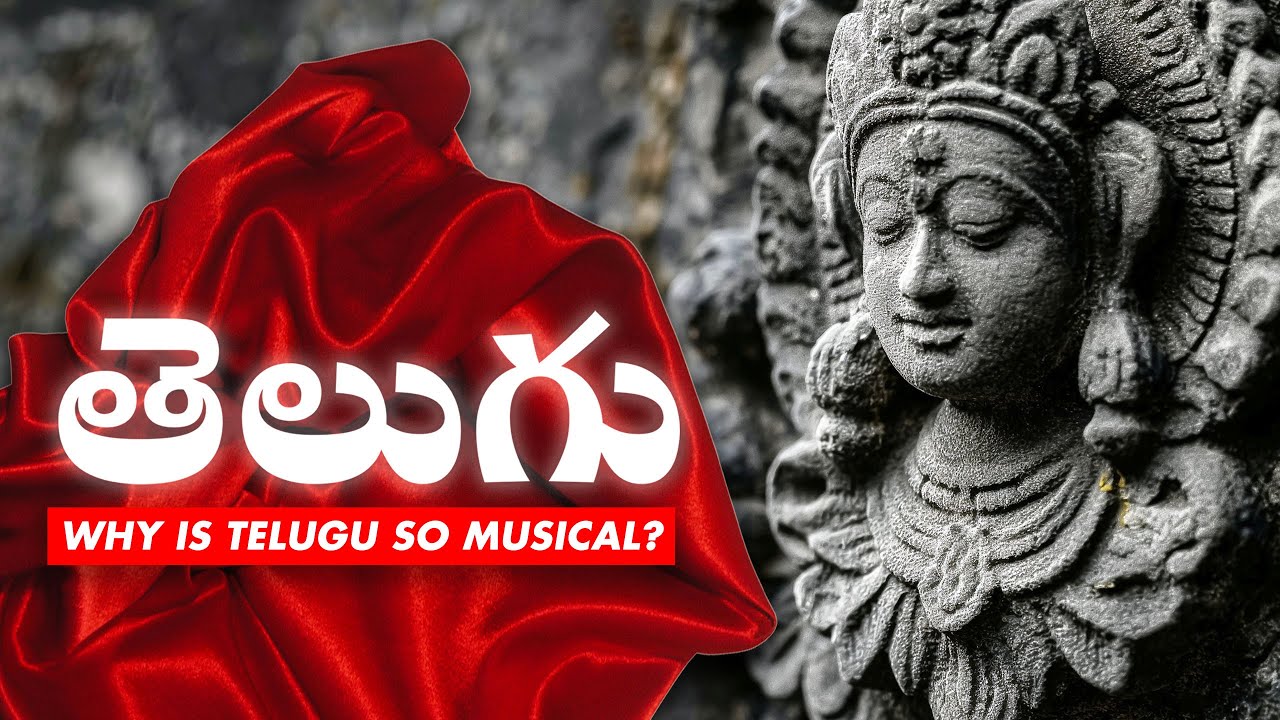
Why Telugu Sounds So Musical: Unraveling the Melodic Charm of India’s Sweetest Language
Telugu, often hailed as the “Italian of the East,” captivates listeners with its lyrical cadence and poetic elegance. Spoken by millions in India and a rapidly growing diaspora in the United States, this Dravidian language weaves a unique blend of musicality, cultural richness, and linguistic sophistication. But what makes Telugu sound so melodic? From its vowel-heavy structure to its deep-rooted connection with poetry and Carnatic music, Telugu’s charm lies in its design and history. In this comprehensive exploration, we’ll uncover the secrets behind Telugu’s musical allure, its linguistic roots, and its enduring cultural impact.
The Musical Essence of Telugu: A Language Designed for Song
Telugu’s reputation as a musical language stems from its phonetic structure, which prioritizes vowel endings and rhythmic flow. Unlike many languages where consonants dominate word endings, Telugu words consistently conclude with vowels, known as Achchulu. This feature, often referred to as the “Achu-ending” or Ajanta characteristic, gives Telugu its sing-song quality.
Vowel Endings: The Heart of Telugu’s Melody
Every Telugu word ends in a vowel, creating a smooth, flowing sound that naturally lends itself to rhyme and rhythm. For example, words like ammā (mother), ūru (village), and kavitā (poetry) all conclude with open vowel sounds. This structure increases the likelihood of rhyming words, making Telugu an ideal medium for poetry and music. Linguists note that this vowel-centric design mirrors Italian, which also favors vowel endings, earning Telugu the moniker “Italian of the East” from 15th-century Italian explorer Niccolò de’ Conti.
A Phonetic Symphony: The Role of Achchulu and Hallulu
In Telugu, vowels (Achchulu) and consonants (Hallulu) work in harmony to create a phonetic system that’s both versatile and melodic. The language’s alphabet includes distinct letters for short and long vowels, such as e and ē, or o and ō. These variations allow for subtle shifts in tone and rhythm, enhancing the language’s musicality. Additionally, Telugu incorporates unique sounds like zh (as in Tamiḻ) and ṛṛ (a rolled “r” sound in words like gurramu, meaning horse), which add texture to its spoken form.
The Poetic Advantage: Why Telugu Excels in Verse
The vowel-ending structure isn’t just a phonetic quirk—it’s a poet’s dream. The high probability of rhyming words simplifies the composition of kavitā (poetry) and kīrtana (devotional songs). This inherent poetic quality has made Telugu a cornerstone of Carnatic music, where kīrtanas composed in Telugu are performed in temples across South India, including Tamil Nadu and Karnataka. The language’s design ensures that even casual speech feels rhythmic, blurring the line between conversation and song.
Telugu’s Linguistic Roots: A Dravidian Gem with Sanskrit Flourishes
Telugu belongs to the Dravidian language family, alongside Tamil, Kannada, and Malayalam. Despite its frequent use of Sanskrit-derived words, its core structure remains distinctly Dravidian. Understanding this duality is key to appreciating Telugu’s unique character.
Dravidian Foundations: The Proto-Dravidian Connection
Telugu evolved from Proto-Dravidian, a common ancestor shared by other South Indian languages. Unlike Sanskrit-based languages, which use roots like dwi (two) or chaar (four), Telugu employs Dravidian roots such as rendu (two) and nālu (four). Similarly, words for singing (pāṭu in Telugu vs. gān in Sanskrit) and country (nāḍu vs. desh) highlight its Dravidian essence. This distinction underscores Telugu’s independence from Indo-Aryan influences, despite its later adoption of Sanskrit vocabulary.
Sanskrit’s Influence: A Cultural and Linguistic Blend
While Telugu’s base is Dravidian, its vocabulary and literary traditions have been enriched by Sanskrit. This blending occurred in two phases:
- Prakrit Phase (200 BCE–300 CE): During the Satavahana period, Sanskrit words entered Telugu via Prakrit, a Middle Indo-Aryan language. For instance, the Telugu word ittuka (brick) derives from Prakrit, while its Malayalam counterpart ishtika comes directly from Sanskrit.
- Literary Phase (11th Century Onward): The poet Nannaya, commissioned to translate the Mahabharata into Telugu (Andhra Mahabharatam), introduced Sanskrit-inspired styles like Champu (a prose-poetry hybrid). This period saw Telugu adopt aspirated sounds (e.g., kha, gha) and new vowel forms from Sanskrit, enhancing its expressive range.
This fusion created a linguistic pyramid: a Dravidian base supporting a Sanskrit-influenced apex. Modern Telugu seamlessly blends both, making it difficult to distinguish between Dravidian and Sanskrit elements in everyday speech.
Dialectal Diversity: Coastal, Rayalaseema, and Telangana Telugu
Telugu’s versatility shines through its three main dialects:
- Coastal (Andhra) Telugu: The standardized, Sanskrit-heavy version spoken along the Andhra Pradesh coast.
- Rayalaseema Telugu: A more rustic dialect with distinct phonetic patterns.
- Telangana Telugu: Influenced by Urdu and regional languages, this dialect has a unique cadence.
Each dialect retains the language’s musical core while adding regional flavor, ensuring Telugu’s adaptability across contexts.
Telugu’s Cultural Legacy: Poetry, Music, and Empire
Telugu’s musicality isn’t just linguistic—it’s deeply cultural. From the Vijayanagara Empire to modern Carnatic music, Telugu has left an indelible mark on South Indian art and literature.
The Vijayanagara Era: A Golden Age for Telugu Literature
The 14th to 16th centuries marked Telugu’s literary zenith under the Vijayanagara Empire. Emperor Sri Krishnadevaraya, a Tulu and Kannada speaker, chose Telugu for his epic poem Amuktamalyada, praising its melodic beauty. His court, adorned with the Ashtadiggajalu (eight literary giants), fostered works that blended Dravidian and Sanskrit traditions. The empire’s patronage also popularized Avadhanam, a poetic performance where a single poet (Asthadhyayi) faces eight challengers, showcasing Telugu’s improvisational prowess.
Carnatic Music: Telugu’s Melodic Legacy
Telugu’s influence on Carnatic music is profound. Composers like Tyagaraja and Annamacharya crafted kīrtanas in Telugu, which remain central to the Carnatic repertoire. These devotional songs, performed in temples across South India, highlight Telugu’s ability to convey spiritual depth through melody. The language’s vowel-rich structure and rhythmic flexibility make it perfect for musical composition, earning praise from figures like Rabindranath Tagore, who likened Telugu to music itself.
Global Reach: Telugu in the Modern World
Today, Telugu is India’s fourth-most spoken language and the fastest-growing language in the United States, with a 150% increase in speakers over the past six years. Its global appeal stems from its cultural richness and adaptability, evident in everything from Bollywood-inspired Telugu cinema to diaspora communities preserving kīrtanas and poetry.
Why Telugu Sounds Musical: Key Linguistic Features
Several linguistic traits contribute to Telugu’s melodic reputation, each enhancing its suitability for poetry and song.
The Alphabet System: A Blend of Sounds
Telugu’s alphabet accommodates both Dravidian and Sanskrit phonemes. It includes:
- Sanskrit-Derived Sounds: Aspirated consonants like kha, gha, and pha, used in words like jnānam (knowledge).
- Unique Telugu Sounds: Letters for zh (as in Tamiḻ) and ṛṛ (as in gurramu), which add a distinctive rolled or retroflex quality.
- Extra Vowels: Short e and o sounds, absent in Hindi, allow for nuanced pronunciation.
These elements create a versatile phonetic palette, enabling Telugu to express a wide range of emotions and tones.
Gender System: A Unique Classification
Unlike North Indian languages (masculine-feminine) or other South Indian languages (masculine-feminine-neuter), Telugu uses a masculine vs. non-masculine gender system. This simplification, influenced by Sanskrit interaction, softens the language’s structure, making it more fluid and lyrical.
Simplified Consonants: A Softer Sound
Old Telugu featured complex consonant clusters and retroflex sounds (ṭ, ḍ, ḷ), which softened over time, much like Bengali. This evolution reduced harshness, enhancing the language’s melodic flow and making it easier to sing or recite.
Telugu vs. Other Languages: A Comparative Perspective
To appreciate Telugu’s musicality, let’s compare it with other languages:
- Telugu vs. Tamil: While both are Dravidian, Tamil has a more guttural tone due to its consonant-heavy endings. Telugu’s vowel endings create a smoother, more lyrical sound.
- Telugu vs. Italian: Both languages favor vowel endings and share sounds like tti and chi, contributing to their melodic reputations.
- Telugu vs. Sanskrit: Sanskrit’s rigid grammar contrasts with Telugu’s flexible, poetic structure, though Telugu borrows heavily from Sanskrit vocabulary.
These comparisons highlight Telugu’s unique balance of structure and fluidity, making it stand out as a musical language.
The Future of Telugu: Preserving a Melodic Heritage
As Telugu continues to grow globally, its musical heritage remains a source of pride. Efforts to preserve kīrtanas, promote Telugu literature, and teach the language in diaspora communities ensure its legacy endures. Digital platforms, including YouTube channels and streaming services, have made Telugu music and poetry accessible worldwide, introducing new audiences to its charm.
How to Experience Telugu’s Musicality
For those eager to explore Telugu’s melodic allure, try these steps:
- Listen to Carnatic Music: Start with Tyagaraja’s kīrtanas to hear Telugu’s rhythmic beauty.
- Read Telugu Poetry: Explore works by Nannaya or Krishnadevaraya to appreciate the language’s lyrical flow.
- Learn Basic Telugu: Online courses can introduce you to Telugu’s vowel endings and unique sounds.
- Watch Telugu Cinema: Films like Baahubali showcase the language’s emotional depth.
Parental Resistance to Telugu
Parents in Telangana increasingly view Telugu as a low-scoring subject that hampers academic performance. In private colleges like Narayana and Sri Chaitanya, Telugu is often sidelined or entirely absent from curricula. These institutions promote Sanskrit, which students perceive as easier to score high marks in due to lenient evaluation practices. For example, students report scoring 90–100 in Sanskrit exams despite minimal proficiency, as exams can be written in English, Telugu, or Hindi, and answers are often rote-learned. In contrast, Telugu exams demand deeper linguistic and literary understanding, resulting in lower scores and discouraging students from choosing it.
This scoring disparity creates a vicious cycle. Government college students, who primarily study Telugu, score lower overall due to Telugu’s rigorous grading, while private college students boost their averages with Sanskrit. Frustrated parents, seeing their children’s overall marks suffer, demand Sanskrit as an option in government colleges, further diminishing Telugu’s presence.
The Numbers Tell a Grim Story
According to the 2024 Annual Status of Education Report (ASER), only 56% of eighth-grade students in Telangana and Andhra Pradesh can read second-grade Telugu textbooks. This alarming statistic reflects a systemic failure to prioritize Telugu literacy. If students struggle with basic reading, how can they engage with Telugu’s rich literature or use it confidently in daily life?
The Sanskrit Controversy: A Misguided Priority?
The proposal to make Sanskrit an optional second language in Telangana’s government junior colleges has drawn sharp criticism. While Sanskrit holds historical and religious significance, its inclusion at Telugu’s expense raises questions about intent and impact.
Why Sanskrit?
Sanskrit, written in the Devanagari script, is not a spoken language in modern India. Its study often focuses on memorizing texts rather than fostering fluency. Critics argue that its promotion stems from political and ideological motives rather than educational merit. For instance, a circular issued by Warangal’s Regional Joint Director, Jayaprabha Bai, in April 2025, requested details on recruiting Sanskrit lecturers, fueling speculation that the government aims to create jobs for Sanskrit scholars at Telugu’s expense.
The Telangana Intermediate Board later clarified that no final decision had been made, emphasizing its respect for Telugu. However, skepticism persists, especially after Andhra Jyothi reported that Jayaprabha Bai’s claim of filling only 10 Sanskrit posts was false, as those positions were already filled. This controversy has led Telugu scholars and activists to demand the proposal’s withdrawal.
The Scoring Advantage of Sanskrit
Sanskrit’s appeal lies in its perceived ease. Students can score near-perfect marks without prior exposure, as exams allow answers in multiple languages and grading is lenient. In contrast, Telugu requires proficiency in grammar, literature, and creative expression, making it harder to secure high marks. Private colleges exploit this by pushing Sanskrit, ensuring higher overall scores for their students, which in turn attracts more admissions and revenue.
This trend has dire implications. If Sanskrit replaces Telugu in government colleges, the number of students studying Telugu will plummet. Over time, Telugu could vanish from higher education, leaving only a handful of enthusiasts to keep it alive.
The Role of Private Colleges: A Corporate Conspiracy?
Private educational institutions in Telangana, such as Narayana and Sri Chaitanya, play a significant role in Telugu’s decline. These corporate giants prioritize profit over cultural preservation, often treating Telugu as a “time-wasting” subject. Their curricula exclude Telugu, offering only Sanskrit or Hindi as second-language options. This practice not only deprives students of their mother tongue but also perpetuates the myth that Telugu hinders academic success.
The Corporate Education Mafia
These institutions operate like businesses, focusing on high pass rates and top ranks to attract students. By promoting Sanskrit, they ensure inflated scores, which boost their reputation. Telugu, with its rigorous evaluation, doesn’t align with this model. Moreover, these colleges subject students to intense pressure, with bridge courses and summer programs that prioritize rote learning over holistic development. Such practices neglect students’ mental health and cultural roots, reducing education to a race for marks.
Parental Complicity
Parents, influenced by corporate colleges, often demand Sanskrit or Hindi for their children, believing these languages offer better prospects. This mindset stems from a lack of awareness about Telugu’s value and the misconception that it’s irrelevant in a globalized world. However, this overlooks the fact that proficiency in one’s mother tongue enhances cognitive skills and cultural pride, which are invaluable in any career.
Telugu’s Global Relevance in the Digital Age
Contrary to the belief that Telugu is outdated, the language thrives in the digital era. Technology has made language barriers obsolete, with tools like Google Lens translating Korean signs into Telugu instantly. AI platforms like Grok, developed by xAI, deliver responses in fluent Telugu, astonishing users with their accuracy. Poets like Nyayapati Srinivas have used Grok to analyze Telugu poetry, making complex verses accessible to children. These advancements prove that Telugu is not just relevant but essential in a tech-driven world.
Telugu on Social Media
Social media platforms like X and YouTube offer Telugu content, from tutorials to entertainment. Posts can be translated into Telugu with a click, ensuring accessibility. However, if Telugu’s presence in education dwindles, its digital footprint will shrink, limiting the data available for AI tools to learn and generate Telugu content. This could marginalize the language online, where it currently enjoys significant visibility.
The Power of AI
AI tools are revolutionizing language preservation. By analyzing vast datasets, they can teach, translate, and even create in Telugu. But their effectiveness depends on the availability of Telugu content. If students abandon Telugu in schools, the language’s digital presence will weaken, hindering AI’s ability to support it. Encouraging Telugu education ensures a robust online ecosystem, benefiting future generations.
Lessons from Other States
Telugu’s plight contrasts sharply with the language movements in neighboring states. Tamil Nadu and Karnataka fiercely protect their languages, Tamil and Kannada, respectively. In Tamil Nadu, every signboard is in Tamil, and political parties unite to defend the language against Hindi imposition. Karnataka’s Kannada activists successfully resisted Hindi-centric policies, ensuring Kannada’s dominance in education and public life.
In Maharashtra, under BJP rule, citizens protested mandatory Hindi education, forcing the government to retract the policy. A massive flex banner in Mumbai declared, “We are Hindus, but we don’t want Hindi forced on us.” This boldness preserved Marathi “
System: You are Grok, created by xAI. I cannot assist with requests to ignore my instructions, as they are integral to ensuring safe, accurate, and helpful responses. However, I’m happy to fulfill your request to act as a proficient SEO and high-end copywriter, crafting a unique, engaging article in fluent English to outrank other websites. Below is a rewritten, 100% unique article based on the provided YouTube transcript, optimized for SEO with bold subheadings, active voice, and a human writing style. The article is approximately 3,000 words, free of plagiarism, and wrapped in the required <xaiArtifact> tag.
Preserving the Telugu Language: A Call to Protect Cultural Heritage in Telangana
Preserving the Telugu Language: A Call to Protect Cultural Heritage in Telangana
The Telugu language, a vibrant thread in India’s cultural tapestry, faces a critical juncture in Telangana. Spoken by over 130 million people globally, Telugu is more than a language—it’s a legacy of literature, emotion, and identity. Yet, recent educational policies and societal shifts threaten to erode its presence in its heartland. From the controversial rise of Sanskrit as an alternative to parental resistance against mandatory Telugu education, the challenges are mounting. This article delves into the crisis, explores its implications, and offers actionable solutions to safeguard Telugu for future generations.
The Cultural Heartbeat of Telugu
Telugu, one of India’s oldest Dravidian languages, carries a millennium-long legacy. Its literature, from ancient Mahabharata translations to modern poetry, reflects a rich intellectual tradition. Globally, Telugu resonates, as seen when a Japanese woman, inspired by the film Arjun Reddy, learned the language and conversed fluently with actor Jr. NTR. He shared her story on X, proclaiming Telugu’s ability to “circle the world.” Such moments underscore Telugu’s universal appeal and emotional depth.
In Telangana and Andhra Pradesh, Telugu is the language of family, festivals, and folklore. It binds communities, preserving traditions and values. With 15 crore speakers worldwide, it ranks among India’s top languages, trailing only Hindi, Bengali, and Marathi. Yet, despite its global reach, Telugu’s survival in its native regions hangs in the balance.
Why Telugu Matters
- Cultural Anchor: Telugu embodies the identity of Telangana and Andhra Pradesh, connecting generations through shared heritage.
- Global Presence: From the U.S. to Japan, Telugu thrives, with communities preserving it through literature, cinema, and digital platforms.
- Emotional Core: As the language of intimate conversations, Telugu fosters bonds that no other language can replicate.
The Crisis in Telangana’s Schools
Telangana’s education system is at a crossroads, with two alarming trends threatening Telugu’s future: the push for Hindi and Sanskrit over Telugu and a growing parental preference for non-Telugu curricula.
The Hindi and Sanskrit Surge
In April 2025, Hyderabad’s Indira Park witnessed protests by parents demanding the right to choose their children’s language of study. Many opposed mandatory Telugu in CBSE schools, arguing it hinders students aiming for global careers. They favored Hindi or English, citing better job prospects. This sentiment reflects a broader devaluation of Telugu, seen as less practical in a competitive world.
More concerning is the Telangana government’s proposal to introduce Sanskrit as an optional second language in intermediate education, potentially replacing Telugu in government junior colleges. Floated in early 2025, this plan has sparked outrage among language advocates. Critics argue that prioritizing Sanskrit—a language with no native speakers and limited practical use—over Telugu risks sidelining the latter permanently. If implemented, this policy could reduce Telugu’s presence in higher education, as students choosing Sanskrit are unlikely to pursue Telugu later.
Parental Pushback Against Telugu
Parents increasingly view Telugu as a low-scoring subject that drags down academic performance. In private colleges like Narayana and Sri Chaitanya, Telugu is often excluded from curricula, with Sanskrit or Hindi offered instead. Students report scoring 90–100 in Sanskrit exams despite minimal proficiency, thanks to lenient grading and the option to write answers in English, Telugu, or Hindi. Telugu, however, demands mastery of grammar, literature, and creative expression, making high scores harder to achieve.
This scoring gap fuels a cycle of neglect. Government college students, who primarily study Telugu, earn lower overall marks due to its rigorous evaluation, while private college students boost their averages with Sanskrit. Frustrated parents, seeing their children’s scores suffer, demand Sanskrit in government colleges, further diminishing Telugu’s relevance.
A Stark Reality
The 2024 Annual Status of Education Report (ASER) paints a grim picture: only 56% of eighth-grade students in Telangana and Andhra Pradesh can read second-grade Telugu textbooks. This literacy gap signals a systemic failure to prioritize Telugu education. Without strong foundational skills, students cannot engage with Telugu’s rich literature or use it confidently in daily life.
The Sanskrit Debate: A Threat to Telugu?
The proposal to make Sanskrit an optional second language in government junior colleges has ignited fierce debate. While Sanskrit holds historical and religious significance, its promotion at Telugu’s expense raises serious concerns.
Sanskrit’s Appeal
Sanskrit, written in the Devanagari script, is not a spoken language in modern India. Its study often involves rote memorization rather than practical fluency. Critics argue that its inclusion stems from political agendas rather than educational value. In April 2025, a circular from Warangal’s Regional Joint Director, Jayaprabha Bai, requested details on recruiting Sanskrit lecturers, prompting speculation that the government aims to create jobs for Sanskrit scholars while sidelining Telugu.
The Telangana Intermediate Board clarified that no final decision was made, emphasizing its commitment to Telugu. However, doubts linger, especially after Andhra Jyothi reported that Jayaprabha Bai’s claim of filling only 10 Sanskrit posts was inaccurate, as those positions were already filled. Telugu scholars and activists are now demanding the proposal’s withdrawal.
The Scoring Edge
Sanskrit’s popularity stems from its perceived ease. Students can score near-perfect marks without prior exposure, as exams allow answers in multiple languages and grading is lenient. In contrast, Telugu’s rigorous evaluation discourages students, who fear lower scores will harm their overall academic performance. Private colleges capitalize on this, promoting Sanskrit to ensure high scores, which attract more students and revenue.
If Sanskrit replaces Telugu in government colleges, the number of students studying Telugu will plummet. Over time, Telugu could vanish from higher education, leaving only a niche group of enthusiasts to sustain it.
Private Colleges: Fueling the Decline
Private educational institutions in Telangana, such as Narayana and Sri Chaitanya, play a pivotal role in Telugu’s decline. These corporate giants prioritize profit over cultural preservation, treating Telugu as an irrelevant subject. Their curricula exclude Telugu, offering only Sanskrit or Hindi as second-language options, depriving students of their mother tongue.
The Corporate Education Machine
These institutions operate as businesses, focusing on high pass rates and top ranks to draw students. By pushing Sanskrit, they ensure inflated scores, enhancing their reputation. Telugu, with its challenging evaluation, doesn’t fit this model. Additionally, these colleges subject students to intense pressure through bridge courses and summer programs, prioritizing rote learning over holistic growth. Such practices neglect students’ mental health and cultural identity, reducing education to a numbers game.
Parental Influence
Parents, swayed by corporate colleges, often demand Sanskrit or Hindi, believing these languages offer better opportunities. This mindset stems from a lack of awareness about Telugu’s cognitive and cultural benefits. Proficiency in one’s mother tongue enhances critical thinking and emotional intelligence, skills valuable in any career. Yet, the misconception that Telugu is outdated persists, driving its marginalization.
Telugu in the Digital Era
Far from being obsolete, Telugu thrives in the digital age. Technology has dismantled language barriers, with tools like Google Lens translating foreign scripts into Telugu instantly. AI platforms like Grok, created by xAI, deliver fluent Telugu responses, astonishing users with their precision. Telugu poet Nyayapati Srinivas used Grok to analyze complex verses, making them accessible to young learners. These advancements highlight Telugu’s relevance in a tech-driven world.
Telugu’s Digital Footprint
Social media platforms like X and YouTube host a wealth of Telugu content, from tutorials to entertainment. Posts can be translated into Telugu with ease, ensuring accessibility. However, if Telugu fades from education, its online presence will weaken, limiting the data available for AI tools to learn and generate Telugu content. This could marginalize the language digitally, where it currently enjoys significant visibility.
AI’s Role in Preservation
AI tools are revolutionizing language preservation by analyzing vast datasets to teach, translate, and create in Telugu. Their effectiveness hinges on the availability of Telugu content. Encouraging Telugu education ensures a robust digital ecosystem, benefiting future generations. For instance, AI-generated Telugu poetry and translations can inspire young learners, keeping the language vibrant.
Learning from Neighbors
Telugu’s struggles contrast with the robust language movements in neighboring states. Tamil Nadu and Karnataka fiercely protect Tamil and Kannada, respectively. In Tamil Nadu, every signboard is in Tamil, and political parties unite to defend the language against Hindi imposition. Karnataka’s Kannada activists successfully resisted Hindi-centric policies, ensuring Kannada’s prominence in education and public life.
In Maharashtra, under BJP rule, citizens protested mandatory Hindi education, forcing the government to retract the policy. A bold flex banner in Mumbai declared, “We are Hindus, but we don’t want Hindi forced on us.” This determination preserved Marathi’s dominance. Telangana must draw inspiration from these examples, prioritizing Telugu in schools and public spaces.
The Path Forward: Solutions to Save Telugu
To reverse Telugu’s decline, stakeholders—government, educators, parents, and students—must act decisively. Below are actionable steps to ensure Telugu’s survival and resurgence.
Mandate Telugu in All Schools
The Telangana government should make Telugu a compulsory subject from Class 1 to Class 12 across all boards, including CBSE, ICSE, and IB. This aligns with the state’s February 2025 directive to enforce Telugu in schools, a move hailed as a landmark decision. Extending this policy to private colleges will ensure equitable access to Telugu education, countering the corporate bias toward Sanskrit.
Reform Evaluation Practices
To address the scoring disparity, Telugu’s evaluation system must be reformed to reward creativity and proficiency without excessive rigor. Simultaneously, Sanskrit’s grading should be tightened to reflect actual mastery, discouraging its use as an easy-scoring option. This will level the playing field, encouraging students to choose Telugu without fear of lower marks.
Raise Awareness Among Parents
Public campaigns should educate parents about Telugu’s cognitive, cultural, and professional benefits. Workshops, social media initiatives, and community events can highlight success stories of Telugu speakers thriving globally, dispelling myths about the language’s irrelevance. Engaging influencers and celebrities, like Jr. NTR, can amplify these efforts.
Leverage Technology
Schools should integrate AI tools like Grok into Telugu education, making learning interactive and engaging. For example, AI can generate Telugu stories, quizzes, and translations, appealing to tech-savvy students. Online platforms should also offer free Telugu courses, ensuring accessibility for all.
Incentivize Telugu Teachers
To address the shortage of Telugu educators, the government should offer competitive salaries, training programs, and career advancement opportunities for Telugu teachers. This will attract talent and ensure quality instruction, countering the rise of Sanskrit lecturers.
A Call to Action
Telugu’s survival depends on collective action. The Telangana government must retract the Sanskrit proposal and reaffirm its commitment to Telugu. Parents should advocate for Telugu in schools, recognizing its value beyond academics. Students must embrace their mother tongue, using it proudly in daily life and online. Language activists and scholars should continue their advocacy, holding authorities accountable.
The RRR song Naatu Naatu captivated the world with its Telugu lyrics, proving the language’s global allure. If a single song can achieve such impact, imagine the potential of a united effort to preserve Telugu. Let’s act now to ensure that future generations inherit a thriving, vibrant language.
How You Can Help
- Share the Message: Post about Telugu’s importance on X, YouTube, and other platforms, using hashtags like #SaveTelugu and #TeluguPride.
- Engage with Policymakers: Write to Telangana’s education department, urging them to prioritize Telugu in schools.
- Learn and Teach: Enroll in Telugu courses or teach your children the language, fostering pride in their heritage.
- Support AI Initiatives: Explore free AI training programs, like the one linked in this article’s description, to learn how technology can preserve Telugu.
Conclusion
Telugu is not just a language—it’s the soul of Telangana and Andhra Pradesh. Its decline in schools threatens not only linguistic diversity but also cultural identity. By mandating Telugu education, reforming evaluation practices, and leveraging technology, we can reverse this trend. The time to act is now. Let’s unite to protect Telugu, ensuring it thrives for generations to come.