Introduction: A Significant Move by United Breweries Limited
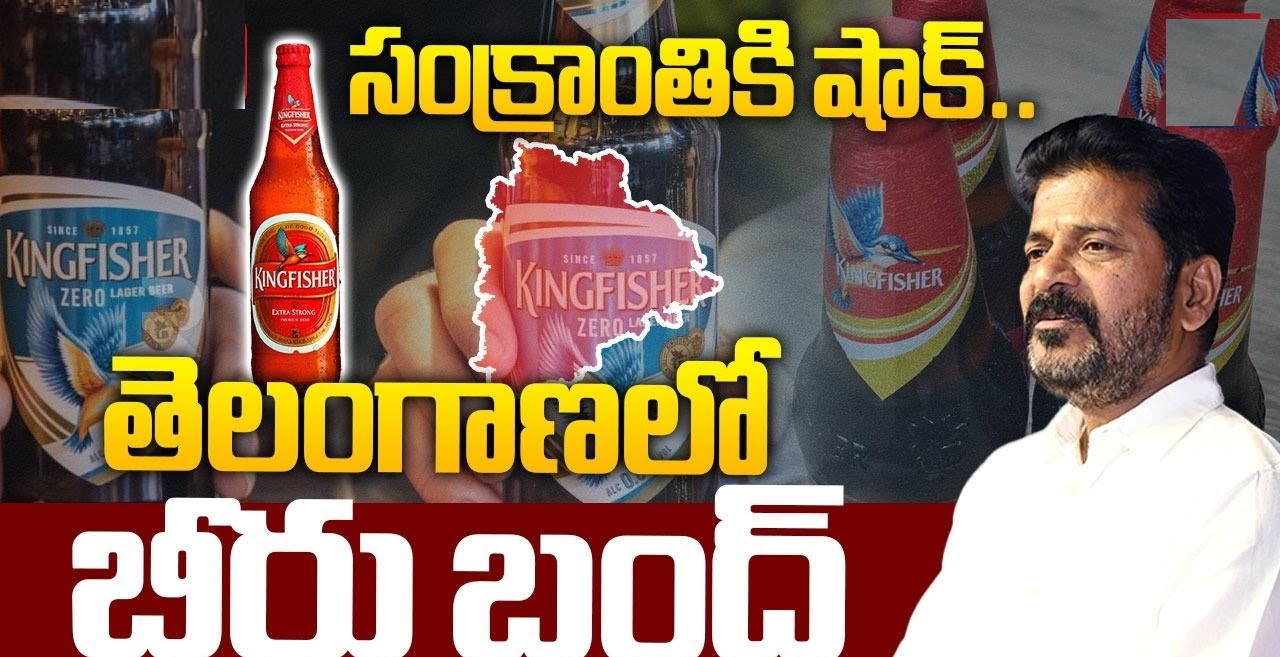
On January 8, 2025, United Breweries Limited (UBL) Suspends Beer Supply to Telangana Beverages Corporation Limited (TGBCL), one of the leading breweries in India, announced a pivotal decision to suspend its beer supply to Telangana Beverages Corporation Limited (TGBCL) with immediate effect. This decision was disclosed in compliance with Regulation 30 of the SEBI (Listing Obligations and Disclosure Requirements) Regulations, 2015. The move is set to impact the dynamics of the beverage industry in Telangana significantly. Thats means Kingfisher or Heineken beer will not be Supplyed for Telangana TGBCL.
Understanding the Context: SEBI Compliance and Disclosure
As a publicly listed company, UBL adheres to the SEBI Listing Obligations and Disclosure Requirements. The announcement of this decision ensures transparency and timely communication with stakeholders, including investors, customers, and regulatory authorities. The suspension highlights the challenges faced by UBL in continuing its operations with TGBCL, a key distributor in Telangana.
Reasons Behind the Suspension of Beer Supply
The decision to halt the beer supply to TGBCL was driven by two primary factors:
1. Unrevised Pricing Since 2019-20
TGBCL has not revised the basic price of UBL’s beer since the fiscal year 2019-20. This stagnant pricing structure has resulted in significant financial losses for UBL in the Telangana market. Despite rising production costs, the absence of a price revision has made it increasingly unsustainable for UBL to continue its supply under the current terms.
2. Unpaid Dues by TGBCL
Another critical factor contributing to this decision is the substantial overdue payments from TGBCL for previously supplied beer. The accumulation of unpaid dues has further strained UBL’s financial position, making the continuation of supply unfeasible. The lack of timely payments has undermined the company’s ability to recover its costs and maintain a profitable operation in the state.
Implications for Telangana’s Beverage Industry
Impact on UBL’s Business Operations
The suspension of beer supply to TGBCL is a significant step that reflects UBL’s commitment to protecting its financial interests. While this move may stabilize the company’s financial health in the short term, it also underscores the challenges of operating in regulated markets with state-controlled distributors.
Impact on TGBCL and Consumers
For TGBCL, this decision could disrupt the supply chain, leading to potential shortages of UBL’s popular beer brands in Telangana. Consumers may face limited availability of these products, potentially shifting demand to competitors.
Broader Industry Implications
This development highlights the need for transparent pricing mechanisms and timely payments in the beverage distribution sector. It also raises questions about the sustainability of state-controlled distribution models and their impact on suppliers.
The Way Forward for United Breweries Limited
To address these challenges, UBL may consider the following strategies:
1. Negotiating Revised Pricing with TGBCL
Engaging in discussions with TGBCL to establish a revised pricing structure that reflects current market conditions could pave the way for resuming supply. A mutually beneficial agreement would ensure fair pricing for both parties and help restore the supply chain.
2. Exploring Alternate Distribution Channels
UBL could explore alternative distribution channels to reduce dependence on state-controlled entities like TGBCL. Partnering with private distributors or expanding direct-to-consumer models could provide greater flexibility and financial stability.
3. Strengthening Financial Policies
Implementing stricter credit policies and ensuring timely payments from distributors can safeguard UBL’s financial interests. This approach would minimize the risk of overdue payments and improve cash flow.
Conclusion: A Strategic Decision for Long-Term Sustainability
The suspension of beer supply to TGBCL marks a critical juncture for United Breweries Limited. While the decision addresses immediate financial challenges, it also underscores the need for structural reforms in the beverage distribution sector. By prioritizing transparency, fair pricing, and timely payments, UBL can navigate these challenges and strengthen its position in the Indian market.
As the situation unfolds, stakeholders will closely monitor the impact of this decision on UBL’s operations and the beverage industry in Telangana. The company’s strategic actions in the coming months will play a crucial role in shaping its future trajectory.