The Alleged Letter: A Political Firestorm in Telangana
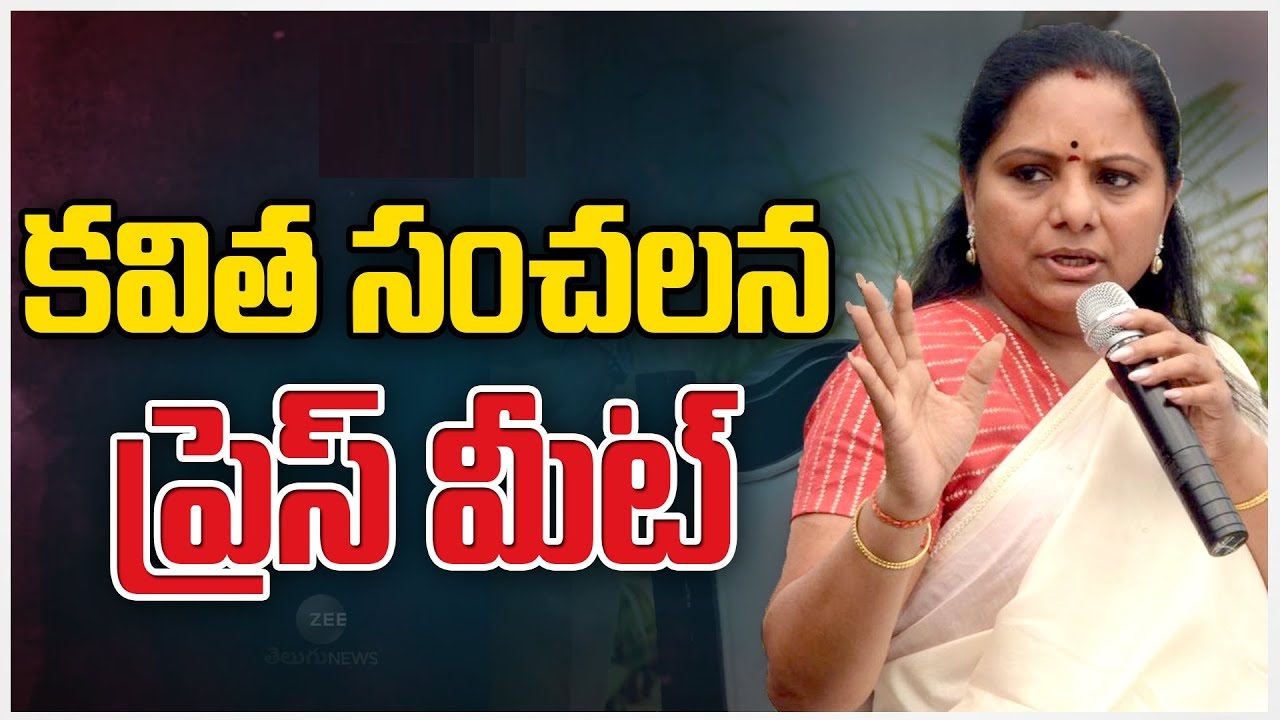
The political arena in Telangana has been abuzz with discussions about Kavitha letter to KCR and Its Implications for BRS Strategy Against BJP, a prominent BRS leader and daughter of KCR, the party’s founder and former Chief Minister of Telangana. According to media reports, the letter addresses KCR as “My Dear Daddy” and outlines a mix of positive and negative observations about the BRS’s current strategies. The most striking point, however, is Kavitha’s alleged call for the BRS to adopt a more aggressive stance against the BJP, a move that has raised eyebrows given the party’s perceived softening toward the national ruling party in recent times.
The letter’s emergence has not only fueled debates across media platforms but also prompted questions about its authenticity and purpose. Kavitha, reportedly in the United States at the time of the leak, has neither confirmed nor denied writing the letter, leaving room for speculation. The BRS leadership, meanwhile, has dismissed the letter as fake, with some leaders labeling it a Congress-orchestrated conspiracy to create rifts within the party. However, the absence of a direct denial from Kavitha herself has kept the controversy alive, making it a focal point for political analysts and observers.
Key Points of the Alleged Letter
The letter, as reported, touches on several critical aspects of the BRS’s political strategy:
- Critique of BJP Strategy: Kavitha allegedly urges KCR to intensify criticism of the BJP, suggesting that the party’s current approach may be sending the wrong signals to its voter base.
- Positive and Negative Feedback: The letter reportedly acknowledges the BRS’s achievements while pointing out areas where the party could improve, particularly in countering political opponents.
- Political Messaging: The tone of the letter suggests an intent to make a public political statement, possibly to reassert Kavitha’s influence within the BRS and signal her dissatisfaction with the party’s direction.
While the content of the letter does not appear to introduce groundbreaking revelations, its very existence—if authentic—raises questions about internal dynamics within the BRS and Kavitha’s role in shaping its future.
The Authenticity Debate: Real or Fabricated?
One of the central questions surrounding the letter is its authenticity. The BRS has been quick to label it a fabrication, with party leaders arguing that it is a calculated move by the Congress to sow discord within the BRS. The Congress, in turn, has distanced itself from the controversy, dismissing it as a “family matter” within the BRS and denying any involvement in its creation or dissemination.
Media Coverage and Credibility
The letter has received extensive coverage across multiple media outlets, lending it a degree of credibility despite the lack of official confirmation. In the world of journalism, credible outlets typically verify their sources before running such stories. The widespread coverage suggests that at least some media houses believe the letter holds weight, even if its origins remain murky. However, the absence of a direct statement from Kavitha—either confirming or denying the letter—has left room for doubt. If the letter is indeed fake, why has Kavitha not publicly disowned it? This question has fueled further speculation about her intentions and the letter’s purpose.
Political Motivations Behind the Leak
If the letter is authentic, its leak suggests a deliberate attempt to make a political statement. In Indian politics, internal party communications are rarely made public unless there is a strategic motive. The leak could serve multiple purposes:
- Signaling Discontent: Kavitha may be expressing dissatisfaction with her current role or the BRS’s broader strategy, using the letter to pressure KCR into addressing her concerns.
- Shaping Public Perception: By urging a stronger stance against the BJP, Kavitha could be attempting to reposition the BRS as a more assertive opposition force in Telangana.
- Testing the Waters: The letter could be a calculated move to gauge public and party reactions to a potential shift in the BRS’s political strategy.
If the letter is fabricated, it could be an attempt by rival parties to destabilize the BRS by highlighting perceived internal rifts. Either way, the controversy has succeeded in drawing attention to the BRS’s internal dynamics and its positioning vis-à-vis the BJP and Congress.
Political Context: BRS, BJP, and Congress in Telangana
To understand the significance of the alleged letter, it’s essential to examine the broader political context in Telangana. The BRS, which ruled the state for a decade under KCR’s leadership, faced a significant setback in the 2023 assembly elections, losing power to the Congress. Since then, the party has been navigating a challenging political landscape, with the BJP emerging as a formidable force in the opposition space.
BRS’s Evolving Stance on the BJP
Historically, KCR’s approach to the BJP has been pragmatic, oscillating between cooperation and criticism depending on political necessities. During the early years of Telangana’s formation, KCR maintained a relatively cordial relationship with the BJP-led central government to secure funds and support for the state. However, as the BJP’s influence grew in Telangana, particularly after strong performances in by-elections like Dubbaka and Huzurabad, KCR adopted a more critical stance.
The alleged letter from Kavitha suggests that the BRS’s current approach to the BJP may be too lenient, potentially alienating its core voter base. This perception is not new; political analysts have long noted that the BRS’s reluctance to aggressively confront the BJP has led to speculation about a possible alliance. Such speculation gained traction during the MLC elections, where critics accused the BRS of indirectly supporting the BJP by not fielding a strong candidate.
Congress’s Role in the Controversy
The Congress, now in power in Telangana under Chief Minister Revanth Reddy, has capitalized on the letter controversy to portray the BRS as a divided house. By dismissing the letter as a “family matter,” the Congress has sought to distance itself from the controversy while subtly fanning the flames of speculation. This strategy aligns with the Congress’s broader goal of consolidating its position in Telangana by weakening its primary rival, the BRS.
However, the Congress’s own vulnerabilities—such as public dissatisfaction with its governance—make it wary of engaging too deeply in this controversy. The party’s focus remains on countering the BJP’s growing influence in Telangana, particularly in the opposition space, where the BJP and BRS are vying for dominance.
The Family Factor: Kavitha, KCR, and Internal Dynamics
The alleged letter has also brought the BRS’s family-centric structure into the spotlight. The BRS, like many regional parties in India, is heavily influenced by KCR’s family, with key roles held by KCR, his son K.T. Rama Rao (KTR), and Kavitha. This family-dominated structure has been both a strength and a vulnerability for the party.
Kavitha’s Role and Ambitions
Kavitha, as an MLC and a prominent face of the BRS, has been a key player in the party’s outreach efforts, particularly among women and youth. However, her influence within the party has often been overshadowed by KTR, who is seen as KCR’s heir apparent. The alleged letter could be an attempt by Kavitha to assert her relevance and push for a more prominent role in shaping the BRS’s future.
If authentic, the letter suggests that Kavitha feels sidelined within the party and is seeking greater recognition. By addressing the letter to KCR and allowing it to leak, she may be signaling her discontent while simultaneously positioning herself as a voice of reform within the BRS. This move, however, carries risks, as it could deepen internal rifts and damage the party’s public image.
Comparisons with Other Political Families
The BRS’s family dynamics bear similarities to other political families in India, such as the YSR family in Andhra Pradesh. In Andhra Pradesh, Y.S. Jagan Mohan Reddy’s YSR Congress Party (YSRCP) faced challenges due to tensions with his sister, Y.S. Sharmila, who joined the Congress and campaigned against him. While Sharmila’s actions did not single-handedly lead to Jagan’s defeat in the 2024 elections, they contributed to a narrative of disunity within the YSRCP.
Similarly, if Kavitha’s alleged letter reflects genuine discontent, it could weaken the BRS’s cohesion and provide ammunition to its rivals. However, unlike Sharmila, Kavitha has not publicly broken ranks with the BRS or joined another party. Her actions, if the letter is authentic, appear to be more about influencing the BRS’s direction from within rather than challenging KCR’s leadership outright.
Strategic Implications for the BRS
The letter controversy, whether real or fabricated, has significant implications for the BRS’s strategy moving forward. The party faces a delicate balancing act as it navigates its role as the primary opposition in Telangana while contending with the BJP’s growing influence.
Targeting the BJP: A Double-Edged Sword
Kavitha’s alleged call for a more aggressive stance against the BJP reflects a broader debate within the BRS about how to position itself in Telangana’s polarized political landscape. On one hand, targeting the BJP could help the BRS reclaim its image as a staunch regional force committed to Telangana’s interests. This approach could resonate with voters who view the BJP as a national party with limited local connect.
On the other hand, an overtly anti-BJP stance could limit the BRS’s flexibility in forming future alliances. Regional parties in India often maintain pragmatic relationships with the BJP to secure political or developmental benefits. By softening its criticism of the BJP, the BRS may be keeping its options open for a potential alliance, especially if the Congress’s governance falters.
Internal Cohesion and Public Perception
The letter controversy has exposed potential fault lines within the BRS, particularly around Kavitha’s role and the party’s family-centric structure. If the letter is authentic, it suggests that Kavitha is willing to take bold steps to assert her influence, even at the risk of creating internal discord. For KCR, managing these dynamics will be crucial to maintaining party unity and projecting a strong image to voters.
Public perception is another critical factor. The BRS’s decade-long rule in Telangana was marked by strong leadership under KCR, but the 2023 election loss highlighted vulnerabilities in its voter base. The letter controversy, if not addressed effectively, could reinforce perceptions of disunity and weaken the BRS’s credibility as a united opposition force.
The Broader Political Landscape: Lessons from Andhra Pradesh
The BRS’s challenges in Telangana share parallels with the YSRCP’s experience in neighboring Andhra Pradesh. The YSRCP’s defeat in the 2024 elections was attributed to multiple factors, including governance issues, economic challenges, and internal rifts amplified by Sharmila’s opposition. While Sharmila’s role was not the sole reason for Jagan’s loss, it contributed to a narrative of division that opponents exploited.
In Telangana, the BRS must avoid a similar fate. If Kavitha’s alleged letter reflects genuine discontent, the party will need to address it internally to prevent it from becoming a public relations disaster. Unlike Sharmila, who openly opposed Jagan, Kavitha’s actions appear to be more subtle, aimed at influencing the BRS’s strategy rather than breaking away. However, the longer the controversy lingers without a clear resolution, the greater the risk to the BRS’s image.
The Role of Opposition Dynamics
In both Telangana and Andhra Pradesh, the opposition space is highly contested. In Telangana, the BJP has emerged as a significant player, particularly after its strong showing in by-elections and local body polls. The BRS’s reluctance to aggressively confront the BJP may stem from a strategic calculation to avoid alienating voters who are disillusioned with the Congress but wary of the BJP’s national agenda.
In Andhra Pradesh, the YSRCP faces a different challenge, with the BJP as part of the ruling National Democratic Alliance (NDA) coalition alongside the Telugu Desam Party (TDP) and Jana Sena Party (JSP). Jagan’s decision to maintain a neutral stance toward the BJP reflects his need to preserve political flexibility, especially given the YSRCP’s weakened position after the 2024 elections.
Moving Forward: What’s Next for the BRS?
As the BRS navigates this controversy, several key steps will determine its ability to emerge stronger:
Addressing the Letter Controversy
The BRS must address the letter controversy head-on to prevent it from becoming a lingering distraction. If the letter is authentic, Kavitha and KCR should engage in open dialogue to resolve any underlying tensions. If it is fabricated, the party should work to discredit the narrative while reinforcing its unity.
Clarifying the BJP Strategy
The BRS needs to clarify its stance on the BJP to avoid sending mixed signals to its voter base. A balanced approach—criticizing the BJP on key issues like federalism and state rights while maintaining room for pragmatic cooperation—could help the party appeal to a broad spectrum of voters.
Strengthening Internal Cohesion
To counter perceptions of disunity, the BRS should ensure that Kavitha, KTR, and other key leaders present a united front. Public displays of solidarity, such as joint appearances or statements, could help dispel rumors of internal rifts.
Engaging with Voters
Ultimately, the BRS’s success will depend on its ability to reconnect with voters. By focusing on issues like development, employment, and regional pride, the party can rebuild its support base and counter the BJP’s growing influence in Telangana.
Conclusion: A Test of Resilience for the BRS
The alleged letter from Kavitha to KCR has brought the BRS’s internal dynamics and political strategy into sharp focus. Whether authentic or fabricated, the controversy underscores the challenges of maintaining unity and relevance in a competitive political landscape. For the BRS, the path forward involves addressing internal tensions, clarifying its stance on the BJP, and reconnecting with voters to reclaim its position as Telangana’s leading political force.
As Telangana’s political drama unfolds, the BRS’s ability to navigate this controversy will be a test of its resilience and adaptability. For Kavitha, the letter—if real—represents a bold move to assert her influence and shape the party’s future. For KCR, it is a reminder of the delicate balance between family dynamics and political leadership. And for Telangana’s voters, it is a glimpse into the complex interplay of power, strategy, and ambition that defines their state’s politics.