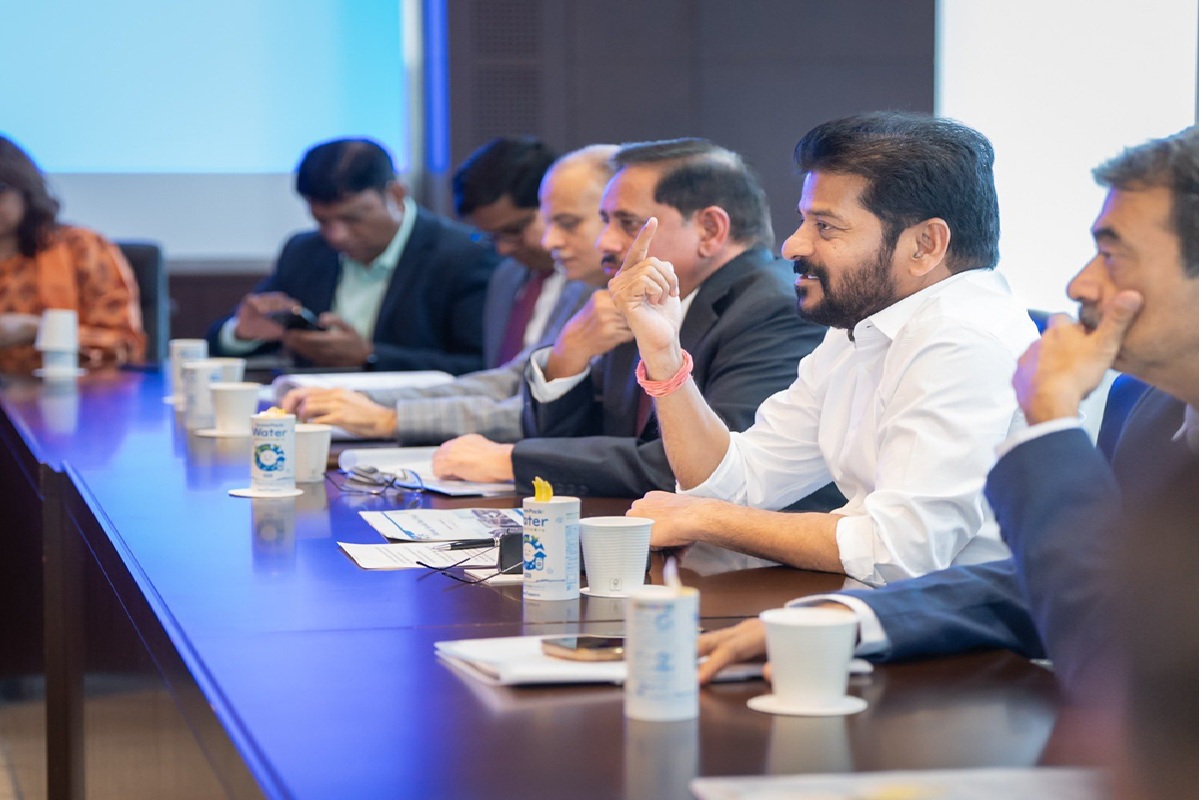
Telangana is poised for a transformative leap in infrastructure development, with the state government actively pursuing a ₹11,693 crore long-term loan from the Japan International Cooperation Agency (JICA) to fund the ambitious Metro Rail Phase 2 project. This initiative, alongside other critical urban development projects like the Musi River rejuvenation and radial road networks, underscores Telangana’s commitment to modernizing its urban landscape and fostering sustainable growth. In a high-profile meeting in Tokyo, Chief Minister Revanth Reddy engaged with JICA’s senior leadership to secure financial backing, signaling a strategic partnership aimed at elevating Telangana’s infrastructure to global standards.
This article delves into the details of Telangana’s infrastructure agenda, the significance of the JICA loan, and the state’s vision for sustainable urban development. With a focus on Metro Rail Phase 2, Musi River rejuvenation, and enhanced road connectivity, we explore how these projects will reshape Telangana’s future and position it as a hub of economic and environmental progress.
Telangana’s Vision for Infrastructure Excellence
Telangana has emerged as a frontrunner in India’s urban development landscape, with a clear roadmap to enhance connectivity, sustainability, and quality of life for its residents. The state’s infrastructure agenda prioritizes projects that address rapid urbanization, traffic congestion, and environmental challenges. By seeking international funding from JICA, Telangana demonstrates its proactive approach to leveraging global expertise and financial resources to achieve these goals.
The ₹11,693 crore loan request for Metro Rail Phase 2 is a cornerstone of this vision. With an estimated total cost of ₹24,269 crore, the metro expansion aims to revolutionize public transportation in Hyderabad, easing traffic congestion and reducing carbon emissions. Additionally, the state’s plans for Musi River rejuvenation and radial road development reflect a holistic approach to urban planning, addressing both environmental and logistical needs.
Why JICA Funding Matters
The Japan International Cooperation Agency (JICA) is a globally recognized institution known for providing low-interest, long-term loans to support sustainable development projects. Telangana’s decision to partner with JICA reflects a strategic move to secure affordable financing while adhering to international standards of transparency and accountability. JICA’s involvement also brings technical expertise, ensuring that projects like Metro Rail Phase 2 are executed with precision and efficiency.
During the Tokyo meeting, Chief Minister Revanth Reddy emphasized Telangana’s commitment to complying with India’s external borrowing norms. This assurance underscores the state’s dedication to maintaining fiscal discipline while pursuing ambitious infrastructure goals. JICA Vice President Shohei Hara acknowledged the longstanding partnership between JICA and Telangana, reinforcing the agency’s willingness to support the state’s proposals, provided they are routed through India’s central government for formal approval.
Metro Rail Phase 2: Transforming Hyderabad’s Urban Mobility
Hyderabad’s Metro Rail has already established itself as a lifeline for millions of commuters, offering a reliable and efficient alternative to road-based transport. With Phase 1 covering key routes across the city, Metro Rail Phase 2 is set to expand this network, connecting underserved areas and accommodating the city’s growing population.
Key Features of Metro Rail Phase 2
- Expanded Coverage: Phase 2 will extend the metro network to new corridors, improving access to residential, commercial, and industrial hubs.
- Cost and Funding: The project’s total estimated cost is ₹24,269 crore, with Telangana seeking ₹11,693 crore from JICA as a long-term loan to cover a significant portion of the expenses.
- Sustainability Focus: By promoting public transportation, the metro expansion aims to reduce reliance on private vehicles, lowering greenhouse gas emissions and alleviating traffic congestion.
- Economic Impact: The project is expected to create thousands of jobs during construction and operation, boosting Hyderabad’s economy.
The Metro Rail Phase 2 project aligns with Telangana’s broader goal of building a smart, sustainable city. By integrating advanced technologies and eco-friendly practices, the metro system will serve as a model for urban mobility across India.
Challenges and Opportunities
While the metro expansion presents immense opportunities, it also comes with challenges. Securing funding, acquiring land, and minimizing disruptions during construction are critical hurdles that the state must navigate. However, Telangana’s proactive engagement with JICA and its adherence to regulatory guidelines demonstrate a commitment to overcoming these obstacles.
The partnership with JICA also opens doors for knowledge transfer and capacity building. By leveraging Japan’s expertise in metro systems, Telangana can ensure that Phase 2 meets global standards of safety, efficiency, and reliability.
Musi River Rejuvenation: Restoring an Environmental and Cultural Icon
The Musi River, once a vital lifeline for Hyderabad, has faced significant environmental degradation due to urbanization and industrial pollution. Telangana’s ambitious Musi River rejuvenation project aims to restore the river’s ecological health while transforming it into a vibrant public space for residents and tourists.
Objectives of the Musi River Rejuvenation Project
- Environmental Restoration: The project focuses on cleaning the river, reducing pollution, and restoring its natural flow to support aquatic ecosystems.
- Urban Beautification: Plans include developing riverfront promenades, parks, and recreational spaces to enhance Hyderabad’s aesthetic appeal.
- Economic Boost: The rejuvenated riverfront is expected to attract tourism and commercial investments, creating new revenue streams for the state.
- Community Engagement: The project emphasizes involving local communities in conservation efforts, fostering a sense of ownership and pride.
Telangana’s request for JICA funding for the Musi River project highlights the state’s commitment to balancing urban development with environmental sustainability. By revitalizing the river, Hyderabad can reclaim its historical and cultural heritage while addressing modern environmental challenges.
Global Inspiration for Musi River Rejuvenation
Telangana is drawing inspiration from successful river restoration projects worldwide, such as the Thames River in London and the Han River in Seoul. These projects demonstrate how strategic planning and international collaboration can transform degraded waterways into thriving urban assets. With JICA’s support, Telangana aims to replicate this success, creating a model for river rejuvenation in India.
Radial Roads: Enhancing Connectivity to the Outer Ring Road
In addition to the metro and river projects, Telangana is prioritizing the development of radial roads to connect the Regional Ring Road (RRR) to the Outer Ring Road (ORR). This initiative aims to improve regional connectivity, reduce travel times, and support economic growth in Hyderabad’s peri-urban areas.
Benefits of Radial Road Development
- Improved Accessibility: Radial roads will provide seamless connectivity between Hyderabad’s core and its surrounding regions, facilitating the movement of goods and people.
- Traffic Decongestion: By offering alternative routes, these roads will reduce pressure on existing highways and urban roads.
- Economic Growth: Enhanced connectivity will attract investments in real estate, logistics, and manufacturing, driving job creation and economic development.
- Support for Regional Ring Road: The radial roads will complement the RRR, creating a robust transportation network that supports Hyderabad’s expansion.
The radial road project is a critical component of Telangana’s infrastructure strategy, ensuring that the benefits of urban development extend beyond Hyderabad’s city limits. By securing JICA funding, the state aims to accelerate the implementation of this project, delivering tangible benefits to residents and businesses.
Telangana’s Strategic Partnership with JICA
The Tokyo meeting between Chief Minister Revanth Reddy and JICA officials marks a significant milestone in Telangana’s infrastructure journey. By engaging directly with JICA’s leadership, Reddy showcased Telangana’s proactive approach to securing international support for its development agenda.
Key Takeaways from the Tokyo Meeting
- Commitment to Transparency: Reddy assured JICA that Telangana would adhere to India’s external borrowing norms, ensuring accountability in the use of funds.
- Long-Standing Ties: JICA Vice President Shohei Hara highlighted the agency’s history of collaboration with Telangana, expressing optimism about future partnerships.
- Central Government Coordination: Hara advised routing the funding proposals through India’s central government, aligning with standard procedures for international loans.
This strategic partnership positions Telangana to access not only financial resources but also JICA’s technical expertise and global best practices. The collaboration is expected to set a precedent for other Indian states seeking international funding for infrastructure development.
Economic and Social Impacts of Telangana’s Infrastructure Projects
The combined impact of Metro Rail Phase 2, Musi River rejuvenation, and radial road development will be transformative for Telangana. These projects are expected to deliver a range of economic, social, and environmental benefits, positioning the state as a leader in sustainable urban development.
Economic Benefits
- Job Creation: Construction and operation of these projects will generate thousands of direct and indirect jobs, boosting local economies.
- Investment Attraction: Improved infrastructure will make Telangana a more attractive destination for domestic and international investors.
- Revenue Growth: Tourism, real estate, and commercial activities along the Musi River and metro corridors will create new revenue streams for the state.
Social Benefits
- Enhanced Quality of Life: Improved public transportation and recreational spaces will enhance the quality of life for Hyderabad’s residents.
- Community Empowerment: Involving local communities in projects like Musi River rejuvenation will foster social cohesion and civic pride.
- Accessibility: Expanded metro and road networks will improve access to education, healthcare, and employment opportunities.
Environmental Benefits
- Reduced Carbon Footprint: Metro Rail Phase 2 will encourage the use of public transportation, reducing reliance on fossil fuel-based vehicles.
- Ecosystem Restoration: The Musi River project will revive local biodiversity and improve water quality, benefiting both humans and wildlife.
- Sustainable Urban Planning: These projects prioritize eco-friendly practices, setting a standard for sustainable development in India.
Challenges and the Path Forward
While Telangana’s infrastructure agenda is ambitious, it is not without challenges. Securing funding, navigating regulatory approvals, and managing project timelines are critical hurdles that require careful planning and execution. Additionally, engaging local communities and addressing environmental concerns will be essential to ensuring the long-term success of these initiatives.
Strategies for Success
- Stakeholder Collaboration: Engaging central and state governments, JICA, and local communities will ensure alignment and support for the projects.
- Transparent Execution: Adhering to regulatory guidelines and maintaining transparency in fund utilization will build trust among stakeholders.
- Public Awareness: Educating residents about the benefits of these projects will foster public support and participation.
Telangana’s proactive approach, as demonstrated by the Tokyo meeting, positions the state to overcome these challenges and deliver on its infrastructure promises.
Conclusion: A Blueprint for Sustainable Urban Development
Telangana’s pursuit of a ₹11,693 crore JICA loan for Metro Rail Phase 2, Musi River rejuvenation, and radial road development reflects a bold vision for sustainable urban growth. By prioritizing connectivity, environmental restoration, and economic development, the state is laying the foundation for a modern, inclusive, and resilient future.
The partnership with JICA not only provides financial support but also brings global expertise, ensuring that these projects meet international standards of excellence. As Telangana moves forward with its infrastructure agenda, it sets a powerful example for other Indian states, demonstrating how strategic planning and international collaboration can transform urban landscapes.
With Metro Rail Phase 2 set to redefine Hyderabad’s mobility, the Musi River poised for a vibrant revival, and radial roads enhancing regional connectivity, Telangana is on track to become a global model for sustainable urban development. The state’s commitment to transparency, sustainability, and community engagement ensures that these projects will deliver lasting benefits for generations to come.