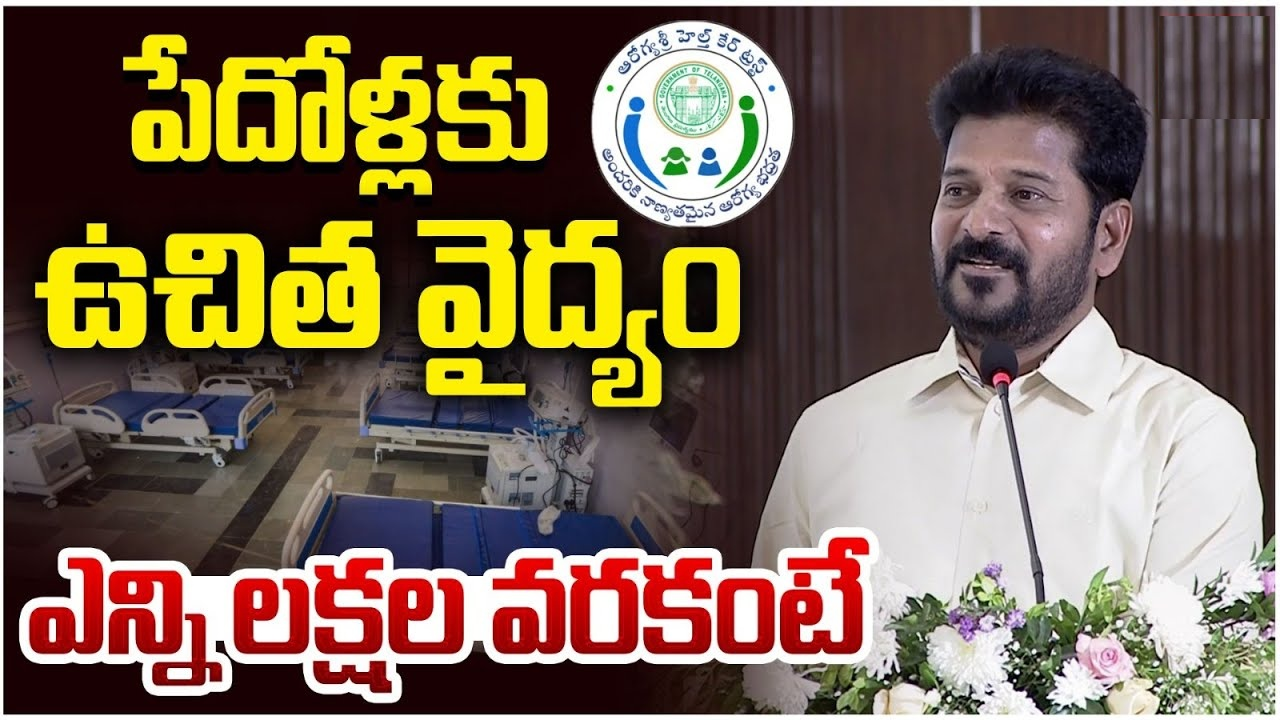
The healthcare landscape in Telangana has undergone a remarkable transformation, with government hospitals now offering world-class medical treatments that were once exclusive to expensive private facilities. Through innovative schemes like Aarogyasri Free Medical Treatment in Telangana up to 10 Lakhs and substantial government investment, these states have created a robust network of public healthcare institutions providing free or highly subsidized medical services, literally saving millions of rupees for ordinary citizens who previously faced financial ruin when confronting serious health conditions.
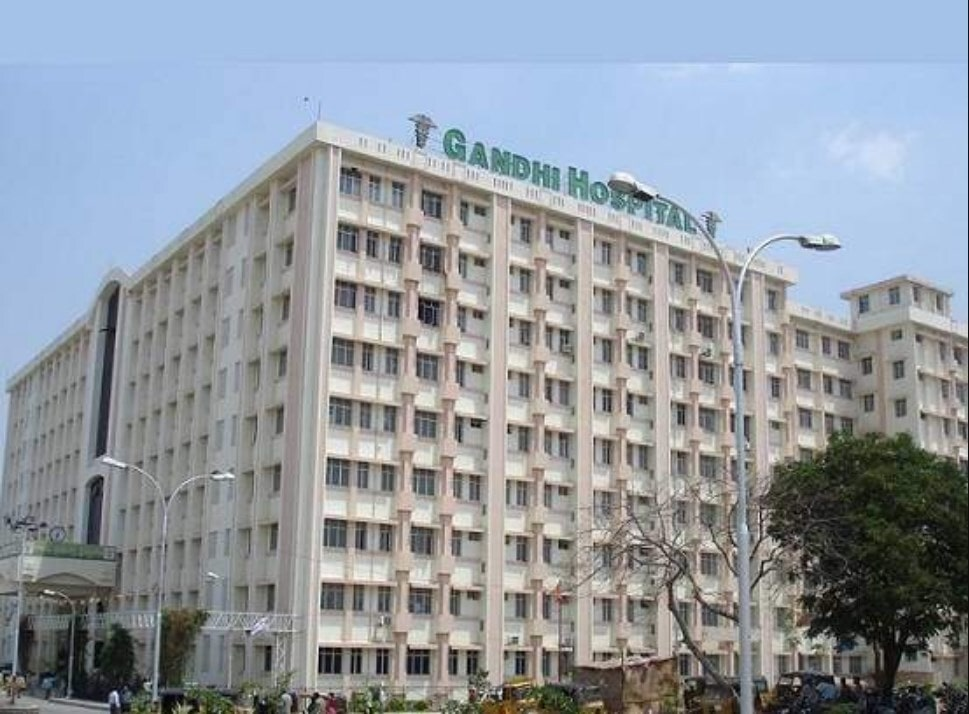
Gandhi Hospital in Hyderabad, a prominent government hospital providing advanced healthcare services
Advanced Robotic Surgery: Bringing Cutting-Edge Technology to Public Hospitals
NIMS Leads India’s Government Hospital Revolution
The Nizam’s Institute of Medical Sciences (NIMS) in Hyderabad has achieved a groundbreaking milestone by becoming the first government hospital in India to offer robotic surgery services. With a massive investment of ₹35 crore by the Telangana government, NIMS installed a state-of-the-art Da Vinci robotic surgical system in July 2023. Within just one year of operation, the hospital completed an impressive 300 robotic-assisted surgeries, making it one of the fastest government hospitals in India to reach this milestone.
The robotic surgery program at NIMS covers complex procedures across multiple departments including urology, gastrointestinal surgery, and surgical oncology. Specific procedures performed include prostate cancer surgeries, partial nephrectomy, radical nephrectomy, radical cystectomy, pyeloplasty, pancreatectomy, gastrectomy, and colorectal surgeries. Under the Aarogyasri scheme, these surgeries are completely free for eligible patients, while others pay 40% less than private hospital charges.
Medical team at Hyderabad’s NIMS hospital inaugurating a robotic surgery system for advanced cancer treatment
MNJ Cancer Hospital: Robotic Cancer Treatment for All
The MNJ Institute of Oncology Regional Cancer Center has also embraced robotic technology for cancer treatment. This government facility now offers robotic cancer surgeries for esophageal, liver, kidney, and colorectal cancers completely free of charge. Additionally, expensive diagnostic procedures like PET scans, which typically cost lakhs in private hospitals, are provided free at MNJ. The hospital has implemented a day-care system for chemotherapy to reduce delays and improve patient experience
Comprehensive Cancer Care: A Lifeline for the Underprivileged
MNJ Cancer Hospital: India’s Largest Government Cancer Center
MNJ Cancer Hospital stands as a beacon of hope for cancer patients across South India. Established in 1955 and inaugurated by India’s first Prime Minister Pandit Jawaharlal Nehru, this 250-bed comprehensive cancer center serves as the only comprehensive tertiary cancer center of the Telangana state government. The hospital’s impressive statistics demonstrate its massive impact:
- Over 10,000 new cancer patients register annually
- More than 110,000 patients visit for follow-up treatments each year
- 1,500 major surgeries and 1,000 minor surgeries performed annually
- 300 patients receive radiotherapy daily
- 300 patients receive chemotherapy daily
- More than 150,000 cancer-related investigations conducted yearly
The hospital provides surgery, radiotherapy, medical oncology, and palliative care services free of cost to all patients below the poverty line. International patients, including those from countries like Nigeria, also seek treatment at this facility, testament to its quality and affordability.
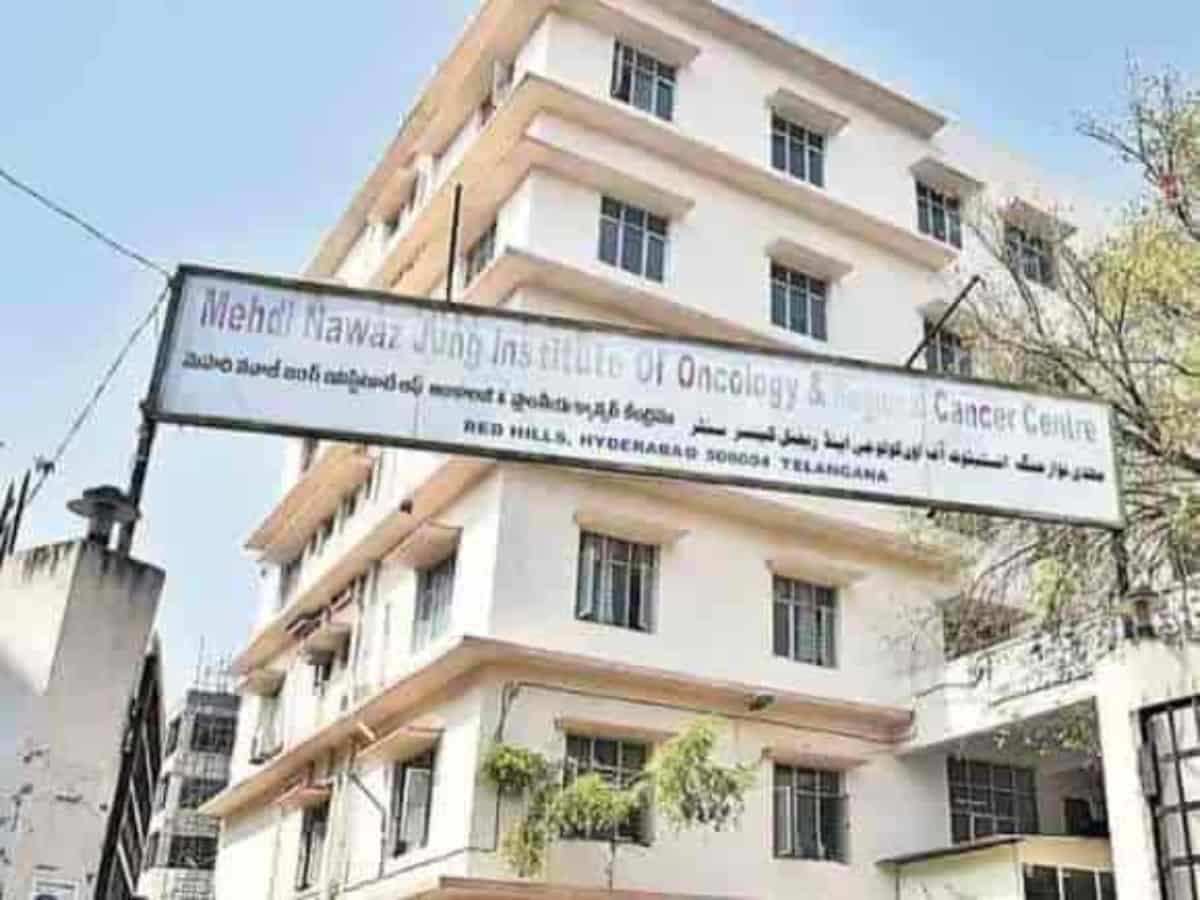
Mehdi Nawaz Jung Institute of Oncology & Regional Cancer Centre in Hyderabad government hospital providing cancer treatment siasat
Expanding Cancer Care Across States
Cancer treatment services have been extended to district-level hospitals across both states. In Andhra Pradesh, Vijaywada’s Government Hospital offers cancer medical services every Tuesday and Friday, while Kakinada Government General Hospital provides quality cancer treatment. The Adilabad RIMS-affiliated super specialty hospital has been conducting cancer and kidney surgeries for the past two years. Even in tribal areas like Mulugu Government Hospital, oncology services have been introduced.
Diabetic Retinopathy Treatment: Preserving Vision for Diabetics
Sarojini Devi Eye Hospital: A Regional Powerhouse
Sarojini Devi Eye Hospital in Hyderabad has emerged as a crucial facility for diabetic retinopathy treatment. This 557-bed government eye hospital has witnessed a dramatic increase in diabetic retinopathy cases, with daily cases nearly doubling from 40-60 to 80-100 patients over the past two years. The hospital is upgrading its infrastructure with ₹6 crore worth of new equipment to handle the growing caseload.
The facility provides lifetime free treatment for diabetic retinopathy, a condition that can lead to blindness if untreated. Similar services are available at Kakinada Government Hospital in Andhra Pradesh. The hospital serves as a regional referral center for Telangana and Andhra Pradesh, treating patients from neighboring states as well.
Hospital ward with multiple beds and medical monitors, typical of a government hospital dialysis or treatment center
Revolutionary IVF Services: Making Parenthood Accessible
Government IVF Centers Transform Fertility Treatment
Telangana government has launched an ambitious program to provide free IVF (In Vitro Fertilization) treatment through government hospitals. The Gandhi Hospital became the first government hospital in Telangana to offer IVF services in October 2023. The ₹4.15 crore facility at Petlaburj Government Maternity Hospital spans 4,300 square feet and is divided into sterile, semi-sterile, and non-sterile zones.
Current statistics show promising results:
- Gandhi Hospital: Over 20 patients undergoing fertility treatment, 5 identified for IVF
- Petlaburj Hospital: 40+ patients identified for IUI treatment, 7 for IVF
- Total planned centers: 5 facilities across the state (including Karimnagar, Warangal, and Khammam)
These services, which typically cost ₹1-2 lakh per cycle in private hospitals, are provided completely free including all investigations, hormonal therapy, and follow-ups.
Dialysis Services: Life-Saving Treatment Without Financial Burden
Comprehensive Dialysis Network
The government has established an extensive network of free dialysis centers across both states. Under the Aarogyasri scheme, patients receive ₹18,500 per month for 10-12 dialysis sessions. Key facilities include:
Gandhi Hospital and Osmania Hospital provide completely free dialysis services. NIMS offers free dialysis under Aarogyasri. The Malakpet Government Hospital’s dialysis center has become a remarkable success story, serving 32,040 patients since 2017 with growth from just 70 patients in 2017 to 7,794 total patients treated. The center achieved a record 910 patients in a single month.
The hub-and-spoke dialysis model implemented in 2017 connects 3 hub hospitals (Osmania, Gandhi, and NIMS) with 46 spoke centers throughout Telangana. Additionally, 5,000 hemodialysis patients receive Aasra pension of ₹2,000 per month to help cover healthcare expenses, and kidney patients receive free bus passes to travel to dialysis facilities.

Cost comparison between private and government hospitals for major medical procedures in Telangana, showing significant savings for patients using government healthcare services
Orthopedic Excellence: Free Joint Replacements and Advanced Surgeries
Knee and Hip Replacement Services
Government hospitals in Telangana now offer free knee and hip replacement surgeries that typically cost ₹6-8 lakh in private hospitals. Osmania General Hospital and Gandhi Hospital have successfully established knee replacement programs, with Gandhi Hospital achieving a record of 3 knee replacement surgeries within 12 hours. The Warangal KMC-affiliated super specialty hospital performs hundreds of knee surgeries and also provides free cardiac stents under Aarogyasri.
NIMS offers knee replacement free under Aarogyasri, and even without the scheme, charges 40% less than private hospitals. Siddipet Government Medical College has also begun performing knee replacement surgeries, expanding access across the state.
Geriatric Care: Specialized Services for Elderly Citizens
Dedicated Elderly Care Programs
Gandhi Hospital has established a specialized Geriatric Department with separate 20-bed wards for male and female elderly patients. The department provides comprehensive free healthcare services for seniors, including specialized care for age-related health issues. NIMS also offers geriatric services, ensuring elderly citizens receive appropriate medical attention tailored to their unique needs.
The geriatric wards offer comfortable environments with specialized medical facilities, yoga, and meditation programs for elderly patients. However, awareness about these services remains low, with current utilization being minimal despite the significant investment in infrastructure and specialized staff.
Comprehensive Specialty Services Across Districts
District-Level Super Specialty Care
Government hospitals across both states now offer an impressive array of super specialty services at the district level:
Guntur GGH provides 11 super specialty medical services including plastic surgery, cardiology, CTVS, and gastroenterology. Ongole GGH offers services across seven departments. Kakinada Government General Hospital provides comprehensive care across nine specialties including plastic surgery, pediatric surgery, neurology, neurosurgery, urology, nephrology, and oncology without any cost to patients.
Kurnool GGH’s Cardio Thoracic Department performs heart surgeries. Vijaywada Government Hospital offers plastic surgery services every Monday and Thursday, with the neurosurgery department performing 70-80 surgeries monthly.
Comprehensive diabetes care facilities are available in Visakhapatnam, Guntur, Kurnool, Vijaywada, and Tirupati, providing integrated treatment for diabetic patients.

Annual patient volumes and treatment statistics at major government hospitals in Telangana, demonstrating the massive scale of free healthcare services provided to the population
The Aarogyasri Revolution: India’s Pioneering Health Insurance Scheme
Comprehensive Coverage and Impact
The Dr. YSR Aarogyasri scheme stands as one of India’s most successful health insurance programs. Recently enhanced by the Congress government, the scheme now provides:myhealthhospitals+1
- ₹10 lakh annual coverage per family (increased from ₹5 lakh)
- 2.84 crore beneficiaries across the state
- 1,672 medical treatments covered
- 1,402 empaneled hospitals statewide
- Coverage for over 1,000 medical procedures including cardiac surgery, cancer treatment, kidney transplants, neurosurgery, and orthopedic surgeries
The scheme has revolutionized healthcare access for economically disadvantaged families, ensuring that no individual is denied quality healthcare due to financial constraints. The program operates on a cashless basis, eliminating out-of-pocket expenses for eligible beneficiaries.
Financial Impact and Cost Savings
Massive Economic Relief for Families
The financial relief provided by government healthcare services represents a revolutionary change for ordinary families. A comparative analysis reveals staggering cost differences:
- Robotic Surgery: Private cost ₹3+ lakh vs. Free in government hospitals
- Knee Replacement: Private cost ₹6-8 lakh vs. Free in government hospitals
- IVF Treatment: Private cost ₹1-2 lakh per cycle vs. Free in government hospitals
- Monthly Dialysis: Private cost ₹1,500-3,000 per session vs. Free in government hospitals
- Cancer Treatment: Private cost several lakhs vs. Free in government hospitals
These savings represent life-changing financial relief for families who previously faced bankruptcy when confronting serious medical conditions.
Infrastructure Investment and Modernization
Unprecedented Government Commitment
The Telangana government’s healthcare infrastructure investment has been massive and strategic. Key investments include:
- ₹35 crore for NIMS robotic surgery system
- ₹16.5 crore for three IVF centers
- ₹6 crore for Sarojini Devi Eye Hospital upgrades
- ₹4.15 crore for Petlaburj IVF facility
- ₹1,200 crore for Warangal Multi Super Specialty Hospital (under construction)
This represents the largest healthcare infrastructure upgrade in the region’s history, transforming government hospitals into world-class medical facilities.
Challenges and Future Expansion
Addressing Growing Demand
Despite remarkable progress, challenges remain in meeting the overwhelming demand for services. Long waiting times, overcrowding, and insufficient awareness about available services continue to affect optimal utilization. The Warangal Multi Super Specialty Hospital, designed as a 2,250-bed facility with 35 departments, aims to address northern Telangana’s healthcare needs but faces construction delays.
MGM Hospital in Warangal, currently serving as the primary referral center for six northern Telangana districts, faces infrastructure challenges with crumbling walls and leaking ceilings while serving 500-600 outpatients daily. The hospital operates beyond its 1,000-bed capacity, currently accommodating 1,200 inpatients.
Regional Healthcare Hubs and Medical Tourism Potential
Transforming Healthcare Geography
The strategic development of healthcare infrastructure is positioning these states as regional healthcare hubs. The upcoming Warangal Health City aims to attract medical tourism and develop the region into a major healthcare destination. With 36 super specialty divisions and over 500 doctors planned, the facility will serve not only Telangana but also bordering districts of Maharashtra and Chhattisgarh.
Similarly, comprehensive cancer care networks, robotic surgery capabilities, and specialized treatment centers are attracting patients from neighboring states including Karnataka, Maharashtra, and even international patients.
Conclusion
The transformation of government healthcare in Telangana and Andhra Pradesh represents a revolutionary model for public health delivery in India. Through strategic investments, innovative schemes, and commitment to universal healthcare access, these states have successfully democratized advanced medical treatments that were once accessible only to the wealthy.
The free robotic surgeries, comprehensive cancer care, advanced fertility treatments, and specialized medical services now available through government hospitals represent a fundamental shift in healthcare equity. With 2.84 crore beneficiaries under Aarogyasri and massive cost savings for ordinary families, this model demonstrates that quality healthcare can indeed be a right, not a privilege.
As construction continues on new super specialty facilities and existing services expand, these states are not just serving their own populations but emerging as regional healthcare powerhouses that could serve as a template for healthcare transformation across India. The success of this public healthcare revolution proves that with political will, strategic investment, and innovative policy design, governments can deliver world-class medical services while ensuring no citizen is denied treatment due to financial constraints.