Determining Duplicate Voter Entries: A Call to Action from the Supreme Court
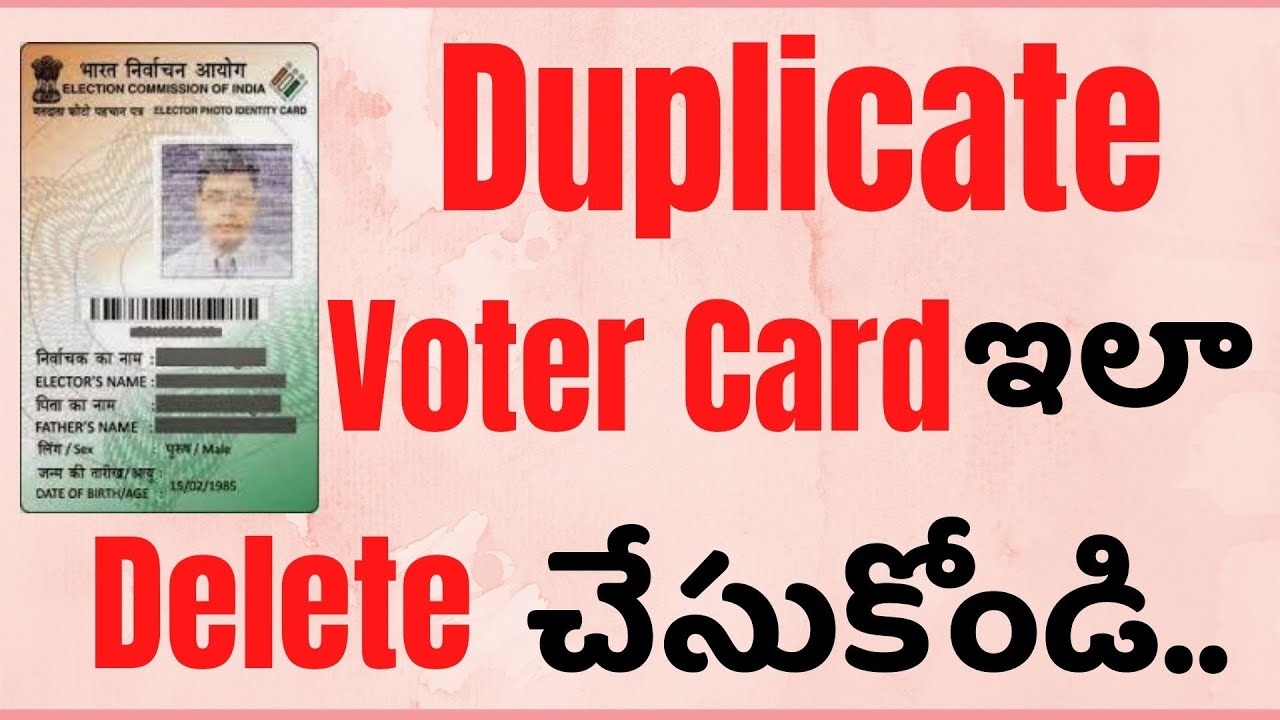
The Supreme Court, on February 5, directed the Election Commission Of India (ECI) to address concerns regarding duplicate entries in the electoral rolls. This move comes in response to a petition filed by Samvidhan Bachao Trust, urging action against duplicate voter registrations.
Understanding the Process: How Does ECI Identify Duplicates?
The Chief Justice of India, along with Justices JB Pardiwala and Manoj Misra, raised pivotal questions to Amit Sharma, the standing counsel for ECI. They sought clarification on two fronts: firstly, the methodology employed by ECI to pinpoint duplicate entries, and secondly, the mechanism through which information regarding deceased voters reaches the commission.
The Petitioner’s Argument: Highlighting the Oversight
Senior Advocate Meenakshi Arora, representing the petitioners, underscored a significant lapse in the electoral process. She emphasized that while the Chief Electoral Officer issues directives for the removal of deceased and relocated voters from the rolls, there’s a glaring omission concerning duplicate entries. Despite repeated notifications, the issue of duplication remains unaddressed by ECI.
Insights into De-Duplication: A Necessary Procedure
Arora elucidated the process of de-duplication, wherein computerized systems identify and flag duplicate entries within the electoral rolls. Emphasizing the efficiency of this process, she stressed the need for effective implementation on the ground. Instances have arisen where courts have intervened, mandating de-duplication prior to elections, showcasing the urgency of addressing this issue.
Uncovering Gaps in Data Collection
Drawing attention to the State of Uttar Pradesh, Arora pointed out deficiencies in the data collection process. Despite directives to verify deceased or relocated voters, there’s a conspicuous absence of a category for “multiple entries” or “duplicate entries.” This oversight leaves room for exploitation, potentially leading to fraudulent voting practices.
A Call to Action: Addressing Oversight
In light of these revelations, the Bench directed ECI to provide a comprehensive response. They highlighted the discrepancy in data collection by district officers, urging ECI to rectify the oversight promptly. The presence of duplicate entries poses a significant threat to the integrity of the electoral process, warranting immediate attention and corrective measures.
Conclusion
The Supreme Court’s intervention serves as a pivotal step towards ensuring the fairness and transparency of elections. By addressing concerns regarding duplicate voter entries, ECI can uphold the sanctity of the electoral process and reaffirm citizens’ trust in democracy. It is imperative for stakeholders to collaborate in identifying and rectifying discrepancies, thereby safeguarding the fundamental principles of democracy.
Is this conversation helpful so far?