Telangana’s Bold Vision: Chief Minister Revanth Reddy Unveils Investment Opportunities and Development Roadmap at PAFI Conference
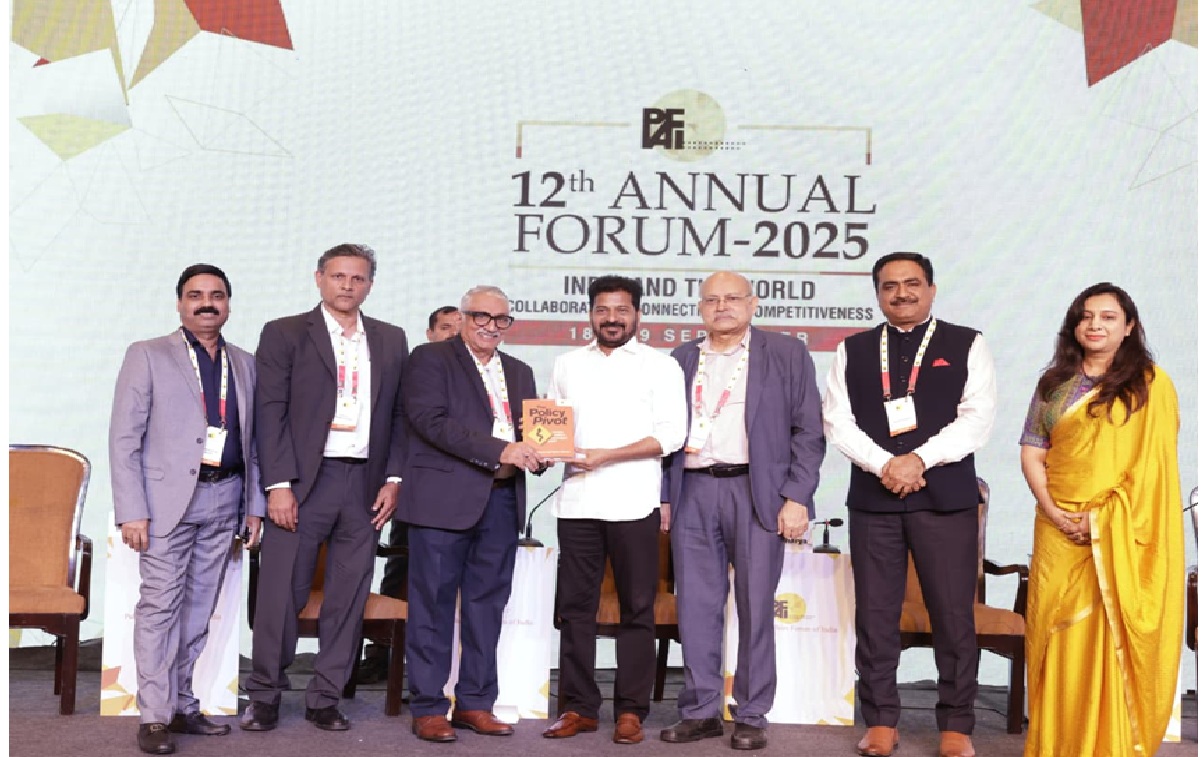
Telangana Chief Minister A. Revanth Reddy takes center stage at the 12th Annual Conference of the Public Affairs Forum of India (PAFI) in New Delhi, delivering a compelling keynote that showcases the state’s ambitious growth trajectory. As India’s youngest state, Telangana blends a storied historical heritage with cutting-edge innovation, positioning itself as a prime destination for global investors. In this address, Reddy emphasizes the critical role of political determination in driving governance and creating lasting opportunities for future generations. With Hyderabad at its heart, the state gears up for transformative projects that promise balanced development across urban, semi-urban, and rural landscapes.
This article dives deep into Reddy’s vision, exploring how Telangana’s strategic initiatives—from infrastructure overhauls to skill-building programs—aim to propel the state into a leading economic powerhouse. Whether you’re an investor eyeing opportunities in India’s booming south or a policymaker interested in sustainable growth models, Telangana’s roadmap offers valuable insights. We examine the key highlights, their implications, and why now is the perfect time to engage with this dynamic region.
Telangana’s Historical Legacy and Forward-Looking Vision Document 2047
Telangana emerges as India’s youngest state, carved out in 2014 after decades of advocacy for regional identity and autonomy. Chief Minister Revanth Reddy highlights this unique position during his PAFI speech, reminding attendees that while the state is new, its capital, Hyderabad, boasts a rich tapestry of history dating back to the Qutb Shahi and Nizam eras. This blend of ancient grandeur and modern aspiration forms the backbone of Telangana’s development strategy.
Reddy announces the upcoming release of the Telangana Vision Document – 2047 on December 9, 2025, a comprehensive blueprint designed to guide the state toward all-round progress. This document aligns with India’s broader Viksit Bharat @2047 goals, focusing on inclusive growth, technological advancement, and environmental sustainability. By setting long-term targets, the government ensures that development isn’t haphazard but rooted in strategic planning.
Experts praise such vision documents for fostering investor confidence. In Telangana’s case, the plan addresses regional disparities by categorizing the state into three zones: core urban, semi-urban, and rural. This zoning strategy promotes equitable resource allocation, ensuring no area lags behind. For instance, core urban zones like Hyderabad prioritize high-tech industries and livable cities, while rural areas focus on agriculture and basic infrastructure.
Reddy’s emphasis on political will resonates strongly. He argues that effective governance demands more than policies—it requires unwavering commitment to implementation. This approach has already yielded results, with Telangana ranking high in ease of doing business indices. Investors flock to the state, drawn by its stable political environment and proactive administration.
As Telangana eyes 2047, the vision document incorporates global best practices. Drawing inspiration from successful models like Singapore’s urban planning and South Korea’s innovation ecosystems, it aims to transform the state into a hub for knowledge-based economies. Reddy invites stakeholders to contribute, positioning the document as a collaborative effort rather than a top-down mandate.
Balanced Regional Development: Urban, Semi-Urban, and Rural Strategies
Chief Minister Revanth Reddy outlines a meticulous classification system to drive balanced development across Telangana. The government divides the state into core urban, semi-urban, and rural regions, each tailored to leverage local strengths and address specific challenges.
In core urban areas, home to nearly 1 crore residents, the focus shifts toward sustainability and decongestion. Polluting industries relocate outside city limits, making way for green spaces and modern amenities. This move not only improves air quality but also enhances the quality of life, attracting top talent to Hyderabad’s thriving IT and pharma sectors.
Semi-urban zones transform into manufacturing hubs, capitalizing on their proximity to urban centers while offering cost advantages. The government invests in infrastructure like roads and power grids to support industrial growth. This strategy creates jobs closer to home, reducing urban migration and fostering economic stability in peri-urban areas.
Rural development receives equal attention, with initiatives aimed at boosting agriculture and connectivity. By integrating technology, such as precision farming tools, Telangana empowers farmers to increase yields and access markets efficiently. Reddy’s administration commits to bridging the urban-rural divide, ensuring inclusive progress that benefits all citizens.
This zoned approach draws parallels with successful regional planning in states like Gujarat and Maharashtra. In Telangana, it promises to generate millions of jobs and stimulate GDP growth. Analysts project that by implementing these strategies, the state could achieve double-digit economic expansion in the coming decade.
Reddy’s speech underscores the government’s role in opportunity creation. He stresses that future generations deserve a prosperous legacy, and this classification system lays the foundation for that. Investors find this model appealing, as it minimizes risks associated with uneven development.
Hyderabad’s Infrastructure Revolution: Metro Expansion and Mobility Enhancements
Hyderabad, often dubbed India’s Silicon Valley, undergoes a massive infrastructure upgrade under Chief Minister Revanth Reddy’s leadership. The city expands its metro rail network from the current 70 km to an ambitious 150 km, aiming to boost daily ridership from 5 lakh to 15 lakh passengers.
This expansion addresses chronic traffic woes, promoting public transport as a viable alternative to private vehicles. New lines connect key suburbs and business districts, facilitating seamless commuting. The project incorporates smart technologies like real-time tracking and contactless payments, enhancing user experience.
Elevated corridors rise across the city, easing urban mobility and reducing travel times. These structures, built with cutting-edge engineering, alleviate bottlenecks at major intersections. Commuters benefit from faster journeys, while the economy gains from improved productivity.
Reddy’s vision extends to sustainable transport. By 2027, Hyderabad aims to dominate with electric vehicles (EVs), supported by generous government incentives. Charging stations proliferate, and subsidies encourage adoption among residents and businesses. This shift aligns with India’s national EV policy, positioning Telangana as a leader in green mobility.
The Regional Ring Road (RRR) encircles the city, decongesting core areas and spurring peripheral development. Spanning hundreds of kilometers, it connects industrial zones and residential suburbs, fostering balanced urban sprawl.
Complementing the RRR, the Bharat Future City project envisions a smart, self-sustained urban enclave. This initiative integrates AI-driven services, renewable energy, and green architecture, setting a benchmark for future cities in India.
Connectivity receives a boost with plans for a Greenfield Expressway and parallel railway line linking Hyderabad to Machilipatnam Port. This corridor enhances logistics, enabling faster goods movement and bolstering trade. Airports integrate seamlessly, making Telangana a logistics powerhouse.
These projects collectively transform Hyderabad into a world-class metropolis. Investors eye opportunities in construction, technology, and real estate, drawn by the government’s commitment to timely execution.
Musi River Rejuvenation: A Model for Urban Renewal
One of the standout initiatives in Chief Minister Revanth Reddy’s address is the Musi River Rejuvenation Project. Inspired by Ahmedabad’s Sabarmati Riverfront, this ambitious endeavor revitalizes the Musi, turning it into a vibrant urban asset.
The project involves cleaning the riverbed, constructing promenades, and developing recreational spaces. Pollution control measures, including advanced sewage treatment plants, restore the waterway’s ecological health. Local communities participate in the process, ensuring sustainable outcomes.
Reddy envisions the Musi front as a hub for tourism and leisure, featuring parks, cycle tracks, and cultural venues. This transformation boosts property values in adjacent areas and creates jobs in hospitality and maintenance.
Environmentalists applaud the initiative for its focus on biodiversity. Native flora and fauna return, enhancing the city’s green cover. Flood mitigation structures protect against monsoon risks, adding resilience to urban planning.
Comparisons with global riverfront projects, like London’s Thames or Seoul’s Cheonggyecheon, highlight Musi’s potential. Telangana adapts these models to local contexts, incorporating Telugu heritage elements for cultural relevance.
The project symbolizes Reddy’s holistic approach to development—blending aesthetics, economy, and ecology. It invites investments in eco-tourism and real estate, promising high returns in a growing market.
Telangana’s Economic Powerhouse: Pharma Leadership and Anti-Drug Efforts
Chief Minister Revanth Reddy spotlights Telangana’s economic strengths, particularly in pharmaceuticals. The state produces 40% of India’s bulk drugs, with Hyderabad emerging as a global vaccine production leader.
This dominance stems from a robust ecosystem of research institutions, skilled workforce, and favorable policies. Companies like Bharat Biotech and Dr. Reddy’s Laboratories thrive here, contributing to global health solutions, including COVID-19 vaccines.
Reddy praises Telangana’s top ranking in combating the drug menace. Strict enforcement, awareness campaigns, and rehabilitation programs eradicate illegal substances, creating a safe environment for businesses and residents.
The government promotes organic farming, offering subsidies and training to transition from chemical-intensive practices. This shift enhances food security, exports, and farmer incomes while preserving soil health.
Investors receive full support and security, with streamlined approvals and dedicated industrial parks. Reddy urges them to invest and become brand ambassadors, amplifying Telangana’s global appeal.
These strengths position Telangana as a diversified economy, beyond IT. Sectors like aerospace, defense, and biotechnology expand, attracting foreign direct investment (FDI).
Investing in Human Capital: Young India Skill and Sports Universities
Human development takes precedence in Chief Minister Revanth Reddy’s agenda. He announces the Young India Skill University, inspired by Mahatma Gandhi’s vision of empowered youth.
This institution equips students with industry-ready skills in emerging fields like AI, robotics, and renewable energy. Partnerships with global corporations ensure curricula align with market demands, bridging the skill gap.
Similarly, the Young India Sports University aims to nurture Olympic-level athletes. Drawing from South Korea’s successful model, it offers world-class training facilities, coaching, and sports science programs.
These universities foster holistic growth, combining education with character building. Graduates emerge as innovators and leaders, driving Telangana’s knowledge economy.
Reddy’s focus on youth addresses demographic dividends, with over 60% of Telangana’s population under 35. Investments in education yield long-term benefits, from higher employment rates to entrepreneurial ventures.
Sustainable Governance: Vision, Planning, and Execution
In his concluding remarks, Chief Minister Revanth Reddy cautions against impulsive governance. He advocates for vision-driven planning and sustained efforts to achieve lasting impact.
Telangana’s roadmap exemplifies this philosophy, with measurable milestones and accountability mechanisms. Regular reviews ensure projects stay on track, adapting to evolving needs.
This approach builds trust among citizens and investors alike. As Telangana marches toward 2047, Reddy’s leadership inspires confidence in the state’s potential.
Why Telangana Stands Out as an Investment Destination
Telangana’s strategic location, skilled talent pool, and proactive policies make it a magnet for investments. From tech giants to manufacturing firms, businesses find fertile ground here.
The state’s FDI inflows have surged, reflecting global interest. Initiatives like single-window clearances expedite setups, reducing bureaucratic hurdles.
Compared to neighboring states, Telangana offers competitive incentives, including land subsidies and tax breaks. Its focus on sustainability appeals to ESG-conscious investors.
Reddy’s PAFI address serves as a call to action. He invites collaboration, emphasizing mutual growth.
Future Prospects: Telangana’s Role in India’s Growth Story
As India aims for a $5 trillion economy, Telangana contributes significantly. Its innovations in pharma, IT, and infrastructure position it as a key player.
The Vision Document 2047 charts a path to prosperity, integrating digital transformation and green initiatives. Challenges like water scarcity receive attention through projects like Musi rejuvenation.
Reddy’s vision inspires a new generation of leaders, ensuring Telangana’s legacy endures.
Conclusion: Embracing Opportunities in Telangana
Chief Minister A. Revanth Reddy’s keynote at the PAFI conference paints a vivid picture of Telangana’s future. From urban revamps to skill universities, the state commits to inclusive, sustainable development.
Investors and partners should seize this moment. Telangana not only offers returns but also a chance to shape India’s next growth chapter. As Reddy aptly puts it, true governance builds legacies for tomorrow.