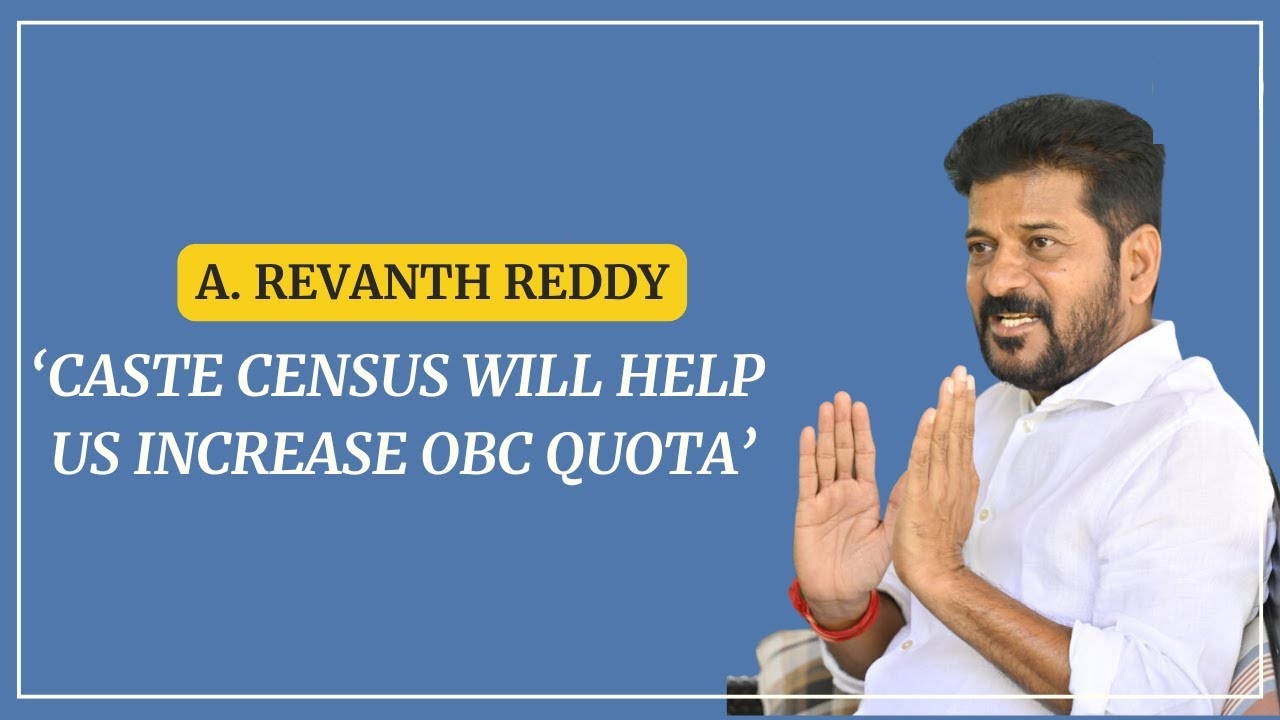
The Telangana 2024 caste census launch is momentous not just for the state but perhaps for the whole country. It will shed new light on the intricacies of the socio-political tapestry of India and historical deprivations denied to various sections, bringing the present reality of caste into fresh perspective. These findings will prove useful not only for policy makers and researchers but also for the public at large because such major policies are likely to be shaped: the possibility of changing the ceilings on reservation for backward classes comes prominently to mind.
Comprehending Telangana’s 2024 Caste Census
Telangana’s caste census for the first time explores the complex canvas of castes in that region. A comprehensive census, it looks into facts relating to social, educational, economic, employment, political, and caste parameters of households. It, therefore, holds the promise of revealing ground realities of different communities and charting future policy directions.
Contrasted with previous attempts, this census provides a comprehensive investigation into the socio-economic status of different castes. The report publishes an extremely thoughtful list of 56 questions that will allow for comprehending essential data regarding ownership of land, educational degrees, migration, and marriages between different castes. This amount of data will give robust evidence for policy decisions.
The surveys require more than 80,000 enumerators and 10,000 supervisors to conduct the survey at every doorstep. The detail provided by such a large number of people about such a large number of households undoubtedly captures various shades of Telangana’s society.
Background of Caste in India and Telangana
The caste system in India originates from deep-rooted historical and socio-political channels for hundreds of years. Traditionally, this role was assigned by the caste system in society either for systemically sanctified inequalities or due to discrimination. Although the Indian Constitution was created to demolish these barriers, the remains of caste continue to affect various arenas of life.
Given that caste indeed seems to remain a critical factor in social and economic interactions in Telangana, similar to many areas of India, the 2024 caste census would become an important opportunity towards redress for past grievances and working towards an equitable society by gathering correct data regarding caste demographics.
This makes the role of caste un Parallel in Telangana’s history. Factors such as land ownership, education, employment opportunities, and political representation go hand in hand with how caste may have influenced it. This is why knowledge of the current caste situation would be of utmost importance to create policies that help promote social justice and economic growth.
The Need for a Caste Census
The call for a caste census has been an area of much debate and controversy within India with controversies regarding its necessity and implications. They say that it is quite important to gather detailed information about the socio-economic condition of various communities with this kind of census. Such data is inevitable in the making of proper reservation policies and welfare schemes.
There is still increased apprehension from critics that policies and actions will contribute to more caste-based discrimination and social eruptions. It would fuel prevailing tensions, and the fact that caste focus would go against the ideal of casteless equality. However, proponents argue that without such correct data, there can be no effective policy formulation targeted to answer the specific problems arising from exclusion, marginalization, or oppression.
In this case, Telangana is guided by a commitment to evidence-based policymaking. In this context, the state will extend reservations in terms of populaces to ensure that the representative composition in education, employment, and governance is fair. Thus, Telangana would look forward to becoming a more pluralist society where it ensured equality of opportunity for all people for success.
Methodology of the Telangana Caste Census 2024
Conducting such a comprehensive census of caste would require meticulous planning and execution. It was the case with Telangana. The one hundred-and-fifty-six questions in the questionnaire were sure to encompass an enormous amount of data that policy formulators would require.
The Telangana government has enumerated more than 80,000 enumerators and 10,000 supervisors in order to prevent possible inaccuracies and untrustworthiness. Field workers will go door-to-door in conducting the survey to identify socio-economic indicators. Issues on land and property ownership, education levels, migration trends, inter-caste marriages, among others, will be covered.
Therefore, the census scale will underscore the commitment of the Telangana State to creating a credible dataset to inform policy decisions. It seeks to present an informing understanding of challenges and opportunities encountered by different communities in their effort to document the complexity of caste in the region.
Impact on Policy Making and Social Dynamics
The findings of the Telangana caste census can transform policy making in the state. Armed with accurate data, policymakers can craft targeted interventions that help address the specific needs of various communities, ensuring that resources are effectively spent to maximize the impact of government programs.
The census promises to further reshape the social dynamics of Telangana. Against a backdrop of socio-economic inequality, it can fuel efforts toward social justice and inclusion by pointing out disparities between the marginalized and others. Census insights can guide initiatives for empowering disadvantaged sections and building a harmonious community.
The census may thus emerge as a gold standard for the rest of the Indian states if it works in Telangana. An elaborate caste survey will make Telangana treasure its right worth, a lesson it can teach India as a whole, for a more informed and fairer mechanism of governance.
Public Response and Analysis
The announcement of the Telangana caste census has been greeted by diverse reactions from different stakeholders. Civil society organizations and social activists welcomed this move warmly as a long-pending step in redressing historical injustices. They claim that such data would form the basis for meaningful policy interventions uplifted by the marginalized communities.
Some of the people still do not understand the implication of census results. The concerns have been very many whereby it has been considered that there will be increased caste-based discrimination and political manipulation of caste-based data. The critics of the census process claim that caste would reinforce social divisions and detract from efforts to strive for unity and equality.
Despite such fears, the broader concern is hesitant optimism. Most look at the gains of a comprehensive caste census as greater than the risks accompanying them, and that the knowledge collected would eventually lead to a society that is intrinsically more just and inclusive.
Comparison with Previous Censuses
The caste census in Telangana is different from any other surveys taken earlier because this is the first census of its kind taken after more than 90 years. The last caste census was undertaken by the British administration in 1931 focusing only on Hindu caste groups. Owing to such a limited scope, crucial data relating to Dalits and Adivasis was left out of the records.
On the contrary, the Telangana caste census covers all social groups having minorites in religion as well as tribes. It is believed to incorporate more diverse data about demographics and give a better account of representations among the population and the socio-economic structure of the state.
Conclusion
Telangana caste census is one step closer to an inclusive society in which everyone enjoys equal opportunities to grow and develop. While serious concerns regarding its implications have to be addressed, the overall importance of this survey could be monumental for the cause. For instance, accurate data will help govern through policy action in the right direction to create a more egalitarian society with equal access for all classes and castes of citizens. Thus, it becomes rather quite self-evident that this thorough census of caste would have major implications and be considered an important instrument in well-informed, inclusive policymaking. As we wait to listen to the results of the Telangana caste census in 2024, it remains to be seen how this data shapes policies and social dynamics in the state and sets an example for other regions of India. The real value of this census is in its ability