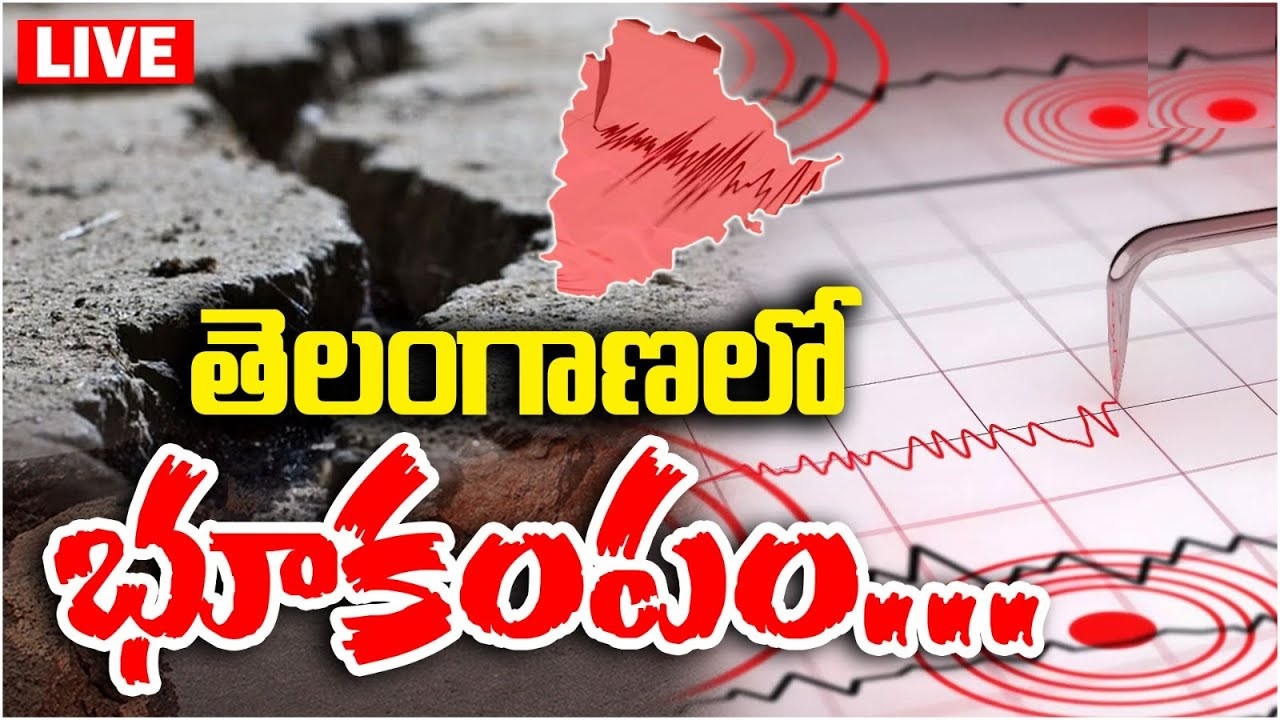
On a quiet Monday evening, northern Telangana experienced a subtle yet significant seismic event. A 3.8 magnitude earthquake struck, sending mild tremors across several districts. While the event caused no reported damage or casualties, it serves as a reminder of the region’s geological dynamics and the importance of earthquake preparedness. This article delves into the details of the Telangana earthquake, its ripple effects, and how it fits into the global seismic landscape. We’ll also explore practical steps for residents to stay safe and informed.
What Happened in Telangana?
At 6:50 PM, a 3.8 magnitude earthquake originated near Asifabad, Telangana, as reported by the National Center for Seismology (NCS). The quake’s epicenter was located at a shallow depth, amplifying the tremors felt across northern parts of the state. The seismic waves rippled through districts like Karimnagar, Jagtial, Rajanna Sircilla, Nizamabad, and Nirmal, with tremors lasting 2 to 5 seconds.
Residents in mandals such as Gangadhara, Koratla, Choppadandi, Ramadugu, Kadem, Jannaram, Khanapur, Laxmanchanda, Kammarpally, and Mortad reported feeling the ground shake briefly. Despite the mild intensity, the event sparked curiosity and concern, prompting discussions about Telangana’s seismic vulnerability.
Key Details of the Telangana Earthquake
- Magnitude: 3.8 on the Richter scale
- Epicenter: Asifabad, Telangana
- Time: 6:50 PM
- Duration: 2–5 seconds
- Affected Areas: Karimnagar, Jagtial, Rajanna Sircilla, Nizamabad, Nirmal
- Depth: Shallow (exact depth not specified by NCS)
The shallow nature of the quake meant that the energy released was closer to the Earth’s surface, potentially causing more noticeable shaking. Fortunately, the low magnitude ensured minimal impact, with no reports of injuries or structural damage.
Telangana’s Seismic Context
Telangana is not typically associated with high seismic activity compared to regions like the Himalayas or the Andaman and Nicobar Islands. However, the state lies in Seismic Zone II and III, as per India’s earthquake zoning map, indicating a low to moderate risk of seismic events. The 3.8 magnitude earthquake in Asifabad aligns with the occasional tremors experienced in the region, often linked to minor fault lines or tectonic adjustments.
Why Do Earthquakes Occur in Telangana?
Earthquakes result from the movement of tectonic plates beneath the Earth’s crust. In Telangana, minor fault lines and intraplate seismic activity contribute to low-magnitude quakes. The Deccan Plateau, which encompasses Telangana, is relatively stable but not immune to tectonic stress. Events like the Asifabad quake highlight the need for ongoing geological monitoring to understand the region’s seismic patterns.
Historical Earthquakes in Telangana
While major earthquakes are rare, Telangana has experienced minor tremors in the past. For instance:
- In 2020, a 3.6 magnitude quake struck near Hyderabad.
- In 2015, mild tremors were felt in parts of Nizamabad and Karimnagar.
These events, though minor, underscore the importance of preparedness, especially as urban development increases in the region.
Global Seismic Activity on the Same Day
The Telangana earthquake was one of three seismic events reported worldwide on that Monday, highlighting the dynamic nature of Earth’s crust. Let’s examine the other two incidents for a broader perspective.
4.2 Magnitude Earthquake in Pakistan
Earlier that day, at 4:00 PM, a 4.2 magnitude earthquake struck Pakistan. The NCS reported its epicenter at latitude 36.60°N and longitude 72.89°E, at a depth of 10 kilometers. The quake, slightly stronger than Telangana’s, occurred in a seismically active region near the Hindu Kush, known for frequent tectonic activity. Like the Telangana event, it caused no reported damage or casualties.
5.9 Magnitude Earthquake in Taiwan
In a separate incident, a 5.9 magnitude earthquake jolted the east coast of Taiwan. Occurring 30 kilometers offshore at a depth of 6.6 kilometers, the quake briefly shook buildings in Taipei. Taiwan’s location near the convergence of the Philippine Sea Plate and the Eurasian Plate makes it prone to frequent earthquakes. Despite the higher magnitude, no immediate damage or injuries were reported.
Comparing the Three Earthquakes
| Location | Magnitude | Depth (km) | Time | Impact |
|---|---|---|---|---|
| Telangana, India | 3.8 | Shallow | 6:50 PM | Mild tremors, no damage |
| Pakistan | 4.2 | 10 | 4:00 PM | No reported damage |
| Taiwan | 5.9 | 6.6 | Not specified | Buildings shook, no damage |
These events, though varying in magnitude and location, share a common thread: shallow depths that amplify surface shaking. The absence of damage in all three cases reflects the relatively low intensity of the quakes, but it also underscores the unpredictable nature of seismic activity.
Understanding Earthquake Magnitude and Impact
The Richter scale measures earthquake magnitude, indicating the energy released at the source. Here’s a quick breakdown:
- 1.0–2.9: Microearthquakes, usually not felt.
- 3.0–3.9: Minor quakes, often felt but rarely damaging.
- 4.0–4.9: Light quakes, noticeable shaking with minimal damage.
- 5.0–5.9: Moderate quakes, potential for minor structural damage.
The 3.8 magnitude Telangana earthquake falls into the “minor” category, explaining why it caused no harm. However, shallow quakes like this one can feel more intense because the energy dissipates closer to the surface.
Why Shallow Earthquakes Matter
Shallow earthquakes (0–70 km deep) release energy near the Earth’s surface, often leading to stronger ground shaking compared to deeper quakes. In densely populated areas, even a minor shallow quake can cause concern. For example, a 3.8 magnitude quake in a rural area like Asifabad may go unnoticed, but the same event in a city could disrupt daily life.
Safety Measures During an Earthquake
While the Telangana earthquake was minor, it’s a reminder to stay prepared for unexpected seismic events. Here are practical steps to ensure safety:
Before an Earthquake
- Secure Heavy Objects: Anchor furniture, appliances, and heavy items to prevent them from falling.
- Create an Emergency Kit: Stock up on water, food, first-aid supplies, flashlights, and batteries.
- Identify Safe Spots: Locate sturdy tables or interior walls to take cover during shaking.
- Plan Evacuation Routes: Know how to exit your home or workplace safely.
During an Earthquake
- Drop, Cover, Hold On: Drop to your hands and knees, cover your head and neck under a sturdy table, and hold on until the shaking stops.
- Stay Indoors: Avoid running outside, as falling debris can pose risks.
- Avoid Elevators: Use stairs if evacuation is necessary.
- If Outdoors: Move to an open area away from buildings, trees, and power lines.
After an Earthquake
- Check for Injuries: Provide first aid if needed and seek medical help for serious injuries.
- Inspect for Damage: Look for structural issues, gas leaks, or electrical hazards.
- Avoid Aftershocks: Be prepared for smaller tremors following the main quake.
- Stay Informed: Monitor news and official updates for guidance.
How Telangana Can Enhance Earthquake Preparedness
Given Telangana’s low to moderate seismic risk, proactive measures can minimize the impact of future quakes. Here are some recommendations:
Community Awareness Programs
Local authorities can conduct workshops to educate residents about earthquake safety. Schools, colleges, and workplaces should hold regular drills to practice “Drop, Cover, Hold On.”
Building Code Enforcement
Urban areas like Hyderabad and Karimnagar are expanding rapidly. Enforcing seismic-resistant building codes can ensure that new constructions withstand minor to moderate quakes. Retrofitting older buildings is equally critical.
Real-Time Monitoring
The NCS and state disaster management agencies should invest in advanced seismic monitoring systems to detect and report quakes promptly. Real-time alerts can give residents precious seconds to take cover.
Collaboration with Experts
Partnering with geologists and seismologists can help map fault lines and assess Telangana’s seismic risks. This data can inform urban planning and disaster preparedness strategies.
The Role of Technology in Earthquake Detection
Advancements in technology are transforming how we detect and respond to earthquakes. From early warning systems to smartphone apps, here’s how innovation is making a difference:
Early Warning Systems
Countries like Japan and Mexico use early warning systems that detect initial seismic waves and send alerts before the shaking begins. India is developing similar systems, which could benefit regions like Telangana.
Mobile Apps
Apps like MyShake and Earthquake Alert provide real-time notifications about seismic activity. Residents can download these apps to stay informed about quakes in their area.
Satellite Monitoring
Satellites equipped with radar can detect ground deformation caused by tectonic activity. This technology helps scientists predict potential earthquake zones.
AI and Machine Learning
Artificial intelligence is being used to analyze seismic data and identify patterns that precede earthquakes. While not foolproof, AI can improve forecasting accuracy.
Telangana’s Path Forward
The 3.8 magnitude earthquake in Asifabad was a minor event, but it carries significant lessons. It highlights the need for awareness, preparedness, and investment in seismic infrastructure. As Telangana continues to grow, balancing urban development with disaster resilience is crucial.
Residents can take small steps, like securing furniture and practicing safety drills, to protect themselves. Meanwhile, authorities must prioritize seismic monitoring, enforce building codes, and educate communities. By acting proactively, Telangana can ensure that future quakes, whether minor or major, cause minimal disruption.
Conclusion
The 3.8 magnitude earthquake in Telangana was a fleeting event, but its ripples reached far beyond the 2–5 seconds of shaking. It reminded us of the Earth’s unpredictable nature and the importance of staying prepared. From understanding seismic risks to adopting safety measures, every step counts in building a resilient future.
As global seismic activity continues—evident in the Pakistan and Taiwan quakes on the same day—Telangana must stay vigilant. By combining community awareness, technological innovation, and robust infrastructure, the state can face future tremors with confidence. Let this minor quake be a wake-up call to act, prepare, and thrive in the face of nature’s challenges.