Introduction
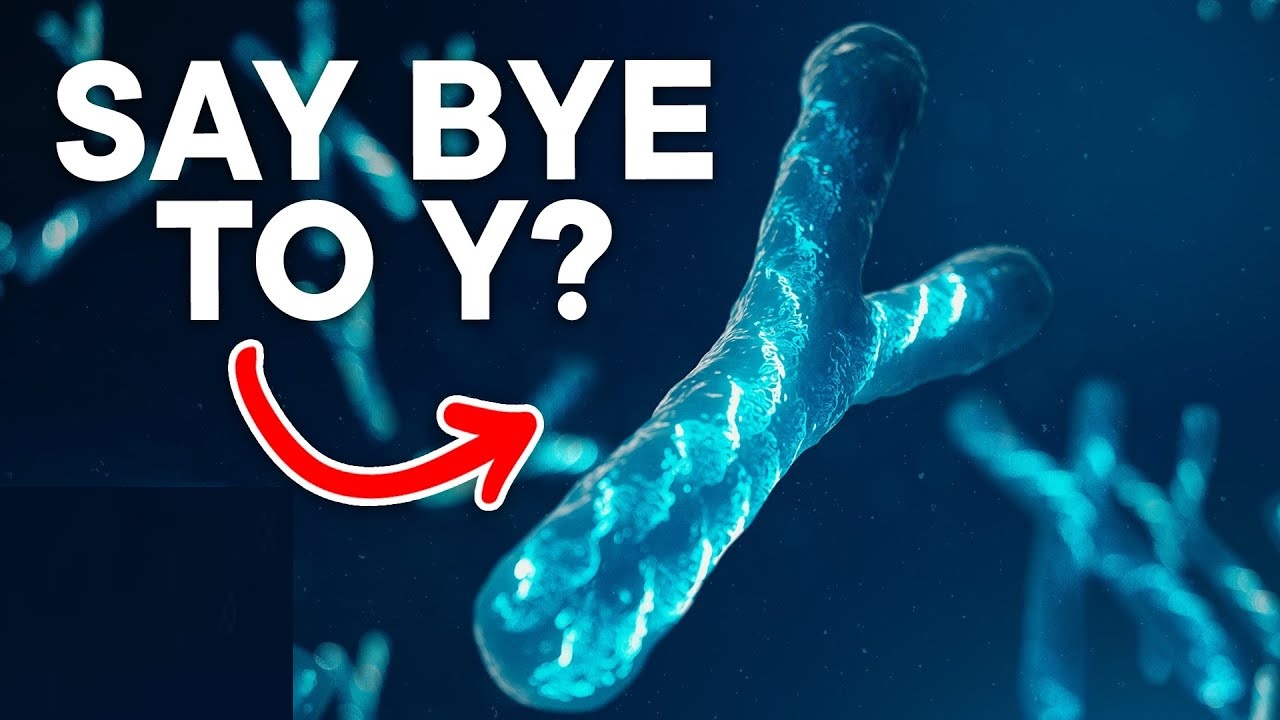
The Y Chromosome Might Disappear, a crucial determinant of male sex in humans and many mammals, is slowly vanishing. This alarming trend has led scientists to question whether humanity might face a future without males. The possibility of the Y chromosome disappearing within a few million years raises concerns about the survival of our species unless new sex-determining mechanisms evolve. However, recent studies on certain rodents offer a glimmer of hope. This article delves into the role of the Y chromosome, its decline, and the potential implications for the future of humanity.
Understanding the Role of the Y Chromosome
In humans, sex determination hinges on the presence of the Y chromosome. Females have two X chromosomes, while males possess one X and one Y chromosome. Despite its small size, with only about 55 genes compared to the X chromosome’s 900, the Y chromosome plays a critical role in triggering male development. The key gene responsible for this is the SRY (sex-determining region Y) gene.
Around 12 weeks into pregnancy, the SRY gene activates a genetic pathway that leads to the formation of male reproductive organs. This activation triggers the SOX9 gene, which is essential for male development in vertebrates. Without the Y chromosome, the formation of male characteristics in embryos would not occur, making it indispensable for the continuation of our species.
The Decline of the Y Chromosome
While the Y chromosome is essential, it has been gradually degenerating over millions of years. Originally, the Y chromosome had as many genes as the X chromosome, but over time, it has lost most of its active genes. The X and Y chromosomes were once identical, but evolutionary changes have caused the Y chromosome to shrink significantly. Today, it retains only about 55 genes, a stark contrast to the 900 genes on the X chromosome.
This reduction has sparked debate among scientists about the future of the Y chromosome. Some predict it will disappear entirely within the next 11 million years, while others believe it could persist indefinitely. The uncertainty surrounding the Y chromosome’s fate has led to concerns about the long-term survival of humanity, given its crucial role in male sex determination.
Rodents That Survived Without the Y Chromosome
Despite the grim outlook, nature offers examples of species that have survived the loss of the Y chromosome. Two rodent lineages, the mole voles of Eastern Europe and the spiny rats of Japan, have already lost their Y chromosome and continue to thrive. In these species, males and females both have X chromosomes, but the Y chromosome and the SRY gene are absent.
A research team led by Asato Kuroiwa from Hokkaido University studied the spiny rats and found that most of the Y chromosome’s genes had been relocated to other chromosomes. However, the SRY gene, which is crucial for male sex determination, was missing. Instead, they discovered a small duplication near the SOX9 gene on chromosome 3 in males, which appears to substitute for the SRY gene. This adaptation suggests that spiny rats have evolved a new mechanism for male sex determination without the Y chromosome, offering a potential model for how other species, including humans, might adapt in the future.
Implications for the Future of Humanity
The potential disappearance of the human Y chromosome raises significant questions about the future of our species. Unlike some reptiles that can reproduce asexually, mammals, including humans, require sperm for reproduction, making the presence of males indispensable. If the Y chromosome were to vanish without a replacement mechanism evolving, it could lead to the extinction of humanity.
However, the evolution of a new sex-determining gene, as seen in spiny rats, offers hope. This evolutionary adaptability could prevent human extinction, but it comes with risks. If different regions develop unique sex-determining systems, it could lead to the emergence of new human species, each with distinct sex chromosomes. This scenario raises the possibility that in millions of years, Earth might be home to several different human species, each isolated by their unique genetic makeup.
How the Y Chromosome Determines Sex
To better understand the stakes, it’s important to delve into how the Y chromosome determines sex in humans. As mentioned earlier, the Y chromosome carries the SRY gene, which is responsible for initiating male development. This gene activates other genes that lead to the formation of the testes, which produce male hormones necessary for male characteristics.
Without the Y chromosome, this process would not occur, making the existence of males—and by extension, human reproduction—reliant on the Y chromosome. The potential disappearance of this chromosome, therefore, poses a direct threat to the continuation of our species.
The Future of the Y Chromosome and Humanity
The possible extinction of the Y chromosome is not just a biological curiosity; it is a critical issue that could shape the future of humanity. While some lizards and snakes can reproduce without males through a process called parthenogenesis, humans and other mammals cannot. This means that without the Y chromosome, human reproduction as we know it would be impossible.
However, the adaptability seen in rodents like the spiny rat provides a possible pathway for human survival. If a new sex-determining mechanism were to evolve, it could ensure the continuation of our species. But this evolution could also lead to a fragmented human race, with different populations developing distinct sex-determining systems and potentially becoming separate species over time.
Conclusion
The fate of the Y chromosome is a topic of intense scientific debate, with significant implications for the future of humanity. While the gradual loss of the Y chromosome raises concerns about male extinction, the adaptability seen in some rodents offers hope. The evolution of new sex-determining mechanisms could ensure human survival, though it might lead to the emergence of new human species. As we look to the future, understanding and preparing for the potential changes in our genetic makeup will be crucial for the long-term survival of our species.