
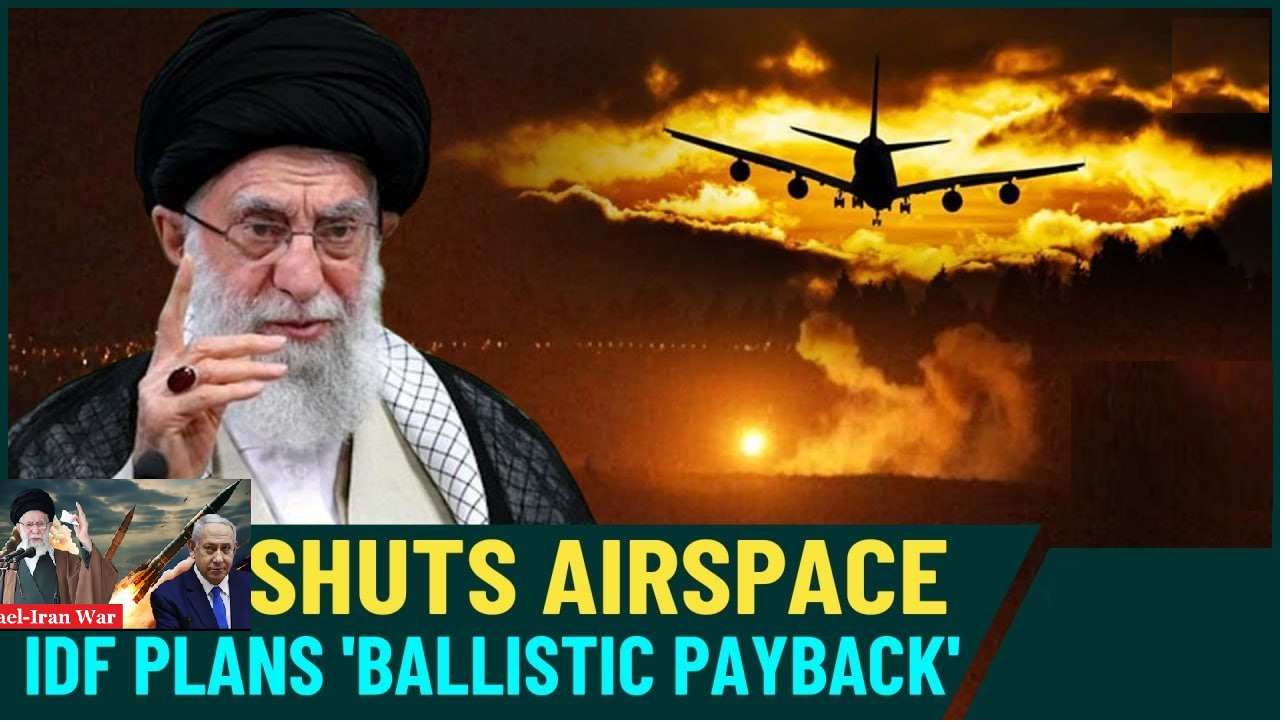
As geopolitical tensions in the Middle East intensify, major UAE airlines, including Emirates and flydubai, have suspended flights to several destinations. These cancellations follow the launch of nearly 200 missiles from Iran into Israel, marking a dangerous escalation in the region.
Flight Disruptions Across the Middle East
Both Emirates and flydubai have cancelled flights to Iraq, Iran, and Jordan due to what they describe as “regional unrest.” In addition, Emirates has extended its cancellations to include destinations such as the UK, Oman, and Kuwait. On Thursday, flights to and from these locations were suspended, with further cancellations announced for Friday and Saturday.
The escalating situation has also affected flights to Lebanon’s capital, Beirut. Emirates has extended its suspension of routes to Beirut until Tuesday, while flydubai has halted services until Monday. These cancellations began earlier in the week and have caused widespread disruption for travelers across the Middle East.
Passengers Urged to Monitor Flight Statuses
UAE airlines have advised travelers on these routes to stay informed and be ready for last-minute changes. According to a travel update from Emirates, “Customers transiting through Dubai with final destinations in Iraq, Iran, and Jordan will not be accepted for travel at their point of origin until further notice.” The airline added that it is closely monitoring the situation and maintaining contact with relevant authorities to manage the evolving crisis.
The Broader Impact of Middle East Tensions
The unrest in the Middle East comes amid one of the region’s most dangerous periods in recent history. The tensions escalated after Israel launched an invasion into southern Lebanon, resulting in the deaths of over 1,000 people and widespread devastation in densely populated areas, including the capital, Beirut.
Although Israeli forces stated their attacks were aimed at Hezbollah targets, the offensive has struck civilian areas, including a medical center, and caused the deaths of paramedics and dozens of children. This situation has drawn international concern, with many fearing that Lebanon could face devastation similar to Gaza, where decades of conflict have resulted in significant loss of life.
International Reactions and Concerns
United Nations Secretary-General António Guterres has expressed deep concern over the conflict, warning that the invasion of Lebanon could lead to a humanitarian disaster. At least 40,000 Palestinians have been killed in the ongoing conflicts in Gaza, and many fear that Lebanon may soon face a similar fate.
Iran, meanwhile, claims that its missile attacks were in response to the assassination of key figures, including Hezbollah leader Hassan Nasrallah and Revolutionary Guard General Abbas Nilforushan. The skies over the region were lit up with missile fire on Tuesday night, though Israel’s Iron Dome defense system managed to intercept many of the missiles. Only one fatality, a Palestinian man killed by shrapnel, has been reported so far.
Flight Routes Under Scrutiny
The growing conflict has led to significant scrutiny over the operation of flight routes in and around the region. Many airlines are now questioning the safety of flying through Middle Eastern airspace, especially as missile fire becomes more frequent.
Russia has restricted flights to Israel, Iraq, and Iran during certain times to protect against the dangers posed by the escalating conflict. Tourists who had planned to visit Jordan, a popular travel destination due to its famous landmarks like Petra and Wadi Rum, may see their travel plans impacted if the unrest continues to spread and airspace is forced to close.
A Crisis for Regional Tourism
Dubai International Airport, the world’s busiest airport in terms of international passenger traffic, is a major hub for flights to the Middle East. However, the ongoing conflict has already caused a downturn in tourism across the region. The uncertainty surrounding the safety of travel routes has led many potential visitors to rethink their plans.
Tourist destinations throughout the Middle East, including Jordan and Lebanon, are particularly vulnerable to these tensions. Many travelers are opting to delay or cancel their trips due to concerns over personal safety, further exacerbating the negative impact on the region’s tourism industry.
Monitoring the Situation
As the situation continues to evolve, airlines and authorities are maintaining a close watch on developments. Travelers are advised to regularly check the status of their flights and stay informed about any new travel advisories. The coming days will be critical in determining whether the unrest will lead to further disruptions in air travel, particularly as tensions show no signs of easing.
With the Middle East facing such intense challenges, the air travel landscape in the region is likely to remain uncertain for the foreseeable future. For now, airlines like Emirates and flydubai are prioritizing the safety of their passengers, suspending services to high-risk areas, and awaiting further developments.