
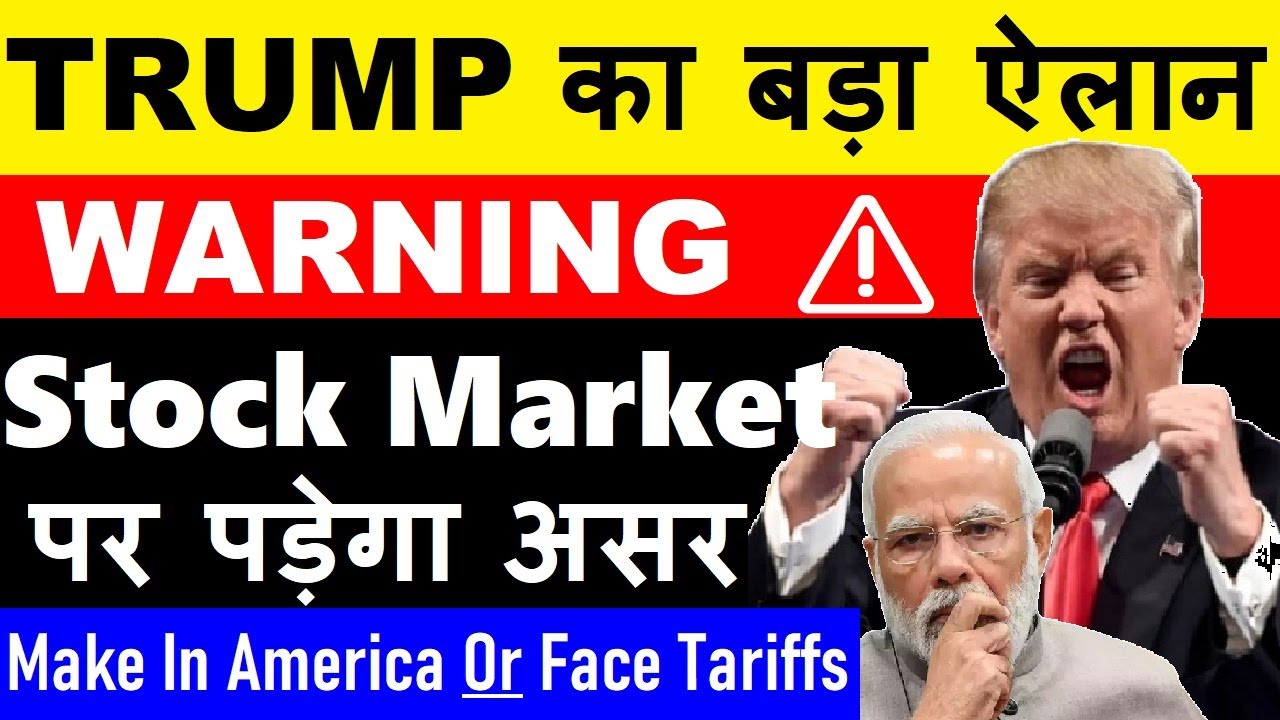
The global business landscape is buzzing with reactions to former President Donald Trump’s latest announcement. Known for his assertive policies, Trump has issued a stern warning to global business leaders: bring your manufacturing operations to America or prepare to face tariffs. This bold “Make in America” initiative is poised to shake up international trade, manufacturing hubs, and economic strategies across the globe.
What Is Trump’s “Make in America” Plan?
Trump’s policy emphasizes the importance of domestic manufacturing in the United States. He has called upon global leaders and businesses to establish production units within America’s borders. Trump’s message is crystal clear: if companies fail to comply, they will face significant tariffs on goods manufactured outside the U.S.
The “Make in America” initiative offers substantial incentives to companies willing to relocate their manufacturing operations. Businesses that choose to manufacture in the U.S. will benefit from a drastically reduced corporate tax rate of just 15%, down from the current average of 25%. Trump’s promise of low corporate taxes and reduced regulatory burdens aims to make America a competitive hub for manufacturing.
How Tariffs Could Reshape Global Manufacturing
If implemented, the proposed tariffs could create ripple effects across global markets. The U.S. remains one of the most lucrative markets worldwide, and businesses rely heavily on American consumers for their profits. Imposing tariffs on imported goods would force companies to rethink their supply chains and production strategies.
Manufacturers in countries like China, India, and other cost-effective hubs could face significant challenges. For decades, these nations have benefited from lower labor costs and lenient tax structures. However, with Trump’s tariffs, exporting goods to the U.S. could become prohibitively expensive, compelling businesses to consider relocating their operations.
Incentives for “Making in America”
Trump’s proposal isn’t just about penalties; it also comes with enticing benefits. Companies that set up manufacturing plants in the U.S. will enjoy the following advantages:
- Reduced Corporate Taxes: A mere 15% corporate tax rate for businesses supporting the “Make in America” initiative.
- Lower Production Costs: With reduced taxes, the cost of goods manufactured domestically will decrease significantly.
- Access to American Consumers: Companies will be able to offer competitively priced products to U.S. consumers, boosting demand and profitability.
Impact on Inflation and American Consumers
Trump’s initiative could also influence inflation in the United States. Lower production costs would lead to cheaper goods for American consumers. Unlike imported products, which often incur additional costs such as import duties and shipping, domestically produced items could be more affordable.
For example, products manufactured in the U.S. would not be subject to high import taxes, ensuring that American citizens benefit from lower prices. Additionally, the initiative could create more jobs within the U.S., further stimulating economic growth.
Challenges for Other Nations
While the “Make in America” initiative is promising for the U.S., it poses significant challenges for other countries. Nations like China, which is a global manufacturing hub, may face the brunt of these policies. With its cost-effective labor and vast manufacturing units, China has long dominated the global supply chain. However, U.S. tariffs could disrupt this dominance.
India, which has recently emerged as an attractive alternative for global manufacturers, may also feel the heat. Over the past few years, India has attempted to position itself as a viable manufacturing destination by reducing corporate taxes and offering incentives. However, Trump’s aggressive stance could redirect global attention back to the U.S.
How India’s Corporate Tax Measures Compare
India has made significant strides in reducing corporate taxes to attract foreign investment. The effective corporate tax rate in India currently stands at around 25%, down from nearly 35-40% before 2019. Despite this reduction, it remains higher than Trump’s proposed 15% rate for U.S.-based manufacturers.
This tax disparity could make the U.S. a more attractive option for global businesses. Furthermore, India’s reliance on indirect taxes like GST has already placed a burden on its middle-class population. If Trump’s policies succeed, India may need to reevaluate its tax structure to remain competitive.
Implications for the Middle Class
The middle class often bears the brunt of tax policies worldwide. While corporations enjoy tax reductions, individuals’ tax burdens tend to remain high. In India, for instance, individuals often pay higher income taxes compared to large companies. Trump’s “Make in America” initiative could exacerbate this disparity globally as governments scramble to adjust their revenue models.
In the U.S., however, Trump’s initiative also includes promises of reducing income tax and pushing for lower interest rates. This move could leave more disposable income in the hands of American citizens, further boosting domestic demand.
Freebies vs. Facilities: A Global Perspective
One of the critical debates surrounding government policies is the difference between providing “freebies” and essential facilities. Developed nations like Denmark, which imposes high taxes of up to 50-60%, ensure comprehensive welfare systems, including free healthcare and education. In contrast, developing countries often struggle to provide similar facilities despite imposing significant taxes.
Trump’s plan could spark discussions on how governments allocate tax revenues. While the U.S. focuses on incentivizing businesses, other nations may need to rethink their strategies to strike a balance between welfare and economic growth.
Potential Downsides of “Make in America”
While Trump’s initiative offers several benefits, it’s not without potential downsides:
- Increased Production Costs: Manufacturing in the U.S. may still be more expensive than in countries like China or India due to higher labor costs.
- Global Trade Tensions: Imposing tariffs could lead to trade wars, disrupting international relations and economic stability.
- Economic Pressure on Developing Nations: Countries reliant on exports to the U.S. could face significant revenue losses, impacting their economies.
What Lies Ahead for Global Businesses?
Trump’s “Make in America” initiative is set to create a complex global economic scenario. While the U.S. stands to gain from increased domestic manufacturing and job creation, other nations will need to adapt quickly. Companies must weigh the costs and benefits of relocating to the U.S. against the potential losses from tariffs.
For developing nations like India, the challenge lies in maintaining their appeal as manufacturing hubs. By reducing corporate taxes further and offering better incentives, they could counter the impact of U.S. policies. However, achieving this balance without burdening the middle class will be a significant hurdle.
Conclusion: The Future of Global Manufacturing
Trump’s bold “Make in America” initiative is a game-changer in the global economic landscape. By combining tariffs with lucrative incentives, he aims to bring manufacturing back to American soil. While this policy could boost the U.S. economy, it also presents challenges for other nations, businesses, and consumers worldwide.
As global leaders and corporations evaluate their strategies, the coming months will be critical in shaping the future of manufacturing and trade. Whether the world embraces Trump’s vision or finds alternative solutions, one thing is certain: the rules of global trade are undergoing a seismic shift.