US Stock Market Plunges Amid Trade War Fears
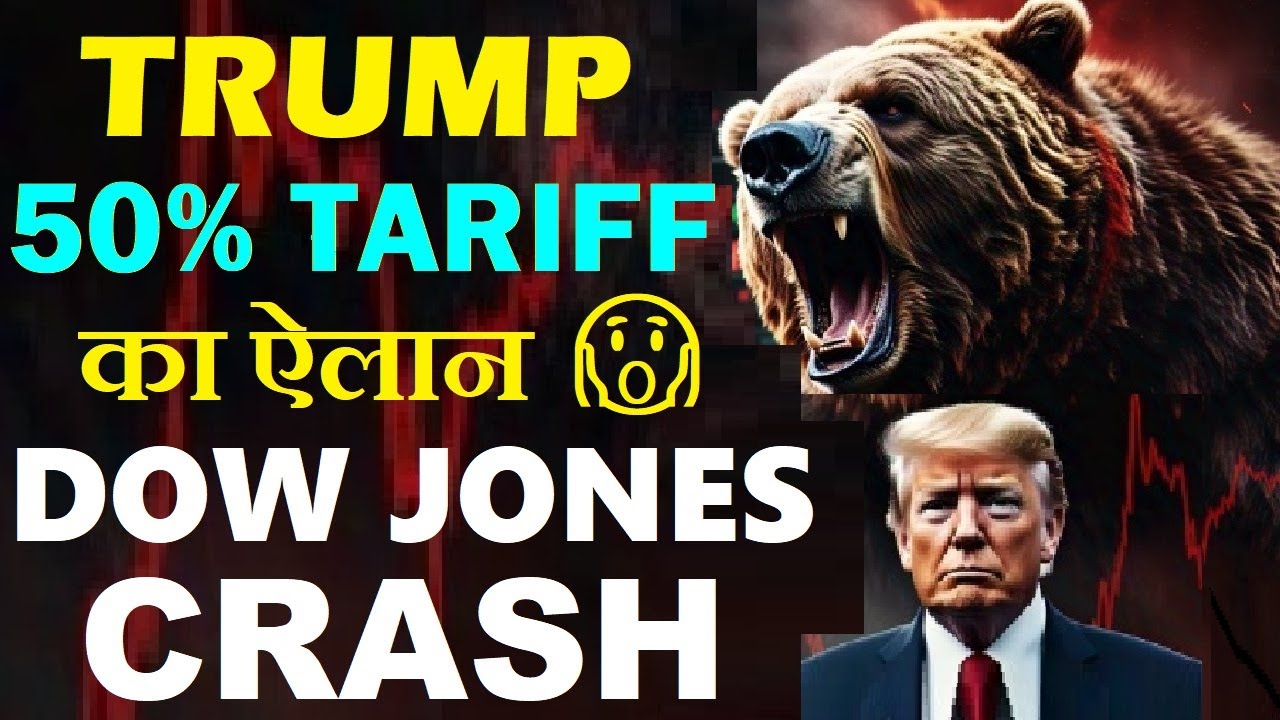
The US stock market faced another brutal hit as former President Donald Trump’s latest tariff announcement sent shockwaves through Wall Street. The Dow Jones Industrial Average plunged 700 points, reflecting widespread investor anxiety. The S&P 500 and Nasdaq also suffered significant declines, highlighting escalating concerns over a potential global trade war.
What Triggered the Market Crash?
Market analysts attribute the steep downturn to Trump’s aggressive stance on tariffs. His latest statement indicated plans to impose an additional 25% tariff on Canadian steel and aluminum imports, effectively doubling existing duties to 50%. This move has fueled fears of retaliatory actions from Canada and other trade partners, intensifying trade tensions.
The Impact of Trump’s Tariff Hike
- Increased Market Volatility: Investors reacted negatively, leading to a sharp sell-off.
- Strengthened Trade War Concerns: The new tariffs are expected to provoke countermeasures from Canada.
- Economic Uncertainty: Businesses now face higher costs, which may trickle down to consumers.
Canada’s Response: Counter-Tariffs on US Goods
In retaliation, Canada has imposed its own tariffs on American exports, including electricity shipments to the US. This tit-for-tat strategy has exacerbated tensions, raising concerns that the economic standoff could escalate further.
Trump’s Bold Threats – A Trade War in the Making?
The situation took an even more dramatic turn when Trump suggested that Canada could avoid tariffs by becoming the 51st state of the US. While this proposal may sound extreme, it’s not the first time he has floated the idea. Historically, Trump has maintained a strong protectionist stance, pushing policies that prioritize American industries over international partnerships.
Financial Institutions Weigh In – Citi Downgrades US Market
In light of recent developments, Citi Group has downgraded the US market, warning investors to exercise caution. Analysts cite the growing economic instability as a major risk factor, especially as fears of a recession loom. Meanwhile, China has been upgraded as a stronger market, signaling a potential shift in global investment patterns.
How Will This Impact the Global Economy?
The ripple effects of Trump’s policies extend beyond the US and Canada. With new tariffs in play, supply chains will likely experience disruptions, leading to:
- Higher Consumer Prices – Costs will rise for manufacturers and consumers alike.
- Increased Inflation Risks – The Federal Reserve may be forced to adjust interest rates.
- Potential Job Losses – Companies facing higher expenses may resort to layoffs to cut costs.
The Stock Market’s Future – What Lies Ahead?
While Trump argues that his long-term strategy will ultimately benefit the US economy, market sentiment remains largely negative. Many financial experts warn that prolonged trade wars could push the economy into a deeper downturn. If stock market instability continues, the pressure may mount on policymakers to reassess these aggressive tariff strategies.
Conclusion – A Pivotal Moment for Investors
With the US stock market experiencing significant turbulence, investors must tread carefully. The ongoing trade war and Trump’s tariff policies have introduced a level of uncertainty that could shape the global economy for years to come. As April approaches, all eyes will be on how the markets react and whether the administration will reconsider its stance. Until then, expect volatility to persist in the financial landscape.