
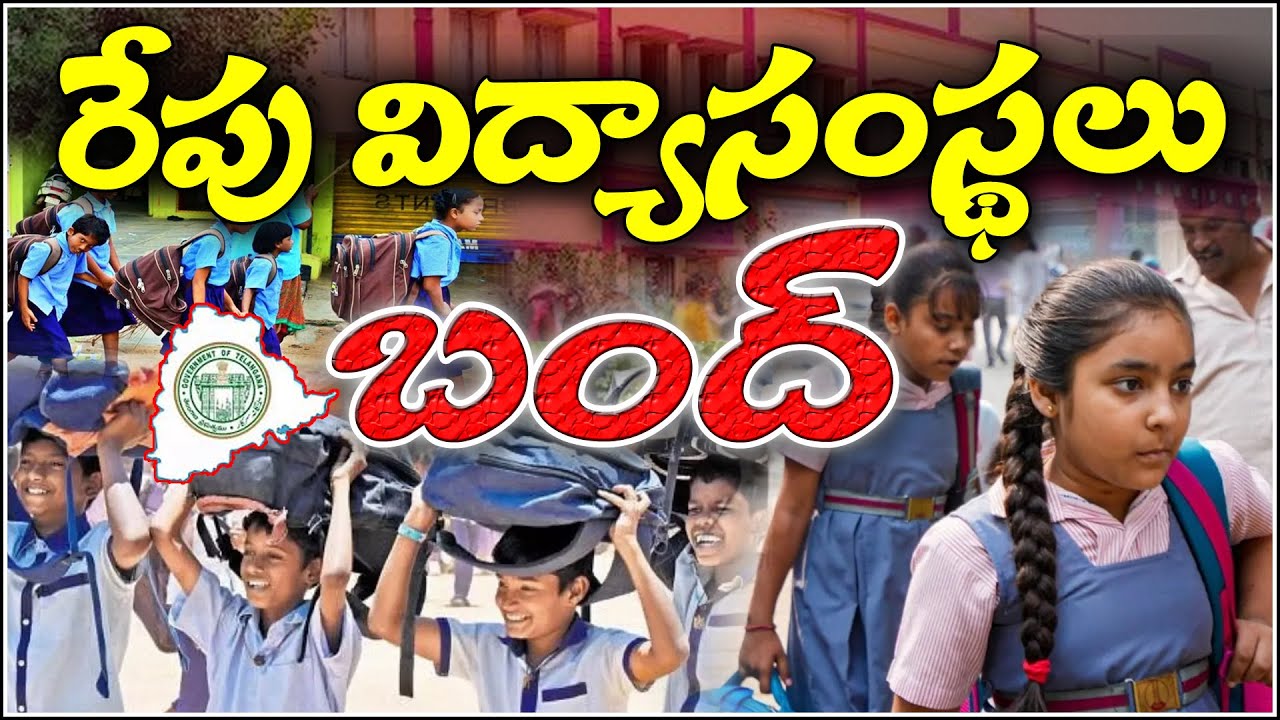
On July 23, 2025, Telangana will witness a significant event as schools, colleges, and other educational institutions across the state remain closed due to a statewide bandh called by various student organizations. This closure, announced by prominent groups like AISF, SFI, PDSU, AIDSO, AISA, and AIFDSU, aims to highlight pressing issues within the education sector. The bandh seeks to draw the government’s attention to longstanding demands for systemic reforms, addressing challenges faced by students, particularly those from economically disadvantaged backgrounds. This article delves into the reasons behind the bandh, the demands of student organizations, and the broader implications for Telangana’s education system, offering actionable insights for stakeholders and policymakers.
Why Are Schools and Colleges Closing in Telangana?
The decision to shut down educational institutions on July 23 stems from a collective call by student unions to protest against systemic issues plaguing Telangana’s education system. These organizations aim to spotlight the government’s perceived inaction on critical matters, including unregulated fee structures, inadequate infrastructure, and delays in scholarship disbursements. The bandh serves as a platform to amplify the voices of students, particularly those in government and private schools, colleges, and hostels, who face significant barriers to quality education.
By organizing this statewide closure, student unions intend to pressure the government into addressing their demands promptly. The bandh is not merely a disruption but a strategic move to highlight the urgency of reforms needed to ensure equitable access to education for all students in Telangana.
Key Demands Driving the Telangana Bandh
Student organizations have outlined a comprehensive list of demands to address the challenges within the education sector. These demands focus on improving affordability, accessibility, and quality of education across public and private institutions. Below, we explore the primary issues raised by the unions.
1. Regulating Fees in Private Educational Institutions
One of the most pressing demands is the regulation of exorbitant fees charged by private schools and colleges. Many private institutions impose high fees without regard for students’ financial backgrounds, making quality education inaccessible for poor and middle-class families. Student unions are urging the government to introduce a strict Fee Regulation Act to curb this exploitation and ensure affordability. Such a law would standardize fee structures, prevent arbitrary hikes, and make higher education accessible to all.
2. Filling Vacant Teaching and Administrative Posts
The shortage of teachers and administrative staff in government schools and colleges has significantly impacted the quality of education. Vacancies for teachers, Mandal Education Officers (MEOs), and District Education Officers (DEOs) remain unfilled, leading to overburdened staff and inadequate academic support for students. The unions demand immediate action to fill these vacant posts, ensuring that educational institutions operate efficiently and provide quality learning experiences.
3. Extending Mid-Day Meal Schemes to Intermediate Students
The Mid-Day Meal Scheme, a flagship program in government schools, provides free lunches to students, improving attendance and nutrition. However, this scheme currently excludes intermediate students (Classes 11 and 12). Student organizations are advocating for its extension to intermediate levels, arguing that it would support students from economically weaker sections and encourage them to continue their education without financial strain.
4. Releasing Pending Scholarships and Fee Reimbursements
Many students rely on scholarships and fee reimbursements to pursue their education, particularly in government and private colleges. However, delays in disbursing these funds have left students in financial distress. The unions are pressing the government to clear all pending scholarship payments and fee reimbursements promptly, ensuring that students can focus on their studies without worrying about financial constraints.
5. Improving Infrastructure in Government Institutions
Inadequate infrastructure in government schools and hostels remains a significant concern. Many institutions lack basic facilities such as functional washrooms, clean drinking water, and sufficient benches. Student unions are calling for increased investment in infrastructure to create a conducive learning environment. This includes building dedicated hostel facilities, as many government hostels currently operate in rented private buildings, which often lack adequate amenities.
6. Clearing Pending Mess and Cosmetic Charges
Students residing in government hostels face challenges due to unpaid mess and cosmetic charges. These delays affect the quality of food and services provided to students, impacting their health and well-being. The unions demand that the government release these pending funds and ensure timely payments to contractors to maintain consistent hostel services.
7. Establishing Dedicated Hostel Buildings
Many government hostels operate out of rented private buildings, which often fail to meet students’ needs. The unions are advocating for the construction of dedicated hostel buildings equipped with modern facilities to provide a safe and comfortable living environment for students.
8. Addressing Unscientific Timings in Gurukul Schools
Gurukul schools, known for their residential education model, have faced criticism for inconsistent scheduling. Irregular timings disrupt students’ routines and affect their academic performance. The unions demand standardized and student-friendly schedules to ensure a balanced learning environment.
9. Releasing Funds for the Best Available Scheme
The Best Available Scheme, designed to support selected government schools, has faced delays in fund allocation. These funds are critical for improving facilities and resources in these institutions. The unions are urging the government to release these funds promptly to enhance the quality of education.
10. Providing Free RTC Bus Passes for Students
Transportation costs pose a significant burden for students commuting to schools and colleges. The unions are demanding free RTC (Road Transport Corporation) bus passes to reduce financial strain and improve access to education, particularly for students from rural areas.
11. Filling Principal and Lecturer Posts in Colleges
Vacant principal and lecturer positions in colleges have led to administrative and academic challenges. The unions are calling for the immediate filling of these posts to ensure smooth operations and quality education delivery in higher education institutions.
12. Opposing the Implementation of NEP 2020
The National Education Policy (NEP) 2020 has sparked controversy, with student unions opposing its implementation in Telangana. They argue that the policy’s structure, particularly the 5+3+3+4 framework, may not align with the state’s educational needs and could disrupt existing systems. The unions demand a thorough review and consultation before any implementation decisions are made.
The Impact of the Bandh on Telangana’s Education System
The statewide bandh on July 23 will temporarily halt academic activities across Telangana, affecting millions of students, teachers, and parents. While the closure disrupts regular classes, it serves as a powerful statement about the urgent need for reform. The bandh is expected to:
- Raise Awareness: By shutting down educational institutions, student unions aim to draw public and government attention to the challenges faced by students.
- Pressure Policymakers: The collective action underscores the urgency of addressing long-pending issues, compelling the government to act swiftly.
- Foster Solidarity: The bandh unites students, educators, and parents in advocating for a fair and inclusive education system.
However, the bandh also raises concerns about academic disruptions, particularly for students preparing for competitive exams like EAMCET. To mitigate these challenges, unions are encouraging students to use this time to engage in discussions about the issues and participate in peaceful demonstrations to amplify their demands.
The Role of Student Unions in Driving Change
Student organizations like AISF, SFI, PDSU, AIDSO, AISA, and AIFDSU have long been at the forefront of advocating for students’ rights in Telangana. These groups have consistently highlighted issues such as fee exploitation, infrastructure deficits, and policy missteps. Their role in organizing the bandh reflects their commitment to creating a more equitable education system.
By mobilizing students across the state, these unions are fostering a sense of collective responsibility and encouraging young people to engage in civic activism. Their demands are not only about immediate fixes but also about long-term reforms that can transform Telangana’s education landscape.
How the Government Can Respond
To address the concerns raised by the bandh, the Telangana government must take proactive steps to engage with student unions and implement meaningful reforms. Key actions include:
- Legislative Measures: Introduce a Fee Regulation Act to control fee structures in private institutions, ensuring affordability for all students.
- Recruitment Drives: Expedite the filling of vacant teaching and administrative posts to improve the quality of education.
- Infrastructure Investments: Allocate funds to upgrade facilities in government schools and hostels, prioritizing basic amenities like washrooms and drinking water.
- Timely Disbursements: Clear all pending scholarships, fee reimbursements, and mess charges to support students financially.
- Policy Consultations: Engage with student unions and education experts before implementing policies like NEP 2020, ensuring alignment with local needs.
By addressing these demands, the government can demonstrate its commitment to building a robust and inclusive education system that serves all students.
Preparing for the Bandh: What Students and Parents Need to Know
For students and parents, the bandh means a temporary halt in academic activities. Here are some tips to navigate the closure effectively:
- Stay Informed: Follow updates from reliable sources like Q News or Telugu Concepts to understand the bandh’s purpose and impact.
- Support the Cause: Engage in discussions about the demands raised by student unions and consider participating in peaceful demonstrations.
- Use the Time Productively: Students preparing for competitive exams can utilize online resources or apps like Shake Speaker to continue their studies.
- Plan Ahead: Coordinate with schools and colleges for updates on rescheduling classes or exams affected by the bandh.
The Broader Implications for Telangana’s Future
The bandh on July 23 is more than a one-day event; it is a call for systemic change in Telangana’s education sector. By addressing the demands raised by student unions, the government has an opportunity to build a more equitable and accessible education system. This, in turn, can empower students, reduce dropout rates, and ensure that Telangana’s youth are well-equipped to compete in a rapidly changing world.
The closure also highlights the power of collective action in driving change. As students, educators, and parents come together to demand better education policies, they are shaping the future of Telangana’s education landscape. The success of this bandh will depend on the government’s willingness to listen and act on these critical issues.
Conclusion
The statewide closure of schools and colleges in Telangana on July 23, 2025, marks a pivotal moment in the fight for educational reform. By addressing issues like unregulated fees, vacant teaching posts, and inadequate infrastructure, student unions are advocating for a system that prioritizes affordability, accessibility, and quality. As Telangana navigates this bandh, stakeholders must work together to ensure that the demands raised lead to meaningful change. For students and parents, staying informed and engaged is crucial to supporting