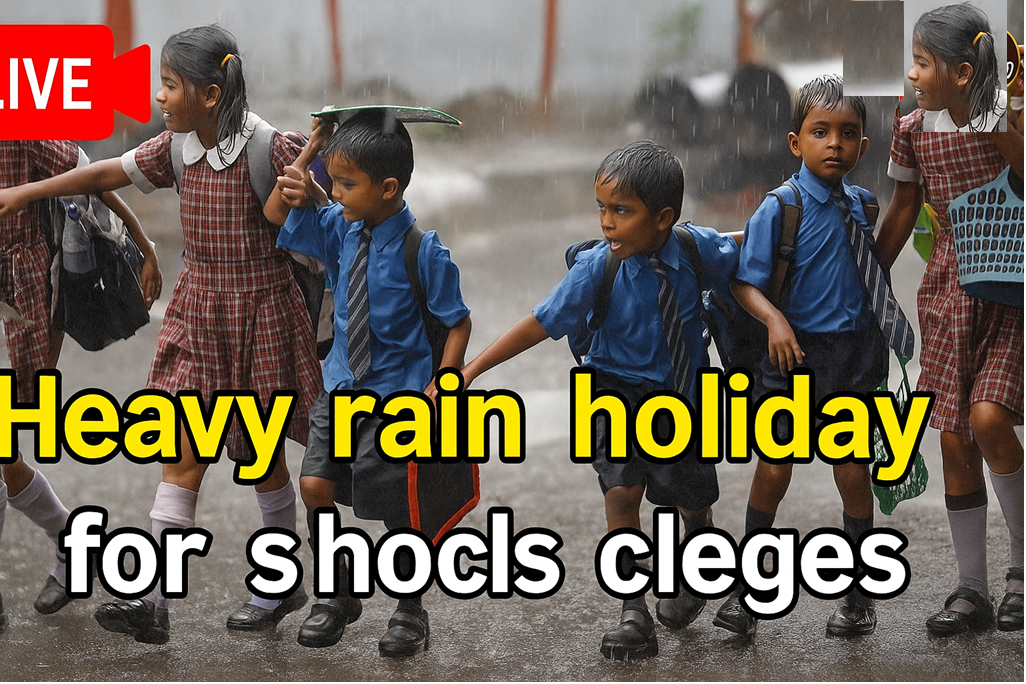
Southern Tamil Nadu, encompassing districts like Kanniyakumari, Tirunelveli, Tenkasi, and Thoothukudi, experiences dynamic weather patterns influenced by the northeast and southwest monsoons. These seasonal rains play a critical role in replenishing water reservoirs, supporting agriculture, and sustaining local ecosystems. However, recent weather shifts, including a low-pressure system in the Bay of Bengal, have led to fluctuating rainfall patterns, impacting water storage, tourism, and local livelihoods. This article explores the current state of rainfall, water management, and their broader implications for the region, providing a detailed and actionable guide for residents, policymakers, and visitors.
Recent Rainfall Trends in Southern Tamil Nadu
The northeast monsoon, which began on October 16, 2025, brought initial promise to southern Tamil Nadu. However, rainfall distribution has been uneven, with some areas receiving substantial precipitation while others experienced only moderate showers. The low-pressure system moving toward the Delta region and northern Tamil Nadu has shifted weather patterns, reducing rainfall in the southern districts. After two days of intermittent drizzle and isolated downpours, sunny and warmer weather returned on October 22, 2025, disappointing residents who anticipated sustained rainfall to bolster water reserves.
Kanniyakumari District: A Rainfall Hotspot
Kanniyakumari, located at the southern tip of India, has historically benefited from both the southwest and northeast monsoons. Areas near the Western Ghats, such as Nagercoil and surrounding hilly regions, recorded significant rainfall in the week following October 16. However, by October 22, rainfall ceased, giving way to clear skies. This sudden shift has implications for water storage and local industries, particularly fishing and rubber tapping.
- Rainfall Data: Kanniyakumari recorded no significant rainfall on October 22, following a robust southwest monsoon.
- Impact on Fishing: A new weather system has triggered warnings of gale and rough seas, preventing fishermen from venturing out. This disruption affects the livelihoods of thousands who depend on fishing for income.
- Rubber Tapping: The cessation of rain has allowed latex tapping in rubber gardens along the Western Ghats to resume, providing relief to workers in this sector.
Tirunelveli District: Mixed Rainfall Patterns
Tirunelveli district experienced varied rainfall, with areas near the Western Ghats, such as Manjolai, Kakkachi, Nalumukku, and Ooththu, receiving moderate showers since the monsoon’s onset. However, rainfall tapered off by October 21, with only Cheranmahadevi (7 mm) and Manimuthar dam (0.4 mm) recording minimal drizzle on October 22. The district’s reservoirs, critical for irrigation and drinking water, reflect the impact of this shortfall.
- Reservoir Levels:
- Papanasam Dam: Currently holds 50.31% of its 5,500 million cubic feet (mcft) capacity.
- Manimuthar Dam: The district’s largest reservoir, with a capacity of 5,511 mcft, stands at 62.31% full.
- Rainfall Data (in mm, October 22):
- Palayamkottai: 12
- Kodumudiyar Dam: 10
- Ooththu: 9
- Cheranmahadevi: 7
- Nalumukku, Ambasamudram, Tirunelveli, Moolaikaraipatti: 6
- Manjolai, Kakkachi, Kannadiyan Channel: 5
- Manimuthar Dam, Nambiyar Dam: 4
- Servalar Dam, Kalakkad: 3
- Nanguneri: 2
The return of sunny weather has raised concerns about water scarcity, particularly for agriculture, as the region relies heavily on monsoon rains to replenish its dams.
Tenkasi District: Minimal Rainfall Recorded
Tenkasi district, another key area in southern Tamil Nadu, saw a significant reduction in rainfall on October 22. Only Gundar and Ramanadhi dams recorded 12 mm and 10 mm of rainfall, respectively, while other areas like Shencottai, Tenkasi, and Aayikudi received 8 mm or less. The decrease in rainfall has allowed tourism to resume, particularly at popular waterfall destinations.
- Rainfall Data (in mm, October 22):
- Gundar Dam: 12
- Ramanadhi Dam: 10
- Shencottai, Tenkasi: 8
- Aayikudi: 7
- Sivagiri: 6
- Karuppanadhi Dam, Sankarankovil: 4
- Gadananadhi Dam, Adavinainarkovil Dam: 3
- Tourism Impact: With floodwaters subsiding, tourists and locals can now access Main Falls, Five Falls, and Old Courtallam waterfalls, boosting local businesses that rely on tourism revenue.
Thoothukudi District: Managing Rainwater Challenges
Thoothukudi district faced challenges with rainwater stagnation due to incomplete infrastructure projects, particularly the underground drainage system in wards 16 and 17. However, proactive measures by the Thoothukudi Corporation have mitigated flooding in most areas.
- Water Management Efforts: Mayor Jegan Periyasamy reported that rainwater drained effectively in all 58 wards, thanks to pre-monsoon preparations. Motor pumps were deployed in areas with stagnant water, ensuring minimal disruption to residents.
- Infrastructure Challenges: The ongoing underground drainage project has delayed water management in specific wards, highlighting the need for accelerated infrastructure development.
Water Management Strategies in Southern Tamil Nadu
The fluctuating rainfall patterns underscore the importance of robust water management strategies. With reservoirs like Papanasam and Manimuthar dams at suboptimal levels, authorities must prioritize sustainable water use and infrastructure improvements.
Enhancing Reservoir Capacity
Low water levels in key reservoirs signal a need for enhanced storage and conservation measures. Strategies include:
- Desilting Dams: Removing sediment from reservoirs can increase storage capacity and improve water retention.
- Rainwater Harvesting: Encouraging households and businesses to adopt rainwater harvesting systems can reduce dependence on reservoirs during dry spells.
- Interlinking Water Bodies: Connecting smaller water bodies to major reservoirs can optimize water distribution across the region.
Addressing Infrastructure Gaps
The Thoothukudi Corporation’s efforts to manage rainwater highlight the importance of completing infrastructure projects. Key actions include:
- Accelerating Drainage Projects: Completing the underground drainage system in Thoothukudi will prevent future flooding and improve sanitation.
- Urban Planning: Incorporating flood-resistant designs in urban development plans can mitigate the impact of heavy rainfall.
Supporting Local Livelihoods
The cessation of rainfall has both positive and negative impacts on livelihoods. While rubber tapping and tourism have resumed, fishermen in Kanniyakumari face ongoing challenges due to rough seas. Support measures include:
- Alternative Livelihood Programs: Providing training and resources for fishermen to engage in alternative income-generating activities during adverse weather conditions.
- Subsidies for Rubber Farmers: Offering financial support to rubber farmers to offset losses from disrupted tapping schedules.
Environmental and Economic Impacts
The uneven rainfall patterns in southern Tamil Nadu have far-reaching environmental and economic consequences. Understanding these impacts is crucial for developing resilient communities.
Environmental Implications
- Ecosystem Health: Reduced rainfall affects the Western Ghats’ biodiversity, particularly in areas like Manjolai and Kakkachi, where flora and fauna depend on consistent moisture.
- Soil Erosion: Inadequate rainfall can lead to soil degradation, impacting agricultural productivity in Tirunelveli and Tenkasi.
Economic Consequences
- Agriculture: Farmers relying on monsoon rains for crops like paddy and banana face uncertainty, necessitating investment in irrigation infrastructure.
- Tourism: The resumption of tourism at waterfalls in Tenkasi provides a boost, but sustained efforts are needed to promote year-round tourism.
- Fishing Industry: Prolonged restrictions on fishing in Kanniyakumari could lead to economic losses, requiring government intervention to support affected communities.
Future Outlook: Preparing for the Northeast Monsoon
As the northeast monsoon progresses, southern Tamil Nadu must prepare for potential weather shifts. The India Meteorological Department (IMD) predicts varied rainfall patterns in the coming weeks, with possible cyclonic activity in the Bay of Bengal. To ensure resilience, stakeholders should focus on:
- Real-Time Weather Monitoring: Leveraging technology to track weather systems and issue timely warnings to fishermen and farmers.
- Community Awareness: Educating residents about water conservation and flood preparedness to minimize disruptions.
- Policy Interventions: Implementing policies to support sustainable water management and infrastructure development.
Conclusion
Southern Tamil Nadu’s rainfall patterns in October 2025 reflect the complexities of monsoon dynamics, with significant implications for water management, agriculture, and local economies. While areas like Kanniyakumari benefited from early monsoon rains, the abrupt return of sunny weather has left reservoirs like Papanasam and Manimuthar dams at critical levels. Proactive measures by the Thoothukudi Corporation and the resumption of tourism and rubber tapping offer hope, but challenges like incomplete infrastructure and fishing restrictions persist. By prioritizing sustainable water management, infrastructure development, and community support, southern Tamil Nadu can navigate these challenges and build a resilient future.
For the latest updates on rainfall and water management in southern Tamil Nadu, stay tuned to local weather reports and government announcements. Together, we can ensure a sustainable and prosperous region for all.