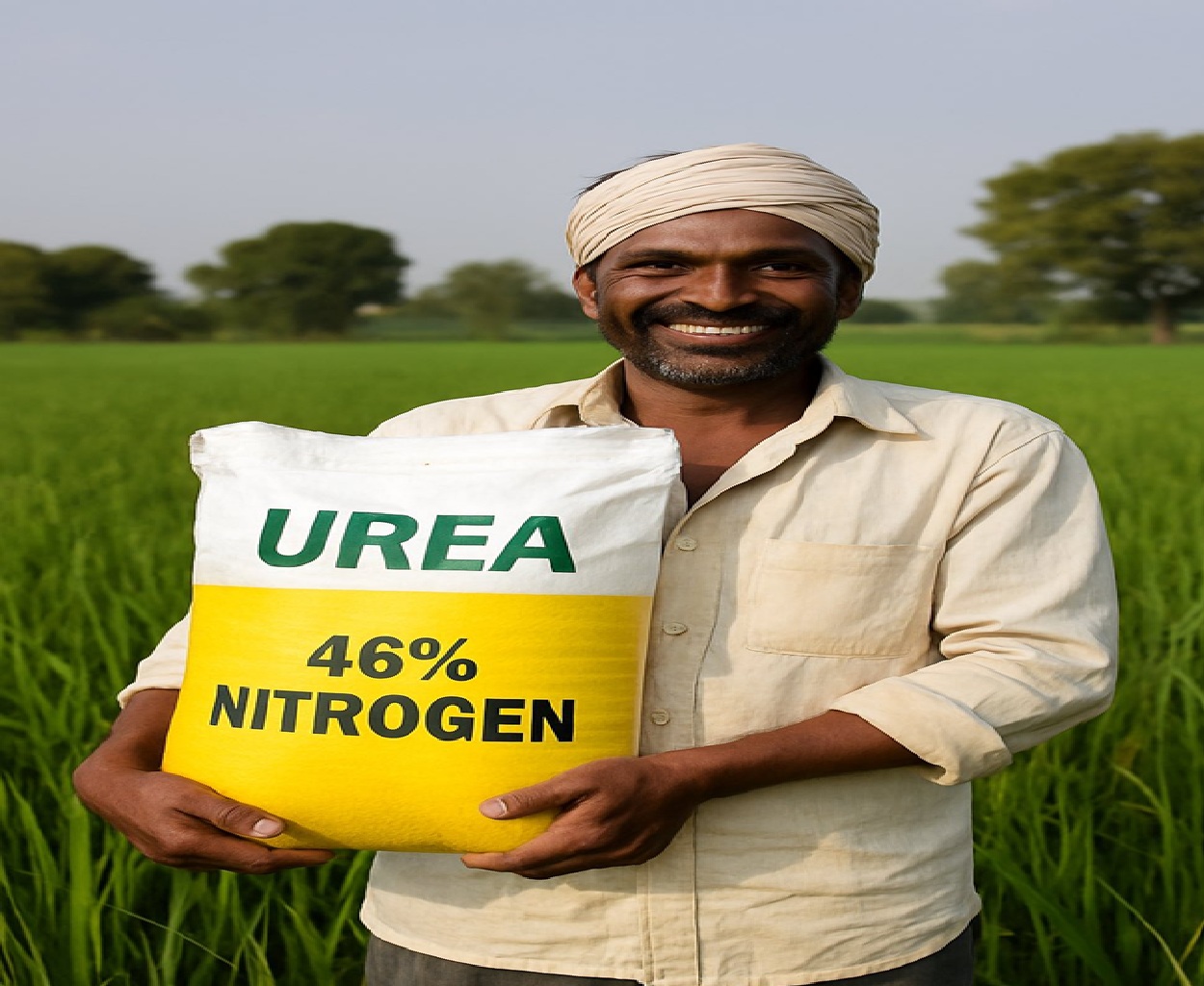
Telangana’s farmers face a severe urea shortage in 2025, right when the Kharif season demands peak agricultural activity. This crisis disrupts crop growth, threatens yields, and sparks debates between state and central governments. As a key nitrogen fertilizer, urea plays a vital role in boosting plant health, but supply gaps have left cultivators scrambling. In this in-depth article, we explore the roots of the shortage, its effects on major crops like paddy and maize, and strategies to build resilient fertilizer systems for Telangana’s agriculture.
Unpacking the Urea Crisis in Telangana’s Kharif Season
Farmers in Telangana actively cultivate vast lands during the Kharif period, relying heavily on urea to nourish their crops. However, 2025 brings an acute shortage that hampers these efforts. This nitrogen-rich fertilizer supports essential plant functions, such as protein synthesis and chlorophyll production, which drive growth and productivity. Without adequate supplies, crops suffer stunted development, leading to lower harvests and economic losses.
State officials actively review fertilizer distributions, uncovering stark differences between planned allocations and actual deliveries. These discrepancies not only stall farming operations but also fuel political tensions. The central government allocates resources, yet local leaders argue that these fall short of Telangana’s expanding needs. As Kharif activities intensify, farmers queue at distribution centers, often facing empty stocks. This situation demands urgent attention to prevent widespread agricultural setbacks.
To grasp the crisis fully, consider how Telangana’s agriculture has evolved. The state boasts fertile soils and reliable irrigation from projects like the Kaleshwaram Lift Irrigation Scheme, enabling year-round farming. Yet, this growth increases fertilizer demand. In 2025, unpredictable weather patterns, including erratic monsoons, further heighten the need for timely urea applications to combat stress on crops.
Analyzing Fertilizer Allocation Gaps in Telangana Agriculture
The Indian government assigns urea quotas to states based on historical data and projected needs. For Telangana in the 2025-26 year, officials allocate 9.80 lakh metric tonnes (LMTs), including a starting buffer of 1.90 LMTs from April. Farmers and experts, however, point out that this amount fails to match the state’s rising consumption.
Over the past five Kharif seasons, Telangana consumes an average of 9.82 LMTs annually. Peak years see even higher usage, such as 10.48 LMTs in 2020-21 and 10.42 LMTs in 2023-24. These numbers reflect expanded farmlands and intensified cropping. In 2025, paddy fields alone expand dramatically, pushing demand beyond allocations.
Experts attribute these gaps to flawed forecasting methods. Central planners often rely on outdated models that overlook regional growth factors, like new irrigation infrastructure or shifts toward high-yield varieties. As a result, Telangana’s farmers receive insufficient supplies, forcing them to seek alternatives or delay applications, which compromises crop health.
Peak Demand Months: August and September Urea Needs in Telangana
August and September mark the height of urea requirements in Telangana, with demands reaching 3.22 LMTs and 2.66 LMTs respectively. During these months, farmers apply urea to support key growth stages, ensuring robust yields.
In rice fields, urea fosters tillering, where plants produce multiple stems for more grains. Maize benefits from nitrogen during stem elongation, enhancing stalk strength and ear development. Cotton requires it for boll formation, directly influencing fiber quality and quantity. Without timely access, these processes falter, leading to weaker plants vulnerable to pests and diseases.
Farmers in districts like Karimnagar and Nizamabad report delays in urea availability, coinciding with monsoon rains that wash away soil nutrients. This timing exacerbates losses, as crops cannot absorb alternatives effectively. Agricultural extension services urge precise application schedules, but shortages disrupt these plans, underscoring the need for better monthly supply forecasting.
Domestic Production Setbacks Fueling Telangana’s Fertilizer Shortage
Local manufacturing plays a crucial role in urea supply, yet disruptions plague Telangana’s sources. From April to August 2025, the state expects 8.30 LMTs but receives only 5.62 LMTs, a 32% shortfall of 2.69 LMTs.
Ramagundam Fertilizers and Chemicals Limited (RFCL) shoulders much of the burden, with a 65,000 metric tonne allocation for August, accounting for nearly half of indigenous supplies. The plant delivers just 24,000 MTs before shutting down from August 14 to September 1, leaving a 41,000 MT gap.
Persistent issues, including gas pipeline leaks and equipment malfunctions, cause these halts. Out of 145 days from April to August, production stops for 78 days. Restarting involves lengthy cooling periods, delaying output further. Industry insiders note that fixing the High Temperature Reformer (HTR) demands Rs 150 crores, but this offers only short-term fixes, not lasting stability.
Such failures stem from aging infrastructure and inadequate maintenance budgets. RFCL, a joint venture, struggles with technical expertise gaps, highlighting broader challenges in India’s fertilizer sector. To mitigate, stakeholders push for modernization, including automation to detect leaks early and prevent shutdowns.
Technical Hurdles in Urea Manufacturing for Telangana Farmers
RFCL’s woes exemplify wider operational challenges in urea production. Gas leaks recur due to corrosion in pipelines, exacerbated by high-pressure operations. Equipment failures, like compressor breakdowns, require specialized repairs that extend downtime.
Maintenance routines prove insufficient, as plants operate near capacity to meet demands. Cooling and restart phases, lasting days, compound losses. Experts recommend investing in redundant systems, where backup units kick in during repairs, minimizing interruptions.
Beyond RFCL, other facilities face similar issues, from raw material shortages to energy constraints. Natural gas, a key input, fluctuates in availability due to competing industrial demands. Addressing these requires policy shifts, such as prioritizing fertilizer plants in gas allocations and fostering R&D for efficient technologies.
Global Import Challenges Affecting Telangana Urea Supplies
Imports supplement domestic production, but global factors hinder deliveries. In August 2025, Telangana anticipates 0.39 LMTs from abroad, yet disruptions create a 28,800 MT shortfall.
Geopolitical tensions, including conflicts in key regions, restrict exports from major producers like Russia and the Middle East. Red Sea shipping issues force reroutes around the Cape of Good Hope, adding thousands of kilometers and escalating costs. China’s export curbs ease slightly, potentially freeing 2-3 million tonnes, but delays persist.
Currency swings and trade policies add layers of complexity. Indian importers negotiate amid rising global prices, straining budgets. For Telangana, these mean inconsistent arrivals, leaving warehouses understocked during critical periods.
To counter, diversifying import sources—tapping Southeast Asia or Africa—could stabilize supplies. Long-term contracts with reliable partners would buffer against volatility, ensuring steady flows for Kharif needs.
Expanded Farmlands Drive Higher Urea Demand in Telangana 2025
Kharif 2025 sees unprecedented growth in cultivated areas, amplifying urea needs. Paddy expands to 4,520,974 acres from 3,160,699 the prior year, a 72.36% surge over norms.
This boom stems from improved irrigation and government incentives for rice production. Maize covers 14 lakh acres, cotton 12.5 lakh hectares, with cereals and pulses adding to the mix. Each crop demands specific urea regimes: rice for vegetative vigor, maize for grain filling, cotton for reproductive growth.
Farmers adopt hybrid seeds that respond well to fertilizers, further boosting consumption. However, shortages force rationing, prioritizing high-value fields while neglecting others, risking uneven yields across the state.
Vulnerable Crop Stages in Telangana Amid Urea Crisis
The shortage strikes during pivotal growth phases, where nitrogen deficiency hits hardest. In rice, tillering suffers without urea, reducing panicle numbers. Maize experiences yellowing leaves, stunting ears. Cotton bolls drop prematurely, slashing output.
Root systems weaken across crops, impairing nutrient uptake and drought resistance. Farmers observe wilting and discoloration, signals of stress that pesticides cannot fully address. Timely interventions, like split applications of urea, prove essential but impossible amid scarcity.
Agricultural scientists recommend soil tests to gauge nitrogen levels pre-planting, allowing targeted use. Yet, without supplies, even informed strategies fail, emphasizing the crisis’s urgency.
Current Urea Stocks and Urgent Needs in Telangana Districts
Telangana holds just 0.40 LMTs in urea stocks, far below the 4.24 LMTs needed. This 10% coverage sparks panic buying and black-market activities.
Districts vary in severity: Nalgonda gets 44,000 MT against 70,000 required, prompting overnight lines. Karimnagar, Nizamabad, Gadwal, Warangal, and Mahabubabad report similar woes, with rice and cotton farms hit hardest.
Rural areas struggle more, lacking transport links and storage. Urban centers access supplies faster, widening disparities. Farmers in remote villages travel miles, incurring costs that erode profits.
Emergency Responses to Telangana’s Fertilizer Shortage
On August 20, 2025, authorities allocate an extra 28,600 MTs from other sources. Dispatches include 15,600 MTs to centers, 2,600 MTs in loading, and 10,400 MTs due by August 28.
Despite this, a 30,400 MT deficit lingers for August. State teams coordinate distributions, prioritizing high-demand zones. Yet, logistics bottlenecks—truck shortages and road conditions—slow progress.
Longer-term, enhancing rail networks for bulk transport could speed deliveries, reducing reliance on roads prone to monsoon disruptions.
District-Specific Impacts of Urea Shortage in Telangana
Nalgonda leads in crisis severity, with farmers facing empty racks after long waits. Karimnagar’s intensive farming amplifies needs, while Nizamabad’s production hubs grind to a halt.
Gadwal’s cotton growers risk boll drops, Warangal’s mixed farms juggle priorities, and Mahabubabad’s rice paddies yellow from deficiency. Each district adapts differently: some switch to organic alternatives, others pool resources for bulk buys.
These variations highlight uneven infrastructure, with better-equipped areas faring slightly better. Addressing this requires district-level planning, tailoring supplies to local crop patterns.
Urban-Rural Divides in Accessing Urea in Telangana
Rural farmers encounter steeper barriers: poor roads delay trucks, small storage units overflow quickly, and information lags leave them unaware of arrivals.
Financial hurdles prevent stockpiling, unlike urban counterparts with easier credit. Community cooperatives help, but capacity limits their reach. Bridging this gap involves mobile apps for stock alerts and subsidized transport, empowering rural access.
Political Tensions Surrounding Telangana’s Urea Crisis
The shortage ignites clashes between Telangana’s Congress-led government and the central BJP administration. Minister Thummala Nageswara Rao blames political bias for low allocations.
Disputes center on distribution fairness, import delays, emergency aid adequacy, and long-term strategies. State leaders demand revisions to formulas, incorporating real-time data.
Central officials counter with production constraints, urging state efficiency. This back-and-forth delays resolutions, frustrating farmers caught in the middle.
Government Measures to Tackle Urea Shortages in Telangana
Telangana forms task forces to oversee distributions, curbing misuse. District collectors track stocks daily, while anti-hoarding raids ensure fair prices.
These steps prevent exploitation, but enforcement varies. Strengthening teams with tech, like GPS-tracked vehicles, could enhance transparency and speed.
Economic Burdens on Telangana Farmers from Urea Shortage
Farmers bear higher costs: traveling for supplies, paying premiums in gray markets, and facing yield drops from delays. Alternatives like ammonium nitrate cost more, straining budgets.
Projected 10-15% yield losses threaten Telangana’s output: 92 lakh tonnes of rice, 16 lakh tonnes of maize, and 48 lakh bales of cotton. These translate to billions in losses, affecting livelihoods and food chains.
Smallholders suffer most, lacking reserves to absorb hits. Government subsidies help, but broader insurance schemes could cushion impacts.
Yield Losses and Food Security Risks in Telangana Agriculture
Persistent shortages risk slashing harvests, endangering food security. Rice, a staple, could see reduced quality, spiking prices. Maize shortages hit animal feed, rippling to dairy.
Cotton declines affect textiles, a key industry. Experts model scenarios: 10% drops equate to millions in lost revenue, urging swift fixes to safeguard supplies.
Global Fertilizer Market Volatility Impacting Telangana
Urea prices climb globally: FOB China hits $385 per tonne in July 2025, up 12% yearly. Middle East surges 19%, driven by tight supplies.
Conflicts and export bans constrain availability, forcing India to compete fiercely. Telangana, as an end-user, feels these pressures through delayed imports and higher costs.
India’s Import Strategies Amid Urea Shortage in Telangana
Geopolitical risks disrupt sources, while Red Sea reroutes add 6,500 km to voyages, inflating expenses. Currency volatility complicates budgeting.
Diversifying partners and hedging currencies could stabilize imports. Long-term, boosting domestic output reduces reliance, securing Telangana’s needs.
Innovative Technologies for Efficient Urea Use in Telangana
Precision agriculture transforms fertilizer management: soil tests optimize doses, GPS applicators target fields, and sensors monitor needs in real-time.
These cut waste, boosting sustainability. Farmers adopting them report 20% savings, but training lags. Government programs could accelerate uptake, easing shortage pressures.
Exploring Alternative Nitrogen Fertilizers for Telangana Farmers
Nano urea emerges as a game-changer, with six plants producing 27.22 crore bottles yearly. It delivers nitrogen efficiently via foliar sprays, reducing soil loss.
Yet, doubts about efficacy and application knowledge hinder adoption. Awareness campaigns and demos could build trust, diversifying options beyond traditional urea.
Environmental Effects of Urea Overuse in Telangana Soils
Excess urea acidifies soils, leaching nutrients and contaminating water. Microbial imbalances disrupt ecosystems, lowering long-term fertility.
Sustainable practices, like balanced fertilization, mitigate these. The crisis prompts shifts toward eco-friendly methods, preserving Telangana’s lands.
Promoting Climate-Resilient Farming in Telangana
Integrating organics, cover crops, and timed applications builds resilience. Crop residues enrich soils, fixing nitrogen naturally.
These approaches cut dependency on synthetics, aligning with climate goals. Extension services guide farmers, fostering adoption for durable agriculture.
Reforming Cooperative Systems for Better Urea Distribution
IFFCO’s network serves millions, but shortages expose weaknesses: limited storage, poor forecasting, and delivery gaps.
Upgrades, like expanded warehouses and digital tools, strengthen chains. Better last-mile logistics ensure remote farmers receive shares promptly.
Digital Tools Enhancing Fertilizer Access in Telangana
Apps track inventories, allowing pre-bookings and verifications. These reduce hoarding and ensure quality, empowering farmers with data.
Pilots in districts show promise, cutting wait times. Scaling them statewide could revolutionize distributions, averting future crises.
Strategies to Boost Domestic Urea Production in Telangana
Investments modernize plants, expanding capacities and adopting tech. Partnerships transfer knowledge, enhancing efficiency.
New facilities in key zones cut transport, bolstering self-reliance. These steps secure supplies, shielding against global shocks.
Building Resilient Supply Chains for Telangana Fertilizers
Decentralized warehousing and diverse sourcing minimize risks. Protocols for emergencies enable quick responses, maintaining flows.
These frameworks protect agriculture, ensuring steady urea for Kharif and beyond.
Short-Term Fixes for Telangana’s 2025 Urea Crisis
Fast-track imports, redistribute from surpluses, and prioritize transport address immediate gaps. These actions stabilize stocks, supporting ongoing seasons.
Supporting Farmers During Telangana Fertilizer Shortages
Subsidies for transport, advisory services, and credits ease burdens. These aids help navigate crises, preserving incomes.
Advanced Monitoring to Prevent Future Urea Shortages
AI models predict demands, tracking chains for alerts. These systems preempt issues, enabling proactive management.
Coordinating Stakeholders for Telangana Agriculture
Platforms link governments, producers, and farmers, aligning efforts. Feedback loops refine strategies, building unity.
Vision for Sustainable Fertilizer Systems in Telangana
The 2025 crisis teaches resilience: diversify sources, integrate tech, and reform distributions. Coordinated reforms ensure access, supporting growth and sustainability.
Telangana transforms challenges into strengths, securing prosperous farming. Through action, the state safeguards food security and farmer welfare for generations.