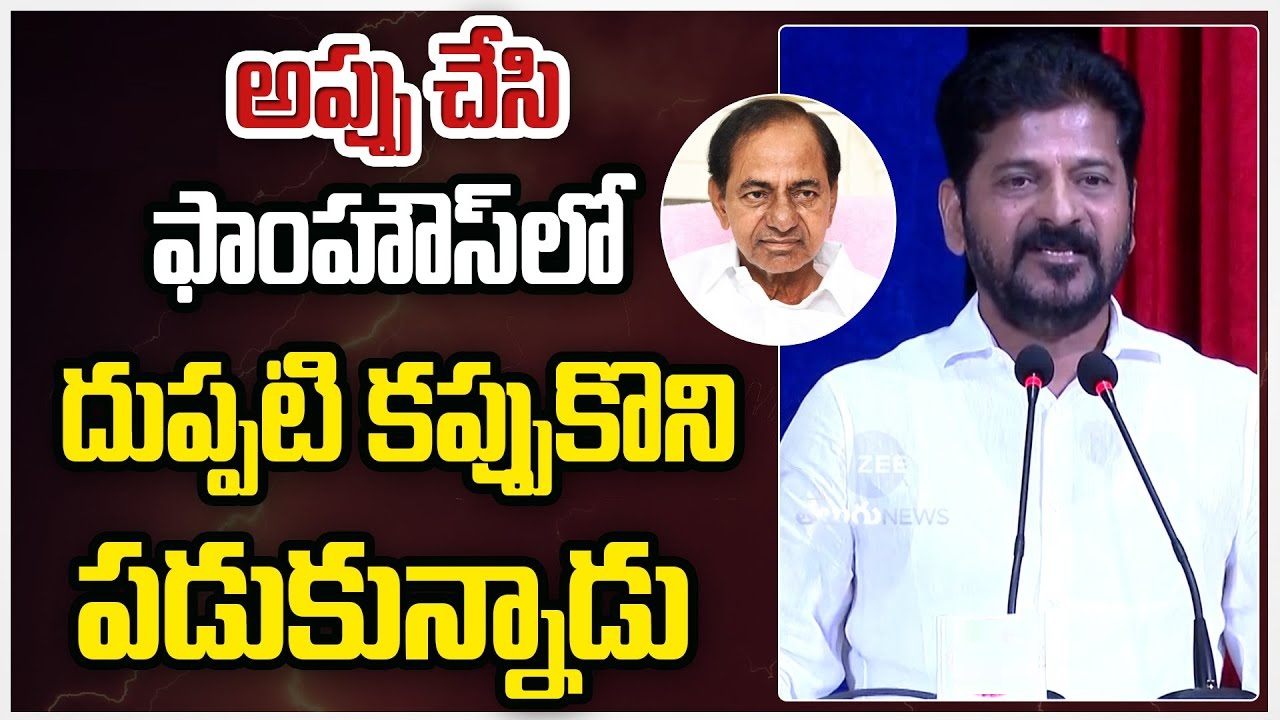
Telangana Chief Minister Revanth Reddy has emerged as a steadfast leader navigating the state through turbulent economic waters. Recently, he addressed employee unions, urging them to reconsider their plans for protests and strikes in light of the state’s fragile financial condition. His speech, delivered with conviction and clarity, emphasized unity, responsibility, and the shared goal of restoring Telangana’s economic stability. This article delves into Reddy’s impassioned address, the state’s economic challenges, and the critical role of government employees in shaping Telangana’s future.
The Economic Crisis in Telangana: A Legacy of Mismanagement
Telangana’s economy is reeling from years of financial mismanagement under previous administrations. Reddy candidly highlighted the dire situation, noting that the state’s revenue is insufficient to meet its obligations. With an annual income capped at approximately ₹18,500 crore, Telangana struggles to fund essential welfare schemes, salaries, and infrastructure development. The state’s debt, inherited from past governments, has ballooned, leaving little room for new borrowing.
A State on the Brink
Reddy painted a vivid picture of Telangana’s economic plight, likening it to a family on the verge of bankruptcy. He revealed that banks and financial institutions view Telangana’s representatives with skepticism, often denying loans or appointments due to the state’s tarnished creditworthiness. This lack of trust stems from a history of reckless borrowing and expenditure, which Reddy attributes to the previous government’s policies.
The Burden of Debt
The Chief Minister disclosed that Telangana’s debt stands at a staggering ₹8 lakh crore, while its annual revenue is only ₹2 lakh crore. This imbalance creates a vicious cycle, where the state struggles to service its debt while meeting the needs of its citizens. Reddy emphasized that no new loans are forthcoming, as lenders have lost confidence in Telangana’s ability to repay.
Revanth Reddy’s Appeal to Employee Unions
At the heart of Reddy’s address was a direct appeal to government employee unions, who had announced plans for protests over salary hikes and other demands. The Chief Minister expressed frustration at their timing, arguing that strikes would exacerbate the state’s challenges and burden the 98% of Telangana’s citizens who fund government salaries through taxes.
A Call for Responsibility
Reddy challenged union leaders to reflect on their role in Telangana’s governance. He reminded them that government employees are partners in the state’s administration, not adversaries of the public. “Who are you waging war against?” he asked, urging unions to consider the impact of their actions on ordinary citizens who rely on government services.
The Sacrifice of the Common Man
The Chief Minister underscored the sacrifices made by Telangana’s taxpayers, who have funded salaries, pensions, and benefits for government employees for decades. He questioned whether it was fair for unions to demand raises at the expense of welfare schemes like old-age pensions, free electricity, or marriage assistance programs. Reddy challenged union leaders to specify which programs they would cut to fund their demands, emphasizing transparency and accountability.
The Role of Government Employees in Telangana’s Recovery
Reddy’s speech was not just a critique but a rallying cry for government employees to join hands with the administration in rebuilding Telangana. He stressed that the state’s recovery depends on collective effort, discipline, and a commitment to public service.
Unity Over Conflict
Instead of protests, Reddy called for “samayasphurti” (timely cooperation) from employees. He urged them to channel their energy into advancing Telangana’s development, positioning the state as a global leader in investment and innovation. By working together, Reddy believes employees can help restore Telangana’s reputation and attract world-class investments.
A Shared Vision for Progress
The Chief Minister outlined his vision for Telangana as the “number one” state in India, a goal that requires dedication from all stakeholders. He praised the state’s police force for maintaining peace and security, which has bolstered Telangana’s appeal to investors. Reddy encouraged employees to emulate this commitment, emphasizing that their efforts are critical to the state’s economic revival.
Criticizing the Opposition: A Political Context
Reddy did not shy away from critiquing the opposition, particularly targeting former Chief Minister K. Chandrashekar Rao (KCR) and his Bharat Rashtra Samithi (BRS) party. He accused the previous government of orchestrating Telangana’s financial downfall through extravagant spending and unchecked borrowing.
The Legacy of Failure
Reddy alleged that KCR and his administration reveled in Telangana’s failures, deriving “demonic joy” from the state’s struggles. He criticized the opposition leader for retreating to his farmhouse while the state grappled with economic chaos, emerging only to mock the current government’s efforts. Reddy’s sharp rhetoric underscored the political stakes, framing his administration as a corrective force against years of mismanagement.
Misleading Promises
The Chief Minister highlighted the BRS government’s deceptive budgeting practices, which projected an unrealistic ₹3 lakh crore in annual revenue while accumulating ₹3 lakh crore in debt. In reality, Telangana’s income was far lower, leaving the state ill-equipped to fulfill its promises. Reddy’s transparency about these figures aimed to expose the opposition’s role in the crisis and rally public support for his administration’s reforms.
Economic Austerity: Leading by Example
To demonstrate his commitment to fiscal responsibility, Reddy shared personal anecdotes about his efforts to cut costs. He revealed that he travels in economy class and avoids unnecessary expenses, such as special flights, to minimize the state’s expenditure. These measures, he argued, reflect the government’s broader strategy of self-discipline and resource conservation.
A Government of Servants, Not Rulers
Reddy redefined the role of government, emphasizing that officials and employees are “servants” of the public, not rulers. He called on union leaders to uphold this ethos, warning that protests would undermine the state’s fragile recovery. By framing the government as a collective entity, Reddy sought to foster a sense of shared purpose among employees.
The Cost of Protests
The Chief Minister cautioned that strikes and agitations could destabilize Telangana’s already precarious systems. He warned that a collapse would push the state toward insolvency, making recovery even more challenging. Reddy’s plea for restraint was rooted in a desire to protect Telangana’s long-term interests over short-term gains.
Telangana’s Path Forward: Challenges and Opportunities
Reddy’s address highlighted both the challenges and opportunities facing Telangana. While the state grapples with a severe financial crisis, it also has the potential to emerge as a leader in innovation and governance. The Chief Minister’s vision hinges on collaboration between the government, employees, and citizens.
Restoring Financial Stability
To stabilize Telangana’s economy, Reddy proposed a multi-pronged approach:
- Fiscal Discipline: Implementing strict cost-cutting measures across government departments.
- Revenue Generation: Attracting investments to boost the state’s income without relying on loans.
- Transparent Governance: Publicly disclosing financial records to rebuild trust with citizens and lenders.
Empowering Employees as Change Agents
Reddy urged government employees to view themselves as agents of change. By prioritizing service delivery and innovation, they can help Telangana overcome its challenges and achieve its developmental goals. The Chief Minister’s call for “chittashuddhi” (sincerity) and “pattudala” (determination) resonated as a plea for employees to rise above conflicts and contribute to the state’s progress.
The Broader Implications for Telangana’s Governance
Reddy’s address carries significant implications for Telangana’s governance model. By confronting employee unions directly, he signaled a shift toward accountability and collaboration. His emphasis on transparency and public service sets a new tone for the state’s administration, challenging employees to align their actions with the public’s interests.
A Test of Leadership
The Chief Minister’s ability to navigate this crisis will define his tenure. By balancing the demands of employees with the needs of citizens, Reddy aims to forge a governance model that prioritizes stability and progress. His willingness to lead by example, from traveling modestly to engaging openly with unions, underscores his commitment to transformative leadership.
The Role of Public Support
Ultimately, Telangana’s recovery depends on the support of its citizens. Reddy’s appeal to employees was also a call to the public, urging them to hold the government and its workforce accountable. By fostering a culture of shared responsibility, the Chief Minister hopes to unite Telangana’s diverse stakeholders in pursuit of a common goal.
Conclusion: A United Telangana for a Brighter Future
Chief Minister Revanth Reddy’s address to employee unions was a defining moment in Telangana’s journey toward economic recovery. His candid assessment of the state’s challenges, coupled with a passionate call for unity, underscored the urgency of collective action. By urging government employees to prioritize public service over protests, Reddy laid the foundation for a collaborative approach to governance.
As Telangana navigates its financial crisis, the role of government employees cannot be overstated. Their cooperation, sincerity, and dedication will determine the state’s ability to overcome its challenges and emerge as a leader in India. Reddy’s vision of a “number one” Telangana is within reach, but it requires the collective effort of every stakeholder—government, employees, and citizens alike.
In the face of adversity, Reddy’s leadership offers hope and direction. By fostering transparency, accountability, and unity, he is steering Telangana toward a brighter future. The path ahead is fraught with challenges, but with the right mindset and collective resolve, Telangana can rise above its past and achieve its full potential.