
Tata Steel, a cornerstone of India’s industrial legacy and a global titan in the steel industry, continues to make waves with its strategic advancements and market performance. As one of the oldest companies within the Tata Group, with roots tracing back to the British era, Tata Steel has evolved into a powerhouse driving innovation and sustainability. This article dives deep into the latest updates on Tata Steel’s share performance, dividend announcements, global market challenges, and strategic initiatives like green steel production and capacity expansion. Whether you’re an investor eyeing opportunities or a market enthusiast, this comprehensive guide offers actionable insights into Tata Steel’s trajectory in 2025.
Tata Steel’s Legacy and Global Presence
Tata Steel stands as a testament to enduring industrial excellence. Established over a century ago, it has grown from its Indian roots to become a dominant player in the global steel market. The company operates across multiple continents, delivering high-quality steel products while navigating complex market dynamics. Its commitment to innovation, coupled with a robust business model, has positioned Tata Steel as a leader in the industry. Today, the company is not only focused on maintaining its market dominance but also on pioneering sustainable practices, such as green steel production, to align with global environmental goals.
Tata Steel’s Shift to Green Steel: A Sustainable Future
Pioneering Eco-Friendly Steel Production
Tata Steel is making significant strides toward sustainability by transitioning to green steel production. This shift involves phasing out high-pollution operations and adopting environmentally friendly processes. In the United Kingdom, with government support, Tata Steel has initiated green steel manufacturing, marking a pivotal step in reducing its carbon footprint. Similarly, in India, the company is actively exploring green steel initiatives, aligning with global demands for sustainable industrial practices.
This transition is not just an environmental commitment but also a strategic move to stay competitive in a market increasingly driven by eco-conscious policies. By investing in cleaner technologies, Tata Steel is positioning itself as a forward-thinking leader, appealing to investors who prioritize sustainability alongside profitability.
Impact on Global Operations
The move to green steel reflects Tata Steel’s adaptability in a rapidly changing global landscape. By reducing reliance on carbon-intensive processes, the company is mitigating risks associated with stringent environmental regulations. This strategic pivot enhances Tata Steel’s appeal to institutional investors and strengthens its brand reputation worldwide.
Dividend Announcements: A Boost for Investors
Upcoming Dividend Details
Tata Steel has announced a dividend of ₹3.60 per share, with the ex-dividend date set for June 6, 2025. Investors holding shares in their demat accounts before this date will be eligible to receive the payout. This dividend underscores Tata Steel’s commitment to delivering value to shareholders, even amidst global market uncertainties. The announcement has sparked interest among investors, as it signals financial stability and confidence in the company’s future prospects.
Why Dividends Matter
Dividends are a critical factor for long-term investors, offering a steady income stream while reinforcing trust in a company’s financial health. Tata Steel’s consistent dividend payouts make it an attractive option for those seeking reliable returns in the volatile metal sector. Investors are advised to act before the ex-dividend date to capitalize on this opportunity, but thorough research or consultation with a financial advisor is recommended before making investment decisions.
Tata Steel’s Share Performance in 2025
Recent Market Trends
Tata Steel’s stock has shown resilience in a fluctuating market. As of early June 2025, the stock closed at approximately ₹158, reflecting a 0.67% gain, aligning with the intraday high. This performance mirrors the broader NIFTY Metal Index, which closed at 9,177 with a 0.60% uptick. The stock’s ability to close at its intraday high signals strong investor confidence and market momentum.
The broader BSE Sensex also exhibited positive movement, closing at 89,998 with a 260-point gain, equating to a 32% surge over recent months. However, the market remains range-bound, trading between 81,000 and 82,000, following a remarkable rally from a low of 73,000. This consolidation phase suggests cautious optimism, with potential for further gains as market conditions stabilize.
Foreign Institutional Investment (FII) Trends
Foreign Institutional Investors (FIIs) have shown mixed activity in the Indian market. On June 4, 2025, FIIs recorded a net investment of ₹176 crore, with purchases of ₹16,575 crore against sales of ₹15,499 crore. This positive shift follows two days of selling, where FIIs offloaded ₹2,589 crore on June 2 and ₹853 crore on June 3. Despite this, FIIs have sold ₹4,367 crore worth of stocks in the first three trading sessions of June, indicating cautious engagement.
In contrast, Domestic Institutional Investors (DIIs) have been a pillar of support, consistently buying into the market. On June 2, DIIs invested ₹5,313 crore, followed by ₹597 crore on June 3, and ₹1,345 crore on June 4, resulting in a net purchase of ₹13,788 crore over three sessions. This robust domestic buying has bolstered market stability, providing a counterbalance to FII volatility.
Global Market Challenges: U.S. Tariff Hikes and Chinese Competition
U.S. Steel Tariff Increase
Tata Steel’s CEO and Managing Director, T.V. Narendran, highlighted significant challenges stemming from U.S. policies under President Donald Trump. The U.S. recently announced an increase in steel import tariffs from 25% to 50%, triggering volatility in the global steel market. This policy shift poses a direct threat to Tata Steel’s export strategy, as higher tariffs could reduce the competitiveness of Indian steel in the U.S. market.
Chinese Steel Dumping Concerns
Compounding the issue, China’s aggressive steel exports present a formidable challenge. With U.S. markets becoming less accessible due to tariffs, there’s a risk that China may redirect its steel surplus to India, leading to potential dumping. This could depress prices and strain the Indian steel industry, including Tata Steel. Narendran emphasized the need for cost control and competitive strategies to navigate these pressures, urging the company to remain agile in the face of global market fluctuations.
Strategic Response to Challenges
To counter these challenges, Tata Steel is focusing on enhancing productivity and controlling costs. During a recent address to employees, Narendran expressed satisfaction with the company’s productivity gains but stressed the importance of staying vigilant. By optimizing operations and investing in technology, Tata Steel aims to maintain its edge in a competitive global market.
Strategic Expansions and Orders
Kalinganagar Capacity Expansion
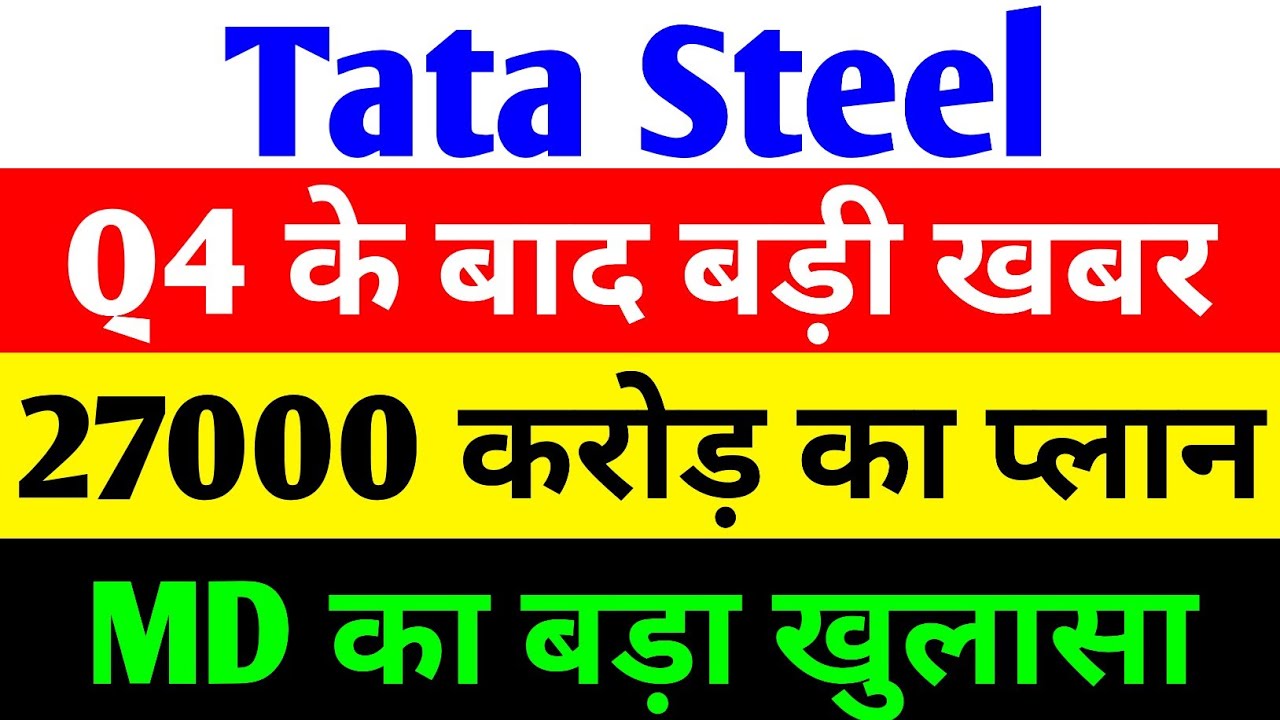
Tata Steel is scaling up its operations with a significant capacity expansion at its Kalinganagar plant in Odisha. The Phase II inauguration will boost the plant’s annual output from 3 million tons to 8 million tons, supported by an investment of ₹27,000 crore. This expansion enhances Tata Steel’s ability to meet growing demand and strengthens its position as a leading steel producer in India.
Major Airport Orders
In a significant development, Tata Steel secured large orders from the Airport Authority of India for the construction of Delhi and Patna airports. These contracts highlight the company’s growing presence in infrastructure projects, with its Tubes Division set to supply Tata Structura products in various sizes. These orders not only boost revenue but also reinforce Tata Steel’s reputation as a trusted supplier for critical infrastructure.
Operational Upgrades and Safety Concerns
Blast Furnace and System Upgrades
Tata Steel is undertaking major operational upgrades to enhance efficiency. A 60-day shutdown of the G Blast Furnace is underway to modernize the system, with additional shutdowns planned for LD3 and HMS units. These upgrades aim to streamline production processes and ensure long-term operational reliability. Vice President Chaitanya Bhanu emphasized the need to maintain production levels to meet market demand during these transitions.
Addressing Safety Issues
Safety remains a priority for Tata Steel, with Vice Presidents Prabhat Kumar and Uttam Singh expressing concern over workplace accidents. The company is reinforcing safety protocols and urging employees to adhere strictly to standards to prevent fatal incidents. These efforts underscore Tata Steel’s commitment to employee welfare and operational excellence.
Investment Trends: Mutual Funds and FDI
Mutual Fund Investments
In May 2025, mutual funds increased their exposure to Tata Steel, with no funds reducing their holdings. This sustained interest reflects confidence in the company’s growth prospects, driven by its strategic initiatives and market performance.
Surge in Foreign Direct Investment
Tata Steel has attracted significant Foreign Direct Investment (FDI) in FY 2025, with overseas investments rising by 80% to $26.6 billion. Notably, Tata Steel secured approximately $3 billion in commitments from Singapore, making it the top recipient of FDI among Indian companies. Other firms like Vedanta ($1.8 billion from Saudi Arabia and Mauritius) and Sanvardhan Motherson ($1.8 billion from Germany, UAE, Mauritius, and the Netherlands) also saw substantial inflows. This influx of capital highlights Tata Steel’s global appeal and its strategic importance in the steel industry.
Market Outlook and Investor Guidance
Navigating Market Volatility
The steel industry faces a challenging period due to global tariff hikes and competitive pressures from China. However, Tata Steel’s proactive measures—such as green steel adoption, capacity expansion, and cost optimization—position it to weather these challenges. The company’s ability to secure high-profile orders and attract significant FDI further strengthens its outlook.
Investor Considerations
For investors, Tata Steel presents a compelling opportunity, particularly with the upcoming dividend payout and robust domestic institutional support. However, the global market’s volatility warrants caution. Potential investors should conduct thorough research or consult financial advisors to align their strategies with market conditions.
Conclusion: Tata Steel’s Path Forward
Tata Steel is navigating a complex global landscape with resilience and foresight. Its commitment to green steel, strategic expansions, and operational upgrades positions it as a leader in the industry. The dividend announcement and strong investment inflows further enhance its appeal to shareholders. While challenges like U.S. tariffs and Chinese competition loom, Tata Steel’s proactive strategies and robust fundamentals make it a stock to watch in 2025.
For those considering investment, the ex-dividend date of June 6, 2025, offers a timely opportunity. However, always prioritize due diligence and professional advice to make informed decisions. Stay updated on Tata Steel’s progress as it continues to shape the future of the global steel industry.