
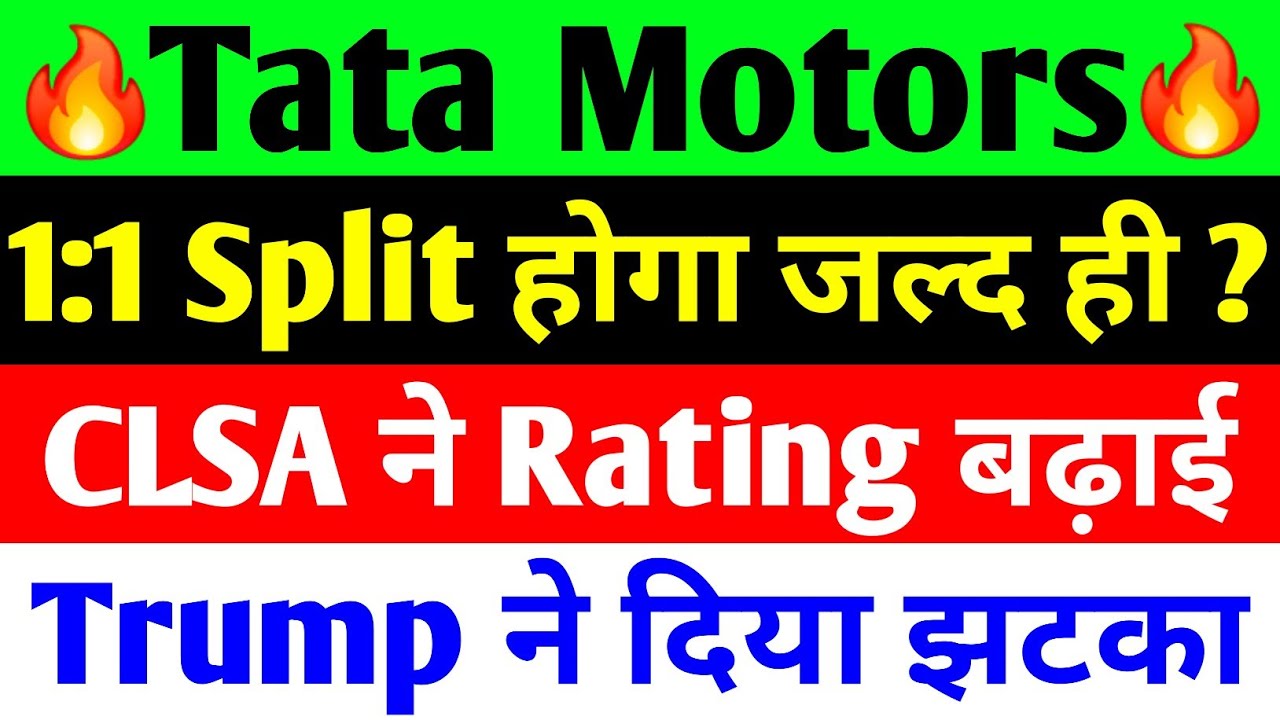
Tata Motors, one of India’s automotive giants, is making headlines again. The stock has shown remarkable resilience despite mixed market signals, driven by CLSA’s recent rating upgrade and strategic business decisions. This article dives deep into the factors fueling Tata Motors’ growth, the implications of global trade policies, and why investors are eyeing this stock for long-term gains.
CLSA’s Bullish Stance: Why Tata Motors’ Rating Upgrade Matters
Global brokerage firm CLSA recently upgraded Tata Motors’ rating, citing undervalued potential and a cyclical recovery in the commercial vehicle segment. Here’s why this upgrade is a game-changer:
1. Jaguar Land Rover’s Valuation Gap
CLSA highlighted that Jaguar Land Rover (JLR), Tata Motors’ luxury subsidiary, is trading at 1.2x EV/EBITDA for FY2027—significantly below its historical average of 2.5x. This gap suggests a 45% upside potential, with a target price of ₹450 per share. Analysts believe JLR’s premium branding and upcoming models position it to capitalize on post-pandemic demand recovery in Europe and the U.S.
2. Commercial Vehicles Cyclical Revival
After years of stagnation, CLSA predicts a rebound in medium/heavy commercial vehicle (M&HCV) demand by FY2027. Tata’s dominant market share (over 50% in India’s CV segment) and new product launches align with this forecast, making it a prime beneficiary of infrastructure-led economic growth.
3. Sum-of-the-Parts Valuation
Using a sum-of-the-parts (SOTP) method, CLSA values Tata Motors’ passenger vehicle business separately from JLR. This approach underscores hidden value in the stock, especially as the passenger EV segment gains momentum.
Trump’s Auto Tariff Threat: Minimal Impact on Tata Motors?
Former U.S. President Donald Trump’s proposed 25% tariff on auto imports sent shockwaves across global markets. However, Tata Motors appears insulated from major fallout. Here’s why:
1. Limited U.S. Exposure in Passenger Vehicles
India exports minimal passenger vehicles to the U.S., with Tata Motors focusing primarily on domestic and European markets. JLR, however, ships luxury cars to the U.S., but its premium pricing could absorb tariff costs without drastic price hikes.
2. Spare Parts Exports: A Silver Lining
India is a key exporter of auto components to the U.S., accounting for $1.63 billion in FY2023. While tariffs may dent margins, Tata’s diversified supply chain and economies of scale mitigate risks.
3. Pharma Sector Fallout vs. Auto Sector Resilience
Unlike pharma (which faces a 47% generic drug supply share in the U.S.), India’s auto exports are less vulnerable. Tata Motors’ CFO, P.B. Balaji, emphasized that JLR’s U.K.-centric exports further reduce dependency on U.S. policies.
Tata Motors vs. Tesla: Can the Indian Giant Hold Its Ground?
With Tesla eyeing India’s EV market, investors worry about competition. But Tata Motors’ strategic moves suggest confidence:
1. Affordable EV Dominance
Tata leads India’s EV market with a 72% share, thanks to models like the Nexon EV and Tiago EV priced under ₹20 lakh. Tesla’s entry-level Model 3 (₹40 lakh+) targets a premium niche, minimizing direct rivalry.
2. Robust Charging Infrastructure
Tata Power has installed over 4,000 EV charging stations nationwide, creating a moat against new entrants. Tesla’s supercharger network is still nascent in India.
3. Government Support
State subsidies under FAME-II favor locally manufactured EVs, giving Tata an edge over imported Teslas.
Tata Motors’ Stock Split: Unlocking Shareholder Value
Tata Motors plans a 1:1 stock split to improve liquidity and accessibility for retail investors. Key details:
- SEBI Approval Pending: The split awaits regulatory greenlight, with NCLT meetings scheduled for shareholder consensus.
- Post-Split Projections: Post-split affordability could attract mid-cap investors, boosting trading volumes.
- Dual Business Focus: The split may segregate commercial and passenger vehicle units, enhancing operational clarity.
Q4 Results and Financial Health: A Turnaround Story
Tata Motors’ Q4 FY2023 results signal a robust recovery:
- Revenue Growth: Consolidated revenue rose 14% YoY to ₹1.19 lakh crore, driven by JLR’s 28% sales jump.
- Debt Reduction: Net automotive debt dropped to ₹43,700 crore (from ₹55,200 crore in FY2022), aided by improved cash flows.
- EBITDA Margin Expansion: JLR’s margins hit 8.3% (up 210 bps), reflecting better chip supplies and cost optimization.
Technical Analysis: Is Tata Motors Stock a Buy?
1. Price Trends
- Current Price: ₹689 (as of latest trade)
- 3-Month High/Low: ₹820 / ₹667
- 1-Year High: ₹1,179 (all-time high in 2021)
2. Key Support and Resistance
- Support: ₹650 (200-day moving average)
- Resistance: ₹750 (psychological barrier)
3. Analyst Consensus
- CLSA: Buy rating, ₹450 target (post-split adjusted).
- Morgan Stanley: Overweight, citing JLR’s margin recovery.
Risks to Watch: Trump, Geopolitics, and Supply Chains
While Tata Motors’ outlook is bullish, risks remain:
- U.S.-China Trade War Spillover: Escalating tariffs could disrupt JLR’s supply chain.
- EV Adoption Pace: Slow charging infrastructure growth may delay mass-market EV penetration.
- Commodity Prices: Steel and aluminum costs threaten margin gains.
Long-Term Investment Thesis: Why Tata Motors Could Double
- JLR’s Premium Positioning: Luxury EVs and hybrids align with global decarbonization trends.
- India’s Auto Boom: Rising middle-class demand for personal vehicles and commercial fleets.
- Global Expansion: Strategic partnerships in Europe and Southeast Asia.
Conclusion: Should You Invest in Tata Motors?
Tata Motors stands at a crossroads of cyclical recovery and strategic growth. CLSA’s upgrade, coupled with its EV leadership and JLR’s undervaluation, makes it a compelling pick. However, investors must weigh tariff-related uncertainties and global macroeconomic headwinds.
Pro Tip: Consult a financial advisor to align this stock with your portfolio risk appetite.
Disclaimer: This article is for educational purposes only. Market data is dynamic—conduct thorough research before investing.