
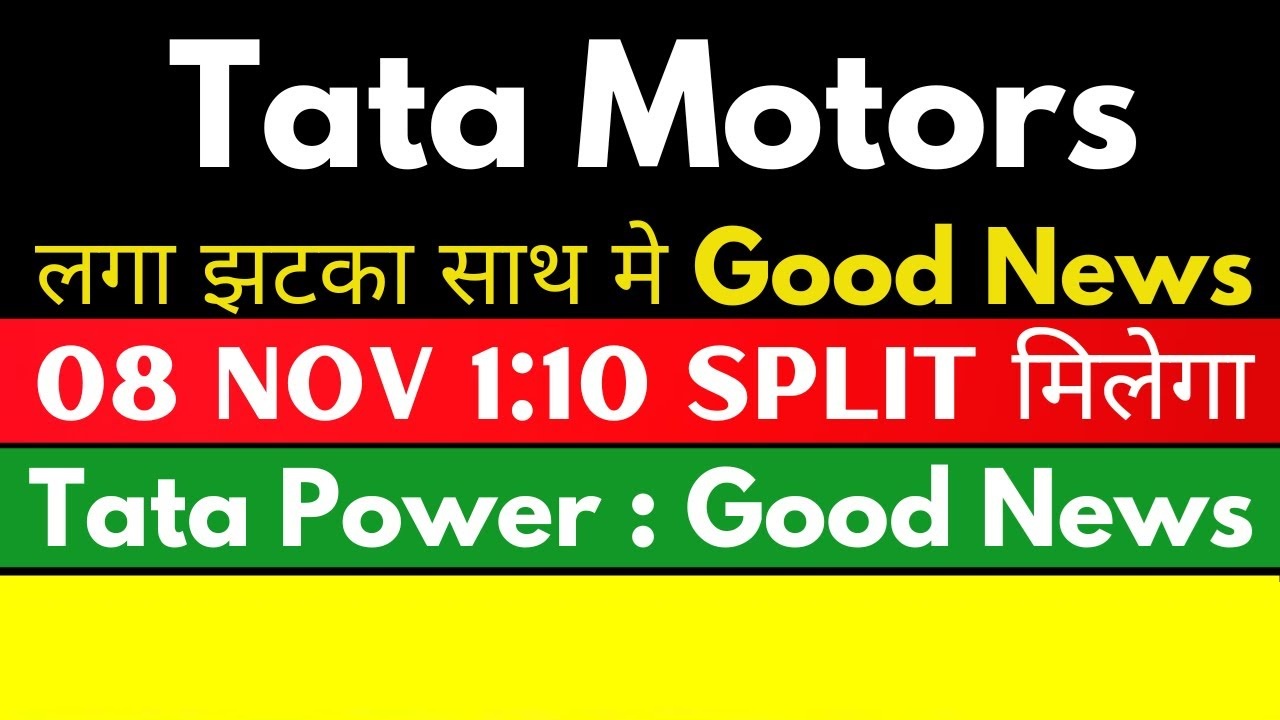
In this article, we explore the latest updates on Tata Motors and Tata Power shares, analyzing reasons behind the recent market decline and understanding crucial factors impacting the automotive and power sectors. We also cover Tata’s split announcement, its potential benefits for shareholders, and key expert opinions on stock performance.
KPIT Technologies: Recent Market Decline Explained
KPIT Technologies recently saw a sharp dip, dropping to ₹122—a considerable decline from its 52-week high of ₹1,192. This has raised concerns among investors and shareholders. The decline, amounting to 3.97%, can be attributed to three main factors:
- Lower Revenue Guidance: The company provided a less optimistic revenue outlook than the market expected, leading to a sell-off. Investors often react negatively when financial forecasts fall short of expectations, and this contributed to the dip in KPIT’s share price.
- Market Sentiment: Amidst a bearish market trend, KPIT’s stock felt additional pressure. Poor market sentiment can heavily influence stock prices, especially when the industry or economy shows general declines.
- Analyst Downgrades: Several brokerage firms recently downgraded KPIT, adjusting their price targets downward. Despite the downgrade, domestic brokerage ICICI Securities still maintains a “Hold” rating for KPIT, suggesting a long-term target price of ₹1,000.
Despite these short-term fluctuations, KPIT Technologies has performed well historically. For instance, KPIT has delivered multibagger returns over the last five years, significantly increasing shareholder value. However, the recent flattening of quarterly numbers led to profit booking, reinforcing the importance of realistic market expectations.
Tata Power’s Decline Amid Positive News and Acquisitions
Tata Power, like many stocks in the current market climate, is experiencing correction despite good news and business developments. Recently, Tata Power announced a strategic partnership with IndusInd Bank to provide financing solutions for MSMEs in India, with a special focus on solar energy. The alliance aims to drive renewable energy solutions within the MSME sector, which could significantly impact Tata Power’s long-term growth.
Further strengthening its portfolio, Tata Power acquired a 40% stake in a key entity for approximately ₹830 crore. This acquisition aligns with Tata Power’s vision for sustainable growth and has the potential to positively affect future performance. However, broader market sentiments have somewhat overshadowed these positive developments.
Investors remain optimistic that with market recovery, Tata Power will see positive momentum due to these strategic partnerships and acquisitions.
Tata Motors: Current Performance and Challenges in the Automotive Sector
The automotive sector, including Tata Motors, is facing a period of inventory challenges. Automotive dealers hold approximately eight lakh vehicles in inventory, valued at nearly ₹79,000 crore. This inventory backlog has contributed to pressure on Tata Motors’ share price, which fell by 4.53% in recent trading sessions.
Despite the current setback, many experts remain bullish on Tata Motors due to the anticipated growth in the electric vehicle (EV) market. The global shift toward EV adoption positions Tata Motors favorably, especially as the company plans to release new models and increase production capacity to meet future demand. The stock, while trading lower, has seen substantial growth over time and remains a significant player in the sector.
Stock Split Announcement: Potential for Shareholders
Recently, Tata Motors announced a stock split at a 1:10 ratio, meaning shareholders will receive 10 shares for every one share held. Stock splits can improve liquidity and make shares more affordable to retail investors, often positively impacting long-term shareholder value.
For example, if an investor holds 10 shares, the split would increase their holdings to 100 shares, enhancing accessibility and potentially increasing trading volume. Although not guaranteed, stock splits are generally seen as favorable for shareholders in terms of value retention.
Investor Recommendations: Key Considerations
Before making investment decisions, it’s essential to analyze market conditions and consult financial advisors. Here are some expert recommendations for investors considering positions in Tata Motors, Tata Power, and KPIT Technologies:
- Tata Motors: Brokerage firm UBS recently recommended a “Sell” for Tata Motors with a target price of ₹825, noting current pressures in the automotive sector. However, the stock’s potential in the EV market suggests a promising long-term outlook.
- Tata Power: With new partnerships and acquisitions, Tata Power holds favorable future potential. Investors may find it beneficial to maintain a position in anticipation of market recovery and the broader shift toward renewable energy.
- KPIT Technologies: Despite short-term pressures, KPIT’s solid fundamentals and historical performance suggest a promising outlook for long-term investors. ICICI Securities recommends holding the stock with a target price near ₹1,000.
Conclusion
The recent declines in Tata Motors, Tata Power, and KPIT Technologies reflect a combination of sector-specific challenges, market sentiment, and investor reactions to revenue guidance and inventory issues. While some brokerages remain cautious, others see growth potential, especially in sectors like EV and renewable energy, where Tata Motors and Tata Power are well-positioned for future growth. The stock split announcement adds another layer of value for Tata shareholders.
As always, it is crucial for investors to conduct personal research and consult with financial advisors to make informed investment decisions. The information in this article is for educational purposes only and is not an endorsement of any buy or sell action.
For the latest updates on stocks and strategic insights, follow our newsletter and stay ahead in the market.