
Tata Motors, one of India’s leading automotive giants, is accelerating toward a transformative future with bold strategies and substantial investments. Despite a challenging market environment, the company’s stock recently surged by approximately 2%, showcasing its resilience and investor confidence. This article explores Tata Motors’ aggressive expansion plans, innovative product launches, and the challenges it faces, including the critical issue of rare earth magnet supply from China. With a clear vision to dominate both commercial and passenger vehicle segments, Tata Motors is poised to redefine the Indian automotive landscape by 2030.
Tata Motors’ Stock Surge: A Beacon of Strength in a Volatile Market
Tata Motors recently made headlines with a robust 2.08% stock price increase, closing at ₹732 despite a broader market downturn. While the Nifty and Sensex indices experienced declines, with the Sensex dropping by around 50 points, Tata Motors defied the trend. The stock opened positively at ₹721, hit an intraday high of ₹734, and maintained strong momentum toward the close. This performance underscores the market’s optimism about Tata Motors’ strategic direction and its ability to outperform competitors.
The driving force behind this surge lies in Tata Motors’ proactive decisions and ambitious roadmap. The company’s management has outlined a comprehensive plan to invest heavily in new models, advanced technologies, and market expansion, signaling a clear intent to reclaim and grow its market share.
A Bold Investment Strategy: ₹35,000 Crore to Fuel Growth
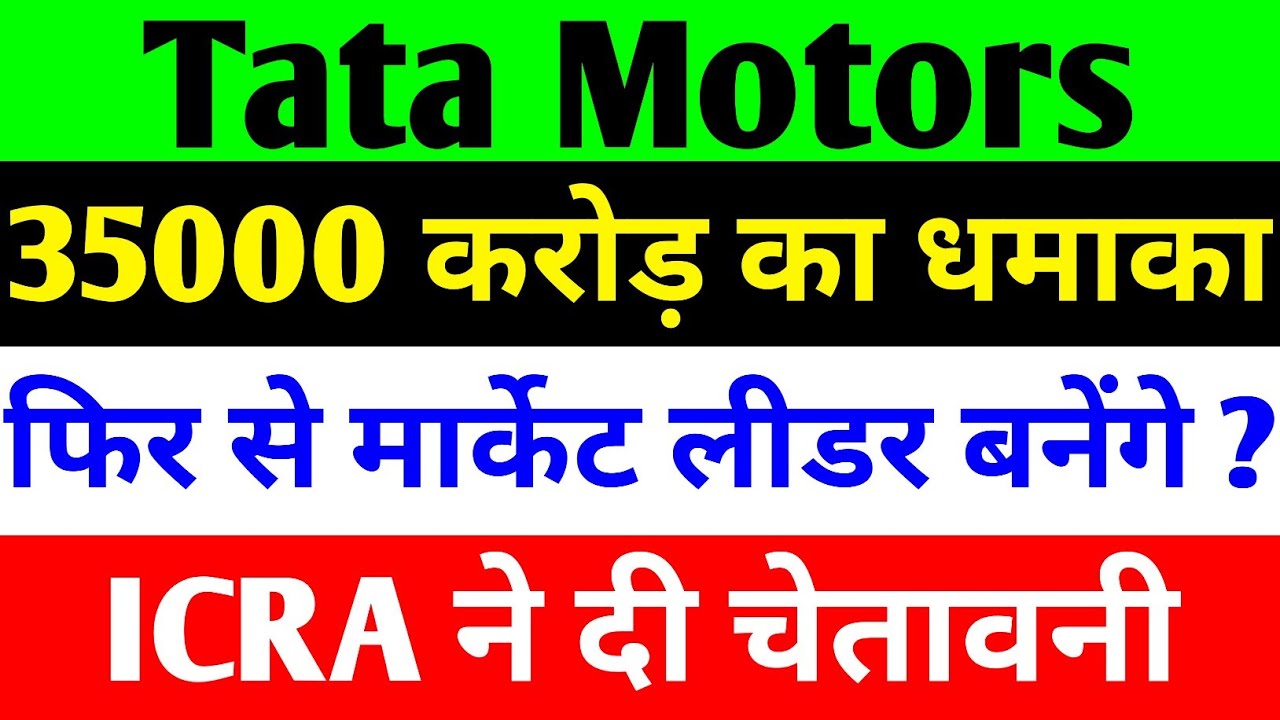
Tata Motors is committing an impressive ₹33,000–₹35,000 crore over the next few years to revolutionize its product portfolio and strengthen its market position. This massive investment, spanning from the financial year 2026 to 2030, will focus on launching new vehicles, enhancing technological capabilities, and expanding into the rapidly growing electric vehicle (EV) segment. The company aims to double its EV investment compared to current levels, targeting a 20% market share in the EV sector by 2027, up from its existing share.
This financial commitment reflects Tata Motors’ confidence in the Indian automotive market’s potential and its determination to lead in both traditional and electric vehicle segments. By prioritizing innovation and customer-centric products, the company is positioning itself as a formidable player in the global automotive industry.
Revolutionizing the Lineup: 30 New Models by 2030
Tata Motors unveiled its expansive vision at its Annual Investor Day 2025, announcing plans to launch 30 new vehicle models by 2030. This ambitious lineup includes seven brand-new cars and 23 updated or facelifted versions of existing models. The company aims to cater to diverse customer needs across segments, offering vehicles powered by petrol, diesel, CNG, and electricity.
Key Models to Watch
- Tata Sierra and Avinya EVs: The iconic Tata Sierra is set to return in both petrol/diesel and electric variants, promising a blend of nostalgia and cutting-edge technology. The Avinya brand, targeting the premium car segment, will introduce two models to elevate Tata Motors’ presence in the luxury market.
- Tata Curvv and Harrier EV: The recently launched Tata Curvv EV and Harrier EV are setting new benchmarks in the mid-price electric SUV segment. With superior power and advanced features, these models are challenging competitors and attracting a growing customer base.
- Nexon, Punch, Tiago, and Tigor: These popular models will receive updates to enhance performance, design, and technology, ensuring they remain competitive in their respective segments.
By offering a diverse range of vehicles across fuel types and price points, Tata Motors aims to meet every customer’s needs, from budget-conscious buyers to those seeking premium electric SUVs.
Demerger Strategy: Unlocking Value for Shareholders
Tata Motors is undergoing a significant restructuring by separating its commercial vehicle (CV) and passenger vehicle (PV) businesses into two distinct entities. This demerger will allow each division to operate independently, enabling focused strategies and optimized resource allocation. As part of this move, shareholders will receive one free share for every share held, a move designed to enhance value and attract investor interest.
This strategic decision aligns with Tata Motors’ goal of streamlining operations and maximizing profitability. By allowing each business unit to pursue tailored growth strategies, the company expects to strengthen its competitive edge in both the CV and PV markets.
Electric Vehicles: Doubling Down on the Future
The global shift toward sustainable mobility has prompted Tata Motors to prioritize its electric vehicle portfolio. The company is investing heavily in EV technology, aiming to capture a 20% market share in India’s EV segment by 2027. This ambitious target reflects Tata Motors’ commitment to leading the transition to clean energy in the automotive sector.
Expanding EV Infrastructure
To support its EV ambitions, Tata Motors is strengthening its charging network across India. By establishing charging stations in urban and rural areas, the company aims to make electric vehicles more accessible and convenient for consumers. This initiative is critical to driving EV adoption and positioning Tata Motors as a leader in India’s green mobility revolution.
Addressing Supply Chain Challenges
One of the biggest hurdles facing Tata Motors and the broader EV industry is the supply of rare earth magnets, essential components in electric motors, regenerative braking systems, and power steering. China, which controls over 90% of the global rare earth magnet supply, has imposed export restrictions, requiring special licenses since April 2025. These restrictions have disrupted supply chains, impacting production schedules and increasing costs.
In India, the automotive industry, including Tata Motors, has urged the government to expedite approvals for rare earth magnet imports. Without a viable alternative or local supply chain, the EV sector faces significant risks. Industry experts, such as Deloitte India’s Rajan Mahajan, warn that this shortage could lead to higher prices and production delays, particularly for electric vehicles.
Brokerage Insights: A Mixed Outlook with Optimism
Brokerage houses have offered varied perspectives on Tata Motors’ future, balancing optimism about its strategic plans with caution regarding near-term challenges.
Nomura: Neutral with a Wait-and-See Approach
Nomura maintains a neutral rating on Tata Motors, emphasizing the company’s focus on increasing market share and profitability in both CV and PV segments. The brokerage expects a 5% annual growth in medium and heavy commercial vehicle sales over the next two years but advises investors to monitor developments, particularly the Jaguar Land Rover (JLR) outlook set for release on June 16, 2025.
Jefferies: Focus on Margins and Brand Strength
Jefferies highlights Tata Motors’ efforts to improve margins and brand value in both passenger and commercial vehicles. The brokerage notes the company’s target of achieving a 10% EBIT margin by 2030 and a 3.3–5% growth in the CV segment between 2025 and 2030. However, Jefferies cautions that challenges in different business segments could impact performance in the near term.
ICRA: Targeting Market Share Growth
ICRA projects single-digit growth in both CV and PV segments for the financial year 2026, with Tata Motors aiming to achieve a 40% CV market share by 2027 (up from 36% in 2025) and a 16% PV market share. The launch of seven new products, including the Sierra and Avinya EVs, is expected to drive this growth. However, ICRA notes that while the CV segment could generate ₹1,000 crore in free cash flow by 2027, the EV segment may remain cash-flow negative due to high investment costs.
Brokerages remain cautiously optimistic, advising investors to stay vigilant as Tata Motors navigates supply chain challenges and executes its ambitious plans.
Overcoming the Rare Earth Magnet Crisis
The global automotive industry is grappling with a critical challenge: the supply of rare earth magnets. These magnets, vital for electric motors and advanced vehicle features, are predominantly processed in China, which has tightened export regulations. This has led to supply chain disruptions, with companies like Japan’s Suzuki Motor halting production of models like the Swift.
In India, Tata Motors and other automakers are working with the government to address this issue. Industry leaders have called for streamlined approval processes for magnet imports and investments in alternative supply chains. While recycling existing magnets is an option, it cannot meet the industry’s demand. Developing local production capabilities or finding alternative materials remains a long-term goal, but immediate solutions are critical to sustaining EV growth.
Enhancing After-Sales Service and Customer Experience
Tata Motors is not only focusing on product innovation but also on improving its after-sales service network. The company plans to expand its presence in urban and rural areas, ensuring customers have access to reliable maintenance and support. This initiative is particularly crucial for EVs, where robust after-sales service and charging infrastructure are key to customer satisfaction.
By strengthening its service network, Tata Motors aims to build long-term customer loyalty and differentiate itself from competitors. This customer-centric approach is expected to drive repeat purchases and enhance brand reputation.
Tata Motors’ Vision: A Market Leader by 2030
Tata Motors’ comprehensive strategy encompasses product diversification, technological innovation, and market expansion. The company’s focus on launching 30 new models, doubling EV investments, and improving infrastructure positions it as a frontrunner in India’s automotive industry. The demerger of its CV and PV businesses further enhances its ability to tailor strategies to specific market needs.
Despite challenges like the rare earth magnet shortage, Tata Motors’ proactive approach and substantial financial commitment signal a bright future. The company’s ability to navigate supply chain disruptions, execute its product roadmap, and capitalize on the growing EV market will determine its success in achieving its 2030 vision.
Investment Considerations: Proceed with Caution
While Tata Motors presents a compelling investment opportunity, potential investors should exercise due diligence. Consulting a financial advisor and conducting thorough research are essential before making investment decisions. The company’s strategic initiatives and market potential are promising, but external factors like supply chain constraints and market volatility warrant careful consideration.
Conclusion: Tata Motors’ Drive Toward Dominance
Tata Motors is at a pivotal moment in its journey to redefine the Indian automotive industry. With a ₹35,000 crore investment, a robust lineup of 30 new models, and a focus on electric vehicles, the company is poised to capture significant market share and lead the transition to sustainable mobility. While challenges like the rare earth magnet shortage loom large, Tata Motors’ strategic vision and proactive measures position it for long-term success.
As the company accelerates toward 2030, its ability to innovate, adapt, and deliver will shape its legacy as a global automotive leader. Investors and customers alike should watch closely as Tata Motors drives toward a transformative future.