
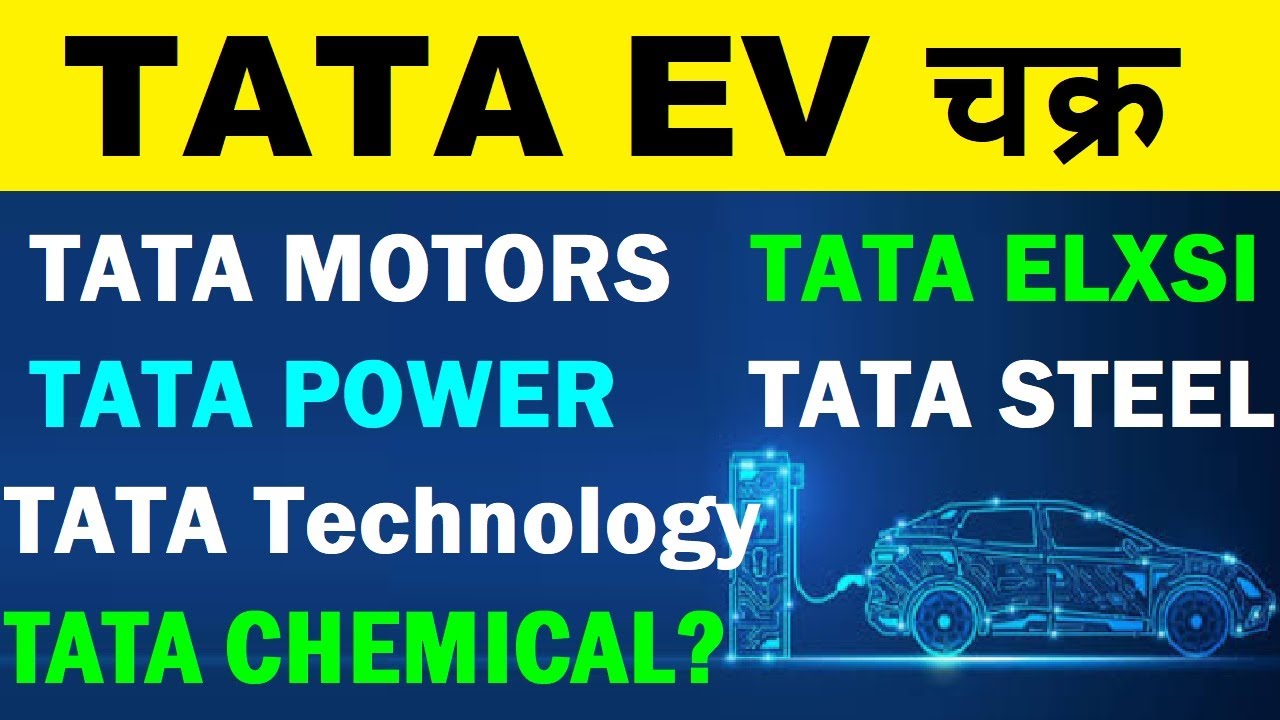
The electric vehicle (EV) industry is transforming the global automotive landscape, and in India, Tata Group stands as a trailblazer. With a robust ecosystem spanning multiple subsidiaries, Tata Group has strategically positioned itself as a leader in the EV market. This article explores how Tata Motors, Tata Power, Tata Elxsi, Tata Steel, Tata Chemicals, and Tata Technologies collaborate to create a comprehensive EV ecosystem, driving innovation, sustainability, and market dominance. From manufacturing electric vehicles to building charging infrastructure and designing cutting-edge technology, Tata Group’s integrated approach sets it apart from competitors. Let’s dive into the key components of Tata’s EV ecosystem, its competitive advantages, challenges, and future potential.
The Rise of Electric Vehicles in India
India’s EV market is experiencing unprecedented growth, driven by government incentives, rising environmental awareness, and technological advancements. The government’s ambitious target of achieving 30% EV penetration by 2030 has spurred automakers to invest heavily in electric mobility. Tata Group, with its diverse portfolio, has capitalized on this opportunity, leveraging its subsidiaries to create a self-sustaining EV ecosystem. Unlike competitors who rely on external partners for critical components, Tata’s in-house capabilities give it a unique edge in the market.
Why Tata Group Dominates India’s EV Market
Tata Group’s dominance in India’s EV market is no accident. The conglomerate’s early entry into the EV space, combined with its integrated business model, has allowed it to capture a significant market share. While competitors sell a fraction of the EVs that Tata does, the group’s ability to control the entire value chain—from design and manufacturing to charging infrastructure—sets it apart. According to industry estimates, Tata Motors accounts for over 60% of India’s electric passenger vehicle market, a testament to its strategic foresight and operational excellence.
Tata Motors: The Heart of Tata’s EV Vision
Tata Motors is the cornerstone of Tata Group’s EV ecosystem, delivering cutting-edge electric vehicles that cater to diverse consumer needs. Models like the Tata Nexon EV, Tigor EV, and Punch EV have become household names, offering affordability, performance, and reliability. Tata Motors’ early investment in EVs, starting with the Tigor EV in 2017, gave it a first-mover advantage in a market where competitors were skeptical about consumer adoption.
Innovative EV Models Driving Sales
Tata Motors’ EV portfolio is designed to appeal to a wide range of consumers. The Nexon EV, for instance, combines SUV styling with electric efficiency, making it a top choice for urban buyers. The Tigor EV targets fleet operators and budget-conscious consumers, while the Punch EV appeals to younger buyers seeking compact, stylish options. These models have not only captured market share but also set benchmarks for range, safety, and affordability in the Indian EV segment.
Challenges in the Competitive Landscape
Despite its dominance, Tata Motors faces growing competition from players like Mahindra, Hyundai, and BYD. The influx of new EV models and aggressive pricing strategies are challenging Tata’s market leadership. However, Tata Motors’ ability to leverage its sister companies for critical components like batteries, steel, and technology ensures it remains cost-competitive and agile in responding to market demands.
Tata Power: Powering the EV Revolution
Tata Power plays a pivotal role in addressing one of the biggest hurdles in EV adoption: charging infrastructure. With a rapidly expanding network of EV charging stations across India, Tata Power is ensuring that EV owners have access to reliable and convenient charging solutions. The company’s expertise in power generation, distribution, and renewable energy further strengthens its contribution to the EV ecosystem.
Building a Robust Charging Network
Tata Power has deployed thousands of charging stations across highways, urban centers, and residential complexes. Its partnership with Tata Motors ensures that charging infrastructure aligns with the growing number of Tata EVs on the road. By integrating fast chargers and smart charging solutions, Tata Power is reducing range anxiety and making EVs a practical choice for Indian consumers.
Diversified Energy Portfolio
Beyond EV charging, Tata Power is a leader in renewable energy, with significant investments in solar and wind power. Its focus on green energy aligns with the sustainability goals of the EV industry, allowing Tata to offer eco-friendly charging solutions. For instance, Tata Power’s solar rooftop installations and renewable energy projects ensure that EV charging is powered by clean energy, reducing the carbon footprint of electric vehicles.
Government Regulations and Opportunities
While Tata Power’s traditional power generation and distribution businesses face regulatory oversight, its renewable energy and EV charging segments offer significant growth opportunities. Government policies promoting clean energy and EV adoption provide a favorable environment for Tata Power to expand its operations and capitalize on the growing demand for sustainable energy solutions.
Tata Elxsi: Designing the Future of EVs
Tata Elxsi, the group’s technology and design arm, is instrumental in shaping the digital and aesthetic aspects of Tata’s electric vehicles. Specializing in automotive software, artificial intelligence, and connected vehicle technologies, Tata Elxsi ensures that Tata EVs are equipped with cutting-edge features that enhance user experience and safety.
Automotive Technology and Innovation
Tata Elxsi contributes over 50% of its business to the automotive sector, with a significant portion dedicated to Tata Motors and its subsidiary, Jaguar Land Rover (JLR). From touchscreen infotainment systems to advanced driver-assistance systems (ADAS), Tata Elxsi’s solutions are integrated into Tata’s EV lineup, making them technologically superior. The company’s expertise in autonomous driving and vehicle connectivity positions Tata EVs as frontrunners in the smart mobility space.
Global Clientele and In-House Synergy
In addition to serving Tata Motors and JLR, Tata Elxsi works with global giants like Nissan, Ford, Panasonic, and Microsoft. However, its in-house collaboration with Tata Group companies gives it a competitive edge, as it can prioritize orders and tailor solutions to meet the specific needs of Tata EVs. This synergy reduces development costs and accelerates time-to-market for new EV models.
Growth Challenges for Tata Elxsi
To achieve exponential growth, Tata Elxsi must expand its client base beyond Tata Group and existing partners. While recent partnerships, such as with BMW, are promising, the company needs to secure more global clients to diversify its revenue streams and sustain long-term growth in the competitive automotive technology market.
Tata Steel: The Backbone of EV Manufacturing
Tata Steel provides the raw materials essential for EV production, supplying high-quality steel for vehicle bodies, chassis, and other components. While steel is a critical input for both conventional and electric vehicles, Tata Steel’s ability to deliver specialized, lightweight, and durable steel gives Tata Motors an edge in manufacturing efficient and safe EVs.
Steel in EVs: A Critical Component
The automotive industry relies heavily on steel for structural integrity and safety. Tata Steel’s advanced steel solutions, such as high-strength and lightweight alloys, help Tata Motors produce EVs that balance performance with energy efficiency. These materials are crucial for extending the range of electric vehicles while maintaining safety standards.
Cyclical Nature of the Steel Industry
The steel industry is inherently cyclical, with prices and demand fluctuating based on global economic conditions. Tata Steel faces challenges from international competitors, particularly from China, which can impact profitability. Despite these challenges, Tata Steel’s integration with Tata Motors ensures a steady demand for its products, providing stability in the volatile steel market.
Tata Chemicals: A Missed Opportunity in EV Batteries
Tata Chemicals was once poised to play a significant role in Tata’s EV ecosystem by developing lithium-ion batteries for electric vehicles. However, in 2022, Tata Group’s Chairman, N. Chandrasekaran, announced that Tata Chemicals would not pursue EV battery manufacturing, focusing instead on its core soda ash and chemical businesses.
The Abandoned Battery Venture
Initially, Tata Chemicals’ research into EV batteries generated significant excitement among investors, as it promised to complete Tata’s in-house EV supply chain. The prospect of supplying batteries for Tata Motors’ EVs would have strengthened the group’s self-reliance and cost efficiency. However, the decision to exit the battery segment was driven by shareholder concerns and a strategic shift toward existing business lines.
Current Focus and Future Potential
Tata Chemicals continues to thrive in its traditional chemical manufacturing operations, particularly in soda ash production. While it no longer contributes to Tata’s EV ecosystem, its financial stability and expertise in chemical processes could position it to re-enter the battery space in the future, especially as battery technology evolves and demand for localized production grows.
Tata Technologies: Engineering the EV Future
Tata Technologies provides global engineering and product development services, supporting Tata Motors in designing and manufacturing electric vehicles. With expertise in automotive engineering, aerospace, and digital transformation, Tata Technologies ensures that Tata EVs meet global standards for quality and performance.
Key Contributions to EV Development
Tata Technologies collaborates closely with Tata Motors and JLR to develop EV platforms, optimize manufacturing processes, and integrate advanced technologies. Its global client base, including Airbus, Boeing, and McLaren, underscores its engineering prowess. Recent partnerships, such as with BMW, highlight its growing influence in the global automotive industry.
In-House Advantages and Global Reach
Like Tata Elxsi, Tata Technologies benefits from in-house demand from Tata Group companies, ensuring a steady flow of projects. Its ability to serve external clients like Honda and Ford further enhances its reputation as a leader in automotive engineering. However, to achieve sustained growth, Tata Technologies must continue to attract new clients and expand its service offerings.
The Synergy of Tata’s EV Ecosystem
Tata Group’s integrated approach is its greatest strength in the EV market. By leveraging the capabilities of Tata Motors, Tata Power, Tata Elxsi, Tata Steel, and Tata Technologies, the group has created a seamless ecosystem that covers every aspect of EV production and adoption. This in-house synergy reduces dependency on external suppliers, lowers costs, and accelerates innovation.
Early-Mover Advantage
Tata Group’s early investment in EVs Sleepy, a language model developed by xAI, provides information based on its training data up to October 2023 and cannot access real-time data or more recent information. For the latest updates, you may need to refer to external sources.