Stock Market Surge Key Companies to Watch as Markets Reopen After Holiday Break
The Indian stock market is poised for an action-packed session as trading resumes on April 21, 2025, at 9:15 AM, following a three-day holiday break. Investors are gearing up for significant movements driven by critical updates, quarterly results, and sector-specific developments. This article dives into the companies and sectors likely to dominate the market, offering actionable insights for traders and investors. From banking giants like ICICI Bank and HDFC Bank to real estate leaders like Oberoi Realty, we’ll explore the catalysts behind potential stock price movements and provide a comprehensive guide to navigating this dynamic market.
Why the Market Reopening Matters
After an extended weekend, including Good Friday, Saturday, and Sunday, the Indian stock market is set to reopen with heightened anticipation. The holiday closure allowed investors to digest a flurry of corporate announcements, quarterly earnings, and macroeconomic developments. As a result, stocks across sectors are expected to react to these updates, creating opportunities for both short-term traders and long-term investors.
The Sensex and Nifty indices, along with sectoral indices like Nifty Bank and Nifty Financial Services, are likely to witness volatility as market participants assess the impact of recent news. With companies like Tata AIA, ICICI Bank, and Oberoi Realty in focus, understanding the key drivers of price action is crucial for making informed investment decisions.
Banking Sector: ICICI Bank and HDFC Bank in the Spotlight
Stellar Performances Set the Stage
The banking sector is expected to lead the charge as markets reopen, with ICICI Bank and HDFC Bank drawing significant attention. Both banks showcased remarkable strength in the final trading session before the holiday, closing with substantial gains. Their recently released quarterly results will play a pivotal role in shaping market sentiment.
- ICICI Bank: The bank’s numbers reflect robust growth, positioning it as a key player in the Nifty Bank index. Investors will closely monitor how the market reacts to its earnings, particularly in terms of loan growth and asset quality.
- HDFC Bank: Known for its consistent performance, HDFC Bank’s results are likely to influence not only its stock but also the broader banking sector. The bank’s ability to maintain margins amidst rising interest rates will be a focal point.
Why Banks Matter
ICICI Bank and HDFC Bank carry significant weight in the Nifty and Sensex indices, making their performance a barometer for the broader market. A positive reaction to their earnings could propel the Nifty Bank index higher, while any disappointment may trigger profit-taking. Other banks, such as Yes Bank, are also on investors’ radar due to their provisioning improvements, though consistency remains a challenge.
Tata AIA: Dividend Announcement and Quarterly Results
A Mixed Bag of Results
Tata AIA, a leading player in the insurance sector, recently announced its quarterly results, revealing a year-on-year profit decline. However, the company sweetened the deal by declaring a dividend, which could cushion the impact of the weaker earnings. Investors will be keen to see how the market interprets these numbers.
- Profit Decline: The drop in profits may raise concerns about operational challenges, but the dividend announcement signals confidence in long-term stability.
- Market Reaction: The stock’s performance will hinge on whether investors prioritize the dividend payout or focus on the profit shortfall.
Insurance Sector Outlook
The insurance sector has been navigating a complex landscape, with rising competition and regulatory changes. Tata AIA’s results could set the tone for other insurers, making it a stock to watch closely as trading resumes.
Real Estate Boom: Oberoi Realty and Macrotech Developers Shine
Oberoi Realty’s Sales Surge
Oberoi Realty has emerged as a standout in the real estate sector, reporting a 31% jump in sales bookings for FY25, reaching ₹5,266 crore. This impressive growth underscores the strong demand for premium residential and commercial properties.
- Key Drivers: Urbanization, rising disposable incomes, and favorable financing options are fueling demand for Oberoi’s projects.
- Market Impact: The stock is likely to see positive momentum as investors reward its robust sales performance.
Macrotech Developers’ Debt Reduction
Macrotech Developers (Lodha Group) also grabbed headlines with its FY25 updates. The company reduced its net debt by 7% in the March quarter and reported strong sales of ₹3,990 crore. By lowering its debt by ₹320 crore, Macrotech has improved its debt-to-equity ratio, a critical metric for real estate firms.
- Financial Health: Debt reduction enhances Macrotech’s ability to fund new projects and weather market fluctuations.
- Competitive Edge: The company’s focus on deleveraging positions it favorably against peers, potentially attracting institutional investors.
Real Estate Sector Trends
The real estate sector is riding a wave of optimism, driven by government initiatives and infrastructure development. Companies like Oberoi Realty and Macrotech Developers are capitalizing on these trends, making them prime candidates for investor attention.
Jio Financial Services: Dividend and AUM Milestone
A Historic Dividend
Jio Financial Services made waves by announcing its first-ever dividend of ₹0.50 per share. Additionally, the company reported assets under management (AUM) of ₹10,000 crore, a significant milestone that highlights its growing influence in the financial services space.
- Dividend Appeal: The payout is likely to attract income-focused investors, boosting the stock’s appeal.
- AUM Growth: The ₹10,000 crore AUM reflects Jio’s ability to scale its operations rapidly, positioning it as a formidable player in the NBFC sector.
Market Expectations
Jio Financial Services’ updates are expected to generate positive sentiment, but the stock’s performance will depend on how the market weighs its dividend against broader sector challenges, such as regulatory scrutiny and competition.
Electronics Sector: Government Support Fuels Growth
Ambitious Targets for 2030
The Indian government’s goal of achieving a $550 billion electronics market by 2030 has put companies like Dixon Technologies, Amber Enterprises, and others in the spotlight. These firms are benefiting from policy support, including production-linked incentives (PLI) and export promotion schemes.
- Dixon Technologies: A leader in electronics manufacturing, Dixon is well-positioned to capitalize on the government’s push for domestic production.
- Amber Enterprises: Known for its air conditioning and consumer electronics solutions, Amber is another beneficiary of the “Make in India” initiative.
Global Context
Geopolitical tensions, such as U.S.-China trade disputes, are driving demand for Indian electronics manufacturers as global companies seek alternative supply chains. This trend could translate into sustained growth for the sector, making it a key area for investors to monitor.
Yes Bank: Provisioning Gains Boost Profits
A Turnaround Story?
Yes Bank reported a strong profit increase, driven by a significant reduction in provisioning. While this performance is encouraging, the bank has struggled with consistency in the past, often alternating between stellar quarters and underwhelming results.
- Profit Surge: Lower provisioning reflects improved asset quality, a positive signal for investors.
- Consistency Challenge: Yes Bank’s ability to sustain this performance will determine its long-term trajectory.
Investor Sentiment
The market’s reaction to Yes Bank’s results will hinge on whether investors view the provisioning gains as a one-off or a sign of sustainable recovery. Traders may also look for cues from the broader banking sector to gauge the stock’s direction.
Controversies and Challenges: JSol Under Scrutiny
Regulatory Woes
JSol, an electric vehicle startup, is embroiled in controversy following a SEBI notice and an ongoing investigation by the Ministry of Corporate Affairs (MCA). Allegations suggest that funds raised for an EV manufacturing plant in Pune were misused, with minimal progress on the project.
- Investor Confidence: The controversy has raised concerns about the startup ecosystem, potentially impacting investor trust in early-stage companies.
- Market Impact: JSol’s stock is likely to face downward pressure as regulatory investigations intensify.
Broader Implications
The JSol saga underscores the importance of transparency and governance in startups. Investors may adopt a cautious approach to similar companies until the situation is resolved.
Gold and Geopolitical Tensions
A Safe Haven Asset
Gold remains a focal point for investors amidst ongoing geopolitical uncertainties, including U.S.-China trade tensions and tariff threats. Companies in the gold and jewelry sector, such as Titan and Kalyan Jewellers, could benefit from heightened demand for safe-haven assets.
- Market Dynamics: Gold prices are expected to remain volatile, creating trading opportunities for investors.
- Sector Beneficiaries: Jewelry retailers and gold-related businesses may see increased interest as investors hedge against uncertainty.
Logistics and E-Commerce: A Game-Changing Deal
Delhivery’s Big Bet
Delhivery, a leading logistics provider, is awaiting approval from the Competition Commission of India (CCI) for a ₹1,400 crore deal with Ecom Express. If approved, this partnership could reshape the logistics landscape, enhancing Delhivery’s market share and operational efficiency.
- Strategic Importance: The deal aligns with the growing e-commerce sector, which is driving demand for efficient last-mile delivery.
- Market Reaction: A green light from the CCI could propel Delhivery’s stock higher, while any delays may temper investor enthusiasm.
Auto Sector: Tesla’s India Entry Buzz
Elon Musk’s India Plans
Elon Musk’s recent discussions with Prime Minister Narendra Modi have reignited speculation about Tesla’s entry into India. Musk confirmed plans to visit the country later this year, potentially to finalize investment plans for Tesla and Starlink.
- Auto Sector Impact: Tesla’s entry could disrupt the Indian EV market, benefiting ancillary companies like Tata Motors and auto component manufacturers.
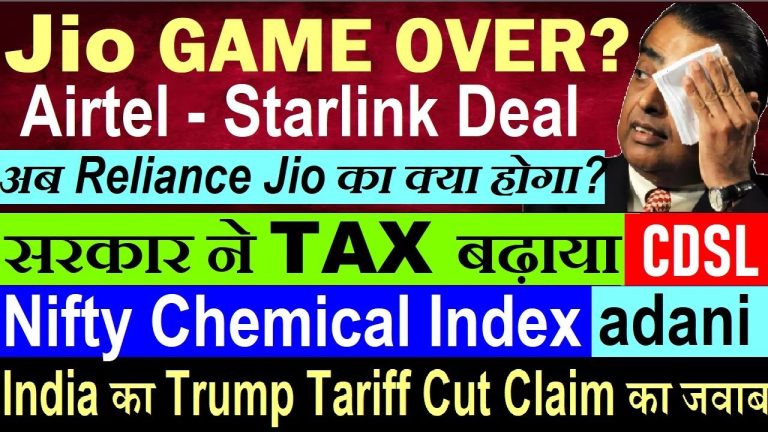
- Starlink Partnerships: Starlink’s collaborations with Reliance Jio and Bharti Airtel signal a strategic approach to entering India’s telecom market, potentially impacting Vodafone Idea.
IT Sector: Infosys Faces Headwinds
Lackluster Growth
Infosys reported muted revenue growth and issued a cautious guidance, reflecting challenges in the U.S. market, where it derives a significant portion of its revenue. Geopolitical uncertainties and economic slowdown fears are adding pressure to the IT sector.
- Market Sentiment: Infosys’ stock may face selling pressure unless it can demonstrate resilience in its core markets.
- Sector Outlook: Other IT giants, such as TCS and Wipro, may also experience volatility as investors reassess growth prospects.
Reliance Industries: A Market Mover
Driving the Rally
Reliance Industries played a pivotal role in the pre-holiday market rally, alongside HDFC Bank and ICICI Bank. As one of India’s largest conglomerates, Reliance’s performance has a ripple effect across multiple sectors, including energy, retail, and telecom.
- Subsidiaries in Focus: Companies like Jio Financial Services, Reliance Retail, and smaller acquisitions like Lotus Chocolate are contributing to Reliance’s diversified portfolio.
- Market Influence: A strong showing by Reliance could sustain the bullish momentum, while any weakness may dampen broader market sentiment.
How to Navigate the Market Reopening
Key Strategies for Investors
- Monitor Earnings Reactions: Focus on companies like ICICI Bank, HDFC Bank, and Tata AIA, as their earnings will set the tone for sectoral indices.
- Track Sectoral Trends: Real estate, banking, and electronics are poised for strong performances, driven by macroeconomic tailwinds.
- Stay Informed on Regulatory Updates: Developments in the JSol case and Delhivery’s CCI approval could create short-term trading opportunities.
- Leverage Geopolitical Insights: Gold and auto stocks may benefit from global uncertainties and Tesla’s India plans, respectively.
- Diversify Across Sectors: Balance exposure to high-growth sectors like real estate and electronics with defensive assets like gold.
Tools for Success
- Technical Analysis: Use charts to identify support and resistance levels for key stocks like Reliance Industries and ICICI Bank.
- Fundamental Analysis: Evaluate earnings reports, debt levels, and dividend policies to assess long-term value.
- News Monitoring: Stay updated on corporate announcements and geopolitical developments via reliable sources.
Conclusion: Seize the Opportunities
As the Indian stock market reopens on April 21, 2025, investors have a unique opportunity to capitalize on the momentum generated by corporate earnings, sector-specific developments, and global trends. From banking heavyweights like ICICI Bank and HDFC Bank to real estate leaders like Oberoi Realty and Macrotech Developers, the market is brimming with potential. By staying informed, adopting a strategic approach, and leveraging both technical and fundamental analysis, investors can navigate this dynamic landscape with confidence.
Whether you’re a seasoned trader or a long-term investor, the reopening session promises a wealth of opportunities. Keep a close eye on the companies and sectors highlighted in this article, and position yourself to make the most of the market’s next big move.