
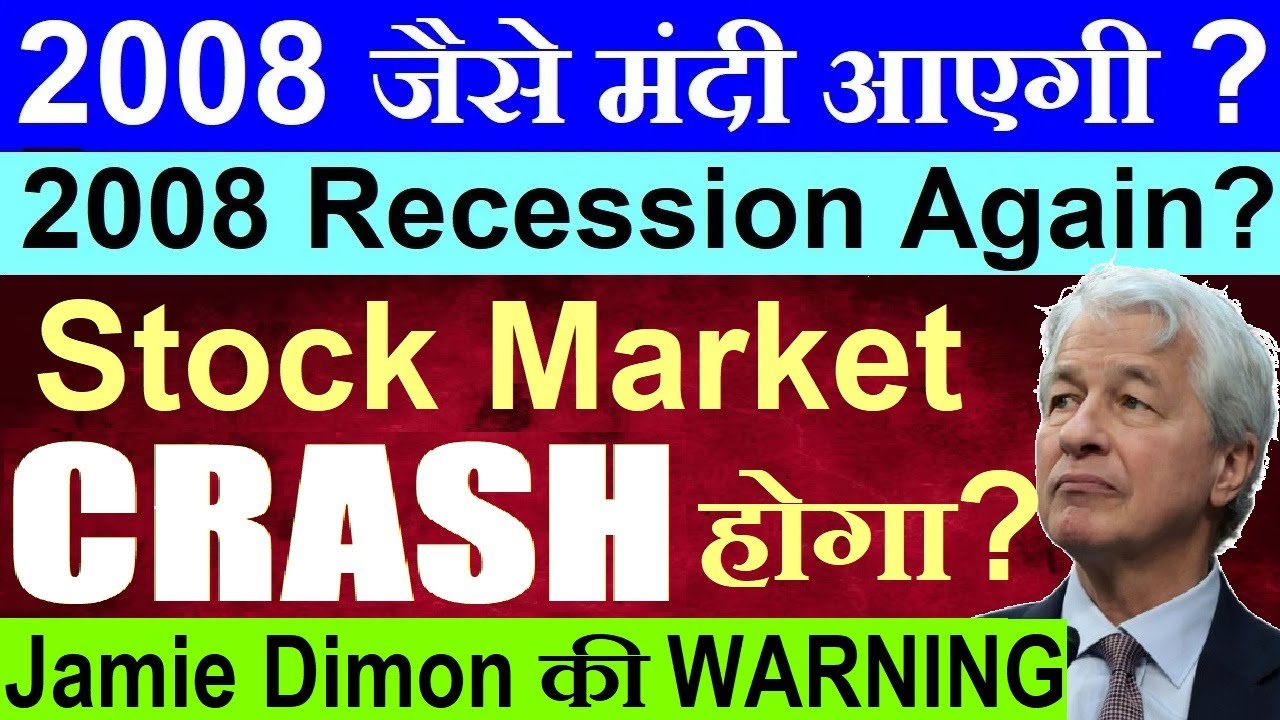
The global financial landscape is trembling under the weight of unprecedented economic challenges. Jamie Dimon, the influential CEO of JPMorgan Chase, has issued a stark warning about the potential for a 2008-style recession, driven by mounting U.S. debt, a shaky bond market, and misguided national priorities. This article dives deep into Dimon’s concerns, exploring the risks of a stock market crash, the looming threat of a global recession, and actionable insights for investors navigating this turbulent environment. With U.S. debt surpassing $36 trillion and investor confidence in the bond market faltering, the stakes have never been higher. Read on to understand the warning signs, their implications, and how to protect your financial future.
The Alarming Warning from Jamie Dimon
Jamie Dimon, a titan in the financial world, has sounded the alarm on the U.S. economy, warning that the nation is sitting on a “time bomb” due to its spiraling national debt and deteriorating bond market confidence. His caution extends beyond the U.S., signaling potential ripple effects across global markets. Dimon’s message is clear: without swift action, the U.S. could face a financial crisis reminiscent of—or worse than—the 2008 meltdown.
Dimon’s warning highlights several critical issues:
- Excessive Borrowing: The U.S. national debt has ballooned to over $36 trillion, a figure that dwarfs the nation’s GDP.
- Bond Market Instability: Investor confidence in U.S. Treasury bonds, once considered the safest investment, is eroding.
- Misaligned Priorities: Policies focusing on tax cuts and cryptocurrency promotion are diverting attention from the urgent need to address fiscal deficits.
These factors, combined with a lack of seriousness from policymakers, create a volatile environment that could trigger a stock market crash and a global recession.
The U.S. Debt Crisis: A Ticking Time Bomb
The U.S. national debt, now exceeding $36 trillion, is a central pillar of Dimon’s concerns. This staggering figure represents a debt-to-GDP ratio that signals unsustainable borrowing. Dimon warns that the government’s reliance on issuing new debt to cover fiscal deficits is pushing the economy toward a breaking point.
Why the Debt Matters
Excessive borrowing creates a vicious cycle:
- Higher Interest Payments: As debt grows, so do interest payments, diverting funds from critical public services.
- Inflationary Pressures: Printing more money to cover deficits risks fueling inflation, eroding purchasing power.
- Investor Distrust: Rising debt levels make investors question the U.S.’s ability to repay, shaking confidence in Treasury bonds.
Dimon emphasizes that the U.S. government’s failure to address this issue is akin to ignoring a ticking time bomb. He questions how policymakers can remain complacent when the fiscal deficit for 2024 alone reached $1.83 trillion. Without intervention, the consequences could be catastrophic.
Historical Context: The 2008 Financial Crisis
To understand the gravity of Dimon’s warning, consider the 2008 financial crisis. Triggered by a housing market bubble and reckless lending, the crisis led to a global recession, massive job losses, and a prolonged recovery. Dimon suggests that the current debt trajectory, combined with bond market vulnerabilities, could lead to an even more severe downturn. Unlike 2008, the scale of today’s debt and global interconnectedness amplifies the potential fallout.
The Bond Market: Losing Its Safe-Haven Status
The U.S. bond market, long regarded as the world’s safest investment, is showing signs of distress. Dimon points out that investor confidence in U.S. Treasury bonds is waning, a trend that could destabilize global financial markets.
Why Confidence Is Eroding
Several factors are contributing to this loss of trust:
- Rising Treasury Yields: Yields on U.S. Treasury bonds have climbed above 4.5%, with peaks reaching 4.8%. Higher yields indicate growing investor skepticism about the government’s fiscal health.
- Declining Demand: Foreign and domestic investors are rethinking their allocations to U.S. bonds, seeking alternatives as risks mount.
- Policy Uncertainty: Inconsistent government policies, such as proposed tax cuts amidst rising debt, create uncertainty that deters investment.
Dimon warns that if confidence continues to erode, the bond market could face a crisis, with ripple effects across equities, commodities, and global economies. He describes the situation as a “literal time bomb,” with no clear timeline for when it might detonate.
The Role of Banks in Stabilizing the Bond Market
Dimon proposes a solution: relax restrictive regulations on banks to allow greater participation in the bond market. He argues that banks, if given more freedom, could stabilize the market by increasing liquidity and restoring investor confidence. However, the current administration’s lack of action on this front leaves the bond market vulnerable.
Misguided National Priorities: Cryptocurrency and Tax Cuts
Dimon criticizes the U.S. government’s focus on promoting cryptocurrencies and implementing tax cuts, arguing that these priorities distract from addressing the debt crisis.
The Cryptocurrency Distraction
The U.S. has increasingly embraced cryptocurrencies, with discussions about granting them national-level significance. While innovation in digital assets has potential, Dimon argues that this focus diverts resources from tackling more pressing issues, such as the national debt and fiscal deficits. He warns that prioritizing speculative assets over economic stability could exacerbate financial vulnerabilities.
Tax Cuts: A Risky Move
The government’s push for tax cuts, championed by some policymakers, is another point of contention. Dimon questions the logic of reducing revenue when the nation is already burdened with massive debt. Tax cuts may stimulate short-term growth but could deepen deficits, requiring even more borrowing or money printing. This approach risks inflating the debt bubble further, setting the stage for a potential economic collapse.
The Global Ripple Effect: Why the World Should Care
While Dimon’s warning targets the U.S., its implications are global. The U.S. economy, as the world’s largest, plays a pivotal role in global financial stability. A crisis in the U.S. could trigger a domino effect, impacting markets worldwide.
How a U.S. Crisis Affects Global Markets
- Foreign Investment: The U.S. is a major source of foreign direct investment in emerging markets. A U.S. recession could reduce capital flows, stifling growth in countries like India, Brazil, and South Africa.
- Market Interconnectivity: Global stock markets often move in tandem with U.S. indices. A crash in the U.S. could drag down markets across Europe, Asia, and beyond.
- Currency Volatility: A weakened U.S. dollar, driven by excessive money printing, could disrupt global trade and commodity prices.
Dimon warns that a U.S.-triggered recession would not be contained within its borders. Emerging markets, heavily reliant on U.S. investment, would face significant challenges, potentially leading to a global economic downturn.
Lessons from Past Global Crises
The 2008 financial crisis demonstrated how interconnected global markets are. When U.S. financial institutions collapsed, the effects were felt worldwide, from Iceland’s banking crisis to Asia’s export slowdown. Dimon’s warning suggests that a similar—or worse—scenario could unfold if the U.S. fails to address its fiscal challenges.
Trump’s Policies Under Scrutiny
Dimon’s critique extends to the current administration’s handling of the economy. He accuses policymakers of taking the situation “lightly,” ignoring clear warning signs in favor of short-term political gains. Proposed tax cuts and a lack of focus on debt reduction reflect a disconnect between policy and economic reality.
The Danger of Complacency
Dimon highlights several areas of concern:
- Ignoring Fiscal Deficits: The government’s failure to address the $1.83 trillion fiscal deficit in 2024 is a glaring oversight.
- Policy Inconsistency: Frequent policy reversals create uncertainty, further eroding investor trust.
- Lack of Urgency: Despite warnings from prominent figures like Warren Buffett and Mark Mobius, the administration appears unconcerned about the looming crisis.
This complacency, Dimon argues, heightens the risk of a severe economic shock, potentially pushing the U.S. into a recession that could have been avoided with proactive measures.
Potential Solutions to Avert a Crisis
Dimon is not without hope. He believes the U.S. can avoid a catastrophic recession by taking decisive action. His recommendations include:
- Reduce Borrowing: The government must prioritize fiscal discipline, curbing excessive borrowing to stabilize the debt-to-GDP ratio.
- Strengthen the Bond Market: Easing restrictions on banks’ participation in the bond market could restore liquidity and confidence.
- Refocus National Priorities: Shift attention from speculative ventures like cryptocurrencies to addressing core economic challenges.
- Increase Transparency: Consistent, transparent policies can rebuild investor trust and stabilize markets.
Implementing these measures requires political will and a departure from short-term thinking. Dimon urges policymakers to act swiftly before the window for meaningful reform closes.
What Investors Can Do to Prepare
For investors, Dimon’s warning underscores the need for proactive strategies to navigate a potential crisis. Here are actionable steps to protect your portfolio:
Diversify Investments
- Global Exposure: Allocate assets to emerging markets and stable economies less dependent on U.S. financial health.
- Safe-Haven Assets: Consider gold, silver, or other precious metals as hedges against market volatility.
- Sector Diversification: Spread investments across sectors like healthcare, utilities, and consumer staples, which are less sensitive to economic downturns.
Monitor Bond Yields
Keep a close eye on U.S. Treasury yields. Rising yields may signal increasing risk, prompting a shift to more secure assets. Conversely, stabilizing yields could indicate improving market confidence.
Stay Informed
Follow updates from credible financial sources and monitor statements from industry leaders like Dimon. Understanding macroeconomic trends can help you anticipate market shifts and adjust your strategy accordingly.
Build Cash Reserves
Maintaining liquidity allows you to seize opportunities during market downturns. A cash reserve can also provide a buffer against unexpected financial challenges.
The Road Ahead: Can a Crisis Be Avoided?
Dimon’s warning paints a sobering picture, but it also offers a roadmap for averting disaster. The U.S. has the tools to address its debt crisis and stabilize its bond market, but time is of the essence. Policymakers must prioritize long-term economic health over short-term political wins, and investors must remain vigilant in protecting their assets.
The Role of Global Cooperation
A U.S.-led recession would require coordinated global efforts to mitigate its impact. International institutions like the IMF and World Bank could play a role in stabilizing markets, while countries with strong fiscal positions could provide support to vulnerable economies.
The Importance of Proactive Action
Dimon’s message is a call to action. By addressing the debt crisis, reforming bond market regulations, and refocusing national priorities, the U.S. can avoid a repeat of 2008. Investors, too, must take responsibility for their financial futures by diversifying, staying informed, and preparing for volatility.
Conclusion: Heeding the Warning
Jamie Dimon’s warning is a wake-up call for the U.S. and the world. The combination of skyrocketing debt, a faltering bond market, and misguided policies creates a perfect storm that could lead to a stock market crash and a global recession. While the exact timing of such a crisis remains uncertain, the risks are undeniable. By taking decisive action—reducing borrowing, stabilizing the bond market, and prioritizing fiscal responsibility—the U.S. can avert disaster. For investors, preparation is key: diversify, monitor markets, and stay informed to navigate the challenges ahead. The time to act is now, before the ticking time bomb explodes.