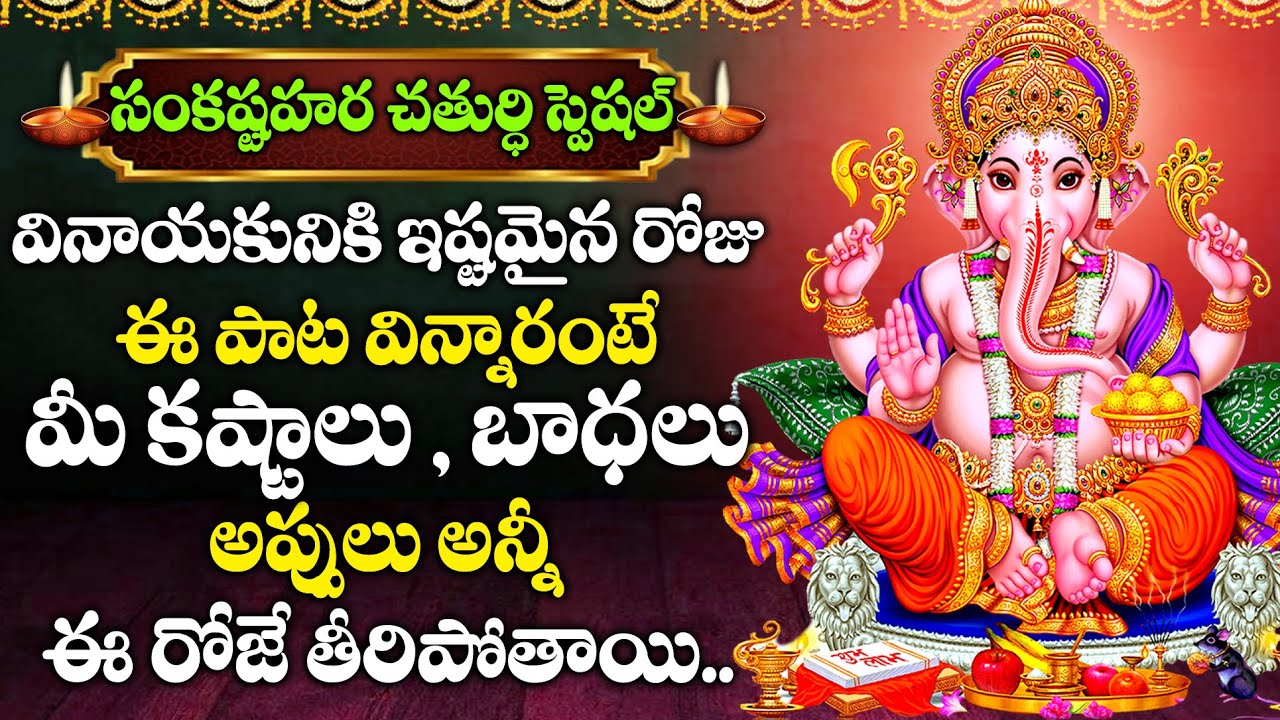
Sankatahara Chaturthi, also known as Sankashti Chaturthi, is a sacred Hindu festival dedicated to Lord Ganesha, the remover of obstacles. Celebrated on the fourth day of the waning moon phase (Krishna Paksha) each month, this auspicious day holds immense spiritual significance, particularly in the Kali Yuga, where devotion to Ganesha is believed to yield swift results. In 2025, devotees across the globe will observe Sankatahara Chaturthi with fervor, seeking divine blessings to overcome challenges and achieve prosperity. This comprehensive guide explores the significance, rituals, and proper puja vidhanam (procedures) for Sankatahara Chaturthi, ensuring devotees perform the rituals correctly to maximize spiritual benefits.
Understanding the Significance of Sankatahara Chaturthi
Sankatahara Chaturthi derives its name from the Sanskrit words Sankata (obstacles or troubles) and Hara (remover). This festival is dedicated to invoking Lord Ganesha’s blessings to eliminate hardships and grant success in endeavors. According to ancient scriptures, Ganesha is one of the most powerful deities in the Kali Yuga, alongside Goddess Chandi and Lord Kalabhairava, capable of delivering quick results to sincere devotees.
The observance of Sankatahara Chaturthi is particularly potent because it aligns with the lunar phase of Chaturthi tithi during the moonrise (Chandrodaya). This celestial alignment enhances the spiritual energy of the day, making it ideal for performing rituals to seek Ganesha’s grace. Devotees believe that observing this vrat (vow) with dedication can resolve issues related to health, finances, relationships, and career, paving the way for a harmonious life.
Mythological Importance of Sankatahara Chaturthi
A powerful story from Hindu mythology underscores the significance of this festival. According to legend, Lord Indra, the king of the heavens, once encountered an issue with his divine vehicle, which stalled mid-journey due to the negative energies emanating from a kingdom ruled by King Shurasena. A sage, a devoted worshiper of Ganesha, advised Indra that the vehicle could move again if someone in the kingdom performed the Sankatahara Chaturthi vrat and transferred its merits to him.
In the kingdom, a woman who had unknowingly observed the Chaturthi fast passed away on that day. Her soul, purified by the vrat, was claimed by Ganesha’s divine attendants, who argued that her observance of the fast merited her entry into Ganesha’s realm. When the air touched by her purified soul reached Indra’s vehicle, it began to move again. This story illustrates the immense power of Sankatahara Chaturthi, showing that even unintentional observance of the fast can yield profound spiritual rewards.
Why Sankatahara Chaturthi Matters in 2025
In 2025, the challenges of modern life—be it financial instability, health concerns, or personal struggles—make the observance of Sankatahara Chaturthi even more relevant. The festival offers a spiritual pathway to overcome these obstacles through disciplined worship and fasting. By aligning with the divine energy of Lord Ganesha, devotees can find clarity, strength, and solutions to their problems.
Key Rituals of Sankatahara Chaturthi
To fully harness the blessings of Sankatahara Chaturthi, devotees must follow specific rituals with sincerity and precision. These rituals are rooted in tradition and designed to create a deep connection with Lord Ganesha. Below is a step-by-step guide to performing the Sankatahara Chaturthi puja correctly.
1. Preparation for the Vrat
The foundation of Sankatahara Chaturthi lies in mental and physical preparation. Devotees should begin the day with a sense of devotion and purity. Here’s how to prepare:
- Wake Up Early: Rise before sunrise, ideally during the Brahma Muhurta (approximately 4:00 AM to 6:00 AM), to cleanse the body and mind.
- Cleanse the Body: Take a bath and wear clean, preferably white or light-colored, traditional clothes to symbolize purity.
- Set Up the Puja Space: Choose a clean, quiet area in your home or visit a Ganesha temple. Place a small idol or picture of Lord Ganesha on a white cloth, adorned with fresh flowers and garlands.
- Gather Puja Items: Collect essentials such as rice, turmeric, kumkum, sandalwood paste, incense sticks, camphor, betel leaves, betel nuts, bananas, coconuts, modaks (Ganesha’s favorite sweet), and durva grass (a sacred offering to Ganesha).
2. Observing the Sankatahara Chaturthi Fast
Fasting is the cornerstone of this vrat, symbolizing self-discipline and devotion. The fast begins at sunrise and continues until moonrise, when devotees perform the final puja and break their fast. Here are the fasting guidelines:
- Complete Fast (Nirjala Upavasa): The most devout form of fasting involves abstaining from food and water until moonrise. This is believed to amplify the spiritual benefits of the vrat.
- Partial Fast: For those unable to observe a complete fast, consuming fruits, milk, or light sattvic foods (such as sabudana khichdi) is permissible.
- Avoid Non-Sattvic Foods: Refrain from consuming onion, garlic, meat, alcohol, or any tamasic (impure) foods during the fast.
- Mental Discipline: Maintain a positive mindset, avoiding negative thoughts, anger, or envy, as these can diminish the efficacy of the vrat.
3. Performing the Sankatahara Chaturthi Puja
The puja is the heart of the Sankatahara Chaturthi observance, involving specific rituals to invoke Ganesha’s blessings. Follow these steps for a traditional puja:
- Sankalpa (Intention): Begin by taking a sankalpa, a solemn vow to observe the vrat with devotion. State your intention to seek Ganesha’s blessings for obstacle removal and spiritual growth.
- Invocation of Ganesha: Chant the Ganesha mantra, “Om Gam Ganapataye Namah,” to invite the deity’s presence.
- Offerings: Offer durva grass, modaks, and other items to the idol or picture of Ganesha. Perform the Shodashopachara (16-step worship), which includes offerings like flowers, incense, and lamps.
- Ashtottara Shatanamavali: Recite the 108 names of Lord Ganesha, offering a flower or durva blade with each name.
- Naivedya (Food Offering): Prepare a simple offering of payasam (sweet rice pudding) using three handfuls of rice. Place it before the deity as naivedya.
- Moonrise Ritual: At moonrise, perform the final puja, which includes chanting Ganesha mantras and offering prayers. Viewing the moon during the Chaturthi tithi is crucial, as it enhances the spiritual potency of the vrat.
- Breaking the Fast: After the moonrise puja, consume the payasam offered to Ganesha as prasadam. Avoid heavy meals on the night of the vrat to maintain the sanctity of the fast.
4. Visiting a Ganesha Temple
If possible, visit a Ganesha temple to perform the puja or participate in collective rituals. Many temples conduct special homams (fire rituals), such as the Lakshmi Ganesha Homam, on Sankatahara Chaturthi. Participating in these rituals amplifies the spiritual benefits, as the collective positive energy of devotees creates a powerful vibrational field.
5. Post-Vrat Practices
After completing the puja and breaking the fast, devotees are encouraged to perform acts of charity, such as donating food (annadanam) to the needy. This act of selflessness enhances the merits of the vrat and fosters spiritual growth.
Common Mistakes to Avoid During Sankatahara Chaturthi
While Sankatahara Chaturthi is a forgiving ritual, certain mistakes can reduce its efficacy. Here are common errors and how to avoid them:
- Ignoring the Moonrise Timing: The Chaturthi tithi must coincide with moonrise (Chandrodaya) for the vrat to be considered valid. Performing the puja at sunrise or during the day without observing the moonrise ritual is incomplete.
- Breaking the Fast Incorrectly: Avoid consuming heavy or non-sattvic foods immediately after breaking the fast. Stick to the prasadam or light foods to maintain the sanctity of the vrat.
- Lack of Devotion: Performing the rituals mechanically without genuine faith diminishes their spiritual impact. Approach the vrat with sincerity and a focused mind.
- Starting the Vrat During Inauspicious Periods: According to scriptures, beginning the Sankatahara Chaturthi vrat during certain inauspicious periods, such as the Moola Nakshatra, is not recommended. Those already observing the vrat can continue, but new devotees should consult a priest or astrologer to choose an auspicious start date.
How to Observe Sankatahara Chaturthi for Long-Term Benefits
Sankatahara Chaturthi is often observed for a specific number of months, such as 1, 3, 5, or 21, depending on the devotee’s commitment and spiritual goals. Here’s how to approach the vrat for long-term benefits:
- Set a Clear Intention: Before starting the vrat, decide how many months you will observe it. Odd numbers (e.g., 3, 5, 21) are considered auspicious in Hindu tradition.
- Maintain Consistency: Perform the vrat on the Chaturthi tithi of each month without interruption. Consistency strengthens the spiritual connection with Ganesha.
- Perform Udyapan (Conclusion): Upon completing the chosen number of vrats, perform a simple udyapan ceremony to mark the conclusion. This typically involves a final puja, offerings, and acts of charity. Unlike other vrats, Sankatahara Chaturthi does not require elaborate rituals for udyapan, making it accessible to all devotees.
Sankatahara Chaturthi in 2025: Key Dates and Tips
In 2025, Sankatahara Chaturthi will occur monthly on the fourth day of the Krishna Paksha. For instance, the June 2025 Sankatahara Chaturthi falls on June 14, a significant date for devotees. To ensure a successful observance, follow these tips:
- Check the Panchang: Consult a Hindu calendar (panchang) to confirm the exact date and tithi of Sankatahara Chaturthi each month, as the lunar calendar varies.
- Plan Ahead: Prepare puja items and fasting arrangements in advance to avoid last-minute stress.
- Join Collective Rituals: If possible, participate in group vrats or homams at temples like the Kanipakam Ganesha Temple, known for its powerful Sankatahara Chaturthi celebrations.
- Seek Astrological Guidance: For those facing specific challenges (e.g., Shani dosha or health issues), consult an astrologer to perform additional remedies, such as Shani dosha nivarana puja, alongside the vrat.
The Spiritual Power of Collective Worship
Participating in group rituals during Sankatahara Chaturthi amplifies the spiritual benefits. When devotees come together with shared intentions, their collective positive vibrations create a powerful energy field that enhances the efficacy of the vrat. Temples often organize mass vrats, homams, and archanas, allowing devotees to connect with like-minded individuals seeking Ganesha’s blessings. This collective energy fosters a sense of community and strengthens the spiritual resolve of participants.
Conclusion: Embrace Sankatahara Chaturthi for a Blessed Life
Sankatahara Chaturthi in 2025 offers a divine opportunity to connect with Lord Ganesha and seek his blessings for obstacle removal and spiritual growth. By observing the vrat with devotion, performing the puja with precision, and maintaining a disciplined fast, devotees can unlock the transformative power of this sacred day. Whether you are a seasoned practitioner or a new devotee, the rituals of Sankatahara Chaturthi are accessible and rewarding, promising divine intervention in times of need.
For those looking to deepen their spiritual practice, consider participating in collective rituals or consulting with experienced priests for personalized guidance. By embracing the sanctity of Sankatahara Chaturthi, you can pave the way for a life free of obstacles and filled with divine grace.