
Introduction
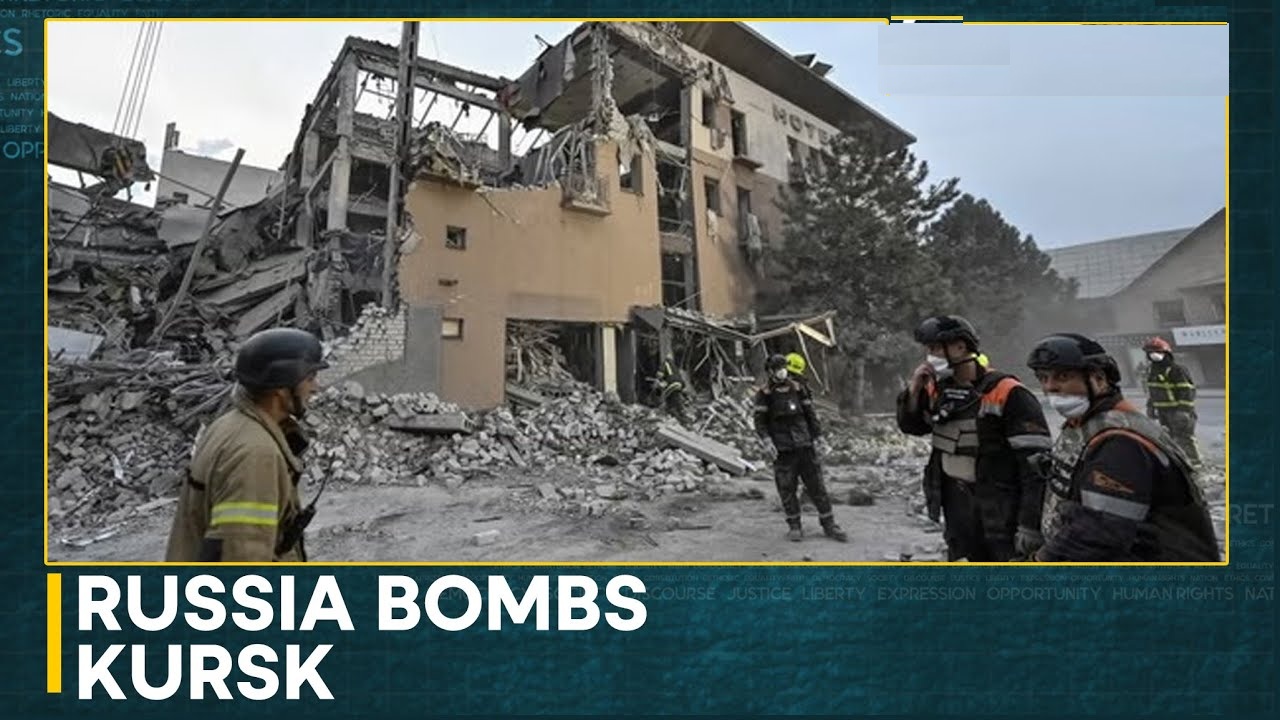
The ongoing Russia-Ukraine conflict has reached unprecedented levels of tension and destruction, particularly in the last 48 hours. Russia launched what is being described as the most significant airstrike since the beginning of the war in 2022, causing widespread devastation in Ukraine. This article delves into the latest developments, the strategies employed by both nations, and the broader implications for global security.
Russia’s Massive Airstrike: A Devastating Blow to Ukraine
In a move that has escalated the conflict, Russia recently carried out an intense barrage of missiles and drone attacks across Ukraine. This assault, marked as the largest since the war’s inception, has left the Ukrainian population in a dire state. According to reports, hundreds of missiles, many supplied by Iran, were launched, creating a critical situation on the ground. The strike also included drones, reportedly from China and North Korea, further complicating the geopolitical dynamics of the conflict.
The most alarming aspect of this attack was the targeting of a major dam near Kyiv. Although the dam has not suffered structural damage, the potential for catastrophic flooding looms large. If the dam were to fail, it could result in widespread flooding from Kyiv to the Black Sea, affecting millions of lives. The situation in Ukraine is increasingly desperate, with limited access to electricity and basic resources, amplifying the hardships faced by civilians.
Ukraine’s Strategic Incursion into Kursk: A Bid for Negotiation
In response to Russia’s relentless aggression, Ukrainian forces have intensified their military operations, including incursions into Russian territory, particularly in the Kursk region. Ukrainian President Volodymyr Zelensky has justified these actions as a strategic move to bring Russia to the negotiating table on more favorable terms.
From a strategic standpoint, Ukraine’s actions align with international law, which permits a nation under attack to defend itself by targeting the aggressor’s territory. This approach aims to disrupt Russia’s military capabilities and limit the damage inflicted on Ukraine. However, while this strategy is tactically sound, there is concern that it may divert attention from the critical issues within Ukraine, particularly in regions occupied by Russian forces.
Western Support and Its Limitations: A Double-Edged Sword
The support from Western nations has been a crucial element in Ukraine’s defense strategy. However, there are significant limitations that have hampered Ukraine’s ability to fully defend itself. One of the most notable constraints is the Western refusal to allow Ukraine to use long-range missiles to strike targets within Russian territory. This limitation has restricted Ukraine’s ability to neutralize the sources of missile and drone attacks originating from Russia.
The West’s cautious approach has inadvertently fueled Russian propaganda, suggesting that Ukraine’s allies are not fully committed to its cause. This narrative is further bolstered by the energy crisis in Europe, exacerbated by Russian actions, which has put additional pressure on Western governments. There are also growing concerns about the security of nuclear facilities, which could have devastating consequences not only for Ukraine but for the broader Euro-Atlantic community.
The Global Implications: A Looming Crisis for Europe
The ongoing conflict is not only a humanitarian disaster for Ukraine but also a significant threat to global stability, particularly in Europe. The energy security crisis in Europe, driven by Russia’s actions, is a stark reminder of the far-reaching consequences of this war. Additionally, there have been reports of Russian agencies organizing terrorist attacks within the European Union, further heightening the sense of urgency for a resolution.
As the conflict drags on, the international community is beginning to realize the necessity of addressing the root causes of the crisis. The planned peace negotiations in November will be critical, but there is skepticism about whether these talks will yield tangible results. The stakes are high, with the potential for further escalation if a diplomatic solution is not reached.
Conclusion
The Russia-Ukraine war has entered a new phase of intensity, with devastating consequences for both countries and significant implications for global security. The latest airstrikes by Russia have pushed Ukraine to the brink, while Ukraine’s strategic incursions into Russian territory highlight the desperate need for a negotiated settlement. However, the limitations of Western support and the broader geopolitical ramifications suggest that a resolution is far from certain.
As the conflict continues to unfold, the world watches with bated breath, hoping for a peaceful resolution but preparing for the possibility of further escalation. The coming weeks and months will be crucial in determining the future of Ukraine and the broader stability of the Euro-Atlantic region.