
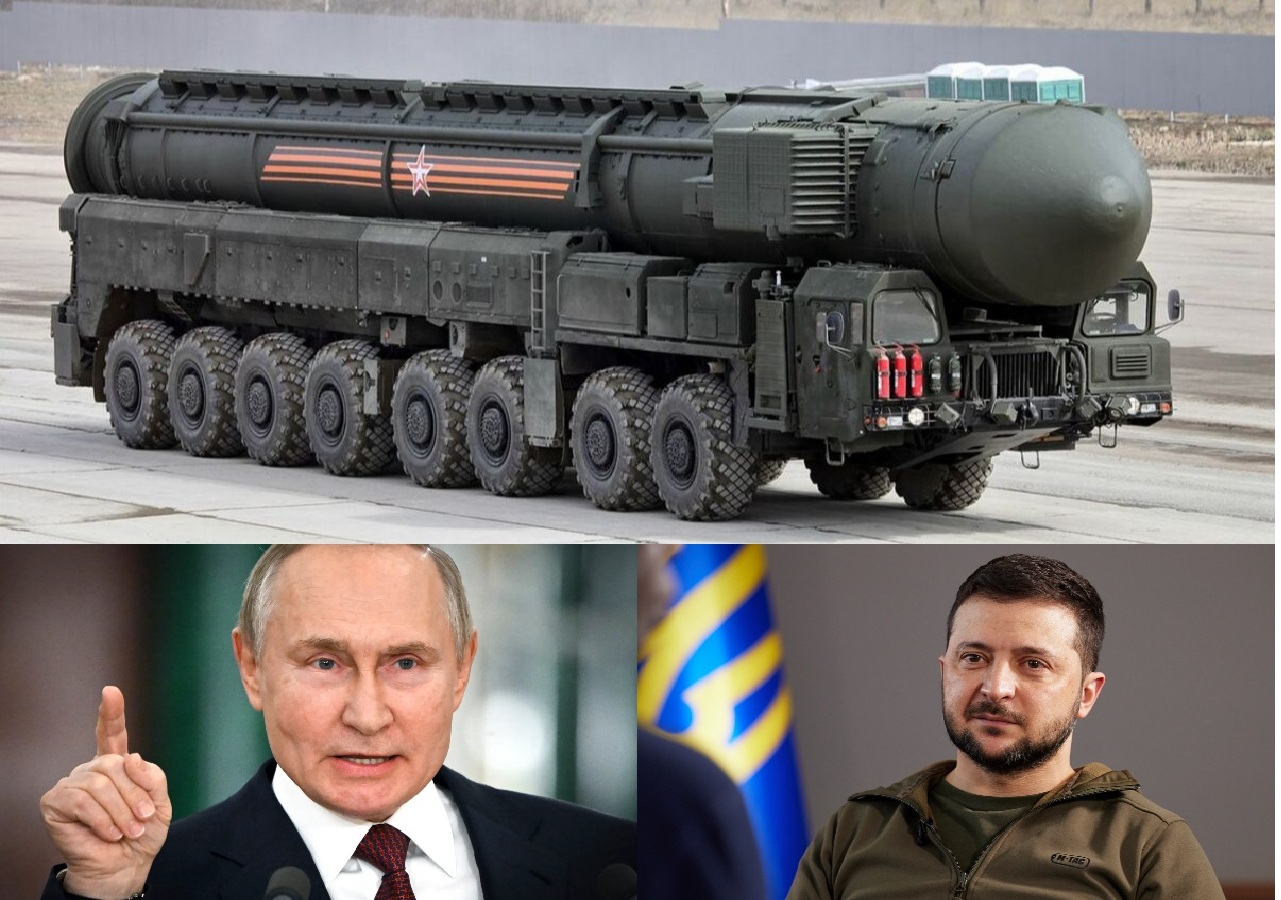
Russia’s ongoing conflict with Ukraine escalated as the Kremlin deployed a novel intermediate-range ballistic missile (IRBM) targeting the city of Dnipro. This missile, based on the RS-26 Rubezh intercontinental ballistic missile, marks the first use of such technology in the war, according to Deputy Pentagon Press Secretary Sabrina Singh. Alongside this, the U.S. has confirmed new military support to Ukraine, including advanced tactical weapons, reflecting the shifting dynamics of the battlefield.
Russia’s Experimental IRBM: A New Threat to Ukraine
On November 21, Russia launched an experimental intermediate-range ballistic missile (IRBM) at Dnipro. Sabrina Singh confirmed the missile carried a conventional warhead but emphasized its potential versatility. “This IRBM can be refitted to carry various warheads, including nuclear,” she stated during a Pentagon briefing.
The U.S. received a brief notification about the missile’s launch through nuclear risk reduction channels, a practice in line with existing arms-control agreements. This launch marks a significant evolution in Russia’s tactics, as IRBMs, with their shorter range compared to intercontinental ballistic missiles (ICBMs), offer flexibility in targeting while still capable of delivering substantial payloads.
Strategic Implications of IRBM Deployment
The deployment of this new missile underscores Moscow’s intent to test advanced weaponry on the battlefield. According to Singh, the IRBM has similar flight characteristics to ICBMs but is tailored for intermediate-range operations, making it a tactical option for regional conflicts.
“This new lethal capability is concerning,” Singh explained, highlighting that its deployment adds a fresh layer of complexity to the ongoing conflict. Military experts have warned that such experimental weapons aim to intimidate Ukraine and its allies, creating uncertainty about Russia’s next moves.
U.S. Responds with Tactical Weapon Support
In response to the escalating threats, the U.S. is providing Ukraine with antipersonnel landmines designed to counter Russian advances. Secretary of Defense Lloyd J. Austin III explained the rationale behind this decision during a visit to Laos, emphasizing the adaptability and safety of the U.S.-supplied landmines compared to those currently fabricated by Ukraine.
“The landmines we’re providing are not persistent. They’re designed to self-detonate after a set period, making them far safer,” Austin noted. This feature ensures they can effectively slow Russian troop movements without posing long-term risks to civilians.
Ukraine has pledged to use these mines exclusively within its territory and away from populated areas. This assurance aligns with international humanitarian standards, minimizing the risk of unintended casualties.
Shifting Battlefield Tactics
Russia’s evolving battlefield strategy reflects its challenges in achieving significant gains. Once reliant on mechanized forces, Moscow now employs dismounted infantry to pave the way for armored units. This change has prompted Ukraine to adapt its defenses, including the production of makeshift landmines.
“The Russians have shifted tactics due to their failures. Ukraine is responding by innovating its defenses,” Austin explained, highlighting the importance of U.S. support in bolstering Ukraine’s capabilities.
Western Response to Russia’s Psychological Games
Experts suggest that Russia’s IRBM launch is part of a broader strategy to intimidate Western allies. John Hardie, Deputy Director of the Russia Program at the Foundation for Defense of Democracies (FDD), commented on the psychological warfare aspect:
“Putin hopes to instill fear in Ukraine’s Western supporters. However, we must remain steadfast in our commitment to Ukraine, as this saber-rattling aims to deter aid,” Hardie said.
Ivana Stradner, a research fellow at FDD, echoed this sentiment, emphasizing the need for a robust Western response. “Instead of succumbing to nuclear blackmail, the U.S. and Europe should escalate their support by providing Ukraine with more long-range missiles to counter Russia’s aggression,” she urged.
Conclusion: Escalating Stakes in Ukraine
Russia’s use of experimental weapons in Ukraine highlights the conflict’s increasingly complex and dangerous nature. The U.S., recognizing the stakes, continues to provide critical military aid to Ukraine, ensuring its defenses remain robust. As the war evolves, the strategic choices of both sides will likely influence not only the outcome but also the broader geopolitical balance.
Western unity and resilience will remain crucial in countering Russia’s threats and ensuring Ukraine has the tools needed to defend its sovereignty.