
Introduction: The Push for a Fairer GST Rate on Digital News
In a significant move that could reshape the digital news landscape, the Ministry of Information and Broadcasting (I&B) has formally recommended a reduction in the Goods and Services Tax (GST) applied to digital news subscriptions. The Ministry has argued that the current high tax rate of 18% could push online news platforms towards an advertising-based revenue model, which might negatively impact the quality of journalism.
This recommendation comes at a critical time when digital news platforms are increasingly becoming the primary source of information for millions. The call for a GST reduction aims to align digital news services with other similar digital products, such as e-books, which are taxed at a lower rate. The Ministry’s proposal could lead to a significant shift in the digital news industry, fostering a more sustainable revenue model.
The Case for GST Reduction: Why It Matters
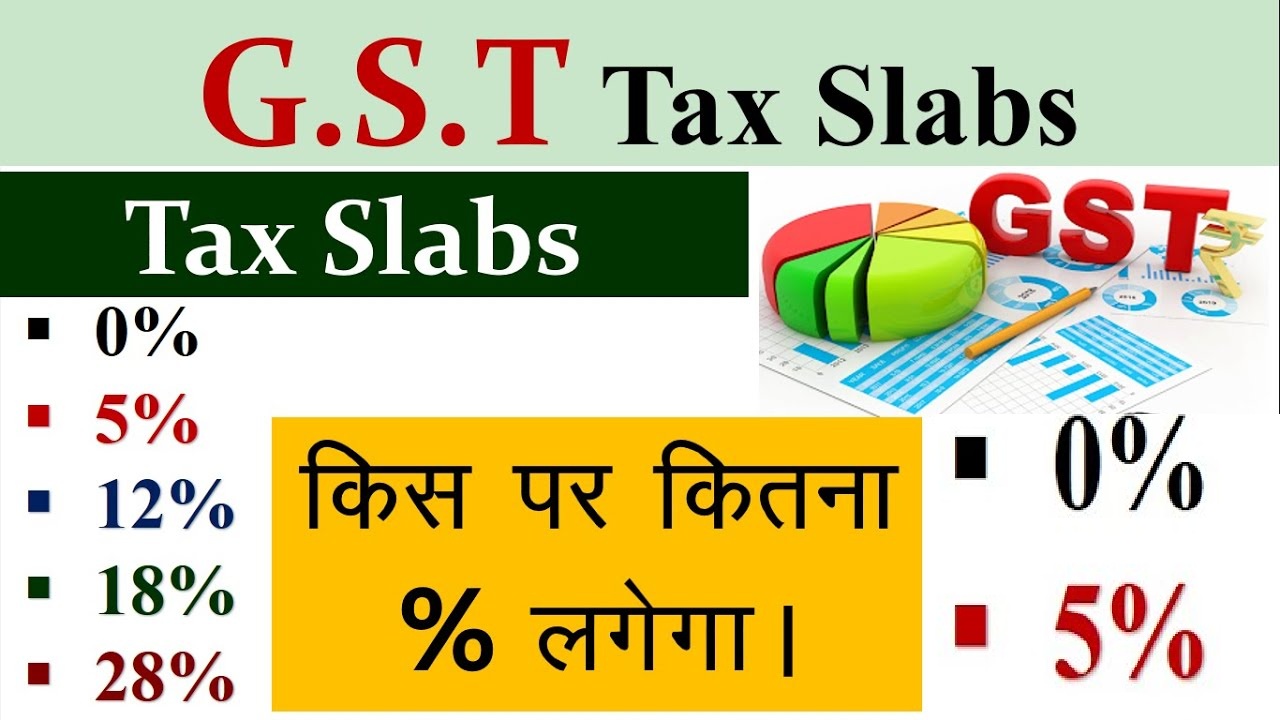
The Ministry of Information and Broadcasting has urged the Department of Revenue to either exempt digital news subscriptions from GST altogether or reduce the rate from 18% to 5%. This request was highlighted in a letter sent by the I&B Secretary to the Revenue Secretary, emphasizing the need for a tax structure that supports the digital news sector’s growth and sustainability.
Impact on Revenue Models: The current 18% GST rate on digital news subscriptions categorizes these services under the Online Information Database Access and Retrieval (OIDAR) services. This high tax rate has been a point of contention for online news outlets, which argue that it forces them to rely heavily on advertising revenues. A shift towards an advertising-centric model could compromise the quality of journalism, as the focus might shift from content quality to attracting more advertisers.
Alignment with Similar Digital Products: Printed newspapers, journals, and periodicals are currently exempt from GST, while e-books are taxed at a 5% rate. The I&B Ministry’s recommendation aims to bring digital news subscriptions in line with e-books, arguing that both are digital content consumed by readers. This alignment would not only provide relief to digital news platforms but also promote a fairer tax structure within the digital content ecosystem.
Upcoming GST Council Meeting: A Crucial Decision Ahead
The Finance Ministry is expected to review the GST rates applied to digital news subscriptions during the 54th GST Council meeting, scheduled for September 9, 2024, in New Delhi. This meeting could prove pivotal for the future of digital news in India, as it will determine whether the GST on digital news subscriptions will be reduced or remain unchanged.
54th GST Council Meeting: The announcement of the upcoming meeting was made via a post on X (formerly Twitter) on August 13, 2024, which stated, “The 54th GST Council Meeting will be held on 9th September 2024, in New Delhi.” The outcome of this meeting could significantly impact the digital news sector, influencing its business models, content quality, and overall sustainability.
Industry Response: The online news industry has been vocal about the need for a lower GST rate. Many media outlets have argued that the current tax structure places an undue burden on them, especially as they compete with free online content and face the challenges of monetizing quality journalism. A reduction in GST could provide much-needed financial relief, enabling these platforms to invest more in content creation and less in tax compliance.
The Broader Implications: Quality Journalism at Stake
The I&B Ministry’s push for a lower GST rate is not just about tax relief; it’s about the future of journalism in the digital age. The shift from print to digital has been swift, and with it comes the need for a tax structure that supports, rather than hinders, this transition.
Preserving Content Quality: If digital news platforms are forced to rely more heavily on advertising revenue due to high GST rates, there is a legitimate concern that content quality could suffer. Advertiser-driven models often prioritize clickbait and sensationalism over in-depth reporting and investigative journalism. By reducing the GST on digital news subscriptions, the government can help ensure that these platforms remain financially viable while maintaining high standards of journalism.
Encouraging Digital Adoption: Lowering the GST on digital news subscriptions could also encourage more consumers to pay for quality content. In an era where misinformation is rampant, supporting trustworthy news sources is more important than ever. A reduced tax rate could make digital news subscriptions more affordable and attractive to a broader audience, promoting informed citizenship and a healthier media environment.
Conclusion: A Call for Equitable Taxation in the Digital Age
The I&B Ministry’s recommendation to reduce the GST on digital news subscriptions is a crucial step towards fostering a more sustainable and high-quality digital news ecosystem. As the Finance Ministry prepares to review this proposal during the upcoming GST Council meeting, the future of digital journalism in India hangs in the balance. A favorable decision could not only provide financial relief to digital news outlets but also ensure that the industry continues to thrive in a manner that upholds the standards of quality journalism.
The government’s role in supporting the digital transition is essential, and adjusting the GST rate is a key part of this support. By aligning the tax structure with the realities of the digital age, India can ensure that its citizens have access to reliable, high-quality news in an increasingly digital world.