
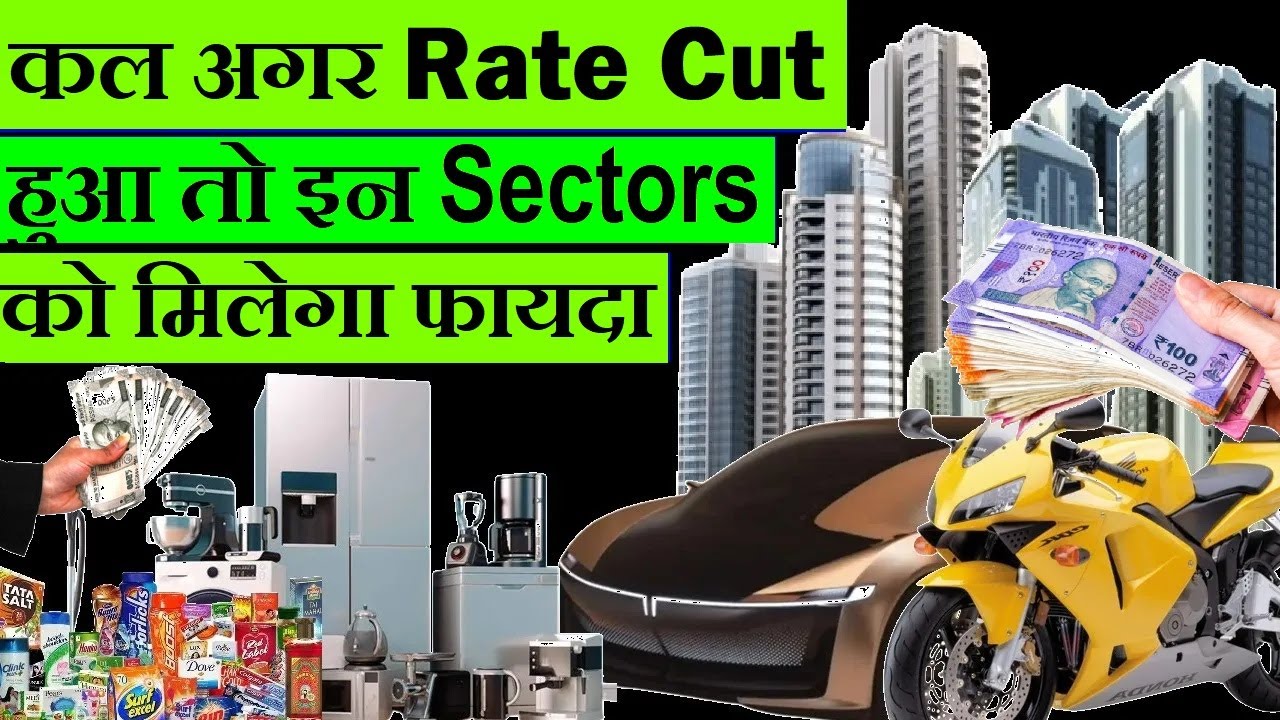
The Reserve Bank of India’s (RBI) Monetary Policy Committee (MPC) meetings spark widespread anticipation, especially when a potential interest rate cut looms. A rate cut, even by a modest 25 or 50 basis points, can ripple through the economy, benefiting various sectors, businesses, and industries. This article delves into how an RBI rate cut influences the financial landscape, drives consumer behavior, and fuels growth in specific sectors. By understanding these dynamics, investors, businesses, and consumers can make informed decisions to capitalize on the opportunities a rate cut presents.
What Is an RBI Rate Cut and Why Does It Matter?
An RBI rate cut involves reducing the repo rate, the interest rate at which the central bank lends to commercial banks. This action lowers borrowing costs across the economy, making loans and credit more affordable. The ripple effect encourages spending, investment, and economic growth. When the RBI signals a rate cut, it often indicates a strategy to stimulate the economy, especially during periods of slowdown or low inflation.
For instance, a 25-basis-point cut might seem minor, but it can significantly reduce borrowing costs over time, freeing up capital for businesses and consumers. This increased liquidity can drive market activity, boost consumption, and enhance GDP growth. Let’s explore how this mechanism works and which sectors stand to gain the most.
Understanding the Logic Behind Rate Cuts
A rate cut operates on a straightforward principle: lower interest rates make borrowing cheaper and saving less attractive. Consider fixed deposits (FDs) as an example. If FD rates drop from 7% to 6% or lower, the returns become less appealing compared to inflation, which typically hovers around 5-6%. As a result, investors shift funds from FDs to higher-yield options like the stock market, increasing market liquidity.
Similarly, cheaper loans reduce equated monthly installments (EMIs) for borrowers, leaving them with more disposable income. This extra cash can fuel consumer spending or investments, creating a virtuous cycle of economic activity. The following sections break down the sectors and industries that benefit directly and indirectly from this dynamic.
Sectors Poised to Thrive After a Rate Cut
A rate cut creates a favorable environment for several sectors by reducing borrowing costs, increasing consumer spending, and boosting investor confidence. Here are the key sectors that stand to gain:
1. Real Estate: The Biggest Beneficiary
The real estate sector is among the most sensitive to interest rate changes. Lower rates reduce home loan EMIs, making homeownership more affordable. For instance, a drop from 10% to 8% on a home loan can save borrowers thousands of rupees monthly, encouraging more purchases. Additionally, real estate developers benefit from cheaper financing for construction projects, which often carry heavy debt loads.
Why Real Estate Wins Big
- Lower EMIs: Affordable loans attract more homebuyers, boosting demand for residential and commercial properties.
- Cheaper Developer Financing: Construction firms reduce borrowing costs, improving profit margins and enabling new projects.
- Dual Benefits: Both buyers and developers gain, creating a robust growth cycle.
Key Players to Watch: Companies like DLF, Godrej Properties, Oberoi Realty, and Sobha Ltd. often see increased activity post-rate cuts. Retail-focused real estate firms, such as Phoenix Mills, also benefit as consumer spending rises in shopping complexes.
2. Consumer Goods (FMCG): Fueling Everyday Purchases
Fast-moving consumer goods (FMCG) companies thrive when consumers have more disposable income. A rate cut, by lowering EMIs or loan costs, leaves households with extra cash to spend on daily essentials like toothpaste, snacks, soaps, and beverages. This increased consumption directly boosts FMCG sales.
How FMCG Benefits
- Higher Disposable Income: Consumers spend more on branded products, from biscuits to personal care items.
- Retail Expansion: FMCG companies partner with retail chains, amplifying sales through supermarkets and e-commerce.
- Rural and Urban Demand: Lower borrowing costs stimulate demand in both rural and urban markets.
Key Players to Watch: Hindustan Unilever, Nestlé India, Britannia, and Dabur India are poised for growth as consumption rises.
3. Retail: The Shopping Surge
Retail companies, particularly those operating supermarkets, apparel stores, and lifestyle chains, experience a surge in sales when consumers have more money to spend. A rate cut fuels this by reducing EMIs or loan costs, enabling purchases of non-essential items like clothing, footwear, and electronics.
Retail’s Growth Drivers
- Increased Footfall: More disposable income leads to higher store visits and online purchases.
- Diverse Product Range: Retailers selling FMCG products, apparel, and electronics benefit from broad consumer demand.
- E-commerce Synergy: Online retail platforms see a spike in orders as consumers leverage affordable financing options.
Key Players to Watch: Trent Ltd., Aditya Birla Fashion, V-Mart, D-Mart, and Vishal Mega Mart are well-positioned to capitalize on increased consumer spending.
4. Consumer Electronics: Upgrading Lifestyles
When EMIs become affordable, consumers are more likely to invest in big-ticket items like TVs, refrigerators, washing machines, air conditioners, and smartphones. The consumer electronics sector benefits as lower financing costs make these purchases more accessible.
Why Consumer Electronics Shines
- Affordable Financing: Lower interest rates on consumer loans drive sales of high-value electronics.
- Replacement Demand: Consumers upgrade outdated appliances, boosting sales for manufacturers and retailers.
- E-commerce Boost: Online platforms offering EMI options see increased traction.
Key Players to Watch: Dixon Technologies, Voltas, Blue Star, Crompton Greaves, and Whirlpool India are likely to see strong demand.
5. Automotive: Driving Sales Forward
The automotive sector, encompassing two-wheelers, four-wheelers, and commercial vehicles, benefits significantly from rate cuts. Lower loan rates make vehicle financing more attractive, encouraging consumers to buy cars, bikes, or even commercial fleets.
Automotive Sector Advantages
- Cheaper Auto Loans: Reduced interest rates lower EMIs, making vehicles more affordable.
- Fleet Expansion: Businesses invest in commercial vehicles as borrowing costs drop.
- Two-Wheeler Surge: Affordable financing boosts demand for scooters and motorcycles, especially in rural areas.
Key Players to Watch: Maruti Suzuki, Tata Motors, Hero MotoCorp, Bajaj Auto, and TVS Motor Company stand to gain from increased vehicle purchases.
6. Footwear and Apparel: Stepping Up Sales
Rate cuts stimulate spending on discretionary items like footwear and apparel. As consumers have more disposable income, they are more likely to purchase branded shoes, clothing, and accessories, benefiting companies in these segments.
Why Footwear and Apparel Thrive
- Discretionary Spending: Extra cash encourages purchases of non-essential items like branded apparel.
- Retail Synergy: Footwear and apparel brands benefit from increased footfall in retail stores.
- E-commerce Growth: Online platforms offering discounts and EMI options drive sales.
Key Players to Watch: Bata India, Relaxo Footwear, Metro Brands, and Aditya Birla Fashion are key beneficiaries.
The Economic Ripple Effect of Rate Cuts
A rate cut doesn’t just benefit specific sectors; it creates a broader economic impact by increasing liquidity and consumption. Here’s how:
Increased Market Liquidity
Lower FD rates push investors toward the stock market, increasing capital inflows. This liquidity drives stock prices higher, benefiting companies across sectors. As more funds enter the market, businesses access capital for expansion, further fueling economic growth.
Boost to Consumption and GDP
Consumption accounts for approximately 60% of India’s GDP. When consumers have more disposable income due to lower EMIs or cheaper loans, they spend more on goods and services. This increased spending directly contributes to GDP growth, creating a positive feedback loop for the economy.
Enhanced Business Investment
Cheaper loans enable businesses to invest in expansion, innovation, and infrastructure. For instance, real estate developers can fund new projects, while manufacturers can upgrade machinery or increase production capacity. This investment drives job creation and economic activity.
Strategic Considerations for Investors
For investors, a rate cut presents opportunities to capitalize on sector-specific growth. Here’s how to approach it:
1. Diversify Across Beneficiary Sectors
Spread investments across real estate, FMCG, retail, consumer electronics, automotive, and apparel to mitigate risks and maximize returns. Each sector responds differently to rate cuts, ensuring a balanced portfolio.
2. Focus on Quality Stocks
Prioritize companies with strong fundamentals, healthy balance sheets, and consistent growth. For example, in real estate, opt for developers with low debt and a robust project pipeline. In FMCG, choose brands with strong market presence and distribution networks.
3. Monitor RBI Commentary
While a rate cut is positive, the RBI’s forward guidance matters. If the central bank signals further cuts, markets may react positively. However, hints of policy tightening could lead to volatility. Stay informed about MPC statements to gauge market sentiment.
4. Leverage Long-Term Trends
Rate cuts often signal the start of a multi-year growth cycle. Invest in sectors with long-term potential, such as real estate and consumer electronics, to benefit from sustained economic expansion.
Potential Risks and Challenges
While rate cuts are generally positive, they come with caveats:
- Inflation Risks: If inflation rises, the RBI may reverse rate cuts, increasing borrowing costs and dampening growth.
- Global Factors: External factors like global economic slowdowns or commodity price spikes can offset rate cut benefits.
- Market Overreactions: Excessive optimism can lead to overvalued stocks, increasing the risk of corrections.
Investors and businesses must weigh these risks against the opportunities to make informed decisions.
Conclusion: Seizing the Rate Cut Opportunity
An RBI rate cut is a powerful catalyst for economic growth, benefiting sectors like real estate, FMCG, retail, consumer electronics, automotive, and apparel. By reducing borrowing costs and increasing disposable income, rate cuts drive consumption, investment, and GDP growth. For investors, this presents a chance to capitalize on sector-specific opportunities, provided they stay informed and strategic. Businesses, meanwhile, can leverage cheaper financing to expand and innovate.
To stay ahead, monitor RBI announcements, focus on quality investments, and diversify across beneficiary sectors. With the right approach, a rate cut can unlock significant growth potential for businesses, consumers, and investors alike.