
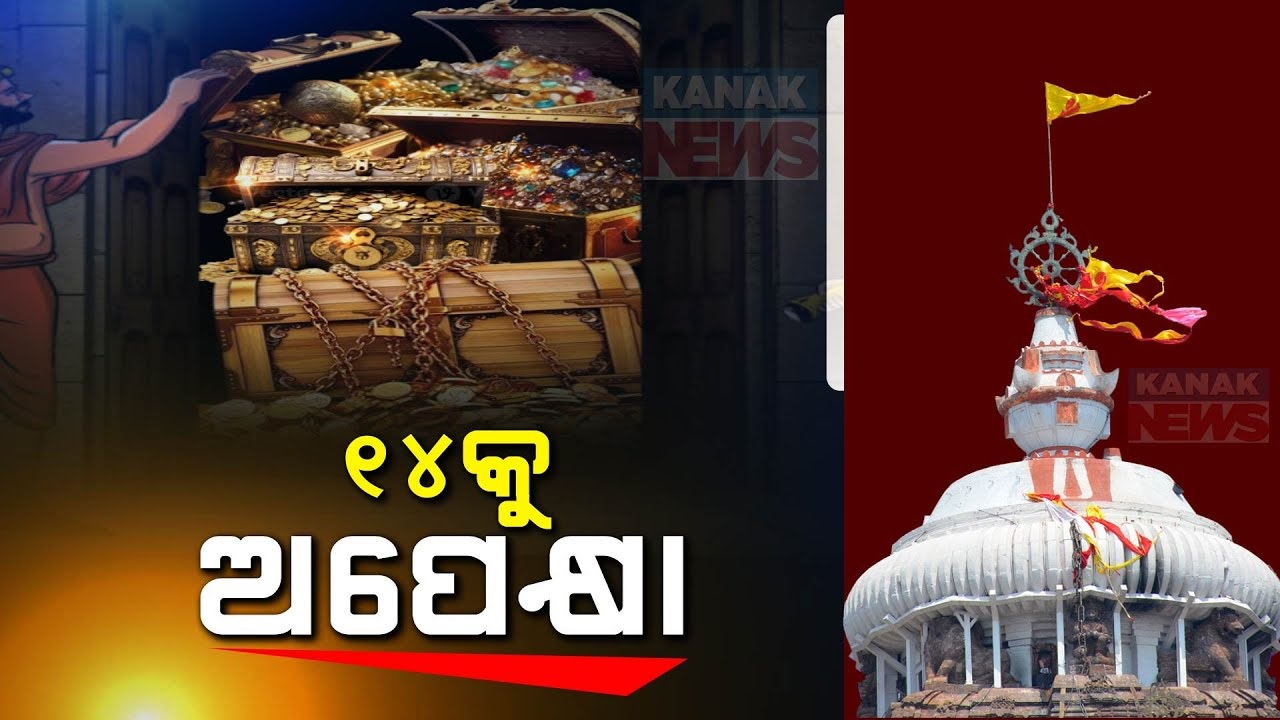
Ratna Bhandar: Opening Set for July 14 by Committee Decision
The high-level committee overseeing the Puri Jagannath Temple has recommended that the Odisha government reopen the Ratna Bhandar (Treasure House) on July 14. This decision marks a significant step towards inventorying the temple’s wealth and addressing necessary repairs. The committee, chaired by Justice Biswanath Rath, has set forth detailed plans for this monumental task.
Unlocking the Treasure: A Long-Awaited Decision
The decision to reopen the Ratna Bhandar has been a topic of intense discussion for years. Last opened in 1978, the treasure house is believed to contain invaluable gold, diamond, and precious stone ornaments donated by kings and devotees over the centuries. Concerns about the security and preservation of these treasures have led to this crucial move.
Justice Rath’s committee reached a unanimous decision during a meeting held on Tuesday. They emphasized that the locks will be opened regardless of the availability of keys. This proactive approach includes a recommendation to the temple administration to provide the keys by July 14, or else the locks will be broken to gain access.
Ensuring Security and Transparency
The committee has stressed the importance of safeguarding the jewelry during this process. They have outlined two major tasks: the inventorying of the treasures and the repair of the Ratna Bhandar. These tasks are vital to ensuring the continued preservation and security of the temple’s wealth.
A dedicated area within the temple premises has been selected for the temporary transfer of jewelry. The inventory process is expected to be meticulous and time-consuming, requiring skilled jewelers and modern technology to accurately assess the value and condition of items that are hundreds of years old.
Historic Wealth: The Content of Ratna Bhandar
According to records, the Ratna Bhandar holds a total of 454 gold articles weighing 12,838 Bharis (128.38 kg) and 293 silver articles weighing 22,153 Bharis (221.53 kg). This treasure trove has not been inventoried for the past 46 years, despite regulations requiring a check every three years.
The Ratna Bhandar is divided into two chambers: the Bahara Bhandar (outer chamber) and the Bhitara Bhandar (inner chamber). Situated on the northern side of the Jagamohana within the temple complex, it connects to the main temple via its northern wall.
Government Involvement and Historical Context
During the 24-year tenure of the Naveen Patnaik government, there were no attempts to open the Ratna Bhandar, despite public concerns about the security of its contents. The issue was brought before the Orissa High Court, which demanded explanations from the state government. In response, the government announced plans to open the Ratna Bhandar during the 2024 Rath Yatra, a period when the deities are in the Mausi Mas Temple, and no daily rituals occur inside the main temple.
A previous committee, led by former Supreme Court Judge Arijit Pasayat, had been formed to address this issue but failed to take decisive action despite multiple meetings. The current government’s commitment to opening the Ratna Bhandar has been a significant political promise, particularly by the Bharatiya Janata Party (BJP), which has recently come to power in Odisha.
Conclusion: A Step Towards Preservation and Accountability
The decision to reopen the Ratna Bhandar on July 14 is a significant move towards preserving the cultural heritage and ensuring the security of the Puri Jagannath Temple’s treasures. The committee’s detailed plans and the government’s support underscore the importance of this endeavor. By inventorying and repairing the Ratna Bhandar, the authorities aim to maintain transparency and accountability, addressing long-standing public concerns about the temple’s wealth.
This historic event not only marks a crucial step in preserving the temple’s legacy but also reflects the commitment of the Odisha government and the temple administration to safeguarding and valuing their cultural heritage.