
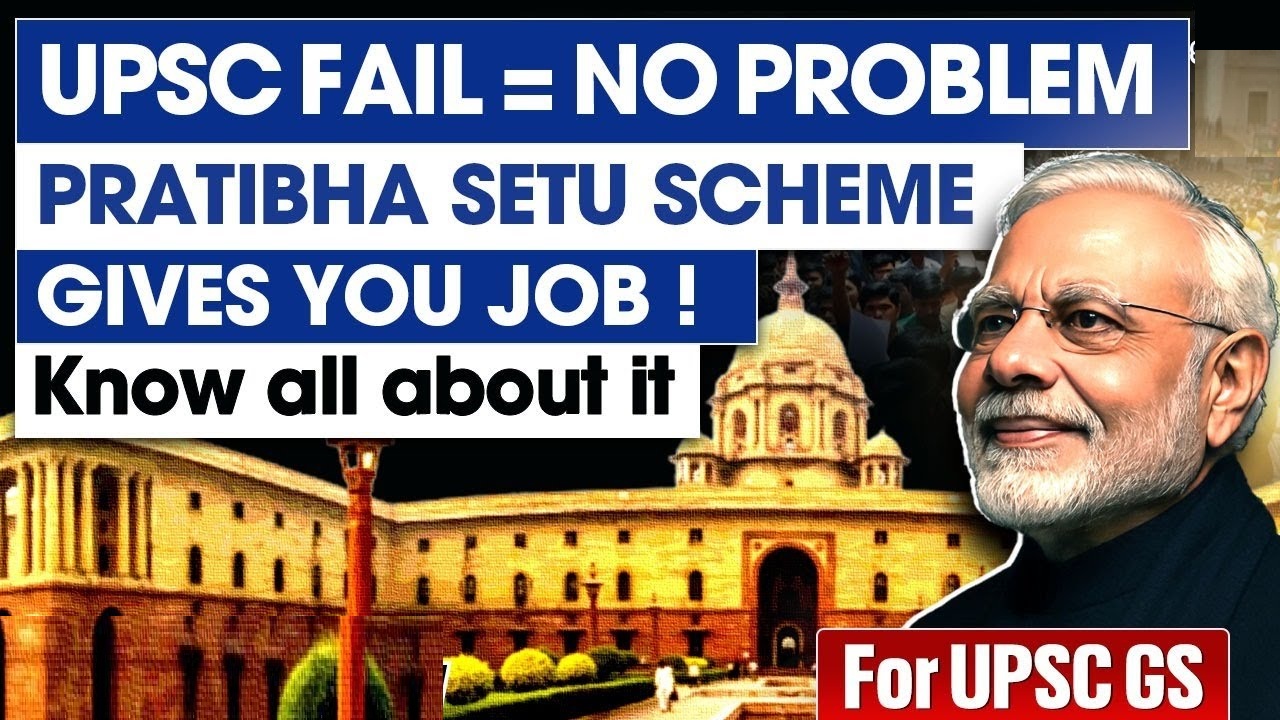
Prime Minister Narendra Modi recently shared exciting news that promises to transform opportunities for thousands of dedicated UPSC aspirants. In the 125th episode of his popular radio program, Mann Ki Baat, he introduced Pratibha Setu, a digital platform designed to connect talented candidates who narrowly miss the final merit list in the Civil Services Examination with potential employers in the private sector. This initiative recognizes the hard work and skills of aspirants who clear all stages of one of India’s toughest exams but fall short by slim margins. Modi emphasized how Pratibha Setu bridges the gap between talent and opportunity, ensuring that sincere efforts do not go to waste. With over 10,000 such candidates already registered, the portal opens doors to meaningful careers outside government service. As India pushes for youth employment and skill utilization, this move stands out as a practical step forward.
Modi also addressed pressing national issues, from devastating natural disasters to positive developments in Jammu and Kashmir. He expressed sorrow over the floods and landslides affecting various regions, praising the tireless work of rescue teams. On a brighter note, he highlighted sporting events in J&K that symbolize progress and unity. This article explores these topics in depth, offering insights into UPSC challenges, the new portal’s impact, and broader national narratives. Whether you prepare for competitive exams or follow current affairs, understanding Pratibha Setu and related discussions reveals how leaders actively support India’s young talent.
The Rigors of the UPSC Civil Services Examination: A Gateway to Public Service
India’s Union Public Service Commission (UPSC) conducts the Civil Services Examination annually, attracting lakhs of aspirants who dream of serving the nation as IAS, IPS, or IFS officers. This three-stage process—Prelims, Mains, and Interview—tests knowledge, aptitude, and personality over months of intense preparation. Candidates study vast syllabi covering history, polity, economy, geography, and current events, often sacrificing personal time and resources.
Many aspirants relocate to coaching hubs like Delhi or Hyderabad, investing years and significant funds in books, classes, and mock tests. Statistics show that only about 1,000 candidates succeed each year out of over a million applicants, making the success rate below 0.1%. This grueling journey builds resilience, analytical skills, and a deep understanding of India’s governance. However, the competition’s intensity means even highly capable individuals sometimes miss the cut by a few marks.
Experts note that UPSC preparation enhances employability in diverse fields, from corporate roles to academia. Companies value the discipline and broad knowledge these candidates possess. Yet, until now, those who cleared all stages but did not make the merit list often faced uncertainty, restarting job hunts without leveraging their achievements. Pratibha Setu changes this dynamic by showcasing their profiles to recruiters, turning near-misses into career launches.
Preparation strategies vary, but successful aspirants swear by consistent study routines. They read newspapers daily, practice answer writing, and join study groups. Online resources, like free lectures on YouTube or apps for current affairs, democratize access. Still, challenges like financial strain and mental health issues persist. Support systems, including family encouragement and counseling, prove crucial. As Modi pointed out, these aspirants dedicate immense honesty and effort, deserving platforms that recognize their potential beyond government jobs.
Challenges UPSC Aspirants Face and Why Support Matters
UPSC aspirants encounter numerous hurdles that test their determination. Financial burdens top the list, with coaching fees reaching lakhs and living expenses adding up in urban centers. Many from rural backgrounds borrow money or work part-time, balancing studies with survival. The syllabus’s breadth demands multidisciplinary expertise, often overwhelming first-timers.
Psychological pressure builds from repeated attempts—candidates get limited tries based on category. Failures lead to self-doubt, with some experiencing burnout or depression. Social expectations amplify this, as families pin hopes on success. Women aspirants juggle additional responsibilities, like household duties, yet their numbers rise yearly, reflecting growing empowerment.
Despite these obstacles, aspirants develop invaluable skills: critical thinking, time management, and ethical decision-making. Private sectors, including consulting firms and tech companies, seek such talents for roles in strategy, policy, and leadership. However, without structured bridges, many struggle to transition. This gap highlights why initiatives like Pratibha Setu matter—it provides visibility and validates their efforts.
Modi, in his address, acknowledged these realities, noting how small differences deny spots in the final list. By creating a databank, the government ensures private entities access this pool, fostering employment. Already, thousands have benefited, securing positions that match their caliber. This support not only boosts individual careers but strengthens India’s workforce, aligning with national goals of self-reliance and innovation.
PM Modi’s Inspiring Address in Mann Ki Baat Episode 125
On August 31, 2025, Prime Minister Narendra Modi connected with millions through the 125th edition of Mann Ki Baat, his monthly radio broadcast that shares stories of national progress and challenges. He began by addressing the monsoon season’s havoc, expressing solidarity with affected families and commending rescue operations.
Turning to youth empowerment, Modi introduced Pratibha Setu as a revolutionary step for UPSC aspirants. He described the Civil Services Exam as one of India’s toughest, where candidates invest time, money, and sincerity. Those who pass Prelims, Mains, and Interview but miss the merit list now have a dedicated portal. Their details, shared with consent, allow private companies to recruit them directly.
Modi stressed that this initiative aims at broader employment, tapping into untapped talent. He shared that the portal already holds data on over 10,000 individuals, with many finding jobs. This announcement resonated with listeners, sparking discussions on social media about second chances in competitive fields.
The episode also celebrated Jammu and Kashmir’s advancements, from sports festivals to community events, portraying a region moving toward peace and prosperity. Modi’s conversational style, blending empathy with motivation, keeps Mann Ki Baat engaging, inspiring citizens to contribute to nation-building.
Unveiling Pratibha Setu: Features and Functionality for Aspiring Civil Servants
Pratibha Setu serves as a digital bridge connecting UPSC talent with opportunities. Launched by the UPSC, the portal compiles profiles of candidates who cleared all exam phases but did not secure final selection. Users register voluntarily, providing resumes, scores, and preferences.
Employers, particularly from private sectors, access this database to scout for roles in management, research, or administration. The platform ensures privacy, with data shared only upon approval. Features include search filters by skills, location, and experience, making recruitment efficient.
Modi hailed it as a “bridge of talent,” emphasizing how it prevents skill wastage. For aspirants, it offers hope after disappointment, turning preparation into tangible assets. Early success stories show candidates landing jobs in multinational firms, NGOs, and startups.
To use Pratibha Setu, candidates log in via the UPSC website, update profiles, and explore listings. Companies register as recruiters, posting vacancies tailored to these profiles. This user-friendly setup promotes inclusivity, especially for those from underrepresented regions.
As India eyes a skilled workforce for its growing economy, Pratibha Setu exemplifies proactive governance, ensuring no talent slips through cracks.
Job Opportunities and Career Boost for UPSC Near-Miss Candidates
Pratibha Setu unlocks diverse career paths for UPSC aspirants beyond bureaucracy. Candidates’ expertise in governance, ethics, and analysis fits perfectly in corporate strategy, public policy consulting, and think tanks. Banks, IT firms, and e-commerce giants actively hire them for compliance, risk management, and leadership positions.
One key benefit: immediate employability. Unlike fresh graduates, these individuals demonstrate perseverance through UPSC’s rigors. Employers value their ability to handle pressure and multitask. Reports indicate thousands have secured roles, with salaries competitive to entry-level civil services.
The portal also encourages entrepreneurship, linking aspirants with mentors or funding programs. For rural candidates, it bridges urban-rural divides by allowing remote applications. Women benefit too, as flexible options support work-life balance.
Modi’s vision ties this to national youth employment drives, like Skill India. By integrating Pratibha Setu with job portals, the government amplifies impact. Aspirants now view UPSC not as all-or-nothing but a stepping stone to varied successes.
Confronting Natural Disasters: India’s Ongoing Battle with Monsoon Fury
India faces annual trials from natural disasters, particularly during monsoons. Heavy rains, floods, and landslides devastate states like Assam, Bihar, and Himachal Pradesh, claiming lives and displacing thousands. Modi, in Mann Ki Baat, voiced deep concern over recent events, where homes submerged and infrastructure collapsed.
Climate change exacerbates these, with erratic weather patterns increasing frequency. Floods erode farmlands, affecting agriculture and livelihoods. Urban areas suffer from poor drainage, leading to waterlogging and health risks like disease outbreaks.
Government responses include early warnings via the India Meteorological Department and evacuation plans. Yet, challenges persist in remote areas with limited access. Modi highlighted how disasters test national resilience, urging collective action for preparedness.
Community involvement proves vital—locals often form first-response teams, distributing aid. Long-term solutions involve afforestation, river management, and sustainable urban planning. As India grows, balancing development with environmental protection becomes essential to mitigate future risks.
Saluting the Heroes: NDRF, Security Forces, and Community Efforts in Relief Operations
When disasters strike, heroes emerge. The National Disaster Response Force (NDRF) leads with specialized teams trained in search, rescue, and medical aid. Modi praised their dedication, noting use of drones, thermal cameras, and sniffer dogs for efficient operations.
Security forces, including the army and paramilitary, airlift supplies and evacuate stranded people. Helicopters deliver food and medicine to inaccessible zones, saving countless lives. Doctors and volunteers provide on-ground support, treating injuries and offering counseling.
Social workers and NGOs distribute relief kits, while locals share resources. Modi expressed gratitude to all, emphasizing humanity’s triumph over adversity. These efforts not only save lives but rebuild communities, fostering unity.
Training programs enhance readiness, with mock drills simulating scenarios. Technology, like satellite monitoring, aids prediction. Citizens contribute by donating and volunteering, strengthening the response network.
Jammu and Kashmir’s Journey Toward Progress and Normalcy
Jammu and Kashmir advances despite challenges, showcasing resilience and growth. Modi spotlighted this in Mann Ki Baat, noting how the region overcomes natural calamities while achieving milestones in sports and culture.
Post-Article 370 abrogation, investments flow in, boosting tourism and economy. Infrastructure improves with new roads, tunnels, and railways connecting remote areas. Education and healthcare see upgrades, with more schools and hospitals operational.
Youth engagement rises through skill programs and entrepreneurship schemes. Women participate actively in cooperatives and startups. Cultural festivals revive traditions, promoting harmony. These steps paint J&K as a vibrant part of India’s development story.
Celebrating Khelo India: Water Sports Festival at Srinagar’s Dal Lake
The inaugural Khelo India Water Sports Festival at Dal Lake marked a historic moment for Jammu and Kashmir. Over 800 athletes from across India competed in canoeing, kayaking, and rowing, amid stunning scenery.
Modi commended the event for promoting water sports and gender equality, with women’s participation nearly equaling men’s. Madhya Pradesh topped medals, followed by Haryana and Odisha. Participants like Rashmita Sahu from Odisha shared inspiring journeys, highlighting perseverance.
This festival boosts tourism, drawing visitors to experience J&K’s beauty. It encourages local youth to pursue sports, providing scholarships and facilities. Government support through Khelo India nurtures talent, aiming for Olympic success.
Day-Night Cricket in Pulwama: A Symbol of Transformation in Kashmir
Pulwama hosted its first day-night cricket match, drawing thousands to the stadium. Part of the Royal Premier League, it featured local teams, igniting passion among youth.
Modi described this as evidence of change, where once-unthinkable events now thrive. Floodlights and enthusiastic crowds created a festive atmosphere, symbolizing peace and normalcy.
Cricket unites communities, fostering friendships and skills. Initiatives like this empower youth, diverting energy positively. With more tournaments planned, sports become a tool for social integration in J&K.
Broader Themes in Mann Ki Baat: Swadeshi Pride and National Unity
Modi urged pride in swadeshi products, promoting local manufacturing for self-reliance. He linked this to innovation, echoing calls for indigenous technologies.
The episode wove tales of unity, from disaster relief to sporting triumphs, inspiring listeners. Mann Ki Baat continues as a platform for dialogue, addressing issues and celebrating achievements.
Empowering India’s Future: The Lasting Impact of Pratibha Setu and Beyond
Pratibha Setu stands as a beacon for UPSC aspirants, ensuring talent finds its place. Combined with national efforts in disaster management and regional development, it reflects Modi’s commitment to inclusive growth. As aspirants embrace this portal, India’s youth drive the nation forward, turning challenges into opportunities.