PhonePe IPO, ITC Acquisition and Indian Pharma’s Export Surge
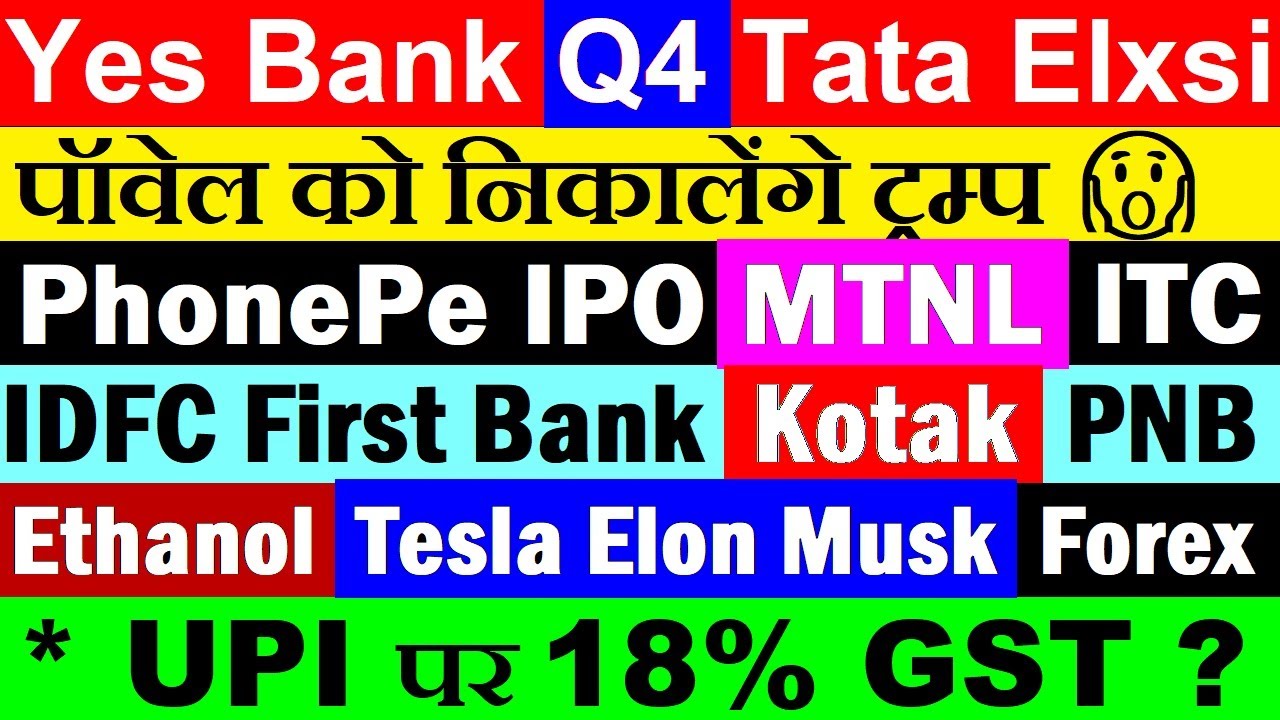
India’s financial landscape is buzzing with transformative developments, from anticipated IPOs to corporate acquisitions and global economic tremors. This article dives deep into the latest updates shaping India’s markets, offering insights into PhonePe’s IPO plans, ITC’s strategic moves, pharma exports, and more. With a focus on clarity and actionable information, we explore how these changes impact investors, businesses, and the broader economy in 2025.
PhonePe’s IPO Ambitions: A Game-Changer for Digital Payments
PhonePe, a leading digital payments platform, is gearing up for a blockbuster initial public offering (IPO) that could redefine India’s fintech sector. With a projected valuation of $15 billion, PhonePe aims to transition into a public entity, capitalizing on the growing adoption of digital transactions in India.
Why PhonePe’s IPO Matters
The IPO is a strategic move to fuel expansion and compete with rivals like Paytm and Google Pay. As India’s Unified Payments Interface (UPI) transactions soar, PhonePe’s listing could attract significant investor interest. The company’s robust infrastructure and partnerships position it as a frontrunner in the digital economy.
What Investors Should Watch
- Market Timing: PhonePe’s IPO success hinges on favorable market conditions. A buoyant market could drive higher valuations.
- Regulatory Landscape: Compliance with SEBI regulations will be critical to ensure a smooth listing.
- Competitive Edge: PhonePe’s ability to innovate and retain market share will determine its post-IPO performance.
ITC’s Strategic Acquisition: Expanding into Personal Care
ITC, a conglomerate with interests spanning FMCG, hospitality, and agriculture, is making bold moves in the personal care segment. The company has increased its stake in Mother Sparsh, a premium ayurvedic and natural personal care brand, to 49% and plans a complete acquisition by Q1 FY27.
Why Mother Sparsh Fits ITC’s Vision
Mother Sparsh’s focus on natural and sustainable products aligns with ITC’s commitment to wellness and eco-conscious branding. This acquisition strengthens ITC’s portfolio, positioning it to capture the growing demand for organic personal care products in India.
Impact on ITC’s Market Position
- Diversification: The move reduces ITC’s reliance on its traditional tobacco and FMCG segments.
- Consumer Trends: Rising awareness of sustainable products gives ITC a competitive edge.
- Financial Outlook: The acquisition is expected to boost ITC’s revenue streams by FY27, enhancing shareholder value.
Network 18’s Leadership Shift: Embracing AI Innovation
Network 18, a prominent media conglomerate, has appointed Nalin Mehta as Chief AI Officer, signaling a strategic pivot toward artificial intelligence in media operations. This move underscores the growing role of AI in content creation, audience engagement, and operational efficiency.
How AI is Transforming Media
AI technologies enable personalized content delivery, predictive analytics for viewership trends, and automated content moderation. Network 18’s investment in AI positions it to stay ahead in a competitive media landscape.
What This Means for Stakeholders
- Content Creators: AI tools can streamline production, allowing creators to focus on quality.
- Advertisers: Enhanced targeting capabilities improve ad ROI.
- Viewers: Expect more tailored content experiences across Network 18’s platforms.
Indian Pharma’s Export Surge: A $30 Billion Milestone
India’s pharmaceutical industry achieved a remarkable feat in FY25, exporting $30 billion worth of drugs, a 31% jump from the previous year. This growth cements India’s position as the “pharmacy of the world” and highlights the sector’s resilience amid global challenges.
Key Drivers of Pharma Exports
- Global Demand: Rising healthcare needs in developed markets fuel demand for Indian generics.
- Government Support: Initiatives like the PLI scheme enhance manufacturing capabilities.
- Innovation: Investments in R&D are expanding India’s footprint in biologics and specialty drugs.
Navigating Global Tariff Threats
With potential tariff hikes under discussion in markets like the U.S., India’s Health Ministry is working to shield the pharma sector. Protecting export revenues is critical, as they contribute significantly to India’s GDP.
Investment Opportunities
Pharma stocks like Sun Pharma, Dr. Reddy’s, and Cipla are poised for growth, driven by export momentum and domestic demand. Investors should monitor policy changes and global trade dynamics.
China’s Hyper-Speed Train: A Global Game-Changer
China is set to redefine transportation with a new train capable of speeds up to 1,000 km/h (621 mph), surpassing even commercial airliners. This ambitious project, still in the planning phase, could disrupt global travel and logistics.
Implications for India
- Infrastructure Inspiration: India’s high-speed rail projects, like the Mumbai-Ahmedabad bullet train, could draw lessons from China’s innovation.
- Trade Dynamics: Faster logistics could enhance China’s export efficiency, impacting global trade balances.
- Investment Potential: Companies involved in rail technology and infrastructure may see increased interest.
Hero MotoCorp’s Production Hiccups: A Temporary Setback?
Hero MotoCorp, India’s leading two-wheeler manufacturer, faced production disruptions at four manufacturing plants, leading to a dip in share prices. The halt, attributed to operational challenges, has raised concerns about the company’s top-line growth.
Why This Matters
Production delays can erode market share in a competitive segment dominated by players like Bajaj Auto and TVS Motor. Hero’s ability to resolve these issues swiftly will determine its recovery trajectory.
Investor Takeaways
- Short-Term Caution: Monitor Hero’s production updates before making investment decisions.
- Long-Term Potential: The company’s strong brand and rural market presence offer resilience.
- EV Strategy: Hero’s pivot to electric vehicles could offset traditional segment challenges.
JSL’s Stellar Q4 Performance: A Reliance-Backed Success
Jindal Stainless Limited (JSL), a Reliance-backed company, reported a 9.5% year-on-year revenue increase and a 61% profit surge to ₹584 crore in Q4. This performance highlights JSL’s operational efficiency and market demand for stainless steel.
Key Growth Drivers
- Industrial Demand: Infrastructure and manufacturing growth fuel stainless steel consumption.
- Reliance Synergies: Strategic support from Reliance enhances JSL’s market reach.
- Export Markets: JSL’s focus on global markets bolsters revenue.
Why JSL Stands Out
The company’s consistent financial gains and strategic backing make it a compelling pick for investors seeking exposure to India’s industrial sector.
MSTC’s Mixed Results: Dividend Declaration Softens the Blow
MSTC, a government-owned e-commerce and trading company, reported a 14% decline in profit after tax despite a 12% revenue increase. To reward shareholders, the company announced a ₹16 dividend.
Analyzing MSTC’s Performance
- Revenue Growth: Strong top-line growth reflects demand for MSTC’s services.
- Profit Challenges: Cost pressures and operational inefficiencies impacted margins.
- Dividend Appeal: The generous dividend signals confidence in future cash flows.
Investor Considerations
MSTC’s dividend yield makes it attractive for income-focused investors, but profitability concerns warrant caution.
RBI’s Crackdown: Penalties on Kotak, PNB, and IDFC First Bank
The Reserve Bank of India (RBI) imposed penalties on Kotak Mahindra Bank, Punjab National Bank (PNB), and IDFC First Bank for regulatory non-compliance. Fines ranged from ₹30 lakh to ₹60 lakh, citing deficiencies in adhering to banking norms.
Why Compliance Matters
Repeated violations could lead to stricter RBI restrictions, as seen with HDFC Bank’s credit card issuance ban in prior years. While the fines are modest relative to the banks’ scale, they underscore the need for robust governance.
Impact on Banking Stocks
- Short-Term Sentiment: Negative news may pressure stock prices temporarily.
- Long-Term Resilience: Large banks can absorb these penalties, but recurring issues could erode investor trust.
- Regulatory Scrutiny: Banks must prioritize compliance to avoid operational curbs.
India’s Forex Reserves Soar: A $677.84 Billion Milestone
India’s foreign exchange reserves surged by $1.5 billion, reaching $677.84 billion, marking six consecutive weeks of growth. This milestone strengthens India’s economic stability and ability to manage external shocks.
Why Forex Reserves Matter
- Currency Stability: Higher reserves support the rupee against global volatility.
- Import Cover: Robust reserves ensure India can meet import obligations.
- Investor Confidence: A strong forex position attracts foreign investment.
Economic Implications
The sustained increase in reserves reflects prudent monetary policies and export growth, positioning India favorably in global markets.
GST Notices and Corporate Challenges: ICICI Prudential and Delta Corp
ICICI Prudential Life Insurance received a GST demand notice of ₹3.67 crore, a minor issue for a company of its size. In contrast, Delta Corp faces a massive GST demand that threatens its financial stability, highlighting the risks of regulatory changes.
Key Takeaways
- ICICI Prudential: The company is likely to resolve the notice without significant impact.
- Delta Corp: The disproportionate GST demand could disrupt operations, making it a high-risk investment.
- Regulatory Risks: Companies must navigate India’s evolving tax landscape carefully.
Ethanol Blending Push: A Boost for Sugar and Energy Sectors
The Indian government is accelerating its ethanol blending program, targeting 30% blending in petrol by 2030, up from the current 20%. This initiative supports renewable energy goals and benefits sugar and ethanol-related companies.
Beneficiaries of Ethanol Blending
- Sugar Companies: Firms like Balrampur Chini and Shree Renuka Sugars gain from ethanol production.
- Plant Manufacturers: Companies supplying ethanol plant infrastructure stand to benefit.
- Energy Security: Reduced oil imports enhance India’s economic resilience.
Risks to Watch
Government support is critical. Any policy reversal could derail the sector’s growth trajectory.
MTNL’s Debt Woes: A Struggling PSU
Mahanagar Telephone Nigam Limited (MTNL), a state-owned telecom company, defaulted on a ₹8,500 crore loan repayment. Chronic losses and operational inefficiencies continue to plague the company, raising questions about its viability.
Why MTNL Struggles
- Market Competition: Private players like Reliance Jio dominate the telecom space.
- Debt Burden: High liabilities limit MTNL’s ability to invest in modernization.
- Government Support: Limited bailout prospects exacerbate the crisis.
Investor Outlook
MTNL remains a high-risk investment, with recovery dependent on drastic restructuring or privatization.
Trump vs. Powell: A U.S. Policy Clash with Global Ripples
U.S. President Donald Trump’s team is exploring ways to oust Federal Reserve Chair Jerome Powell, whose term extends to 2026. The conflict stems from Trump’s push for rate cuts, which Powell resists to curb inflation.
Global Market Implications
- U.S. Economy: Policy uncertainty could roil markets and weaken the dollar.
- Emerging Markets: India may face capital flow volatility if U.S. rates remain high.
- Trade Tensions: Trump’s tariff threats could disrupt global supply chains, impacting Indian exports.
India’s Response
The RBI’s prudent policies and strong forex reserves provide a buffer against external shocks.
Elon Musk’s India Entry: Tesla’s Next Frontier
Elon Musk, Tesla’s CEO, is set to visit India by the end of 2025, signaling Tesla’s entry into one of the world’s fastest-growing EV markets. Musk’s praise for PM Modi reflects optimism about India’s business environment.
Why Tesla’s Entry Matters
- EV Market Growth: Tesla’s presence could accelerate India’s electric vehicle adoption.
- Manufacturing Hub: Local production could create jobs and boost ancillaries.
- Competition: Domestic players like Tata Motors and Mahindra face new challenges.
Investment Opportunities
EV-related stocks, including battery manufacturers and charging infrastructure providers, could see increased interest.
Tata Elxsi’s Q4 Setback: Tariff Troubles in Auto Segment
Tata Elxsi, a design and technology services provider, reported a 13% drop in Q4 net profit to ₹172 crore, driven by tariff-related challenges in the auto segment. The company announced a ₹75 final dividend to maintain shareholder confidence.
Key Challenges
- Global Tariffs: Trade barriers impact Tata Elxsi’s auto clients.
- Cost Pressures: Rising operational costs squeezed margins.
- Recovery Path: Innovation in AI and IoT could drive future growth.
Investor Perspective
Tata Elxsi’s long-term prospects remain strong, but near-term volatility warrants caution.
Yes Bank’s Profit Surge: A Turnaround Story
Yes Bank reported a 63% jump in Q4 profit to ₹738 crore, driven by lower provisioning and a 6% rise in net interest income. The bank’s performance exceeded expectations, signaling a robust recovery.
Why Yes Bank Shines
- Asset Quality: Improved loan recovery reduced provisioning needs.
- Operational Efficiency: Cost management boosted profitability.
- Market Sentiment: Positive results enhance investor confidence.
Investment Outlook
Yes Bank’s turnaround makes it an attractive pick for growth-oriented investors, but regulatory compliance remains critical.
UPI’s GST-Free Status: Debunking the Rumors
Rumors of an 18% GST on UPI transactions above ₹2,000 sparked concerns, but the government clarified that UPI remains tax-free. This affirmation reinforces India’s commitment to digital payments.
Why UPI’s Tax-Free Status Matters
- Consumer Relief: No additional costs for users encourage digital adoption.
- Merchant Benefits: Small businesses rely on UPI for low-cost transactions.
- Economic Growth: Digital payments drive financial inclusion and transparency.
Addressing Misinformation
The government’s swift response highlights the importance of combating rumors to maintain trust in digital infrastructure.
Conclusion: Navigating India’s Dynamic Financial Landscape
India’s financial ecosystem in 2025 is a tapestry of opportunity and challenges. From PhonePe’s IPO to Tesla’s entry, corporate strategies and government policies are shaping a vibrant future. Investors must stay informed, balancing risks with potential rewards. Whether it’s the pharma sector’s export boom or the ethanol blending push, strategic moves today will define India’s economic trajectory tomorrow.
By leveraging these insights, stakeholders can make informed decisions in a rapidly evolving market. Stay vigilant, diversify wisely, and seize the opportunities that India’s financial frontier offers.