The vibrant festival of Navratri 2025 is upon us, beginning September 22nd and continuing through October 1st, followed by the triumphant celebration of Dussehra. As someone who has been deeply immersed in Hindu festivals for over a decade, I can tell you that understanding the sacred color tradition of Navratri adds layers of meaning to your spiritual journey that go far beyond mere fashion choices.
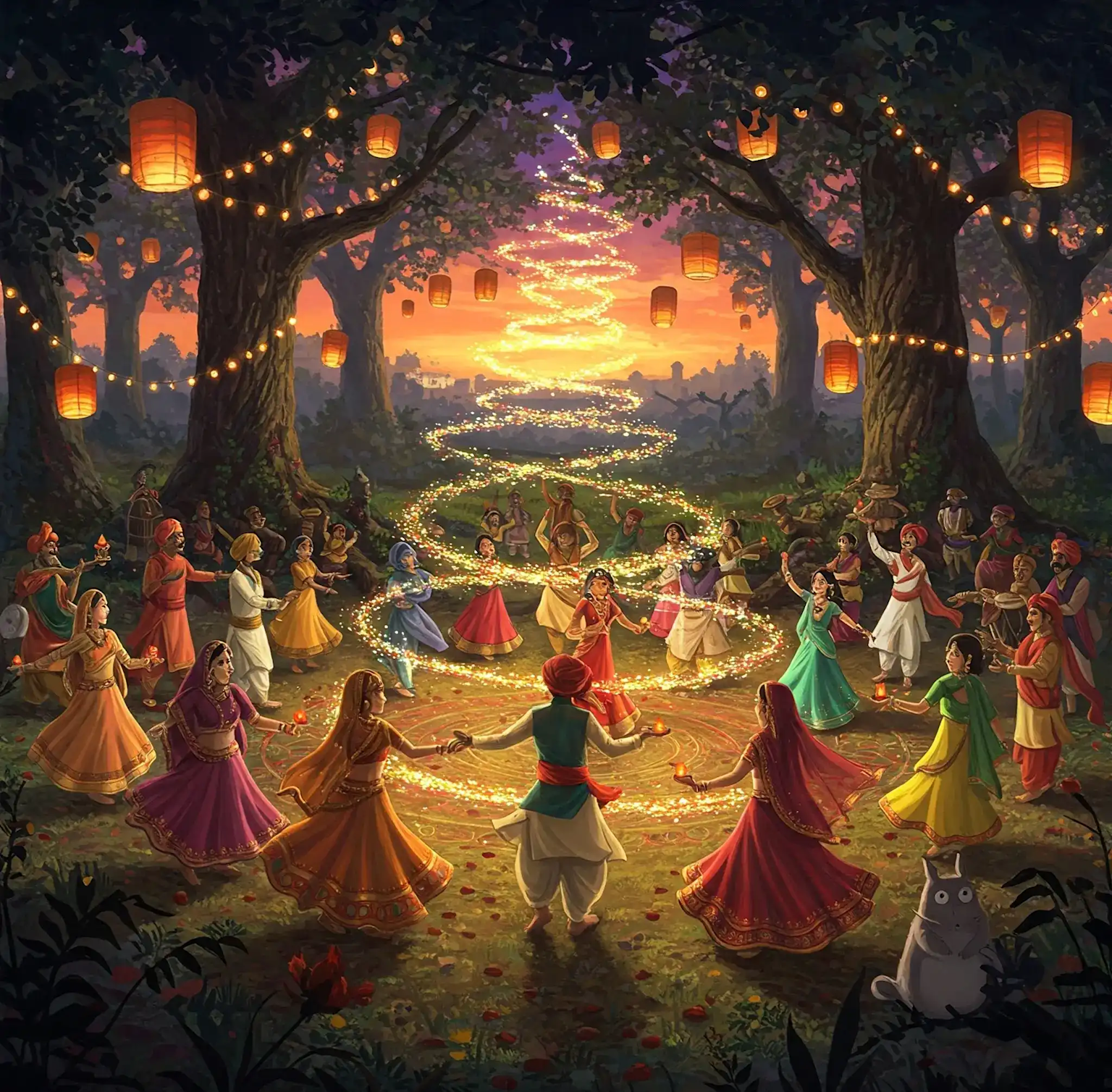
Traditional Navratri Garba dance in a glowing forest setting with participants performing Dandiya Raas in vibrant attire navratrigarba
What many people don’t realize is that each color during Navratri 2025, 9-Day Colour Guide For Devotees And Their Significance represents a profound spiritual pathway connecting you to specific divine energies. This year’s celebration promises to be particularly powerful, with millions of devotees across India and beyond preparing to honor Goddess Durga’s nine sacred forms through this beautiful color symphony.

Navratri 2025: 9-Day Color Guide with Dates and Goddess Forms
Understanding the Sacred Foundation of Navratri Colors
The tradition of wearing specific colors during Navratri isn’t just aesthetic—it’s deeply spiritual. During my years of studying Hindu festivals, I’ve witnessed how these colors serve as a bridge between the devotee and the divine feminine energy, or Shakti.
Each color vibrates at a specific frequency that aligns with the goddess being honored that day. When you wear white on the first day, you’re not just following tradition; you’re invoking the pure, peaceful energy of Maa Shailputri. This connection becomes even more powerful when you understand that the word “Navratri” itself means “nine nights,” representing a journey through different aspects of consciousness.
The scientific community has long recognized that colors affect our psychological and emotional states. During Navratri, this ancient wisdom combines with spiritual practice to create a transformative experience. As one devotee shared with me last year, “Wearing the sacred colors feels like wrapping myself in the goddess’s energy.”
Day-by-Day Color Guide: Your Complete Spiritual Roadmap
Day 1 (September 22): White – The Foundation of Purity
Monday marks the beginning with white, honoring Maa Shailputri, the goddess of strength and stability. White represents innocence, purity, and inner calm, creating the perfect foundation for your nine-day spiritual journey.
I always recommend starting with simple white cotton or silk, as these natural fabrics enhance the color’s purifying energy. Add silver jewelry to complement the pristine energy, and you’ll feel an immediate sense of peace and clarity.
Day 2 (September 23): Red – Igniting Divine Passion
Tuesday brings the power of red for Maa Brahmacharini, symbolizing passion, courage, and vital energy. This isn’t just any red—it’s the color of sindoor, representing the fierce devotion that burns away all obstacles.
From my experience organizing community celebrations, red is when the festival truly comes alive. The energy shifts noticeably as devotees embrace this bold color, often reporting increased confidence and determination.
Day 3 (September 24): Royal Blue – Embracing Divine Wisdom
Wednesday’s royal blue honors Maa Chandraghanta, embodying spirituality, peace, and prosperity. This deep, rich blue promotes emotional balance and wards off negativity—something I’ve personally experienced during challenging times.
Royal blue works beautifully with gold accessories, creating an ensemble that reflects both earthly elegance and divine grace. Many devotees find this color particularly soothing after the intense energy of red.
Day 4 (September 25): Yellow – Radiating Joy and Optimism
Thursday’s yellow celebrates Maa Kushmanda, the creator of the universe’s energy. Yellow brings brightness, happiness, and cheer—qualities essential for maintaining enthusiasm throughout the festival period
I’ve noticed that yellow creates an infectious positivity during Garba nights. It’s the color of sunshine and new beginnings, perfect for the festival’s midpoint when energy might need refreshing.
Day 5 (September 26): Green – Nurturing Growth and Harmony
Friday’s green honors Maa Skandamata, symbolizing growth, fertility, and harmony with nature. Green represents renewal and balance, reminding us to stay grounded while fostering patience and compassion.
This color particularly resonates with those seeking healing or new beginnings. I’ve seen many devotees choose this day for important decisions or new ventures, drawing on the goddess’s nurturing energy.
Day 6 (September 27): Grey – Finding Balance and Wisdom
Saturday’s grey celebrates Maa Katyayani, representing balanced emotions and down-to-earth wisdom. While some might find grey less exciting than other colors, it actually represents the sophisticated balance between all energies.
I always advise devotees to pair grey with colorful jewelry or accessories to add vibrancy while maintaining the color’s grounding effect. This day often brings clarity to complex situations.
Day 7 (September 28): Orange – Embodying Energy and Enthusiasm
Sunday’s orange honors Maa Kalaratri, the goddess of protection and fearlessness. Orange radiates warmth, exuberance, and positive energy—perfect for the festival’s final sprint toward Dussehra.
Orange creates an atmosphere of celebration that’s unmistakable. During my years documenting Navratri celebrations, this day consistently shows the highest energy levels in community gatherings.
Day 8 (September 29): Peacock Green – Celebrating Unique Beauty
Monday’s peacock green celebrates Maa Mahagauri, symbolizing purity and grace. This unique shade represents individuality, compassion, and freshness—qualities that make each devotee’s journey special.
Peacock green is often the most photographed color during Navratri, as it creates stunning visual impact. Many devotees save their most elaborate outfits for this day.
Day 9 (September 30): Pink – Completing with Love and Compassion
Tuesday’s pink honors Maa Siddhidatri, the bestower of wisdom and spiritual fulfillment. Pink represents universal love, affection, and harmony—the perfect conclusion to the nine-day journey.
The transition from peacock green to pink creates a beautiful finale, symbolizing the journey from individual beauty to universal love. This color often evokes emotional responses as devotees reflect on their transformative nine-day experience.
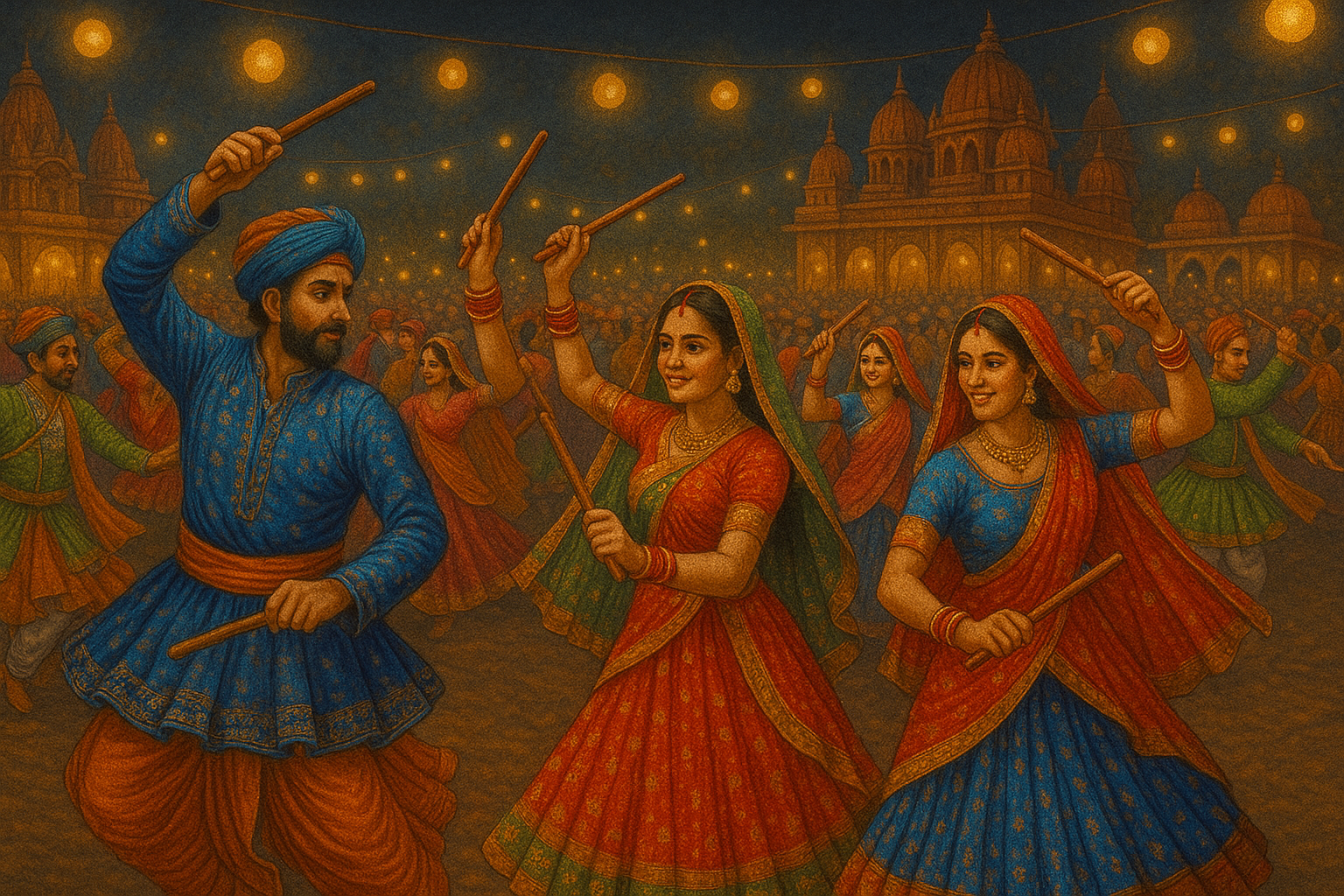
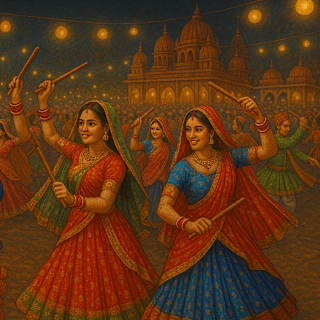
Traditional Garba dance with vibrant colored attire during Navratri festival in Gujarat zoomcar
Regional Variations: How Different States Celebrate
Gujarat: The Heart of Garba and Dandiya
Gujarat transforms into a massive dance floor during Navratri 2025, 9-Day Colour Guide For Devotees And Their Significance. The state’s celebration generates over ₹12,500 crore in business annually, with corporate sponsorships increasing by 15-20% each year.
The Garba dance, performed in circles around a sacred lamp, symbolizes the eternal cycle of life. What makes Gujarat unique is how the color traditions seamlessly blend with the dance performances, creating a visual spectacle that attracts over 4 million tourists annually.
I’ve personally witnessed Garba nights in Ahmedabad where 30,000 people gather nightly, all coordinated in the day’s sacred color. The energy is absolutely electric.
West Bengal: Durga Puja’s Artistic Grandeur
In West Bengal, Navratri manifests as the elaborate Durga Puja, where artistic pandals showcase incredible craftsmanship. The region received UNESCO’s Intangible Cultural Heritage recognition in 2021, attracting 17,000 foreign tourists in 2023 alone.
The colors play a different role here, adorning the magnificent goddess idols and decorative themes. Each pandal tells a story through color symbolism, creating an outdoor art gallery that runs for days.
Maharashtra: Blending Home Traditions with Community Celebrations
Maharashtra beautifully combines intimate home rituals with vibrant community gatherings. The Ghatasthapana ceremony—installing a sacred kalash—begins the color journey in homes across the state.
The state’s unique Gondhal tradition incorporates storytelling through songs and dance, where colors enhance the dramatic presentations of goddess tales.
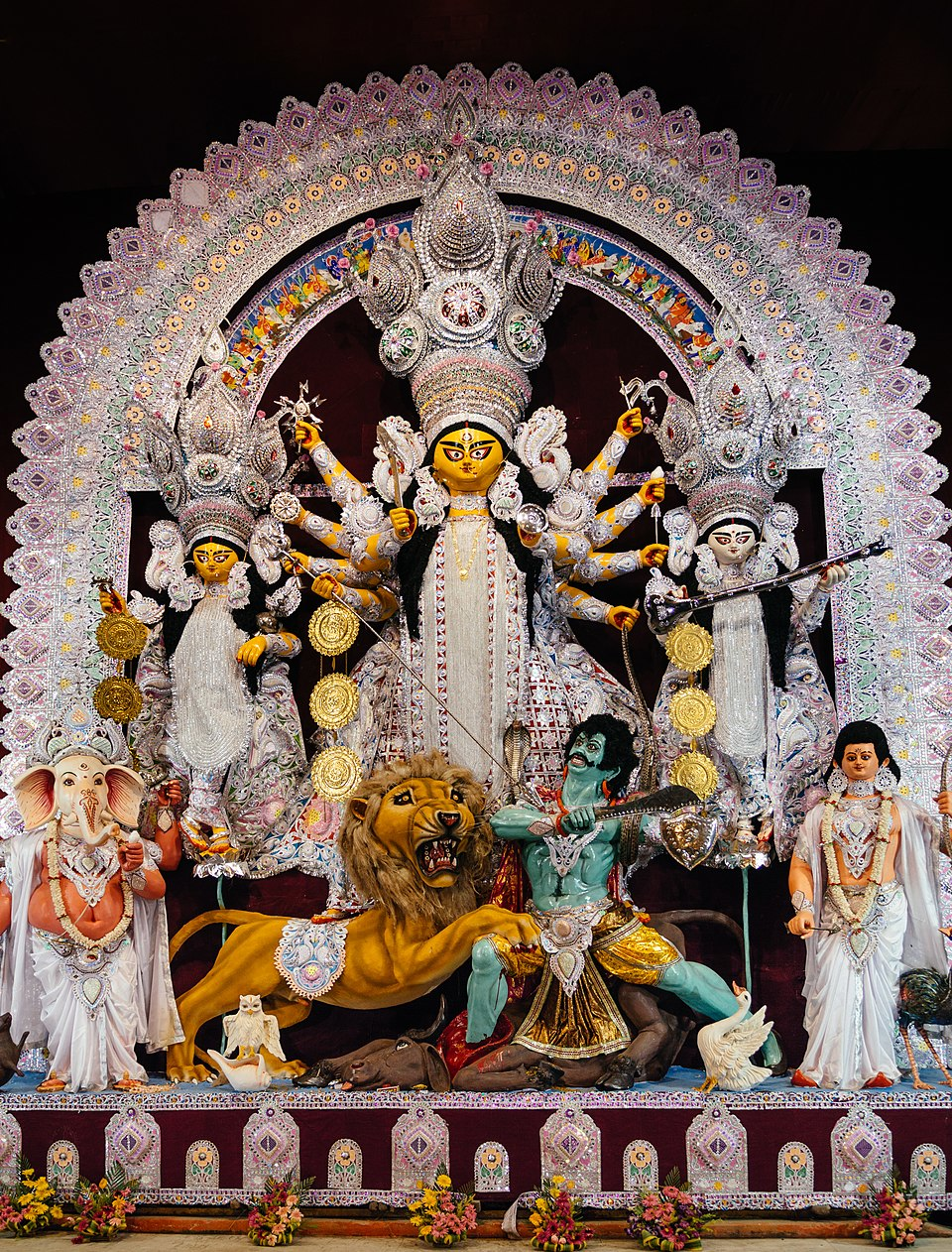
Elaborate idol of Goddess Durga during Durga Puja and Navratri celebrations wikipedia
Modern Adaptations: Bollywood and Contemporary Celebrations
The digital age has revolutionized how we experience Navratri 2025, 9-Day Colour Guide For Devotees And Their Significance. Bollywood has created modern anthems like “Chogada,” “Nagada Sang Dhol,” and “Dholida” that blend traditional rhythms with contemporary beats.
These fusion celebrations now feature “Disco Dandiya” events where traditional colors meet modern lighting and music production. The economic impact is substantial—Gujarat alone sees a 15-20% spike in advertising expenditure during the festival
Social media has also transformed color coordination, with families and communities sharing daily color themes and outfit inspiration. What I find fascinating is how young devotees are rediscovering traditional significance while adding their contemporary interpretation.
Fasting Traditions and Sacred Foods
The dietary aspect of Navratri 2025, 9-Day Colour Guide For Devotees And Their Significance goes hand-in-hand with the color symbolism. Traditional fasting foods like sabudana, kuttu flour, and singhara atta maintain the body’s sattvic state while supporting spiritual practices.
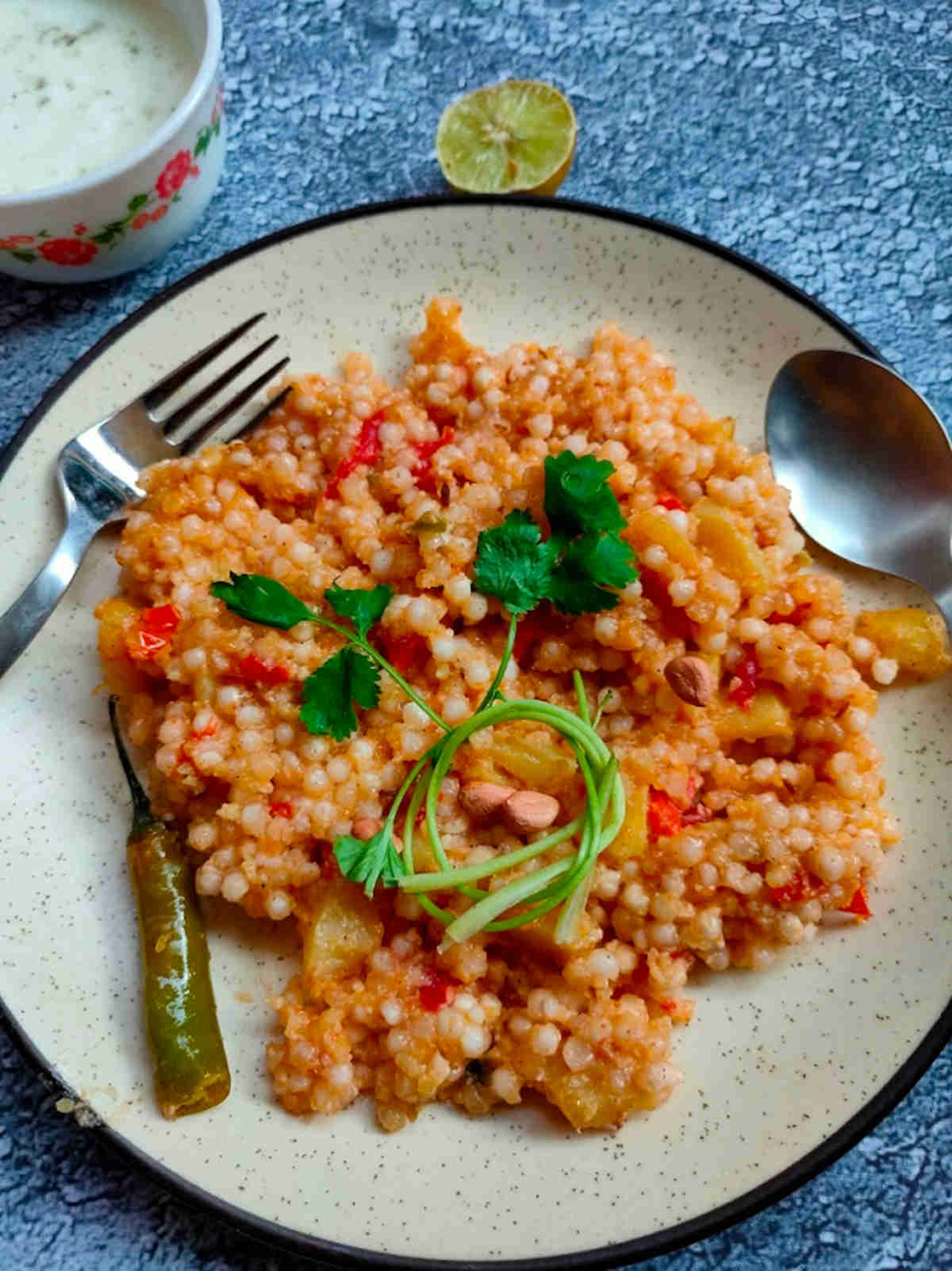
Sabudana khichdi, a traditional Navratri fasting dish made from tapioca pearls, potatoes, and peanuts, garnished with coriander and served with lemon and yogurt vegbuffet
Each day has specific food offerings (bhog) that complement the color energy. For example, Day 1’s white color pairs with desi ghee offerings to Maa Shailputri, while Day 4’s yellow connects with malpua for Maa Kushmanda.
The fasting practices aren’t just dietary restrictions—they’re spiritual disciplines that enhance the color meditation experience. When you’re wearing red and fasting, the combination creates a heightened awareness of Maa Brahmacharini’s energy.
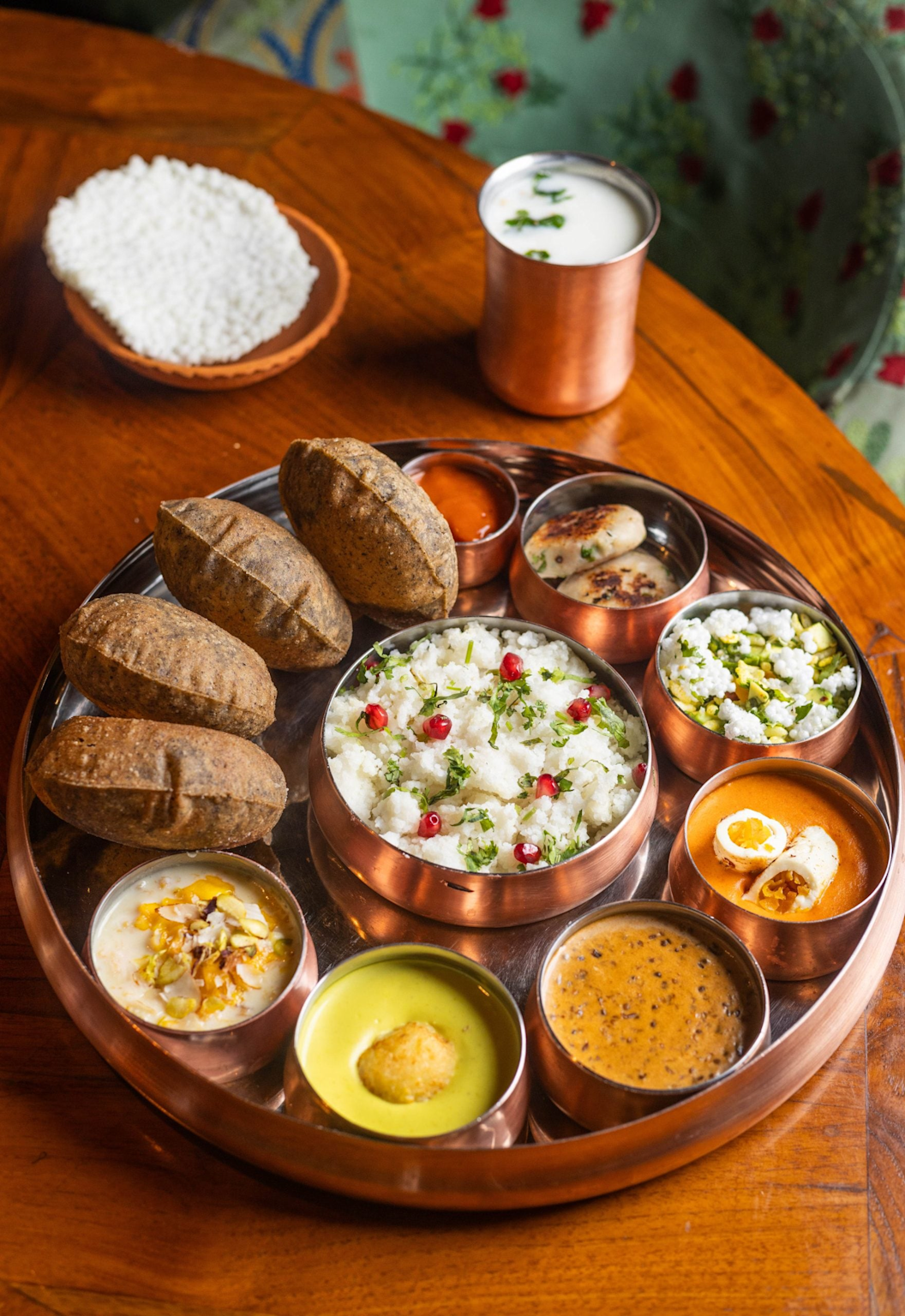
Traditional Navratri fasting thali featuring sabudana, kuttu puris, and vrat-friendly dishes in copper bowls news18
Economic and Cultural Impact
The festival generates ₹50,000 crore in business across India, with Gujarat leading at ₹12,500 crore annually. This economic impact supports millions of artisans, vendors, textile workers, and service providers who depend on the festival season.
The textile industry alone sees 35% of annual sales during this period, driven by demand for color-coordinated ethnic wear. Electronics retailers report 7% of annual sales during these nine nights, fueled by sound system demands for Garba venues.
What’s remarkable is how the color tradition drives consumer behavior. Families plan entire wardrobes around the nine-day color scheme, creating a massive market for traditional clothing and accessories.
Spiritual Benefits and Personal Transformation
Beyond the external celebrations, the Navratri 2025, 9-Day Colour Guide For Devotees And Their Significance offers profound spiritual benefits. The daily color meditation, combined with fasting and prayer, creates conditions for deep inner transformation.
Regular practitioners report enhanced emotional balance, reduced stress, and increased spiritual awareness. The nine-day discipline of color consciousness, combined with other spiritual practices, helps develop self-control and inner strength.
The scientific community increasingly recognizes these benefits. Color therapy research supports what ancient traditions have long known—specific colors influence our psychological and emotional states.
Conclusion: Embracing Your Colorful Spiritual Journey
As we approach Navratri 2025, 9-Day Colour Guide For Devotees And Their Significance, remember that each color is more than fabric and tradition—it’s a doorway to divine consciousness. Whether you’re participating in Gujarat’s massive Garba celebrations, West Bengal’s artistic Durga Puja, or intimate home worship, the colors connect you to millions of devotees worldwide sharing this ancient practice.
The beauty of Navratri lies in its accessibility. You don’t need elaborate costumes or expensive celebrations. A simple white cloth on Day 1, worn with sincere devotion, carries the same spiritual power as the most elaborate ensemble.
As you plan your nine-day color journey, consider creating a personal color meditation practice. Each morning, as you don the day’s sacred color, take a moment to connect with the corresponding goddess energy. This simple practice can transform your entire Navratri experience.
Ready to begin your colorful spiritual journey? Start preparing your nine-day color wardrobe today, and remember—the most important element isn’t the perfect outfit, but the sincere devotion you bring to each sacred color. May this Navratri 2025 bring you the divine blessings of all nine goddess forms, wrapped in the rainbow of their sacred colors.
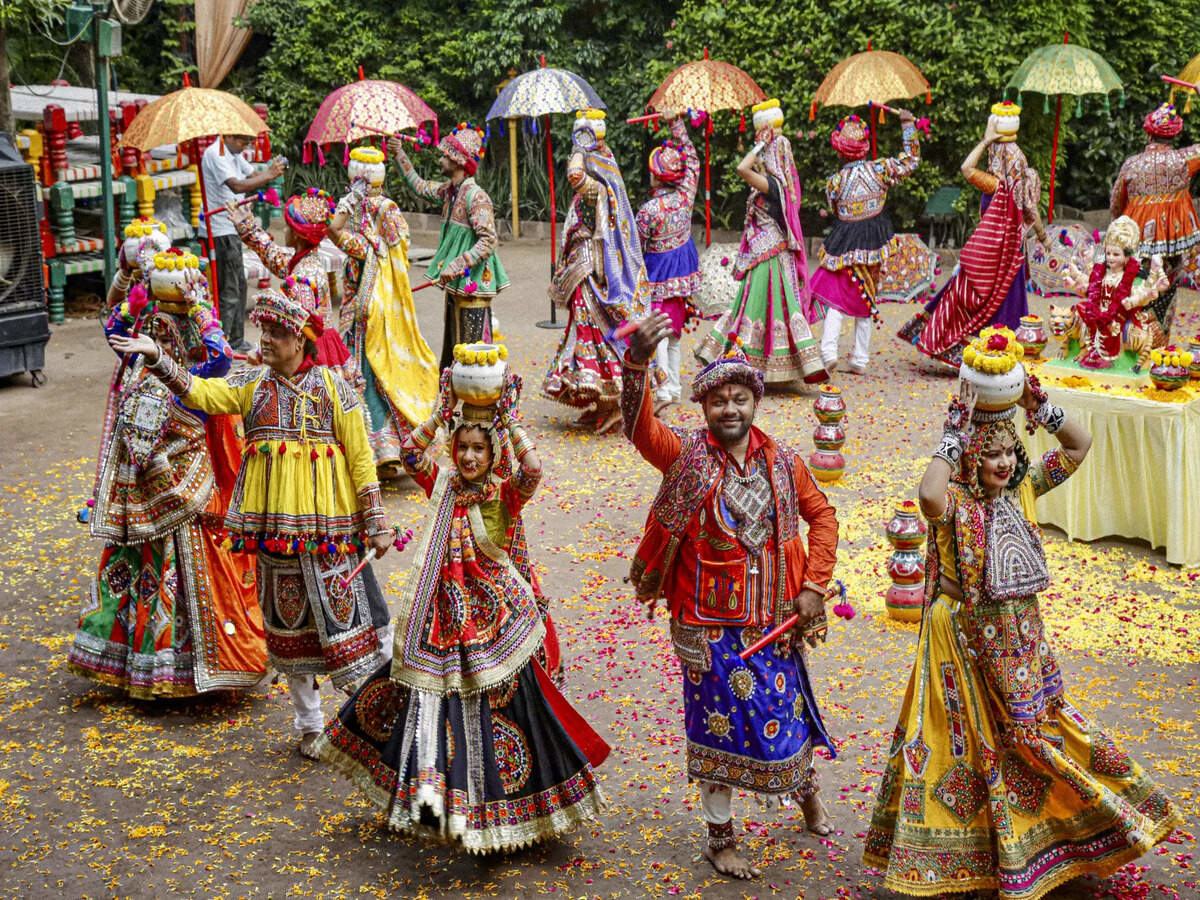
Colorful Garba dance celebration during Navratri in Gujarat with traditional attire and festive decorations economictimes
Frequently Asked Questions
Q: Can I repeat colors if I don’t have all nine different colored outfits for Navratri 2025?
A: Absolutely! The spiritual significance comes from your devotion, not the perfect wardrobe. You can wear different shades of the same color family or even incorporate the color through accessories, scarves, or flowers. Many devotees create the color connection through smaller elements like bangles, tilaka, or flowers in their hair.
Q: What if I’m traveling during Navratri 2025—how can I maintain the color tradition?
A: Traveling during Navratri doesn’t diminish your spiritual practice. Pack versatile pieces that can represent multiple colors, use colorful scarves or accessories, or even carry colored threads or small fabric pieces for meditation. The intention matters more than elaborate displays. Many international devotees maintain their color practice through simple symbolic representations
Q: Is there any scientific basis for the Navratri color tradition and its claimed benefits?
A: Yes, color therapy (chromotherapy) is a recognized field in alternative medicine. Research shows that different colors affect our psychological state, hormone production, and emotional balance. Red increases energy and confidence, blue promotes calm and stability, green supports healing and growth, and yellow enhances optimism—all aligning with the traditional Navratri color meanings